Deer Drives on Missouri Public Ground
Hunting deer on Missouri's public lands can feel like a formidable challenge, especially when every ridge and hollow seems to hold more hunters than deer. It's frustrating to sit patiently for hours, only to hear someone else's footsteps or distant shots shatter the quiet, leading you to believe the deer have vanished. But what if there was a way to actively engage those wary whitetails, to use the terrain and even other hunters' movements to your advantage? This comprehensive guide will walk you through the often-misunderstood art of organizing and executing effective deer drives on Missouri public ground, transforming frustration into strategic success.
Why Consider Deer Drives on Missouri Public Land?
Let's face it, solo hunting on public ground, particularly during the firearms portions, can be tough. Deer on these heavily pressured tracts become incredibly nocturnal and adept at slipping through cover unnoticed. Sitting in a stand all day often yields little more than cold feet and a lot of squirrel sightings. This is precisely where a well-executed deer drive can shine, turning the tables on those cagey whitetails and providing opportunities you wouldn't get otherwise.
Overcoming Hunting Pressure
Missouri's public lands, while abundant, see significant hunter traffic, especially during the peak of the firearms seasons. This constant human presence makes deer incredibly smart about avoiding traditional stand sites. They learn escape routes, bed in the thickest, nastiest cover imaginable, and often won't move during daylight hours unless pushed. A deer drive, when done correctly, leverages this pressure. Instead of passively waiting for a deer to walk by, you're actively putting deer on the move, pushing them towards strategically placed standers who are ready for a shot. It's about taking control of the situation rather than being dictated by the deer's elusive habits.
Think about those patches of dense cedars or briar thickets you always skip over because they're too difficult to hunt. Those are precisely the places deer often hide out when the woods are full of other hunters. A coordinated drive can flush deer from these sanctuaries, forcing them into more open areas where a shot might be possible. It's a method that directly counters the effects of high hunting pressure by forcing deer to react, which is often the only way to see them during legal shooting hours on public ground. This method acknowledges the reality of shared hunting spaces and offers a way to adapt.
Furthermore, public ground often has scattered pockets of private land nearby. Deer will often cross back and forth, seeking refuge where they perceive less danger. A smart drive can be designed to move deer within the public land boundaries, or even to intercept them as they travel between public and private tracts. By understanding how deer react to pressure and identifying those overlooked bedding areas, a deer drive can transform a quiet, unproductive sit into an exciting encounter. It’s an effective way to hunt areas that have already been picked over by solo hunters.
Utilizing Difficult Terrain
Missouri is blessed with a diverse landscape, from the rolling hills and agricultural fields of the north to the rugged, timbered Ozark Mountains in the south. Each terrain presents unique challenges for hunters, but also unique opportunities for deer drives. On public lands, these challenges are often magnified due to irregular boundaries, heavy timber, and sometimes, very steep topography that makes traditional still-hunting or stand hunting difficult.
In the Ozarks, for instance, you're dealing with deep hollows, steep ridges, and rocky terrain that can make walking silent almost impossible. Deer Hunting the Missouri Ozarks is a whole different ballgame. However, this broken country is perfect for funneling deer. A well-planned drive can use these natural features – a creek bottom, a logging road, a saddle between two ridges – as natural fences to direct deer movement. Pushers can walk along a ridge top, for example, pushing deer down into a hollow where standers are waiting, or vice versa. The key is to understand how deer naturally navigate these features and anticipate their escape routes.
Even in flatter, more open country, difficult terrain means heavy cover. Think of areas choked with greenbrier, multiflora rose, or thickets of young timber. These areas are miserable to walk through but are precisely where deer feel safest. Trying to still-hunt these spots is often futile. A dedicated team of pushers can systematically move through these areas, pushing deer out into more open timber or food plots where standers have better visibility and shooting lanes. It's about making the terrain work for you, rather than letting it defeat your hunting efforts.
Adapting to Mid-Season Lulls
Many hunters experience a frustrating "lull" in deer activity right after the initial firearms opener. Deer become incredibly wary, often moving only under the cover of darkness. The intense pressure from the first few days of the season pushes them into hidey-holes they rarely leave. This is a prime time to consider a deer drive. When traditional tactics like sitting over a food plot or cruising timber near a bedding area fail, a drive can be the most effective way to stir things up.
During these lulls, deer are bedded tight and often won't respond to calls or subtle movements. They're just waiting for the coast to clear. A coordinated drive forces them to make a move. Instead of relying on a deer's natural curiosity or feeding patterns, you're disrupting their comfort zone and making them react. This can be particularly effective during those cold, dreary days when deer are conserving energy and reluctant to move much on their own.
Furthermore, later in the season, after much of the natural browse has been eaten or covered by snow, deer often congregate around specific food sources. If these food sources are on public land or adjacent to it, and surrounded by dense cover, a drive can be a highly effective way to intercept deer moving between bedding and feeding areas. Understanding Late-Season Food Sources for Whitetails can help you pinpoint these areas for a successful drive when other hunting methods have dried up. It's a proactive approach to hunting when deer activity is otherwise slow, offering a dynamic solution to the challenge of late-season whitetails.
Planning Your Public Land Deer Drive Safely and Ethically
Executing a successful deer drive isn't just about putting boots on the ground; it's about meticulous planning, clear communication, and unwavering commitment to safety and ethical hunting. On public land, where you might encounter other hunters or non-hunters, these considerations become even more critical. Cutting corners here can lead to dangerous situations or negative encounters that reflect poorly on all hunters.
Assembling Your Team and Roles
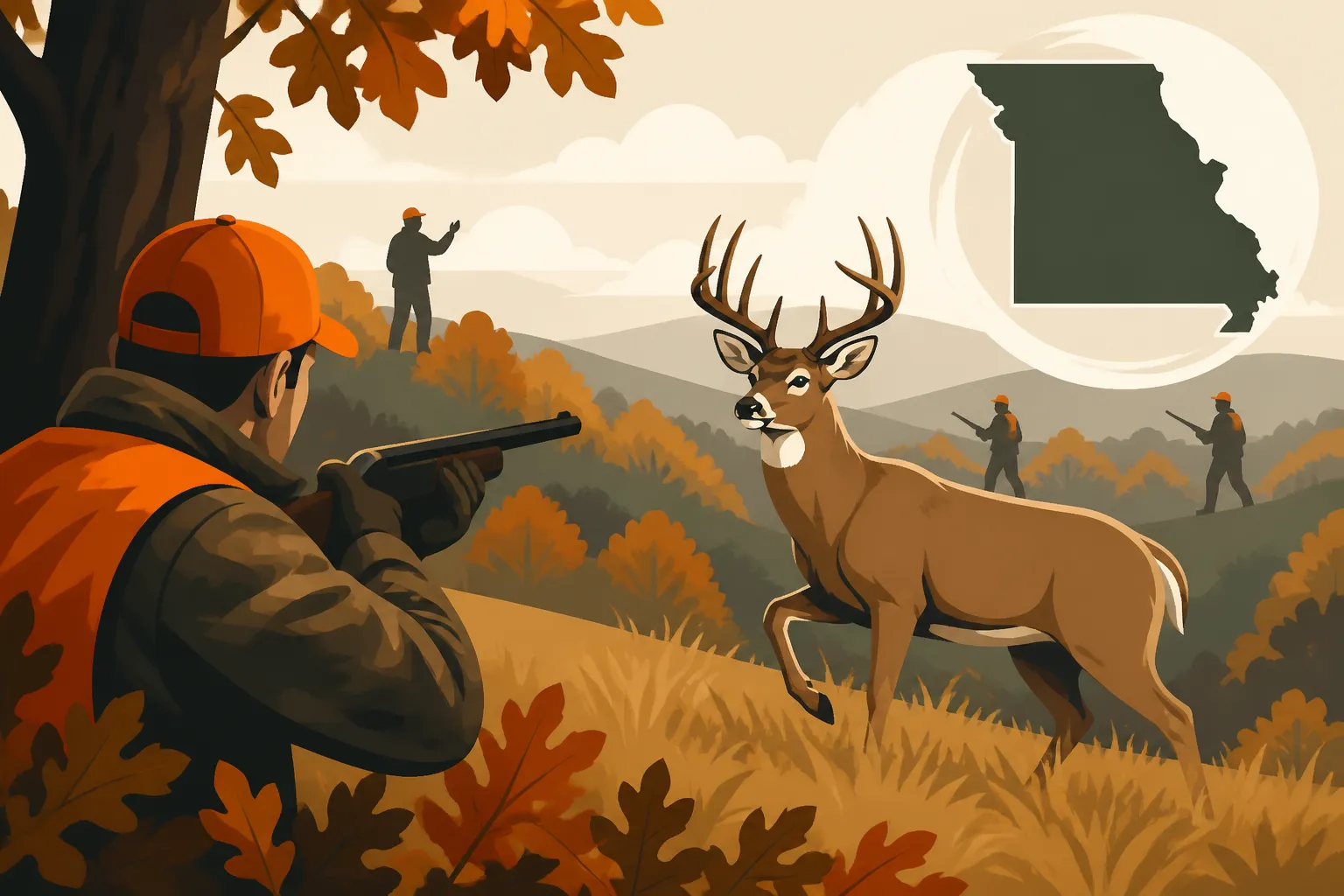
First and foremost, you need a team. Deer drives are not solo endeavors. Ideally, you'll want at least 3-5 people, but larger groups can be even more effective for covering bigger tracts of ground. Each member needs to understand their role, whether they are a "pusher" or a "stander." A pusher's job is to walk through a designated area, making noise and pushing deer towards the standers. This isn't about running wild and screaming; it's a deliberate, systematic movement.
Standers, on the other hand, are strategically positioned along the anticipated escape routes of the deer. Their role is to be still, silent, and ready to shoot. They need to understand the boundaries of the drive, the direction of the push, and their shooting lanes. Clear communication about who is doing what, where they are going, and what they are looking for is paramount. Consider having one "drive captain" who is responsible for the overall strategy and communication. This minimizes confusion and ensures everyone is on the same page. The more experienced members should take on the most critical roles, and always ensure everyone understands the full scope of the plan.
A detailed pre-drive briefing is non-negotiable. Go over the map, discuss where each person will be, the direction of the push, and safety zones. Emphasize that safety is the absolute priority above all else. Reviewing a table like the one below can help clarify roles and responsibilities before heading out. For a very small group, you might consider Two-Person Drives on Small Timber Tracts, which can be surprisingly effective with the right strategy and communication.
Understanding Public Land Rules and Regulations
Before you even think about stepping foot on public ground for a drive, you need to be intimately familiar with the Missouri Department of Conservation (MDC) regulations for that specific area. This includes general statewide rules like Missouri Hunter Education and Orange Rules, which mandate specific amounts of hunter orange during firearms seasons. But it also means checking the specific area regulations.
Many Conservation Areas (CAs) have unique rules regarding vehicle access, camping, and even hunting methods. Some areas might restrict the use of certain types of stands or blinds, or have special regulations on baiting (which is generally prohibited on public land anyway). It’s important to understand the concept of Missouri Conservation Areas Explained to realize that each can have its own quirks. You'll need to know the legal shooting hours, antler point restrictions (if any remain in specific counties, though many have been removed), and rules for tagging and Telechecking a Missouri Deer. Ignorance of the rules is never an excuse, and violations can result in hefty fines and loss of hunting privileges.
Additionally, be aware of zones where hunting might be restricted or prohibited, such as safety zones around parking lots, campgrounds, or residential areas adjacent to public land. Using a tool like the Missouri Conservation Atlas or an app like GoHunt that shows property lines and area boundaries is invaluable. Make sure your drive won't push deer onto private property where you don't have permission to retrieve them, or worse, onto land where hunting is not permitted. Always scout the area thoroughly beforehand to identify any potential conflicts or non-hunting activities that might be taking place.
Mapping and Scouting Your Drive Route
A successful deer drive starts long before opening day with thorough scouting and mapping. You can't just show up on public land and expect to run deer effectively. Scouting Missouri Public Land Before Season is crucial. Use tools like the Missouri Conservation Atlas, satellite imagery from GoHunt, and topo maps to identify key features: dense bedding areas, natural funnels (ridge saddles, creek crossings, drainages), potential escape routes, and areas where standers can safely set up with clear shooting lanes.
Walk the proposed drive route yourself. Pay attention to wind direction, thermals (especially in hilly terrain), and potential obstacles like steep ravines or impenetrable thickets. Look for fresh deer sign – tracks, rubs, scrapes – to confirm deer are using the area. Identify pinch points where deer are likely to travel when pressured. These are prime locations for standers. As you are Reading Aerial Photos for Ozark Deer, look for transitions in habitat, like where open timber meets a dense cedar patch, or where a power line cut provides a natural opening.
Mark your planned push lines and stander positions on a map, then share this with your entire team. Assign specific stander locations and pusher start/end points. Discuss contingency plans for unexpected deer movement or if a pusher encounters another hunter. The more detailed your map and plan, the less confusion there will be during the actual drive, and the safer and more effective it will be. Without meticulous mapping and scouting, you're essentially just taking a walk in the woods and hoping for the best, which is rarely a recipe for public land success.
Executing the Drive: Tactics for Success
Once your planning is done and your team is assembled, the real work begins. Executing a deer drive on public ground requires precision, awareness, and continuous communication. It's a dynamic process where conditions can change rapidly, and everyone needs to be on their toes.
The Importance of Wind and Thermals
Wind direction and thermals are paramount to any deer hunt, but they take on an even greater significance in a deer drive. Deer rely heavily on their sense of smell, and if they catch your scent, the drive is over before it even begins. You always want the wind in the face of your standers, carrying their scent away from the incoming deer. For pushers, the wind can be a bit more flexible, but ideally, you don't want your scent blowing ahead of you directly into the bedding areas you're trying to clear.
In hilly or mountainous terrain, like much of the Missouri Ozarks, thermals become a critical factor, especially during morning and evening drives. As the sun rises, thermals (air currents) typically flow uphill. In the evening, they flow downhill. If you're pushing deer up a ridge in the morning, your standers should be positioned near the top, with the thermals carrying their scent up and over the deer as they are pushed. Conversely, an evening drive pushing deer down a hollow would require standers lower down, with thermals carrying scent down and away. Understanding Wind and Thermals in Ozark Hills is a game-changer for effective drives in this region.
A common mistake is ignoring thermals, especially early in the day when the air is cool and deer are bedded low. If you have standers uphill from where deer are expected to be pushed, and the thermals are still dropping, those deer will smell the standers long before they get close. Always check the forecasted wind and understand the thermal patterns of your specific terrain before you finalize your stander placements and push direction. This single factor can make or break an entire drive.
Strategic Pushing Techniques
The pushers are the engine of the deer drive, and their technique is crucial. This isn't about running through the woods like a stampede; it's a controlled, purposeful movement. Pushers should walk at a steady pace, making enough noise to encourage deer to move, but not so much that they spook and blow out in random directions. Think of it as a methodical sweep. The goal is to nudge deer along anticipated travel corridors, not to send them fleeing blindly.
Maintain communication among pushers. If you're spread out, keep tabs on each other's location to maintain a consistent line. If one pusher gets too far ahead or falls behind, it can create gaps that deer exploit. Using walkie-talkies or even subtle shouts can help keep the line straight. Pushers should also be scanning ahead and to the sides, as deer might try to double back or slip out the sides of the drive. They should also be ready to shoot, as deer will occasionally break cover right in front of them, offering a quick opportunity.
When planning the push, consider the cover. If you're pushing through a dense cedar thicket, pushers might need to be closer together and move slower. If it's more open timber, they can be more spread out. Focus on pushing through known bedding areas and thick cover that deer prefer to hide in. The push should ideally end at a natural boundary or feature that helps contain the deer, like a road, a creek, or a field edge, where standers are waiting. This methodical approach is far more effective than a disorganized rush.
Standers' Placement and Readiness
The standers are the critical interceptors, and their placement is arguably the most important part of the drive. They must be positioned along known or anticipated escape routes, with a clear understanding of where the deer are coming from and where the pushers are. This isn't just about finding a tree to lean against; it's about choosing a spot that offers good visibility, clear shooting lanes, and a safe backdrop. Remember, you'll likely be taking a shot at a moving animal, so broad, clear lanes are essential.
Standers should be completely still and silent, tucked into cover, and ready to shoot. This means having your rifle or shotgun shouldered or resting on shooting sticks, safety off, and eyes scanning your assigned sector. Anticipate the deer's movement – they will often pause at the edge of thick cover before stepping out, or try to skirt around the drive. This is your chance. It’s also vital that standers have a clear understanding of the "safe zone" for shooting, ensuring no one is shooting in the direction of other standers or pushers.
It's also a good idea for standers to be slightly elevated if possible, perhaps using a portable treestand or a natural rise in the terrain, to get a better vantage point over the brush. However, always check specific public land rules about Blinds and Stands on Missouri Public Land. They need to understand the boundaries of the drive and communicate if they see deer attempting to break out of the sides. Their readiness and patience are what ultimately turn a successful push into a successful harvest.
Common Challenges and How to Overcome Them
Deer drives on public land are rarely perfect. You're dealing with wild animals, unpredictable terrain, and sometimes, other hunters. Anticipating and preparing for these challenges can significantly increase your odds of success and keep everyone safe.
Dealing with Uncooperative Deer Movement
One of the most frustrating aspects of a deer drive is when deer simply don't cooperate. They might double back through the pushers, slip out the sides of the drive, or simply bed down and let the pushers walk right past them. This is especially common with mature bucks on pressured public ground; they've seen it all before. When this happens, it's easy to get disheartened, but it's important to learn from it.
If deer are constantly doubling back, it might mean the pushers are moving too fast, too slow, or not covering enough ground, allowing deer to slip through gaps. It could also mean the cover is too dense for the current number of pushers, and more people are needed to create a tighter line. If deer are breaking out the sides, your stander placement might be off, or you might not have enough standers to cover all potential escape routes. Using a GPS-enabled app like GoHunt helps pushers maintain their line and prevents unintended gaps.
Sometimes, deer will just hold tight and let you walk by. For this, pushers need to be extra vigilant, pausing frequently, listening, and carefully scanning thickets. Kicking logs, bumping trees, or even using a grunt tube occasionally can sometimes encourage a stubborn deer to move. It's about adapting on the fly and being flexible. Don't be afraid to adjust your push speed or direction if you observe consistent uncooperative behavior.
Navigating Large, Unfamiliar Tracts
Public land in Missouri can be vast and often poorly marked, particularly in areas like the Mark Twain National Forest. Mark Twain National Forest Hunting can be daunting. Trying to execute a drive on unfamiliar, large tracts without proper preparation is a recipe for disaster, potentially leading to lost hunters, disorganized pushes, and ineffective results. This is where meticulous pre-scouting and reliable navigation tools become absolutely critical.
Before any drive, invest time in walking the area, understanding the lay of the land, and identifying key landmarks. Use GPS units or phone apps with satellite imagery that show property boundaries and topo lines. Mark your planned push lines, stander positions, and even escape routes for pushers if they get disoriented. Each team member should have their own navigation device and know how to use it. This ensures that everyone knows where they are relative to the rest of the group and the drive boundaries.
Communication is also vital when navigating large tracts. Regular check-ins via two-way radios can prevent anyone from getting lost or off-track. Have a designated meet-up point if the drive needs to be called off or if someone gets disoriented. The goal is to break down a large, unfamiliar tract into smaller, manageable sections for each drive. Focus on one specific woodlot or section of timber at a time, rather than trying to push across an entire mountain range. This tactical approach reduces the risk of confusion and ensures the drive stays focused and effective.
Managing Group Dynamics and Communication
Bringing together a group of hunters, each with their own ideas, experience levels, and expectations, can be a challenge in itself. Effective group dynamics and crystal-clear communication are essential for a safe and successful deer drive, especially on public land where other hunters might be present. A breakdown in either can lead to frustration, missed opportunities, or even safety hazards.
Before the hunt, have an open discussion about everyone's experience, fitness level, and comfort with their assigned role. Make sure new hunters or those less familiar with drives understand what's expected of them. Establish a clear chain of command, with one person designated as the drive leader who makes final decisions. This prevents confusion and ensures that everyone is following a unified plan. Encourage respectful feedback and questions, but once a plan is set, everyone needs to commit to it.
During the drive, communication needs to be constant but discreet. Two-way radios are invaluable for this, allowing pushers to stay in line, standers to report deer movement, and everyone to be aware of safety issues. Use pre-arranged code words or phrases to keep conversations concise and avoid spooking deer unnecessarily. Emphasize silence and minimal movement for standers, and a consistent, methodical pace for pushers. Remember, a successful drive is a team effort, and everyone's contribution, from the most seasoned hunter to the newest member, is important.
Post-Drive Considerations and Ethical Retrieval
A deer drive isn't truly over until the deer is recovered, processed, and the area is left in good order. This final phase requires just as much care and ethical consideration as the planning and execution, especially when hunting on public land.
Tracking and Recovery Strategies
After the shot, the immediate priority is always safe and ethical recovery. Even if the deer drops in sight, approach with caution. If it runs, mark the spot where it was last seen and where it was hit. This initial point is critical for starting your Blood Trailing After Dark in Missouri or in daylight. Before rushing in, give the deer some time if the shot wasn't immediately fatal – 30 minutes for a good lung hit, a few hours for a gut shot. This allows the deer to bed down and expire, making recovery much easier.
When tracking, move slowly and deliberately. Look for blood, broken branches, disturbed leaves, and tracks. In the rugged Ozarks, Tracking a Deer in Ozark Rock can be especially challenging, so pay attention to every tiny sign. If you lose the trail, spread out your team and grid-search the last known area. If you still can't find it, consider bringing in a tracking dog if permitted and available, or return with more light if tracking after dark. Never give up on a wounded animal; it's our ethical responsibility as hunters to ensure a clean kill and a full recovery.
Once the deer is recovered, field dress it quickly to begin the cooling process, especially if the weather is warm. If you're deep in public land, consider the gutless method to lighten the load for packing out. Having the right gear, like sturdy game bags and a good knife, is essential. Think about Getting a Deer Out of a Hollow Alone if your group splits up, or if you're retrieving on your own. Remember to Telecheck your deer as soon as possible, as required by MDC regulations, and certainly before processing it.
Respecting Other Hunters and Public Land Etiquette
Public land is shared land, and showing respect for other users, both hunters and non-hunters, is paramount. Deer drives can be loud and disruptive, so it's essential to minimize your impact and be courteous. If you encounter other hunters during your drive, acknowledge them, explain what you're doing (briefly and politely), and ensure your actions don't interfere with their hunt or compromise their safety.
Avoid driving through areas where other hunters are clearly set up or where you know they frequently hunt. Part of scouting is identifying these potential conflicts. Try to plan your drives for less-trafficked areas or during times when pressure is lower. After the drive, collect all your trash, markers, and anything else you brought in. Leave the area cleaner than you found it. This simple act of good stewardship reflects positively on all hunters.
Finally, remember that public land is for everyone. You might encounter hikers, birdwatchers, or photographers. Be respectful and mindful of their activities. A friendly wave and a polite acknowledgment go a long way. Our behavior on public land shapes the perception of hunting, and by being responsible and courteous, we help ensure these lands remain open and accessible for future generations of hunters.
Equipment and Preparations for Public Land Drives
Success in deer drives, like any hunting method, often comes down to preparation and having the right gear. On public land, where you might be miles from your vehicle and facing unpredictable conditions, reliable equipment is even more critical.
Essential Gear for Pushers and Standers
For pushers, durable, comfortable clothing and footwear are non-negotiable. You'll be walking, often through thick brush and over uneven terrain, so tough brush pants or chaps are a smart investment to protect against thorns and briars. Good quality, waterproof hiking boots with excellent ankle support are essential for navigating Missouri's diverse landscapes, particularly when Walking Missouri Quail Country or slogging through wet leaves. Layers are crucial for temperature regulation; you'll warm up quickly while moving, but can cool down fast during pauses. A small backpack with water, snacks, a basic first-aid kit, and a headlamp is also vital.
Standers also need warm, layered clothing, but their focus is on staying warm and still. Insulated boots and hand warmers are critical for those stationary hours. A comfortable, quiet seat or cushion is a luxury that makes a huge difference. Optics are important for both roles, but especially for standers. A good pair of binoculars (8x or 10x) will help identify deer in thick cover and confirm target before raising your weapon. A rangefinder is also incredibly useful for standers to accurately gauge distances in their shooting lanes. Both pushers and standers should carry their chosen Legal Firearms for Missouri Deer, ensuring they are sighted in and ready.
| Role | Key Responsibilities | Essential Gear | Safety Considerations |
|---|---|---|---|
| Pusher | Systematically move deer, maintain line, scan for deer. | Durable clothing, waterproof boots, GPS, radio, water. | Maintain distance, know stander locations, ready for shot. |
| Stander | Remain still/silent, identify deer, clear shooting lanes. | Warm layers, insulated boots, binoculars, rangefinder, radio, seat. | Absolute shot safety, clear backdrop, avoid shooting toward pushers/other standers. |
Communication Devices and Safety Essentials
Reliable communication is the backbone of a safe and effective deer drive. Two-way radios are by far the best option. They allow for instant, clear communication between team members, which is critical for coordinating movements, reporting deer sightings, and addressing any safety concerns immediately. Ensure all radios are fully charged and test them before heading out. Keep messages concise and to the point to avoid unnecessary chatter. Cellular phones can work in some areas, but coverage can be spotty on many public lands, especially in the Ozarks or deep timber.
Beyond communication, a comprehensive first-aid kit is absolutely essential for any group hunting in remote areas. This should include basic wound care, pain relievers, and any personal medications. Each hunter should carry a loud whistle for emergency signaling. A map and compass, in addition to GPS devices, serve as crucial backups in case of electronic failure. Everyone should carry a sharp knife for field dressing and other tasks. Hunter orange clothing, as mandated by Missouri regulations during firearms seasons, is not just a rule, but a life-saving piece of gear. Make sure everyone has the required amount displayed.
Finally, safety truly starts with responsible firearm handling. All firearms should be carried with the safety on until a shot opportunity presents itself. Muzzles should always be pointed in a safe direction. Every hunter needs to know their effective range and what's beyond their target, especially with the possibility of other hunters in the area. By prioritizing communication and safety, you ensure that everyone has an enjoyable and successful experience on Missouri's public lands.
Disclaimer
The information provided in this guide is for informational purposes only and is not a substitute for official regulations. Hunters are responsible for knowing and abiding by all current Missouri Department of Conservation (MDC) hunting regulations, which can change annually. Always consult the most recent MDC hunting guide before heading afield.