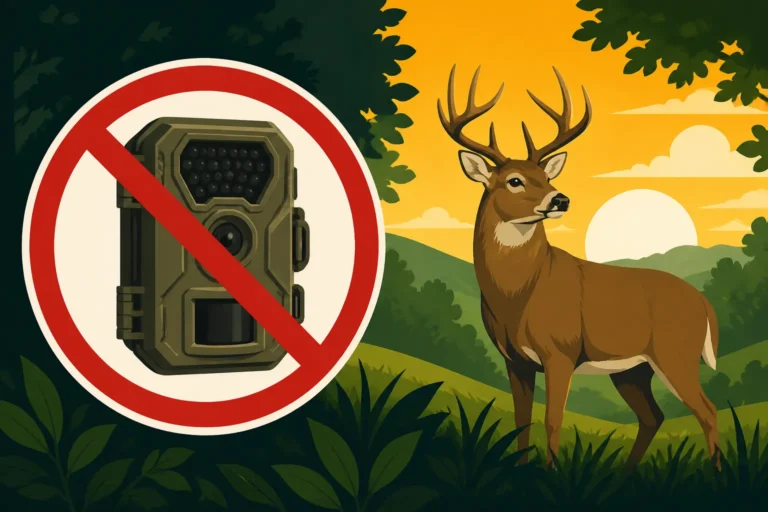
Missouri Managed Deer Hunts at Parks
For many Missouri hunters, the idea of pursuing deer in a state park might seem completely off-limits, a place reserved for hikers, picnickers, and scenic drives. It can be frustrating to see deer numbers explode in these areas, causing ecological damage, yet feel like there's no way for hunters to help manage the population. This guide is here to shed light on a valuable and often overlooked opportunity: Missouri's managed deer hunts specifically within state parks, offering a unique chance to hunt in special areas while contributing to conservation efforts.
Understanding Missouri's Managed Deer Hunt Program
Managed deer hunts in Missouri state parks are a testament to the fact that conservation often requires creative solutions, and sometimes, that means blending recreation with active wildlife management. It’s not your everyday deer season; these hunts are carefully structured events designed to achieve specific goals.
Why Managed Hunts in State Parks?
You might wonder why hunting would even be considered in places that are typically havens for non-hunting recreational activities. The truth is, without natural predators like wolves or mountain lions, deer populations can quickly outgrow their habitat's ability to support them. In many state parks, unchecked deer numbers can lead to what's often called "hyper-browsing," where deer eat so many plants that they decimate native vegetation, impacting other wildlife species, soil health, and even the future growth of trees.
Imagine walking through a beautiful state park in the Ozarks, only to notice that the forest understory is sparse, or that young saplings are constantly nipped back to nubs. This isn't just an aesthetic issue; it's a critical ecological problem. Overpopulation can also lead to smaller, less healthy deer, increased spread of disease, and more deer-vehicle collisions on nearby roads. Managed hunts are a targeted solution, allowing conservation managers to thin herds to healthier levels, restoring balance to these unique ecosystems. It’s about being good stewards of the land, even in our most cherished public spaces.
The Application and Draw Process
Unlike simply buying an over-the-counter permit for the regular deer season, getting into a state park managed hunt requires a bit more planning and, often, a dash of luck. These hunts are highly sought after, and rightfully so—they offer access to areas that might otherwise be completely closed to hunting. The Missouri Department of Conservation (MDC) partners with Missouri State Parks to organize these events, and details are typically released well in advance of the hunting season.
The process usually involves an application period, often in the summer or early fall, where interested hunters can apply online or through specific channels. It’s almost always a lottery or draw system, meaning you submit your application, and then hunters are randomly selected from the pool. It’s not first-come, first-served, which can be a relief but also a source of anxiety as you wait for results. Pay close attention to application deadlines and any specific permit requirements for these hunts. You'll want to check the MDC website frequently, and sometimes specific state park websites will have additional details. Don't assume you can just show up; pre-registration and selection are almost always mandatory. You might even find yourself applying for a Managed Deer Hunt Application Dates if you want to broaden your managed hunt horizons beyond just state parks.
Specific Rules and Regulations for Park Hunts
It's crucial to understand that managed hunts in state parks often come with a distinct set of rules that can differ significantly from statewide regulations. This isn't just bureaucratic red tape; it's about tailoring the hunt to the specific needs and public use patterns of each park.
For example, weapon restrictions are very common. Many park hunts are limited to archery equipment, like a compound bow or crossbow (make sure you understand Crossbow Hunting Under Missouri Rules), or muzzleloaders. This is often done to minimize noise disruption for nearby residents or other park users, and to manage the effective range of hunters in areas that might have tighter boundaries. You might also encounter very specific antler point restrictions, even in a year where statewide APRs have been removed. These might be implemented to achieve specific herd management goals for that particular park. Bag limits might also vary, sometimes offering additional antlerless opportunities to really focus on population reduction.
Beyond the weapon and bag limits, expect rules about hunter orange requirements that could differ from general season rules—for instance, even an archer might be required to wear orange during a managed hunt if there are firearm hunters or other public access concerns. Vehicle access might be extremely limited, making it a true walk-in experience, and there could be strict guidelines on where you can place treestands or ground blinds. Recovery protocols for harvested animals are also often detailed, outlining how and when you can retrieve a deer to minimize disturbance to other park users. Always, always read the specific hunt brochure or rules document for the park you're drawn for, as missteps can lead to disqualification.
Preparing for a Missouri State Park Deer Hunt
Once you've been drawn for a managed hunt in a Missouri State Park, the real work begins. This isn't the kind of hunt you just "wing it" on; success often comes down to meticulous research and preparation.
Researching Available Parks and Hunt Details
This step is absolutely paramount. Each state park has its own unique landscape, deer population dynamics, and specific management objectives, which will be reflected in the hunt rules. Don't assume that what applies to one park's managed hunt will apply to another. Start by thoroughly reading the hunt information provided by MDC and the specific state park. Look for details on allowed weapons, hunt dates, specific boundaries, access points, and any special check-in/check-out procedures.
It's a great idea to use resources like The Missouri Conservation Atlas or online mapping tools such as onX Hunt or GoHunt. These platforms can show you park boundaries, topography, and potential access points, helping you visualize the terrain even before you set foot on it. You can mark potential bedding areas, food sources (like oak flats for acorns, or old fields that might have browse), and travel corridors. Sometimes, you can even find historical data on past hunt results for a given park, which can offer clues about deer density or success rates. Knowing the lay of the land, even virtually, can save you precious hunting time.
Scouting and Familiarization
Nothing beats putting boots on the ground, but for state park hunts, "scouting" often requires a different approach. Many parks have restricted access during certain times, or high public use during others. If pre-season scouting is allowed, seize the opportunity. Visit the park during non-hunting hours or days, taking notes on terrain, vegetation, and deer sign. Look for pinch points, ridge lines that funnel deer, or areas of thick cover that might serve as bedding sanctuaries. Keep an eye out for less-traveled areas, as these are often where mature deer will seek refuge.
It's also crucial to understand the human element. State parks see a lot of visitors, even outside of hunting season. Observe where hikers, mountain bikers, or equestrian users tend to concentrate. Deer in these areas will be conditioned to human presence, but they will also likely avoid high-traffic zones during daylight hours. Your scouting should identify potential entry routes that allow you to get into your hunting area discreetly, minimizing disturbance. Finding Sign in Big Timber or Reading an Ozark Hollow for Deer Movement are valuable skills here, especially if you're venturing into the wilder parts of a state park. Remember, deer might use a specific trail during the middle of the week when no one is around, but completely abandon it on a busy Saturday.
Essential Gear and Safety Considerations
Packing for a state park managed hunt often involves a balance of carrying everything you need for a successful hunt while also acknowledging the potential for encountering non-hunters. Because vehicle access is frequently restricted, you’ll likely be carrying all your gear in. This means focusing on lightweight, efficient setups. Your bow or muzzleloader will be key, so ensure it’s sighted in and ready. For instance, if it's a muzzleloader hunt, familiarize yourself with Muzzleloader Calibers Legal in Missouri.
Consider your layering system, especially if it’s a late-season hunt and temperatures can fluctuate dramatically in Missouri. Rain gear is always a smart choice in the Show-Me State. A reliable backpack to carry essentials like water, snacks, a first-aid kit, and perhaps even game bags is crucial. Because you’re often in a more public setting, high-visibility hunter orange is almost always a requirement, even for archery. Double-check the square inch requirements for Missouri Hunter Orange Rules if the park doesn't specify its own.
Safety is paramount. Beyond typical hunting safety (knowing your target, backstop, etc.), you must be acutely aware of other park users. Always identify your target definitively and be certain of what lies beyond. Be respectful and courteous to hikers, birdwatchers, and other parkgoers you might encounter. Your actions reflect on the entire hunting community, and in a public setting like a state park, good behavior is essential for maintaining these valuable hunting opportunities. A compact, quality first-aid kit should always be with you, especially if you're venturing into more remote sections of the park.
Strategies for Success on a State Park Managed Hunt
Hunting a state park during a managed deer hunt offers unique challenges and opportunities. The deer can be accustomed to human presence, but they are also often subjected to less consistent hunting pressure than private lands or regularly hunted public conservation areas.
Navigating Pressure and Park Specifics
While managed hunts control the number of hunters, there can still be concentrated pressure, especially around obvious access points. The key to success often lies in identifying areas within the park that other hunters might overlook or deem too difficult to access. This might mean walking a little further, navigating denser cover, or finding subtle terrain features that offer seclusion. Using your mapping tools to pinpoint sections of the park that are a mile or more from a parking lot can be a good starting point.
Deer in state parks might not react to human scent or sound in the same way deer on private, unpressured land would. They might be more tolerant of distant chatter or vehicles but will still become nocturnal or seek out thick sanctuaries when direct hunting pressure is applied. Focus on understanding the specific food sources available within the park at the time of your hunt. Is it an acorn crop year? Are there specific browse plants or abandoned agricultural fields? Deer will congregate around the most attractive food sources, especially those near bedding cover. Pay attention to Wind and Thermals in Ozark Hills, as these natural forces often dictate deer movement, particularly in the hilly terrain of many Missouri parks.
Ethical Considerations and Public Perception
Hunting in a state park puts you in a highly visible position as a hunter. Your actions will be observed by other park users, who may or may not understand or approve of hunting. Therefore, adhering to the highest ethical standards is not just a personal choice, but a responsibility that affects the perception of all hunters.
This means scrupulously following all park rules, even the seemingly minor ones. It means being courteous and respectful to every hiker, birdwatcher, or family you encounter. Keep your firearm cased or bow unstrung when traveling through non-hunting areas if required. When you make a harvest, ensure a clean, quick recovery. If you must retrieve a deer in view of others, do so as respectfully and efficiently as possible. Avoid dragging a deer through heavily trafficked areas if there’s an alternative. The goal is to be an ambassador for hunting, demonstrating that hunters are responsible, ethical, and contribute positively to wildlife management.
What to Do After a Successful Harvest
Congratulations, you've successfully navigated the challenges of a state park managed hunt! But the work isn't quite over. Just like any other deer harvest in Missouri, you'll need to follow the proper procedures. First and foremost, you'll need to telecheck your deer. Remember Telechecking a Missouri Deer is a critical step, and the MDC provides options online or by phone. Make sure you have all the required information ready, including your permit number and the location of harvest (usually the county where the park is located).
Many managed hunts also have specific park check-in or check-out procedures, especially if they have an on-site manager. This might involve physically checking your deer in with park staff, allowing them to collect data or verify compliance with specific rules. Be prepared for this, and ensure you understand the process before your hunt begins. When it comes to processing your animal, remember the critical steps for Field Dressing and Cooling in Early-Season Heat or Getting Deer Meat Cooled Quickly, depending on the weather during your hunt. Even in cooler temperatures, proper care ensures quality meat. Finally, be mindful of Missouri Deer Transport Rules, especially if you're traveling a significant distance or crossing county lines after leaving the park. Proper tagging and transport are essential to avoid any legal issues.
| Aspect | Regular Missouri Deer Season | State Park Managed Deer Hunt (Example) |
|---|---|---|
| Permit | Over-the-counter, general permits | Application via lottery/draw, specific to the hunt/park |
| Weapon Restrictions | Varies by portion (firearms, archery, muzzleloader, etc.) | Often more restrictive (e.g., archery-only, muzzleloader-only) |
| Hunter Numbers | High, especially on public land opening weekends | Limited to drawn applicants, more controlled |
| Public Interaction | Primarily with other hunters | High potential for interaction with non-hunting park users |
| Access | Open access on most public lands | Often restricted to walk-in, specific entry/exit points |
| Rules Flexibility | Statewide regulations, some county-specific | Highly specific rules tailored to park management goals |
| Scouting | Generally open, traditional methods | May have restrictions on timing/methods, higher human presence |
| Goal | Personal harvest, population management | Population management, ecosystem restoration, public relations |
| Check-in/Out | Telecheck only | Telecheck + often park-specific check-in/out procedures |
Disclaimer
This article is for general informational purposes only and does not constitute professional advice. Laws, prices and regulations vary by location and change over time. Consult a qualified professional for guidance on your specific situation.