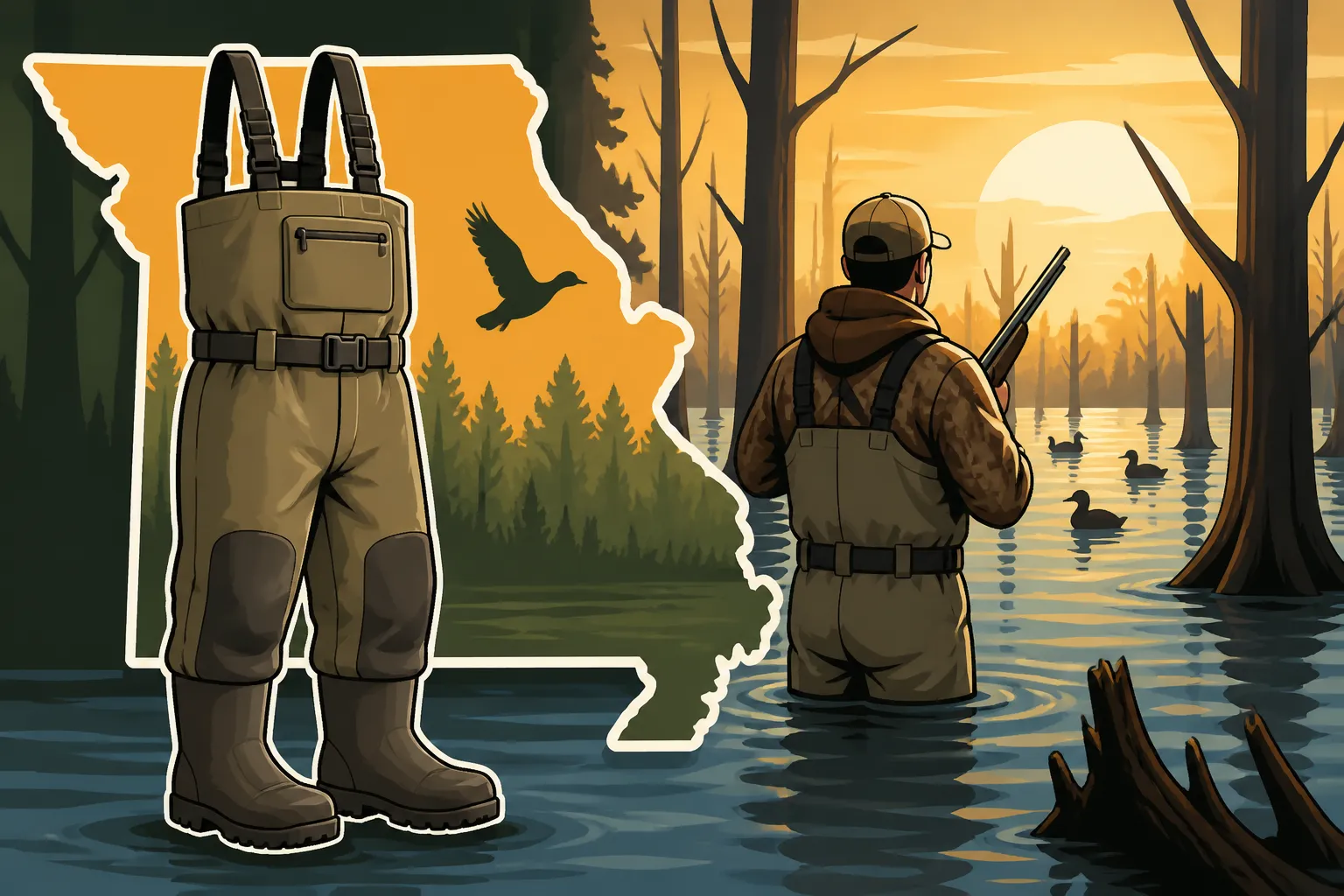
Waders for Missouri Flooded Timber
There’s nothing quite like the experience of duck hunting in Missouri’s flooded timber, the quiet anticipation broken only by the slosh of waders and the distant whistle of wings. But let's be real: that magic can vanish in a hurry if your waders aren't up to the task. Nothing kills a hunt faster than cold, wet feet or a tear in your leg that lets icy water seep in. This guide is all about helping you understand what makes a good pair of flooded timber waders for Missouri, ensuring you stay warm, dry, and focused on the birds, not your discomfort.
The Unique Challenge of Missouri's Flooded Timber
Missouri's flooded timber isn't just a place; it's an experience. From the legendary green tree reservoirs of the southeast to the smaller, wilder creek bottoms in the north, these areas present a distinct set of challenges for waterfowl hunters. It's not just deep water you're contending with; it's often a tangled mess of downed trees, submerged stumps, unseen briar patches, and slick, uneven mud underfoot. All of this demands specialized gear, and your waders are at the very top of that list.
Why Standard Gear Falls Short
Many hunters, especially those new to timber, might think a basic pair of chest waders will do the trick. They quickly learn otherwise. Standard fishing waders, or even lighter hunting waders designed for open fields or shallower marsh, simply aren't built for the abuse and demands of flooded timber. They lack the robust construction needed to shrug off sharp branches and abrasive bark. They might not provide the insulation required for hours of standing in frigid water before the sun even thinks about coming up. It's a common story: a hunter shows up with inadequate gear, spends the first hour shivering, then busts a seam on a submerged log, and the rest of the hunt is pure misery. We've all been there, and it’s a tough lesson to learn when the ducks are pitching in, and you’re trying to ignore your numb toes.
The environment itself is the antagonist here. You're not just walking; you're often pushing through thick undergrowth, stepping over or around large submerged obstacles, and sometimes even breaking ice. That kind of physical exertion combined with extended exposure to cold water demands a wader that can handle the elements and the strain without faltering. The last thing you want is to be worried about a tear or a leak when a flock of mallards is circling your decoys. The unique mix of physical demands and environmental harshness means that a "good enough" wader usually isn't, and often leads to an early, frustrating exit from the woods.
Understanding the Environment: Water Depths and Temperatures
Missouri's flooded timber can surprise you with its varying water depths. One minute you're wading through knee-deep water, the next you're sinking into a chest-deep depression or stepping off into an old ditch. This variability is why chest waders are non-negotiable; waist-high models simply won't cut it. You need the full coverage to account for unexpected drops and the need to retrieve a bird from a deeper pocket of water. Always err on the side of caution with depth, as conditions can change rapidly, especially with heavy rains or managed water levels on conservation areas. Reading Water Levels on a Wetland can be a critical skill here.
Beyond depth, the water temperature is a major factor. Early season hunts might see relatively mild water, but by late November and especially into December or January, those timber holes can be shockingly cold, often just above freezing. Standing or sitting for hours in such conditions without proper insulation will quickly sap your body heat, leading to discomfort and potentially dangerous situations. This isn't just about staying dry; it's about staying warm. Your waders are your first line of defense against hypothermia, making their insulating properties just as crucial as their waterproof integrity. Understanding Missouri Duck Season Dates by Zone will give you an idea of what kind of water temperatures to expect throughout the season.
Key Features That Make or Break a Flooded Timber Wader
When you're slogging through the backwaters of a Missouri green tree reservoir, or walking out to a blind in a hidden slough, your waders are doing heavy lifting. They're taking a beating from brush, insulating you from icy water, and allowing you to move freely. A good pair of waders isn't just waterproof; it's a carefully engineered piece of equipment designed to keep you in the hunt comfortably. Let's dig into what features truly matter when you're facing down flooded timber.
Durability: Navigating Brush and Branches
Durability is, without a doubt, the most important characteristic for flooded timber waders. Think about what your waders go through: pushing through dense thickets of buttonbush, climbing over downed logs covered in sharp bark, wading through areas where unseen stumps and submerged branches lurk just below the surface. A flimsy material will quickly succumb to punctures and tears, turning your hunt into a miserable, cold experience. Look for waders made from heavy-duty fabrics with reinforced knees and seat. These high-wear areas are where most failures occur, so extra layering or tougher material here is a huge advantage.
Many manufacturers use nylon or polyester blends with high denier counts, or specialized materials like those found in Frogg Toggs or Banded offerings, to resist abrasion and punctures. Stitching is another critical point; double-stitched and seam-taped construction vastly improves longevity. While no wader is truly indestructible against every sharp obstacle, investing in a robust, well-constructed pair from a reputable brand significantly reduces the chances of a mid-hunt leak. It’s better to spend a bit more upfront than to be constantly patching or replacing cheap waders. Consider how much punishment your gear will take as you navigate the sometimes treacherous terrain when you’re Finding a Hole in Green Timber.
Insulation and Warmth: Beating the Missouri Chill
As we touched on earlier, staying warm is just as important as staying dry, especially during those colder late-season hunts. Flooded timber hunting often involves long periods of standing or sitting still in icy water, sometimes before dawn. Adequate insulation is paramount. Neoprene waders inherently offer more warmth due to the material itself, but breathable waders can also provide excellent insulation when paired with proper layering. Many breathable waders come with insulated boot-feet, often with Thinsulate or similar materials, and some even feature insulated body sections.
The key is to match the insulation level to the expected temperatures. For early season hunts, less insulation might be fine, but for the heart of Missouri's November Firearms Portion or later into the season, you'll want maximum warmth. Don't forget that insulation works best when you layer properly underneath. Avoid cotton, which loses all insulating properties when wet. Instead, opt for wool or synthetic base layers that wick moisture away from your body and retain warmth even if they get damp. Proper layering, combined with well-insulated waders, creates a system that keeps you comfortable even when the mercury plummets.
Comfort and Mobility: Long Hauls and Decoy Spreads
While durability and warmth are crucial, comfort and mobility can't be overlooked. Flooded timber hunting often means long walks from the truck to your spot, sometimes over uneven ground, carrying decoys, a gun, and your blind bag. Once you're in the water, you'll be setting Decoys for Missouri Green Timber, adjusting calls, and shifting positions. Waders that are too bulky, too stiff, or don't fit well will quickly lead to fatigue and frustration. Look for waders that allow for a full range of motion without feeling restrictive.
Adjustable suspenders and a good belt are key to distributing weight and preventing slippage. The boot-foot fit is also vital; it should be snug enough to prevent sloshing but not so tight that it restricts circulation or causes discomfort. Some waders incorporate articulated knees for easier bending and climbing. While neoprene offers warmth, it can sometimes be bulkier, whereas modern breathable waders tend to be lighter and more flexible, making those long hikes and active decoy spreads less taxing. Remember, the more comfortable you are, the longer you'll stay focused and effective in the field.
| Wader Material | Key Advantages | Key Disadvantages | Best For |
|---|---|---|---|
| Neoprene | Excellent insulation, highly durable, puncture resistant | Can be bulky, less breathable, heavier, can overheat in warmer temps | Colder weather, stationary hunting, rough terrain |
| Breathable | Lightweight, highly flexible, excellent breathability, good for active hunting | Requires layering for warmth, potentially less puncture resistant than heavy neoprene | Active hunting, milder temps (with layering), long hikes |
| Hybrid | Combines best of both (e.g., neoprene lower, breathable upper) | Often more expensive, can still be a bit bulky | Versatile hunter, varied conditions, seeking balance |
Neoprene vs. Breathable: Choosing Your Wader Material
The choice between neoprene and breathable waders is perhaps the most fundamental decision you'll make when buying waders for Missouri's flooded timber. Both have their dedicated fans and their specific strengths and weaknesses. Understanding these differences is key to picking the pair that will serve you best through the various conditions of a Missouri duck season.
The Classic: Neoprene Waders
For decades, neoprene waders were the gold standard for waterfowl hunters, and for good reason. Neoprene is a fantastic insulator, inherently trapping body heat to keep you warm even in the coldest water. If you're planning on hunting late-season when the ice starts to form and the temperatures truly plummet, neoprene is often the top choice for pure warmth. They are also notoriously durable, their thick construction offering excellent resistance to punctures and abrasions from the sharp edges of Hunting Missouri River Sandbars for Ducks or pushing through thick timber. Many traditional duck hunters still swear by them, citing their ruggedness and the peace of mind that comes with their insulating power.
However, neoprene isn't without its drawbacks. The material, while warm, doesn't breathe. This means that if you're doing any significant walking or exerting yourself, you're going to sweat, and that sweat has nowhere to go. Getting sweaty on the walk-in only to cool down rapidly once you stop moving can actually make you colder in the long run. They can also be quite bulky and heavy, making long hikes to remote timber holes more strenuous. For early season hunts, neoprene can be downright hot and uncomfortable. But if you value maximum warmth and durability above all else, especially when you know you'll be sitting still in very cold conditions, neoprene remains a strong contender.
The Modern Marvel: Breathable Waders
In recent years, breathable waders have surged in popularity, offering a compelling alternative to neoprene. Made from multi-layered synthetic fabrics like Gore-Tex or similar proprietary materials, these waders are designed to allow moisture vapor (sweat) to escape while preventing water from getting in. This dramatically improves comfort, especially during strenuous activity or in milder temperatures. If you're someone who likes to cover a lot of ground, Run-and-Gun Turkey Tactics in the Missouri Ozarks (even though this is duck hunting, the analogy for movement applies) or if you sweat easily, breathable waders can be a game-changer. You can hike in, arrive at your spot less drenched in sweat, and then layer up appropriately for warmth once you're settled.
The key to warmth with breathable waders lies entirely in your layering system. They don't provide inherent insulation like neoprene, so you need to wear moisture-wicking base layers and insulating mid-layers underneath. This adaptability is a huge advantage, allowing you to fine-tune your warmth level to the exact conditions. While often lighter and more flexible than neoprene, some hunters perceive them as less durable, though modern breathable waders, especially those with reinforced areas, have come a long way in terms of toughness. Brands like Sitka and Drake offer excellent breathable options that stand up to serious abuse.
Hybrids and Specialized Options
For those who want the best of both worlds, or for very specific hunting scenarios, hybrid waders offer a compromise. These often feature a durable, insulated neoprene boot-foot and lower leg for warmth and toughness where it's most needed, combined with a breathable upper body for comfort and reduced bulk. This design can be ideal for the varied conditions of Missouri's duck season, providing insulation where you're in the water and breathability for your core. These can be a fantastic option for hunters who face a range of temperatures and activity levels throughout the season, or for those who just can't decide between the two main types.
Beyond general hunting waders, there are also highly specialized options, though they may be overkill for most Missouri flooded timber scenarios. Some waders designed for very aggressive terrain might feature even heavier duty materials or integrated armor, but often come with a significant price tag and added bulk. For the typical Missouri duck hunter, focusing on the core choice between neoprene and breathable, perhaps with a hybrid leaning, will cover 99% of your needs. Before making a final decision, consider your personal hunting style, the average temperatures you hunt in, and how much walking you typically do. Remember, even with the best gear, like a strong set of waders, proper Blind Bags and Cold-Weather Gear can make all the difference in keeping you comfortable and effective.
Essential Wader Accessories and Maintenance Tips
Having the right waders is a huge step towards comfortable and successful flooded timber hunting, but they're part of a larger system. A few key accessories can enhance their performance, and knowing how to properly care for them will extend their lifespan, saving you money and hassle in the long run. Even the best pair of waders, if neglected, won't last more than a season or two.
Boot Choice and Traction
The boot-foot of your waders is incredibly important. In flooded timber, you're walking over slick mud, submerged logs, and potentially icy surfaces. Good traction is non-negotiable for safety and stability. Most wader boots come with a cleated or lugged sole, similar to hiking boots. Pay attention to the tread pattern; deeper, more aggressive lugs will offer better grip in muddy conditions. Some hunters even add screw-in studs to their wader boots for extra traction, especially in extremely slippery areas, though you should consider how this might affect walking on drier ground or in your boat.
Beyond traction, consider the insulation within the boot. As mentioned earlier, many waders offer insulated boots (e.g., 800-1600 grams of Thinsulate). This keeps your feet warm, which is critical for comfort. The fit of the boot is also paramount. You want a snug fit that prevents your foot from sliding around, which can cause blisters and fatigue, but not so tight that it cuts off circulation. Always try on waders with the type of sock you'll be wearing during your hunts – typically thick wool or synthetic blends. Don't forget, if you're serious about your gear and scouting, resources like GoHunt can offer gear reviews and insights from other hunters, helping you compare boot-foot options before you buy.
Repair Kits and Field Fixes
No matter how durable your waders are, eventually, they're going to get a pinhole leak or a small tear. It's almost a rite of passage for flooded timber hunters. Having a small wader repair kit with you on every hunt is incredibly wise. These kits usually contain patches, glue, and sometimes seam sealant. A small tear can be patched in the field, often allowing you to finish your hunt dry, rather than having it cut short by an icy trickle. Many hunters even keep a small tube of AquaSeal or similar waterproof adhesive in their Blind Bags and Cold-Weather Gear for emergency fixes.
For small pinhole leaks that might be hard to locate, a common trick is to turn the waders inside out, spray the suspected area with rubbing alcohol, and look for darkening spots, or fill them with air and use soapy water to look for bubbles. Once located, a dab of seam sealant or a small patch can often fix the issue. Being prepared for these inevitable mishaps is part of being a seasoned hunter, ensuring that a minor inconvenience doesn't ruin your day afield.
Proper Care for Longevity
Taking care of your waders isn't glamorous, but it's essential for getting years of service out of them. After each hunt, especially in muddy conditions, rinse your waders thoroughly with clean water. This removes mud, grit, and any organic matter that can degrade the material or clog breathable membranes. Hang them upside down to dry completely, both inside and out. Never store them wet or damp, as this can lead to mildew growth, which not only smells terrible but also damages the fabric and can compromise the waterproof integrity. Avoid storing them in direct sunlight for extended periods, as UV rays can break down materials over time.
For breathable waders, a periodic cleaning with a mild, non-detergent soap can help restore their breathability. Dirt and body oils can clog the pores of the breathable membrane, reducing its effectiveness. Follow the manufacturer's instructions for cleaning and re-treating the outer durable water repellent (DWR) finish, which helps water bead up and roll off. Before the start of each season, give your waders a thorough inspection for any small leaks or weak spots. Addressing these proactively can prevent a miserable surprise in the timber. By following these simple maintenance steps, your waders, whether neoprene or breathable, will be ready to tackle Flooded Timber Duck Hunting in Missouri season after season.
Disclaimer
This article is for general informational purposes only and does not constitute professional advice. Laws, prices and regulations vary by location and change over time. Consult a qualified professional for guidance on your specific situation.