Hunting Missouri Dove Fields in September
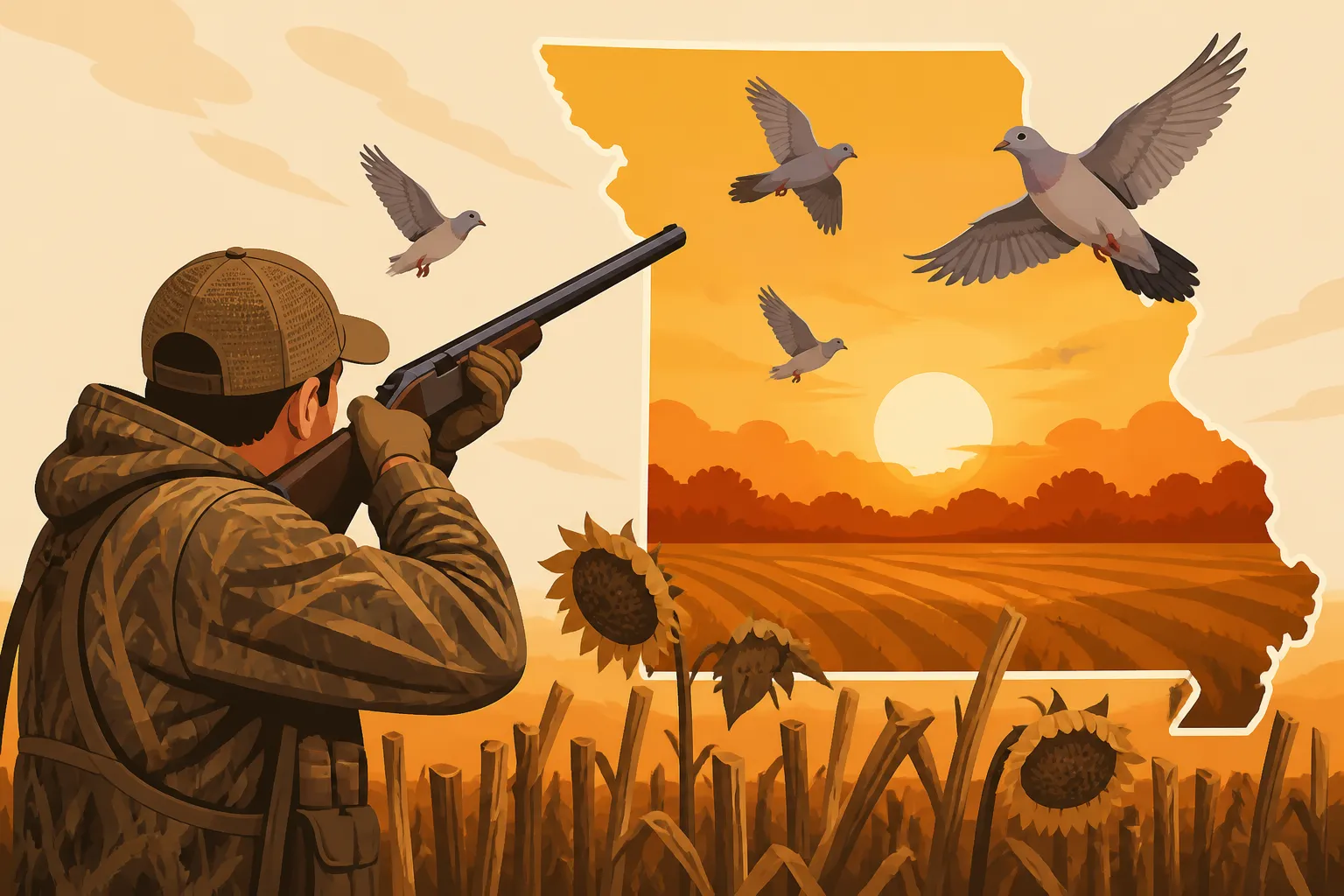
There's a special kind of anticipation that builds when August starts to fade and you know September's just around the corner, bringing with it the start of Missouri's dove season. For many of us, it’s the unofficial kick-off to fall hunting, a chance to shake off the summer rust and get back into the rhythm of the field. But let's be honest, finding those prime dove fields, dealing with the often-sweltering September heat, and navigating crowded public land can be a real headache. This comprehensive guide is designed to cut through the confusion and help you prepare for a successful and enjoyable dove hunt across the Show-Me State.
Understanding Missouri's Dove Season and Regulations
Before you even think about loading up your shotgun, it’s absolutely critical to have a solid grasp of Missouri’s dove hunting regulations. The Missouri Department of Conservation (MDC) sets these rules to manage populations and ensure fair chase, and they can change from year to year. Skipping this step can lead to fines, permit revocations, or worse. Trust me, nobody wants to be the one explaining an infraction to a conservation agent after a long, hot morning in the field.
Key Dates, Bag Limits, and Shooting Hours
Missouri’s mourning dove season typically kicks off on September 1st, running through much of the fall, often with a mid-season break. This early September start is what most hunters focus on, as it coincides with the highest concentrations of local birds before the big migration pushes south. The daily bag limit for mourning doves is usually 15 birds, with a possession limit of 45. That means you can shoot 15 doves in a single day, but you can't have more than 45 doves in your freezer or vehicle at any given time. This is important to remember, especially if you're planning a multi-day hunt or have several hunters contributing to a cooler.
Shooting hours for doves in Missouri generally run from one-half hour before sunrise until sunset. This gives you plenty of time to set up before the first birds start moving and hunt all the way until dusk. However, always double-check the current year's regulations on the MDC website or in their current hunting guide, as these details can sometimes see minor tweaks. It's much better to be safe than sorry and ensure you're compliant with every aspect of the law. You’ll also find detailed information about other migratory birds, like woodcock and snipe, within these same regulations, which can be useful if you plan to hunt multiple species.
Permit Requirements and HIP Registration
To hunt doves in Missouri, you'll need to have the appropriate permits. For most residents, this will mean a Missouri Small Game Hunting Permit, or a Missouri Combination Hunting and Fishing Permit. Non-residents will need a Nonresident Small Game Permit. If you’re a landowner hunting on your own property, you might have some exemptions, but it’s still wise to consult the MDC regulations. Beyond the basic hunting permit, every migratory bird hunter in Missouri, regardless of age, needs to register for the Migratory Bird Harvest Information Program (HIP). This is a federal requirement, and it’s quick, free, and easy to do online or when you purchase your permit.
The HIP registration isn't just a bureaucratic hurdle; it's a vital tool for wildlife managers. The information collected from hunters through this program helps the U.S. Fish and Wildlife Service and state agencies track harvest data, estimate population sizes, and set future seasons and bag limits. If you've ever wondered how they decide on the Missouri Dove Populations and Fall Flights or the Missouri Duck Daily Bag Limit, the data collected through HIP is a major part of it. Without it, conservation efforts for these amazing migratory species would be severely hampered. So, when you’re filling out that HIP survey, know that you’re contributing to the future of hunting.
Nontoxic Shot Rules on Public Land
This is a critical point that can sometimes catch hunters off guard, especially if they primarily hunt private land. While lead shot is generally permissible for dove hunting on private property in Missouri, nontoxic shot is required for all migratory bird hunting on any public land managed by the Missouri Department of Conservation (MDC) or federal agencies like the U.S. Fish and Wildlife Service. This includes many popular dove hunting spots like conservation areas. The rule is in place to protect wildlife from lead poisoning, as doves often feed in the very areas where spent shot falls.
Ignoring this rule can quickly turn a great day into a costly one. Always check the specific area regulations before you head out. Some areas might have additional unique rules, so it’s never a bad idea to glance at the area brochure or sign boards. Using steel shot, bismuth, or other approved nontoxic alternatives is a small adjustment for a much larger conservation benefit. You can find more information about these requirements, including Nontoxic Shot Rules on Missouri Wetlands, in the MDC's migratory bird hunting guide.
Scouting for Productive Dove Fields
Finding a good dove field is probably the single most important factor for a successful hunt. Doves are creatures of habit, gravitating towards certain food sources and flight paths. You can't just show up to any field and expect birds to be pouring in. A little homework and legwork ahead of time can make all the difference between a memorable shoot and a frustrating morning of watching empty skies.
Identifying Prime Dove Habitat and Food Sources
Doves are primarily seed-eaters, and their diet dictates where you'll find them. They absolutely love agricultural fields that have been recently harvested or specifically planted for doves. Think wheat, milo (sorghum), sunflowers, corn, and even some types of millet. After a crop is harvested, the waste grain left on the ground becomes a magnet for doves. Look for fields that have open ground, providing easy access to seeds, and ideally some bare spots for dusting. They also need water sources nearby, as they drink frequently, especially in the heat of early September. Ponds, creeks, or even shallow ditches can draw birds in.
Beyond food and water, doves need roosting and loafing cover. Tall trees or power lines on the edge of a field provide perfect perches for birds to rest, digest, and survey the area before dropping down to feed. A field with a good mix of feeding areas, water, and elevated perches is a recipe for success. Don't overlook fallow fields that have gone to seed with native weeds like ragweed or smartweed – these can be just as productive as farmed fields, sometimes even better because they see less pressure. Learning to identify these key components of dove habitat is your first step to consistent success, and it’s a skill that will serve you well when scouting for other Missouri Small Game and Rabbits too.
Using Digital Tools for Pre-Season Scouting
In today's age, technology is an incredibly powerful scouting tool. Before you even set foot in a field, you can do a ton of research from your couch. Mapping apps and websites like GoHunt, OnX Hunt, or even Google Earth are invaluable. Start by identifying potential public hunting areas, such as Missouri Conservation Areas Explained or other Public Hunting Land in Missouri. These platforms often have layers that show crop types, recent harvest dates (though this might require some local knowledge or calling the area manager), and topography.
Zoom in on these areas and look for those tell-tale signs: sunflower fields (often specifically planted for doves by the MDC, like Sunflower Fields on Missouri Conservation Areas), wheat stubble, or milo fields. You can also identify potential travel corridors, such as treelines, fencerows, or draws that doves might use to fly into and out of a field. Many conservation areas will even post maps online indicating where dove management fields are located. Plotting these potential spots on your map will give you a fantastic starting point for your on-the-ground scouting, saving you countless hours of driving around aimlessly. GoHunt, for example, offers detailed aerial imagery that can help you spot subtle features like dusting bowls or small water sources that might be overlooked otherwise.
On-the-Ground Reconnaissance and Access
Once you've narrowed down your potential spots using digital tools, it’s time for some old-fashioned boots-on-the-ground scouting. Drive or walk these areas a week or two before the season opens, and again a few days before your hunt. Look for actual dove activity: birds flying in and out, dusting in bare spots, or perched on power lines. Pay attention to the specific flight paths they're using, as this will inform your setup on opening day. Remember, the birds won't always use the entire field; they'll often concentrate on a specific corner, edge, or strip.
If you're looking at private land, this is where permission comes in. A polite knock on the door, well in advance of the season, can open up a world of opportunities. Farmers are often happy to grant access to respectful hunters, especially if they've had crop damage or simply want some birds harvested. Always clarify exactly where you can hunt and what rules they have. It’s also crucial to ask about current crop conditions and recent harvest activity. A field that looked perfect on a map might have been tilled under a day before you arrive, so recent intel is key.
Essential Gear and Setup for Dove Hunting
Dove hunting, while physically less demanding than, say, deer hunting the Missouri Ozarks, still requires specific gear to maximize comfort, safety, and success. The early September heat is no joke, and being unprepared can quickly turn a fun outing into a miserable one.
Shotguns, Chokes, and Ammunition Choices
For dove hunting, a 12-gauge or 20-gauge shotgun is typically ideal. Many hunters prefer a semi-automatic or pump-action for quick follow-up shots, as doves are notoriously fast and agile targets. Over/under or side-by-side shotguns work just fine too, but your shot count is limited. Whatever you choose, ensure it fits you well and you're comfortable swinging it. The name of the game is volume of fire and quick recovery.
When it comes to chokes, improved cylinder or modified are generally the most popular choices. Doves are relatively small birds, and you're often engaging them at varied ranges. An improved cylinder provides a wider pattern, great for close-flying birds or if your shooting isn't quite dialed in, while a modified choke offers a bit more range and density. For ammunition, light target loads or field loads are perfect. Look for 7 1/2 or 8 shot size. These smaller pellets create a dense pattern, ideal for doves, and the lighter loads mean less recoil, which is a blessing when you're shooting a lot of shells. Remember, if you're on public land, you'll need Nontoxic Shot Rules on Missouri Wetlands, so choose steel, bismuth, or another approved alternative in the appropriate shot size. While the specific requirements are listed for wetlands, many MDC public areas that manage for doves also require nontoxic shot. For example, if you're out pheasant hunting in North Missouri, you might only need lead on private ground, but it's a different story for doves on a conservation area.
Decoys, Blinds, and Comfort Items for the Field
Decoys can significantly improve your dove hunting success. Doves are social birds, and seeing others on the ground or in the air can draw them into your setup. Simple dove decoys that clip onto fences or branches, or spinning-wing decoys (like Mojo Doves), are incredibly effective. Place them where birds can easily spot them, ideally facing into the wind. A few decoys strategically placed can make all the difference, especially in fields experiencing higher pressure.
A simple blind isn't always necessary for dove hunting, but it can provide crucial concealment, especially if you're hunting in an open field. A portable pop-up blind or even just some natural cover like a fencerow, standing weeds, or a hay bale can break up your outline. Remember that doves have excellent eyesight. Your primary concern should be blending in with your surroundings. Many hunters simply find a comfortable spot to sit and use the natural vegetation as cover. An Upland Vests and Quail Gear often comes with a built-in seat, perfect for a long sit in a dove field.
Don't forget comfort items. A sturdy, comfortable stool or bucket to sit on is a must. Bring a cooler with plenty of water, sports drinks, and snacks. Early September can be brutal, and dehydration can set in quickly. Bug spray is also a non-negotiable for dealing with mosquitoes, ticks, and chiggers. Sunscreen and a wide-brimmed hat are also highly recommended to protect against the Missouri sun.
Staying Cool and Hydrated in September Heat
The biggest challenge for September dove hunting in Missouri isn't usually the birds; it's the weather. Temperatures can easily soar into the 80s or even 90s, with high humidity. This isn't just uncomfortable; it can be dangerous. Prioritize staying cool and hydrated. Start hydrating well before your hunt, and continue to drink fluids throughout the day. Water is essential, but sports drinks that replenish electrolytes are also a good idea.
Wear light-colored, breathable clothing. Long sleeves and pants are recommended to protect against sun and insects, but choose fabrics that wick away moisture. A cooling towel can be a lifesaver draped around your neck. Take frequent breaks in the shade if available. If you're bringing a dog to retrieve birds, be even more vigilant about their heat exposure. Dogs can overheat much faster than humans, and many conservation areas even recommend leaving dogs at home during the hottest parts of the day. Carry extra water for your canine companion and be aware of the signs of heat stress in animals.
Effective Dove Hunting Tactics in Missouri
Once you've got your gear and you're in the right spot, it's time to focus on tactics. Dove hunting isn't just about pointing and shooting; it's about understanding bird behavior, positioning yourself correctly, and making good shots.
Positioning for Flight Lines and Passing Shots
The key to successful dove hunting is positioning yourself along a natural flight line. Doves will use consistent paths when flying from roosting areas to feeding fields, or from feeding fields to water. Observe these patterns during your scouting and set up accordingly. Look for saddles in treelines, gaps in fencerows, or specific corners of a field where birds are consistently entering or exiting. Don't set up directly under a power line where birds are perching; they'll spot you instantly. Instead, position yourself 50-70 yards away, to intercept them as they approach or leave their perches.
When you're in position, practice reading the birds' flight paths. Doves are fast and erratic fliers, capable of sudden changes in direction. Don't rush your shot. Wait for them to commit to a direction, pick a single bird, and swing through it. Over-leading is a common mistake; they're faster than you think. Often, the best shots are passing shots or those when a bird is cupping its wings to land. Try to get ahead of the bird and follow through with your swing. Remember that Rifle Ranges Realistic in Missouri Timber are vastly different from the open spaces you'll be hunting doves in, so practice your open-field shooting.
Decoy Strategies and Calling Techniques
As mentioned earlier, decoys are a game-changer. For ground decoys, place them in open, bare patches within the field where doves would naturally land to feed. Position them facing into the wind, as birds prefer to land facing into the wind. If you're using spinning-wing decoys, elevate them slightly above the stubble so they're visible from a distance. The flash of the spinning wings mimics landing doves and acts as a powerful visual attractant. Often, combining spinning-wing decoys with static ground decoys creates the most realistic spread.
While not as critical as turkey calling, a dove call can sometimes help, especially to get the attention of distant birds or to reassure wary ones. A soft cooing sound can make your setup seem more inviting. Don't overdo it; a few soft calls when birds are approaching are usually sufficient. Combining good decoys with subtle calling can turn a slow morning into a productive one, especially if the birds are a bit skittish from hunting pressure. This is a skill you can hone, much like learning Grunt Calls in Missouri River Bottoms for deer.
Safety, Etiquette, and Retrieving Birds
Safety is paramount in any hunting situation, and dove hunting is no exception. With multiple hunters often in the same field, awareness of your surroundings is crucial. Always know where other hunters are located and establish clear zones of fire. Never shoot at low-flying birds if there's any risk of hitting another person, dog, or even a vehicle. Wear eye protection; stray pellets can ricochet. Also, follow all Missouri Hunter Education and Orange Rules, even if not strictly required for doves in all situations, it's good practice.
Good etiquette on public land is also essential. Be respectful of other hunters. Don't crowd someone else's setup, and if a field is already occupied, find another spot. If you're hunting with a group, maintain safe spacing. After you've shot a bird, make every effort to retrieve it quickly. This is where a good retrieving dog shines, but if you don't have one, mark the fall carefully and walk directly to it. The Missouri Deer Transport Rules emphasize ethical recovery, and the same principle applies to doves. Lost birds are wasted game, and we owe it to the resource to recover every bird we shoot.
Dealing with Post-Harvest Challenges and Meat Care
You've had a great hunt, the cooler's full of birds, but the work isn't over yet. Proper field dressing and meat care are crucial, especially in the warm September weather, to ensure your doves are delicious on the plate.
Field Dressing and Cooling Doves Quickly
Given the often-hot temperatures during September, getting your doves cooled down quickly is incredibly important to prevent spoilage. Unlike bigger game like deer, which might require extensive Field Dressing a Deer in Warm Weather, doves are simple. Most hunters opt for a quick breast-out method right in the field. This means removing the breast meat, which is the primary edible portion, and discarding the rest of the bird. This reduces bulk and allows the meat to cool faster.
Once you’ve breasted them out, immediately place the dove breasts into a cooler filled with ice. Don’t just throw them on top; get them directly on or under the ice. This rapid cooling halts bacterial growth and preserves the quality of the meat. A good practice is to have zip-top bags ready in your cooler. Place a few breasts in each bag, then embed the bags in ice. This keeps them clean while ensuring they get cold quickly. The same principles apply to smaller game like Squirrel and Rabbit Hunting in Missouri if you’re out in warm weather.
Processing and Preparing Dove for the Table
Once you get home, transfer your dove breasts from the ice to the refrigerator. You can rinse them gently under cold water, pat them dry, and then they're ready for your culinary adventures. Dove meat is dark, rich, and lean, similar to the dark meat of a wild turkey or even small venison cuts. It cooks quickly, so be careful not to overcook it, or it can become tough.
There are countless delicious ways to prepare dove. One classic method is to wrap the breasts in bacon, perhaps stuff them with a jalapeño slice and a little cream cheese, and then grill or pan-fry them. They’re also excellent breaded and fried, or even in a quick stir-fry. Because of their small size and delicate flavor, they make fantastic appetizers or additions to salads. Don't let your hard-earned harvest go to waste – experiment with different recipes and enjoy the fruits of your early-season labor. It’s a true taste of Missouri’s wild bounty.
Disclaimer
Hunting is an inherently dangerous activity. Always prioritize safety, follow all local, state, and federal regulations, and obtain proper landowner permission when hunting on private property. The information provided in this guide is for informational purposes only and should not replace official regulations or professional instruction. Always consult the current Missouri Department of Conservation (MDC) hunting regulations before heading afield.