Pheasant Hunting in North Missouri
For many hunters, the thought of chasing pheasants immediately conjures images of the wide-open plains of the Dakotas or Kansas, places where roosters seem to burst from every patch of cover. But if you're a Missouri hunter, or someone just looking to experience the thrill closer to home, you might be wondering if pheasant hunting in North Missouri is even worth the effort. Let me tell you, it absolutely is, though it comes with its own unique challenges and rewards. You won't find endless fields teeming with birds like in some Western states, but with the right knowledge and tactics, you can absolutely enjoy some exciting and productive pheasant hunts right here in the Show-Me State. This guide is all about helping you understand where to go, what to look for, and how to successfully pursue these wily birds in North Missouri.
Understanding Missouri's Pheasant Landscape
Pheasants aren't as widespread in Missouri as, say, our abundant deer or turkey populations. They're definitely a creature of specific habitats, and knowing where those habitats exist is the first crucial step to success. Missouri is on the southern edge of the primary pheasant range, which means populations are more localized and often tied directly to specific agricultural practices and conservation efforts.
Where Pheasants Thrive in North Missouri
When we talk about pheasants in Missouri, we're almost exclusively focusing on the northern tier of the state, particularly the northwest and north-central regions. Counties like Nodaway, Worth, Gentry, Harrison, Daviess, DeKalb, Andrew, Atchison, and Holt in the northwest, and Mercer, Putnam, Schuyler, Adair, Knox, Lewis, and Clark further east, tend to hold the most consistent pheasant populations. These areas are characterized by extensive row-crop agriculture (corn, soybeans) interspersed with crucial pockets of grassland, fencerows, and drainage ditches.
You won't find pheasants in thick timber or the rugged Ozarks; they are birds of the open country. They prefer landscapes where they can find a patchwork of tall grasses for nesting and roosting, dense cover for escape from predators and harsh weather, and waste grain or other seeds for food. This mosaic of habitat is critical. If you're scouting, you'll be looking for areas that combine these elements: think Conservation Reserve Program (CRP) fields, managed grasslands, old field edges that have grown up, and brushy draws cutting through crop fields. It’s exactly these kinds of mixed-use agricultural zones that offer the habitat pheasants need to survive and thrive. A good mapping tool, like the one offered by GoHunt, can be incredibly helpful for identifying these precise habitat features on both public and private land before you ever step foot in the field.
Habitat Characteristics and Food Sources
Pheasants are surprisingly resilient birds, but their survival in Missouri hinges on specific habitat components. They need robust cover that can protect them from predators like coyotes and provide shelter from brutal winter winds and snow. This means looking for areas with switchgrass, big bluestem, and other tall, stiff grasses that stand up to winter weather. Old fields that have gone ungrazed or un-mowed for several years often provide excellent thermal cover.
Beyond cover, food is paramount. Pheasants are primarily grain and seed eaters. They'll readily feed on waste corn and soybeans left in fields after harvest, as well as various weed seeds and insects. This is why you often find them near crop field edges or in standing crop fields that haven't been harvested yet. Drainage ditches and fencerows, though seemingly small, can be critical travel corridors and provide quick cover when birds are moving between feeding and loafing areas. These linear features often collect more diverse vegetation and offer a bit more protection than an exposed field. When you're out there, really pay attention to these transitions – where a cornfield meets a grass buffer, or where a brushy creek bottom cuts through a beanfield. These are prime locations to investigate, as they provide both food and escape cover within close proximity.
Essential Tactics for North Missouri Pheasants
Pheasant hunting in North Missouri isn't usually a sit-and-wait game; it's an active pursuit that often requires a good bit of walking and careful strategy. Whether you're hunting alone or with a group, understanding how to approach cover and utilize the terrain is key to flushing these often-elusive birds.
Working Cover Effectively
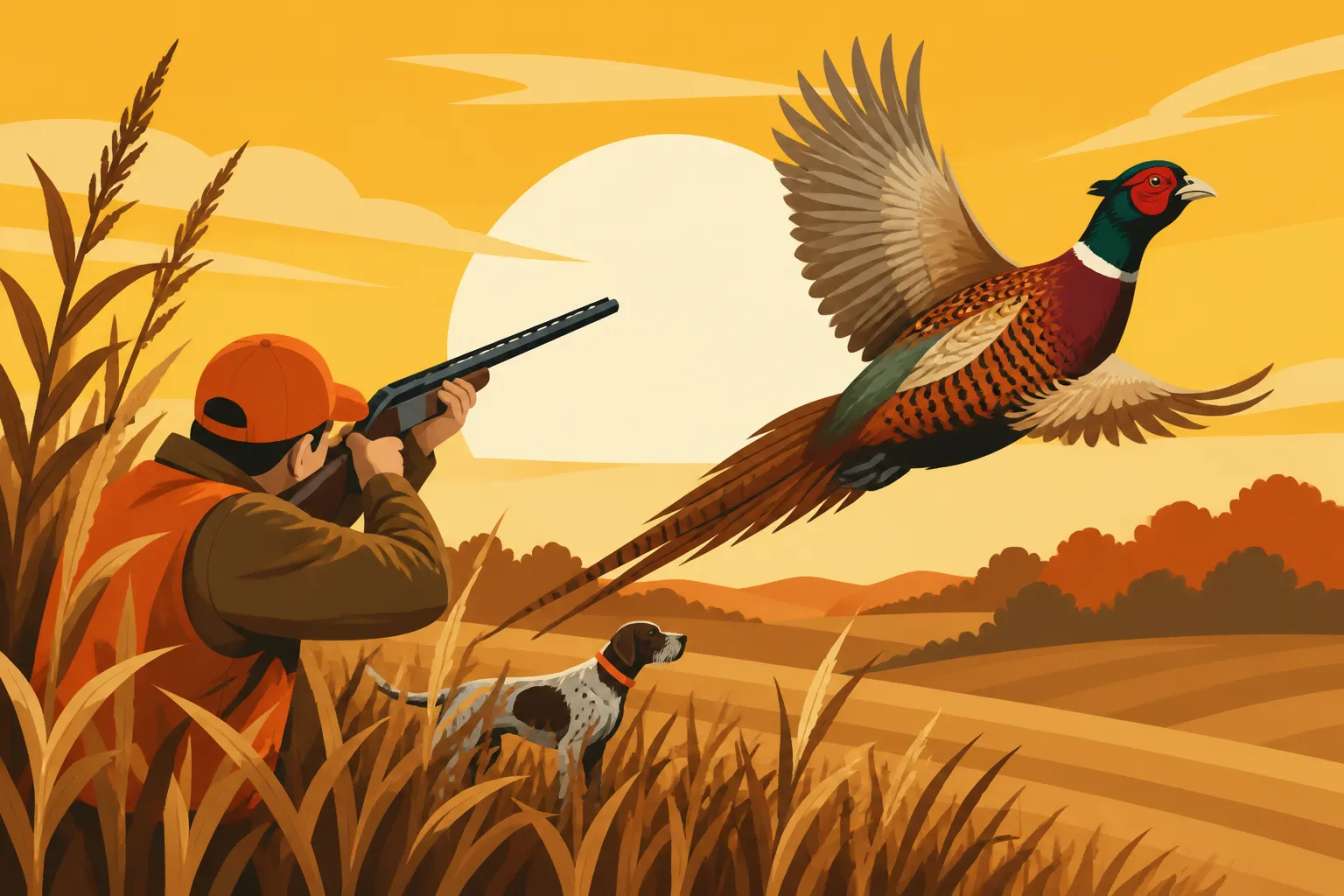
The most common and often most effective tactic for pheasant hunting is simply walking, or "pushing," prime habitat. Pheasants are notorious for running before flying, especially roosters, so a slow, methodical approach is crucial. When hunting alone, focus on smaller, isolated patches of cover, fencerows, or brushy draws. Walk into the wind if possible, as it helps your dog (if you have one) scent birds and carries your scent away from the pheasants. Move in a zig-zag pattern to cover the area thoroughly.
If you're hunting with a group, you can employ more strategic drives. Designate "blockers" or "posters" to position themselves at the end of a cover strip where pheasants are likely to run out, while "pushers" walk through the cover towards them. This works particularly well on long, linear strips of CRP or grass fields. Keep your line even and communicate, moving slowly enough to give the pheasants time to get nervous and hold tight, rather than bolting out the sides. Remember, the goal is to surprise them into flushing within shotgun range. On large areas of public land, you might even consider some strategies that overlap with how you'd approach Deer Drives on Missouri Public Ground, though with different objectives and pace.
The Role of a Good Bird Dog
Let’s be honest: a well-trained bird dog isn't just an asset for pheasant hunting in Missouri; it’s practically a necessity for consistent success. Pheasants are masters of concealment, and even after they're shot, they can disappear into dense cover with uncanny ability. A good dog, whether it’s a pointing breed like a German Shorthaired Pointer or an English Setter, or a flushing and retrieving breed like a Labrador Retriever or Springer Spaniel, can dramatically increase your chances of finding birds and, more importantly, recovering downed game.
Dogs excel at sniffing out birds that are holding tight, flushing them for a shot, and then tracking and retrieving them from tough cover. This is especially true when hunting in heavy cattails or thick switchgrass, where a pheasant can disappear almost instantly. Imagine tracking a wounded bird into dense brambles without a dog – it’s a recipe for frustration and lost game. Before you head out, make sure your dog is in good shape and has plenty of water, especially during warmer early-season days. Even during cooler pheasant season, dogs work hard and can get dehydrated. Consider packing extra water and a bowl, particularly if you're planning a long walk, similar to what you might pack if you were Walking Missouri Quail Country in warmer weather. Proper gear, including a durable collar and perhaps a bell, is also essential.
Reading the Landscape for Roosters
Successful pheasant hunting involves more than just blindly walking through cover; it's about interpreting the landscape and understanding pheasant behavior. Look for natural funnels and pinch points where pheasants are likely to travel. These might be narrow strips of cover between two large fields, or a winding ditch leading to a block of CRP. These are often excellent ambush points.
Weather also plays a significant role. On cold, windy days, pheasants will seek the densest, most protected cover they can find – thick brush piles, deep draws, or the lee side of a timber block. After a fresh snow, look for tracks that might reveal recent movement patterns. During periods of heavy snow, pheasants often concentrate near reliable food sources that are still accessible, such as standing corn. Understanding these patterns and adapting your tactics accordingly will greatly increase your odds of encountering birds. Utilize tools like GoHunt to analyze topography and potential cover patches, helping you identify these key areas before your hunt.
Gear, Regulations, and Success Strategies
Just like any hunting endeavor, being properly equipped and fully understanding the rules is fundamental for a safe and successful pheasant hunt in North Missouri. While pheasants are often a secondary focus for many Missouri hunters, taking the time to prepare correctly will make all the difference.
Recommended Shotguns and Loads
For pheasant hunting, most hunters opt for a 12-gauge or 20-gauge shotgun. Both are perfectly capable of cleanly taking pheasants. The 12-gauge offers a bit more payload and can reach out a little further, which can be an advantage on fast-flushing roosters in open country. The 20-gauge, being lighter, is often preferred for long walks and by smaller-framed hunters.
When it comes to chokes, a modified or improved cylinder choke is generally ideal. Pheasants typically flush within 20-40 yards, and these chokes provide a good pattern density at those ranges. For loads, shot sizes #4, #5, or #6 are excellent choices. Many hunters prefer #4 for its knockdown power on larger roosters, especially later in the season when birds are tougher. It's crucial to remember that if you're hunting on federal lands (like some National Wildlife Refuges) or certain state Conservation Areas, you'll be required to use non-toxic shot, typically steel or bismuth. Always double-check the regulations for your specific hunting area beforehand. Knowing your Best Shotgun Gauge for Missouri Quail is a good start, as many of those principles apply here, too.
Clothing, Boots, and Safety
Pheasant hunting often involves navigating dense, thorny cover, so protective clothing is a must. Invest in a good pair of brush pants or chaps that can withstand briars, multiflora rose, and other prickly vegetation. You'll be doing a lot of walking, so comfortable, supportive, and waterproof boots are essential. Many hunters prefer boots with good ankle support to navigate uneven terrain and minimize fatigue.
Blaze orange is not explicitly required for pheasant hunting outside of certain portions of the deer firearms season, but it is always a smart choice for safety, especially if you're hunting with a group or on public land where other hunters might be present. A blaze orange cap and vest increase your visibility significantly. You can find excellent options for Upland Vests and Quail Gear that work just as well for pheasants, often featuring game bags for carrying your birds and pockets for shells. Additionally, carrying a small first-aid kit, a whistle, and a compass or GPS device is always a good idea, particularly when venturing into unfamiliar or expansive areas.
Navigating Missouri's Pheasant Seasons and Permits
Missouri's pheasant season typically runs from November 1st through January 15th, though it's always critical to consult the most current Missouri Department of Conservation (MDC) regulations handbook for the exact dates and any potential changes. The daily bag limit is usually two male pheasants (roosters), with a possession limit of four. Remember, only male pheasants are legal to harvest in Missouri, identifiable by their colorful plumage and long tail feathers. Hens are protected to ensure breeding populations.
To hunt pheasants, you'll need a valid Missouri Small Game Hunting Permit. Residents and nonresidents alike are required to purchase this permit. You can easily buy permits online through the MDC website, on the MO Hunting app, or from a licensed vendor. Understanding What the Small Game Permit Covers is essential for any upland hunter in the state. Additionally, if you're considering hunting on public land, which is often the best bet for finding pheasant habitat not locked up by private leases, resources like the Missouri Conservation Atlas or detailed mapping applications like GoHunt can pinpoint specific Conservation Areas (CAs) or other public access points that offer pheasant hunting opportunities. Always check the specific regulations for any Conservation Area you plan to hunt, as some CAs might have unique rules or restrictions regarding hunting hours, vehicle access, or shot type.
| Feature / Type | 12 Gauge Shotgun | 20 Gauge Shotgun |
|---|---|---|
| Typical Use | Versatile, heavier hitting | Lighter, easier to carry |
| Effective Range | Good out to 40-50 yards | Good out to 35-45 yards |
| Recoil | Moderate to heavy | Light to moderate |
| Ammunition Cost | Generally more affordable | Slightly higher |
| Choke Preference | Modified / Improved Cylinder | Modified / Improved Cylinder |
| Recommended Shot Size | #4, #5, #6 | #4, #5, #6 |
| Pros | More pellets, more power | Less fatigue on long walks |
| Cons | Heavier, more recoil | Less range, fewer pellets |
When all is said and done, pheasant hunting in North Missouri might not be the volume shooting you see in glossy magazine spreads from other states, but it offers a genuinely rewarding challenge. It's about knowing the land, respecting the bird's cunning, and enjoying the process. A successful hunt, whether it yields one rooster or a limit, is a testament to your preparation and persistence. Just remember, these birds are tough and smart, so good luck, and enjoy your time in the beautiful farm country of North Missouri!
Disclaimer
Please note that hunting regulations, seasons, and permit requirements are subject to change by the Missouri Department of Conservation. Always consult the most current MDC regulations prior to any hunting activity to ensure compliance. This guide is for informational purposes only and should not be considered legal advice.