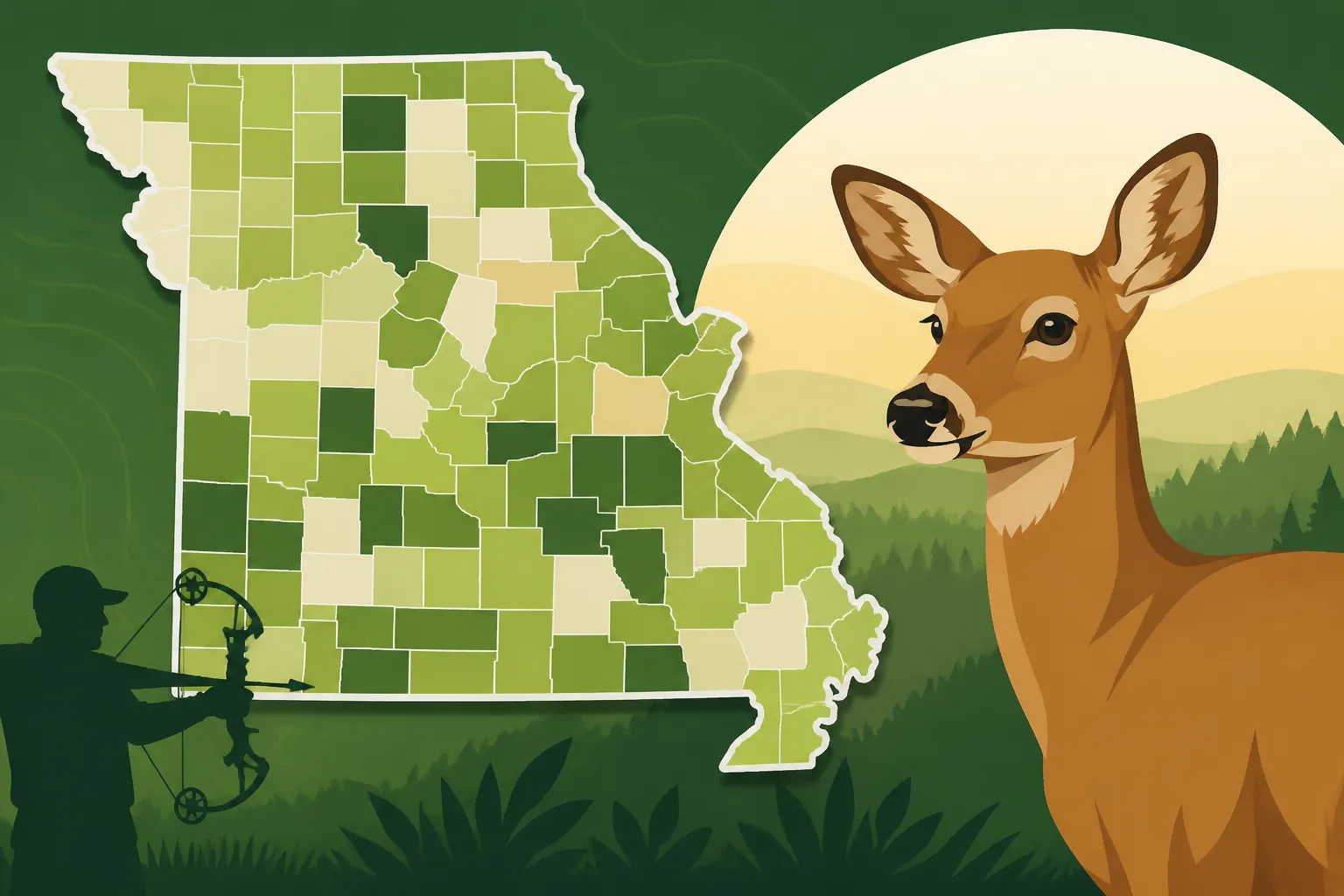
Missouri Antlerless Deer Permits by County
It can feel like a maze trying to figure out all the nuances of deer hunting regulations here in Missouri, especially when you start looking at antlerless deer permits. Many hunters get confused by which counties allow them, how many you can take, and when you can even use these tags. This comprehensive guide will clear up all that confusion, helping you understand the specifics of Missouri's antlerless deer permits by county, so you can hunt confidently and contribute to healthy deer populations.
Understanding Antlerless Permits in Missouri
For many hunters, the primary focus is often on harvesting a big buck, and while that's certainly a thrilling pursuit, antlerless deer permits are arguably one of the most critical tools for managing our state's deer herd. Ignoring them means missing a huge piece of the puzzle that makes Missouri hunting so exceptional.
What Exactly is an Antlerless Deer Permit?
In simple terms, an antlerless deer permit is a specific hunting tag that allows you to harvest a deer without antlers, or one with antlers less than three inches long. This primarily means does, or female deer, but can also include fawn deer of either sex, so long as they don't meet the three-inch antler requirement. It's distinct from your "Any-Deer" permit, which typically allows you to take either an antlered or antlerless deer, depending on the season and specific regulations. Think of it as an additional opportunity to harvest more venison and directly impact the local deer population where you hunt.
Missouri's deer management strategy hinges on these permits, as they provide hunters with the means to selectively harvest the reproductive segment of the herd. Without them, it would be much harder to keep deer numbers in check, leading to a host of other issues we all want to avoid. It’s a vital component of sustainable hunting, ensuring that we have healthy deer populations for generations to come.
The Role of Antlerless Permits in Deer Harvest
The inclusion of antlerless permits significantly expands your potential harvest for the season. Most Missouri hunters receive one or two "Any-Deer" permits (often an Archery Any-Deer permit or a Firearms Any-Deer permit) which allows for the taking of one antlered buck or one antlerless deer, depending on where and when you're hunting. Antlerless permits, however, are specifically designed to allow you to take additional deer beyond those limits, but with the explicit condition that they are antlerless. This means you could potentially fill your buck tag, and then continue to hunt for does to stock your freezer, given your county allows it.
This approach isn't just about giving hunters more opportunities; it’s a carefully calibrated system to manage the herd. By providing these permits, the Missouri Department of Conservation (MDC) empowers hunters to become active participants in maintaining healthy deer densities. Without enough does being harvested each year, deer populations can quickly outgrow their habitat, leading to problems that affect both the deer and the ecosystem. It's a key part of how the MDC achieves its statewide harvest goals and maintains a balanced deer population across different regions of the state.
Why Antlerless Permits Matter for Deer Management
It’s easy to get caught up in the excitement of hunting season, but taking a moment to understand the bigger picture of deer management makes us all better stewards of the land and wildlife. Antlerless permits are more than just extra tags; they are a critical component of a healthy ecosystem.
Population Control and Herd Health
One of the primary reasons for encouraging antlerless harvest is population control. Left unchecked, deer populations can skyrocket, especially in areas with abundant food and minimal predation. When there are too many deer, they start to overbrowse their habitat, consuming all available food sources like young trees, shrubs, and agricultural crops. This overbrowsing leads to significant habitat degradation, making it harder for other wildlife species, and even future generations of deer, to thrive. Think about a farmer’s field that looks like it’s been mowed down by deer, or a timber stand where all the undergrowth is gone up to about five feet – that’s often a sign of an overpopulated deer herd.
Beyond habitat destruction, an overpopulated herd is also a less healthy herd. High densities increase stress on individual animals, making them more susceptible to diseases. Conditions like epizootic hemorrhagic disease (EHD) can spread rapidly through a dense population, and more critically, chronic wasting disease (CWD) poses a serious long-term threat. CWD is a fatal neurological disease that can decimate deer herds, and higher deer densities are directly correlated with increased transmission rates. By strategically reducing doe numbers through antlerless permits, hunters help maintain deer populations at levels that the habitat can sustain, leading to healthier animals with better access to nutrition and a lower risk of disease transmission. This contributes significantly to the overall Missouri Deer Population Estimate and helps prevent widespread issues like Chronic Wasting Disease in Missouri Deer.
Mitigating Crop Damage and Vehicle Collisions
The impacts of an overabundant deer herd aren't confined to the woods; they spill over into our communities and agricultural lands. For Missouri farmers, deer can be a serious nuisance, causing substantial financial losses by feeding on corn, soybeans, alfalfa, and other valuable crops. A large herd can decimate a field overnight, wiping out a season's worth of hard work and investment. Antlerless permits, particularly those issued for counties with high deer densities, provide a direct means for hunters to help landowners mitigate this damage. By harvesting does that contribute to population growth, hunters reduce the overall number of mouths feeding on precious crops.
Beyond agriculture, deer-vehicle collisions are a persistent and dangerous problem on Missouri roadways. Every year, thousands of accidents occur involving deer, resulting in significant property damage, injuries, and sometimes even fatalities. Areas with high deer populations naturally experience more of these collisions. When hunters utilize antlerless permits to help manage local deer numbers, especially near suburban areas or high-traffic roads, they are directly contributing to public safety. It’s a win-win: hunters get venison, farmers see less crop destruction, and our roads become a little safer for everyone.
Navigating County-Specific Antlerless Rules
This is where things can get a little tricky, and it's often the source of most hunters' confusion. Unlike a blanket statewide rule, Missouri's antlerless permit system is highly localized, designed to address the specific needs and deer populations of individual counties. You can't just assume what applies in one county will apply in another.
How Counties Are Designated for Antlerless Harvest
The Missouri Department of Conservation doesn't just pull these numbers out of a hat. Their biologists meticulously collect data from various sources: annual harvest reports, hunter observation surveys, spotlight surveys, and CWD testing results all feed into their decision-making process. This data helps them determine the health and density of deer populations in each county. Based on this, counties are assigned specific antlerless quotas. Historically, Missouri has had different deer management zones—ranging from counties with liberal antlerless opportunities to those with very restricted ones, or even no antlerless harvest at all. While the zones have evolved, the principle remains: where deer populations are high and need to be reduced, more antlerless permits are allocated.
For instance, counties in northern Missouri, which often boast rich agricultural lands and historically higher deer numbers, might have very generous antlerless permit allowances. In contrast, some Ozark counties, with less fertile ground and potentially lower deer densities, might have stricter limits or even prohibit antlerless harvest during certain portions of the season. The MDC’s goal is to ensure a balanced herd across the state, and these county-specific rules are the primary mechanism for achieving that. Understanding How Missouri Antlerless Quotas Are Set really helps demystify the system.
Identifying Your County's Specific Regulations
This is arguably the most crucial step for any hunter planning to take an antlerless deer. You simply cannot rely on anecdotal information or what applied last year. Regulations are dynamic, and they change. The definitive source for current antlerless permit regulations by county is always the official Missouri Department of Conservation (MDC) website or their annual "Summary of Missouri Hunting and Trapping Regulations" booklet. This booklet is available online and at permit vendors across the state.
When you're looking at the regulations, pay close attention to the map and accompanying tables that list each county and its specific antlerless permit allowances. It's often broken down by season (archery, firearms, early/late antlerless portions). For example, a county might allow two antlerless permits during the archery season, but only one during the firearms season, and perhaps additional permits during the dedicated Missouri Early Antlerless Portion Dates or Missouri Late Antlerless Portion Dates. You'll also see which counties allow you to buy extra antlerless tags, often referred to as "bonus" tags. Some hunters find external tools incredibly helpful for quickly referencing this information. Platforms like GoHunt often integrate these regulations into their mapping and information services, allowing you to easily look up specific county rules without having to sift through a lengthy PDF every time. This can be a real time-saver when you're planning hunts in multiple counties or trying to understand Which Counties Allow Extra Antlerless Tags.
Here's an example of how varied these regulations can be, showing a hypothetical snapshot of a few counties:
| County Name | Archery Antlerless Limit (Season) | Firearms Antlerless Limit (Nov. Portion) | Early Antlerless Portion | Late Antlerless Portion | Notes |
|---|---|---|---|---|---|
| Adair | 2 (Archery) | 1 (Firearms Any-Deer) | Up to 2 Extra Antlerless | Up to 2 Extra Antlerless | Part of Northern Zone management; high deer density, agricultural impact. |
| Dent | 1 (Archery) | 0 (Firearms Any-Deer) | Not Allowed | Not Allowed | Ozark Region; lower deer density, focus on antlered harvest, sometimes CWD sampling. |
| Nodaway | 4 (Archery) | 2 (Firearms Any-Deer) | Up to 4 Extra Antlerless | Up to 4 Extra Antlerless | Far Northern Zone; very high deer density, significant agricultural conflicts. |
| Polk | 2 (Archery) | 1 (Firearms Any-Deer) | Up to 1 Extra Antlerless | Up to 1 Extra Antlerless | Southwest Zone; moderate deer density. |
| St. Louis | 2 (Archery) | 1 (Firearms Any-Deer) | Not Allowed | 1 (Urban Antlerless) | Urban Zone; special late season opportunities to control urban deer populations. |
Disclaimer: This table is for illustrative purposes only and does not reflect current or future Missouri hunting regulations. Always consult the official MDC regulations.
Changes in Antlerless Quotas Over Time
It’s crucial to understand that these antlerless regulations are not set in stone. The MDC regularly reviews deer population data, harvest trends, and public feedback to make adjustments. What might be a generous allowance one year could be reduced the next, or vice-versa, depending on the current health and density of the local deer herd. Factors like severe winters, EHD outbreaks, or successful management efforts can all influence these decisions. For instance, if a county experiences a significant EHD die-off, the MDC might temporarily reduce antlerless permits to allow the population to rebound.
This dynamic nature means that as responsible hunters, we must make it a habit to check the most current regulations every single season. Don't assume anything. A quick check of the MDC website or the latest regulations booklet before you head out can prevent confusion or, worse, an accidental violation. Staying informed ensures you're hunting legally and contributing positively to deer management, rather than inadvertently hindering it. The MDC is constantly working to maintain a balance, and sometimes that means making adjustments to rules like those discussed in What Changed in Missouri Deer Rules for 2026.
How to Acquire and Use Your Antlerless Permit
Once you've done your homework and figured out which counties allow antlerless permits and how many you can obtain, the next step is actually acquiring them and understanding the procedures for using them correctly. This process is fairly straightforward but requires attention to detail.
Purchasing Your Antlerless Permit
Acquiring your Missouri antlerless deer permit is quite simple and convenient, thankfully. You have a few options to choose from. The easiest way for many is to purchase them online directly through the Missouri Department of Conservation's website. You can also use the MO Hunting app on your smartphone, which is incredibly handy for buying permits on the go, even from your treestand (though it's usually best to plan ahead!). Finally, if you prefer the traditional route, you can buy them in person at any licensed permit vendor across the state, such as a local sporting goods store or even some gas stations.
Remember that these antlerless permits are typically purchased in addition to your regular hunting permits, like your Resident or Nonresident Firearms Any-Deer permit or your Archery Any-Deer permit. They add to your bag limit, allowing you to take more deer. So, if you're a resident planning to hunt during the firearms portion, you might buy your regular Firearms Any-Deer permit, and then also purchase one or more Antlerless Deer Permits for the specific county you intend to hunt, assuming that county allows it. It’s always good to be clear on Missouri Deer Permits and How to Buy One before you head out. Be aware of the cost differences between Missouri Firearms Deer Permit Types and Missouri Archery Deer Permits and Tags as well.
Telecheck Requirements and Proper Tagging
Congratulations, you've harvested an antlerless deer! Now comes the critical part: proper tagging and telechecking. This isn't just a formality; it's a legal requirement and an essential component of the MDC's data collection for managing the deer herd. As soon as you recover your deer, and before moving it from the place of recovery, you must immediately notch your permit. This involves notching the month and day of harvest on the permit. The rules are clear: "immediately" means right there, on the spot. Don't wait until you get back to the truck or camp.
After your permit is notched, the next step is to Telecheck your harvest. This must be done by 10 p.m. on the day of harvest. You can Telecheck online via the MDC website, through the MO Hunting app, or by calling the toll-free Telecheck number. During the Telecheck process, you'll be asked for information such as your permit number, the county of harvest, and whether the deer was antlered or antlerless. Once successfully completed, you'll receive a confirmation number that you must write on your permit. This number acts as proof of legal harvest. Failing to Telecheck by the deadline can result in fines and penalties, so it's a step you absolutely cannot skip. Understanding the full Telecheck Requirements After a Harvest and knowing Telechecking a Missouri Deer and The Missouri Telecheck Deadline is paramount for every hunter.
Key Considerations for Antlerless Hunting Success
Hunting antlerless deer might seem less glamorous than chasing a trophy buck, but it's an incredibly rewarding experience that provides delicious venison and contributes directly to conservation. To be successful, it helps to approach it with a specific mindset and strategy.
Choosing Where to Hunt Antlerless Deer
When you’re specifically targeting does, your focus should shift slightly from looking for buck sign to concentrating on areas where deer feed, bed, and travel daily. Does, especially mature does, are the matriarchs of the herd, and their movements often dictate the patterns of younger deer. Look for prime food sources like active crop fields (soybeans, corn, alfalfa), white oak stands dropping acorns, or managed food plots. The edges of these fields, especially where they meet thick cover, are excellent spots for an evening sit.
Consider areas with dense cover that provide sanctuary, such as cedar thickets, brushy draws, or areas of regenerating timber. Does will often bed in these places during the day, emerging in the late afternoon to feed. Public lands, especially Missouri Conservation Areas Explained, can offer fantastic antlerless opportunities if you're willing to walk a bit further to get away from pressure. For private land, understanding the landowner's specific goals (e.g., reducing crop damage) can guide your hunting strategy. Tools like GoHunt can also help you identify habitat features and potential pressure points on various tracts, allowing you to pinpoint promising locations for does.
Tactics for Targeting Does
Compared to a mature buck, does can sometimes be a little less cautious, especially younger ones, but don't underestimate their keen senses. Still, your tactics can be adapted to increase your odds. Stand hunting near established food sources or along well-used travel corridors between bedding and feeding areas is highly effective. Does are creatures of habit, and once you identify a consistent pattern, you can often capitalize on it. Setting up a ground blind or a treestand overlooking a field edge or a natural funnel is a classic tactic for filling antlerless tags.
Small, quiet drives can also be very effective, especially on private land or less pressured public land. A couple of hunters walking slowly through a thicket, pushing deer towards another hunter positioned strategically on a travel route, can be a great way to harvest a doe or two. Remember that during the primary deer seasons, you're not just targeting does; you're often encountering them as part of the broader deer movement. As hunters, we're presented with opportunities for Hunting Missouri's Early Antlerless Days which can be a prime time to fill a tag.
Late Season Opportunities
Don't overlook the late season for antlerless deer. Missouri offers a dedicated Missouri Late Antlerless Portion Dates (often in December) which provides an excellent opportunity to fill those extra tags, especially if you haven't done so during the earlier parts of the season. By this time, many leaves are down, making visibility better, and deer are often highly concentrated around persistent food sources. Remaining crop fields, browse in thickets, or late-dropping acorns can be magnets for deer trying to pack on calories for winter.
The colder weather of the late season means deer are even more driven by hunger, making food sources even more critical to locate. They'll also be seeking thermal cover to escape the elements. Focus on sunny slopes with thick cedar or south-facing timber edges. Be prepared for the elements yourself – layering up and investing in good insulated gear is essential for Cold Weather Sitting Strategy. Hunting later in the season also often means less hunting pressure, as many hunters have already filled their tags or moved on to other pursuits, giving you a quieter, more focused hunting experience.
Disclaimer
Please be aware that hunting regulations are subject to change. Always consult the official Missouri Department of Conservation (MDC) website or the latest printed hunting regulations booklet for the most current and accurate information before planning your hunt. The information provided here is for general guidance and educational purposes only.