Missouri Elk Permit Cost
Navigating the world of hunting permits can feel like trying to solve a puzzle with half the pieces missing, especially when you're dreaming of a majestic animal like an elk. For many Missouri hunters, the possibility of drawing an elk tag feels like a lottery win, and understanding the financial commitment involved is often the first step. This guide aims to demystify the Missouri elk permit cost, detailing not just the direct fees but also the broader implications for those hoping to chase an Ozark bull.
Understanding the Missouri Elk Permit Costs and Application
The Missouri Department of Conservation (MDC) has brought elk back to the state, and with their return comes a unique hunting opportunity. However, unlike deer or turkey permits, the path to hunting an elk in Missouri is exclusive and comes with its own set of financial and eligibility rules that are crucial to understand.
The Application Fee: Your Entry into the Lottery
Let's get straight to the point: the actual elk permit itself is free for those fortunate enough to be drawn. Yes, you read that right – if your name is pulled in the annual lottery, you won't pay a penny for the permit document. This is a fantastic benefit for Missouri residents, reflecting the MDC's commitment to offering this opportunity to its citizens as part of the elk restoration project.
However, there is a small but significant hurdle to clear first: a non-refundable application fee. For resident hunters eager to throw their hat in the ring, this fee currently stands at $10. It might seem like a small sum, but it's important to remember that this fee is simply for the chance to be drawn, not a guarantee of a tag. Many hunters, myself included, have spent years putting in for various draws across the country, knowing that each application fee is essentially the cost of a dream.
It's absolutely critical to highlight that Missouri's elk hunt is resident-only. If you're an out-of-state hunter hoping to experience an Ozark elk hunt, unfortunately, Missouri does not currently offer elk permits to non-residents. This is a common question, and it's best to be clear from the start. For detailed information on this, you might find it helpful to read up on why the state only allows its own citizens to apply, which you can often find explained in articles like "Can Nonresidents Hunt Missouri Elk?". This resident-only focus is a testament to the local investment and effort in bringing these magnificent animals back to the state's landscape. Make sure you're aware of the specific "Missouri Elk Application Dates" each year, as missing that window means missing your shot for another year.
What the Permit Covers (If You're Drawn!)
So, you've paid your $10, applied, and against all odds, your name was drawn! Congratulations! Now, what exactly does this coveted permit allow you to do? The Missouri elk permit, once successfully drawn, entitles the hunter to harvest one antlered elk. This is a specific and highly regulated hunt designed to manage the growing elk population responsibly while providing a once-in-a-lifetime experience.
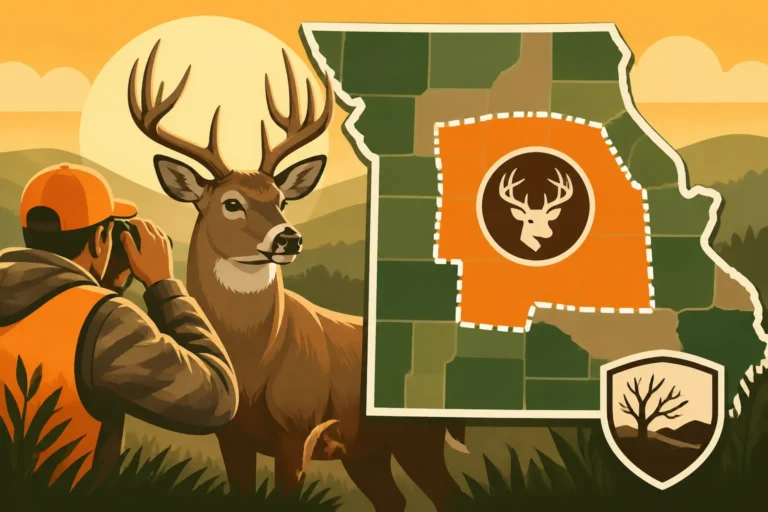
The permit will specify the hunting zone and season dates during which you can pursue your elk. Typically, these hunts occur in the fall, within specific areas of the Ozarks where the primary elk herd resides. Understanding where these majestic animals roam is key, and articles detailing "Missouri Elk Hunting Counties" can provide valuable insights. Likewise, knowing the exact "Missouri Elk Season Dates" is paramount for planning.
While the MDC provides comprehensive information, including maps and regulations, serious hunters often like to cross-reference or dive deeper into herd dynamics. Platforms like GoHunt are excellent resources for understanding draw odds, herd health, and permit structures in other states. While Missouri's draw data might be more limited due to the hunt's newness and rarity, a tool like GoHunt can help you appreciate the broader context of elk management and hunting across the country, giving you a better perspective on the opportunity Missouri offers.
The Missouri Elk Lottery: Who Can Apply and What It Entails
The elk lottery in Missouri isn't just a random drawing; it's a carefully managed process designed to give resident hunters a fair shot at participating in a truly special conservation success story. The rules and structure are in place to ensure both a quality hunting experience and the continued health of the elk herd.
Resident-Only: A Unique Opportunity
As mentioned, Missouri's elk hunt is a strictly resident-only affair. This means that to even be eligible to apply for an elk permit, you must meet the state's residency requirements. This decision was made to prioritize Missouri citizens who, through their conservation dollars and support, played a significant role in the reintroduction and management of the elk herd. This commitment is deeply rooted in the state's conservation philosophy. To delve deeper into the reasons behind this, exploring articles such as "Missouri's Resident-Only Elk Lottery" can offer great context. It’s also important to verify your status, so be sure you understand what constitutes a "Missouri Resident Definition for Permits" before you apply. This isn't just about having a Missouri driver's license; it often involves specific timeframes of continuous residency.
The reintroduction of elk to Missouri began with animals from Kentucky, and the herd has slowly but steadily grown, primarily in the southeastern Ozarks. This resident-only approach fosters a sense of stewardship and appreciation among the local hunting community for this incredible wildlife restoration project. It’s a way of giving back to the residents who have supported conservation efforts over the years.
Understanding the Odds and Draw Process
Winning a Missouri elk permit is tough – there's no sugarcoating it. The number of permits issued each year is extremely limited, often only a handful, sometimes single digits. This scarcity is by design, ensuring that the hunt remains sustainable and doesn't negatively impact the still-growing elk population. The MDC determines the exact number of permits based on herd surveys, health assessments, and management goals. For precise details on how this process works, understanding the "Missouri Elk Permit Lottery Rules" is essential.
Each year, thousands of eager Missouri residents apply, all vying for those few coveted tags. This makes the draw odds incredibly low, often less than 1%. It's a true long shot, which is why when someone actually draws a tag, it's a cause for major celebration within the hunting community. For more perspective on the numbers, an article discussing "How Many Missouri Elk Permits Are Issued" can give you a concrete idea of the scale of the lottery.
While Missouri's elk lottery system is relatively straightforward, if you're someone who loves to pore over statistics and optimize your chances, resources like GoHunt provide invaluable data analytics for draws in other states. Although Missouri's specific draw data might not be as extensive given the hunt's recent establishment, familiarizing yourself with how draw odds work and strategies for maximizing points (where applicable, though Missouri doesn't have a point system for elk) can be incredibly insightful for any big game hunter. It helps to set realistic expectations and appreciate the true rarity of a Missouri elk tag.
Beyond the Permit: Essential Considerations for a Missouri Elk Hunt
While the $10 application fee and the free permit (if drawn) make the direct cost of obtaining a Missouri elk tag remarkably low, the actual cost of hunting an elk is a completely different story. Drawing a permit is just the first step in what will likely be a significant investment of time, effort, and indeed, money.
Hidden Costs and Planning Your Expedition
An elk hunt, especially in the rugged terrain where Missouri's elk reside, is not a budget affair even if your permit is free. You'll need to consider a range of expenses that quickly add up:
- Travel and Lodging: Missouri's elk country is concentrated in remote areas of the Ozarks. Getting there will involve fuel costs, and unless you're lucky enough to live nearby, you'll need accommodations. This could mean camping in a national forest, staying in a local motel, or renting a cabin. These costs can easily run into hundreds, if not thousands, of dollars depending on the length of your trip and your comfort level.
- Specialized Gear: Elk are big animals, and hunting them in the Ozarks requires robust gear. You'll need durable boots capable of handling steep, rocky terrain, quality optics to glass vast areas, and potentially larger caliber firearms and ammunition suitable for elk. Don't forget a sturdy pack to carry supplies and, hopefully, meat. While you might already own some of this gear for deer hunting, an elk hunt often pushes the limits of standard whitetail equipment.
- Meat Processing and Transport: If you're successful, you'll have hundreds of pounds of meat to process and transport. This could involve professional butchering services, or a significant investment in coolers and ice if you plan to do it yourself. Getting a full elk out of the remote Ozark hollows is a monumental task, often requiring multiple trips, a game cart, or even pack animals.
- Scouting Expenses: Even before the season opens, extensive scouting is crucial. This means more fuel, more time off work, and potentially more gear like trail cameras.
For hunters who love to meticulously plan every detail, using platforms like GoHunt to research various big game units can be inspiring. While Missouri's specific elk units might not have the same level of detailed analytics as, say, a Colorado or Arizona unit, the principles of scouting, understanding terrain, and preparing for a physically demanding hunt are universal. These tools can help you think through the logistics, even for an in-state hunt.
Time Commitment and Scouting
Perhaps the biggest "cost" of a Missouri elk hunt, beyond the application fee, is the incredible time commitment required. This isn't a quick deer hunt from a familiar treestand. Elk live in vast, rugged landscapes, and finding them requires dedication.
- Pre-Season Scouting: Successful elk hunters often spend weeks, if not months, in the woods before the season even opens. This means driving, hiking, glassing, and learning the land. Understanding elk patterns, bedding areas, and feeding grounds in your assigned zone is paramount. The Ozarks are incredibly beautiful but can be unforgiving, so knowing the terrain intimately is a huge advantage.
- During the Season: Once the season starts, you need to be prepared to spend multiple days in the field, often from dawn until dusk. This means taking significant time off work, potentially using up vacation days, and dedicating yourself entirely to the hunt.
- The Follow-Up: If you harvest an elk, the work truly begins. Field dressing, quartering, and packing out hundreds of pounds of meat can take a full day or more, depending on your location and help available. This is a physical and mental marathon.
The rarity of drawing a tag means that if you're successful, you'll want to give it your absolute best effort. The opportunity is so unique that many hunters plan their entire year around it. It's also worth noting the "Missouri Elk Lottery Sit-Out Period" if you're drawn and successful; this means you won't be able to apply again for a certain number of years, making that single hunt even more precious.
Here's a quick comparison of eligibility and costs for Missouri's elk lottery:
| Category | Missouri Resident | Non-Resident |
|---|---|---|
| Application Eligibility | Yes | No |
| Application Fee | $10 (Non-refundable) | N/A (Cannot apply) |
| Permit Cost (If Drawn) | Free | N/A (Cannot be drawn) |
| Number of Permits | Extremely Limited (e.g., < 10 annually) | N/A (No permits for non-residents) |
| Hunting Opportunity | One Antlered Elk | N/A (No hunt available) |
| Sit-Out Period | Yes, if successful | N/A |
Disclaimer
The information provided in this guide is for general informational purposes only and is subject to change. Hunting regulations, permit costs, and season dates are set by the Missouri Department of Conservation (MDC) and can be modified annually. Always consult the official MDC website or their current hunting regulations handbook for the most accurate and up-to-date information before applying for any permits or heading afield.