Missouri Elk Permit Application Fee
Okay, let's talk about the Missouri elk hunt – it's something many of us dream about, a true bucket list item for any Show-Me State hunter. The chance to pursue North America's largest deer species right here in Missouri is a relatively new and exciting opportunity, but wading through the application process can feel a bit daunting, especially when you're looking at various fees and rules. This guide is all about demystifying one specific piece of that puzzle: the Missouri elk permit application fee, helping you understand what it is, why it's there, and how it fits into your elk hunting aspirations.
Understanding the Missouri Elk Permit Application Process
When the Missouri Department of Conservation (MDC) announced the return of wild elk to the Ozarks, it sent ripples of excitement through the hunting community. For decades, it was just a dream, something we'd travel out West for. Now, a limited number of permits are available each year through a highly competitive lottery drawing, offering residents a chance to hunt these magnificent animals in their restored habitat. It's a truly special opportunity, and naturally, a lot of folks want in on it.
The application process itself is pretty straightforward, but it's crucial to understand each step. Unlike some permits you can just walk into a store and buy, the elk permit is a lottery system. This means you’re essentially entering your name into a hat, hoping to be one of the lucky few drawn. This system is designed to manage harvest numbers carefully, ensuring the young herd continues to grow and thrive in its designated range. Because the numbers are so low and the demand is so high, it makes sense that there’s a structured process to ensure fairness and proper management. You can learn more about the specific process and what's involved in the "Missouri Elk Permit Lottery Rules" post.
The Resident-Only Opportunity
It's really important to highlight that Missouri's elk hunting opportunity is currently reserved exclusively for residents. This is a common point of confusion or frustration for non-resident hunters who might be used to applying for similar lottery draws in other states. However, the MDC has a clear stance on this: the reintroduction and management efforts for the elk herd have been largely funded and supported by Missouri conservation dollars, and therefore, the hunting opportunity is prioritized for the state's residents. This focus ensures that the local community, which has directly contributed to the elk's comeback, gets the first and only crack at these coveted tags. If you're wondering about other big game opportunities for those outside the state, our article on "Can Nonresidents Hunt Missouri Elk?" dives deeper into why this rule is in place.
Key Application Dates and Deadlines
One of the biggest hurdles for any lottery-based hunt is simply remembering to apply within the proper window. Life gets busy, and it's easy for deadlines to slip past, leaving you kicking yourself for another year. For the Missouri elk permit, the application period typically opens in May and runs through July, with the actual drawing usually taking place shortly after the application window closes. These dates are firm, so missing them means waiting another year for the opportunity. Many seasoned hunters, myself included, rely on calendar reminders or services like GoHunt to keep track of these crucial dates across multiple states. It’s a small detail, but a missed deadline is a guaranteed way to not get an elk tag. Stay informed about the precise timing by checking out "Missouri Elk Application Dates".
Breaking Down the Elk Permit Application Fee
Alright, let's get down to the brass tacks: the actual fee. When you apply for a Missouri elk permit, you'll encounter a small, non-refundable application fee. Now, I know what some of you are thinking – "Another fee? Why do I have to pay just to apply?" It's a fair question, and one that often causes a bit of grumbling, especially if you're someone who applies year after year without drawing a tag.
What the Fee Is and What It Isn't
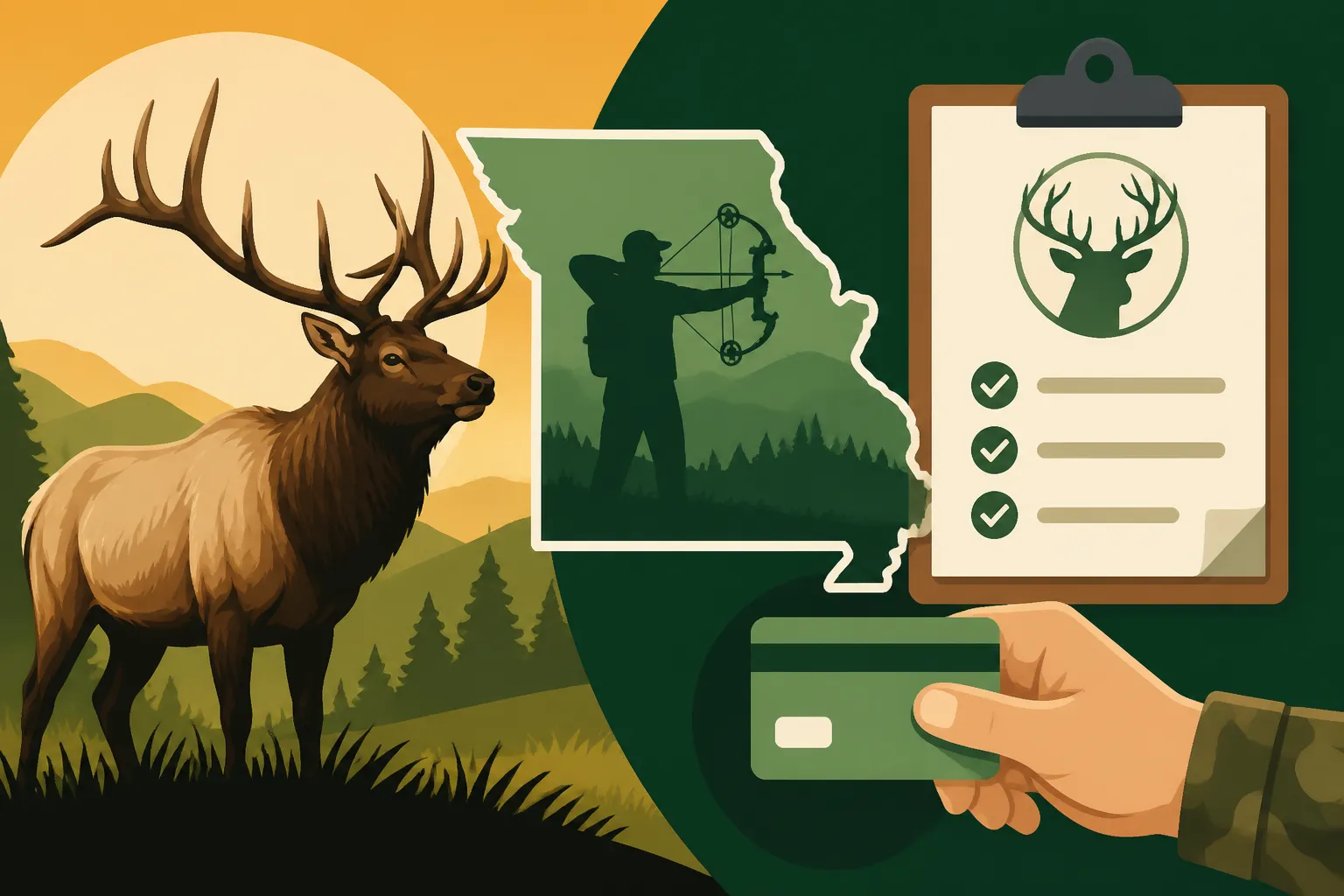
The Missouri elk permit application fee is a nominal charge, typically around $10 as of recent seasons. This isn't the cost of the actual elk permit itself – that's a much larger sum you'll only pay if you are successfully drawn. Think of this application fee as a processing charge. It covers the administrative costs associated with running a complex lottery system: managing the online application portal, processing thousands of entries, conducting the draw, notifying applicants, and maintaining the infrastructure required for such a program.
It's not a guarantee of a permit, nor is it a contribution towards the cost of the permit itself. It simply allows your name to be entered into the drawing. The good news is that this fee is usually quite low compared to many other state lottery application fees, making it an accessible opportunity for most resident hunters to throw their hat in the ring.
Why a Non-Refundable Fee?
The "non-refundable" aspect is often where the frustration really kicks in. You pay your $10, don't get drawn, and that money is just… gone. While it can feel like a loss, especially over several years, this is standard practice for lottery applications across the country. The administrative work involved in processing your application happens whether you're drawn or not. The MDC has to allocate resources to manage that system regardless of the outcome for an individual applicant. If they had to refund fees to every unsuccessful applicant, the administrative burden and costs would skyrocket, likely leading to a much higher initial application fee to cover those expenses, or perhaps even making the lottery financially unsustainable. It's a small but necessary contribution to the overall management of the elk program.
Moreover, these fees, combined with the larger permit fees from drawn hunters, contribute directly to the "Elk in the Missouri Ozarks" management efforts. This includes habitat improvements, monitoring the herd's health and growth, conducting research, and enforcing regulations. So, while it feels like you're just paying to apply, you're also playing a small part in the bigger picture of conservation.
Eligibility and Requirements Beyond the Fee
Just paying the application fee isn't enough to get your name into the elk lottery. There are several other crucial requirements you need to meet to be eligible for a Missouri elk permit. Missing any of these means your application, despite the fee, won't be considered.
Age and Hunter Education
First and foremost, you need to meet the age requirements. While there isn't a minimum age to apply for the permit, anyone who is drawn and intends to hunt must meet Missouri's hunter education requirements. If you're born on or after January 1, 1967, you generally need to complete a hunter education course unless you're hunting under the apprentice hunter authorization. For youth hunters, there are specific "Missouri Youth Deer Permits" and opportunities, and similar considerations apply to elk. This is about ensuring safety and responsible hunting practices in the field, which is paramount when dealing with large game animals like elk.
Landowner Privileges and Restrictions
Missouri also offers landowner permits for some species, and there are specific considerations for elk. However, for the general elk lottery, the application process is open to all qualified residents, regardless of land ownership. There's a separate "Missouri Landowner Elk Permits" category with its own unique set of rules and application process. It's vital not to confuse the general lottery with these specific landowner opportunities, as the requirements and permit types are distinct. Make sure you understand which category you fall into before applying to avoid any wasted fees or disappointment.
Sit-Out Periods and Drawing History
Another important factor is the "sit-out period." If you are lucky enough to draw a Missouri elk permit and successfully harvest an elk, you're typically subject to a sit-out period, meaning you cannot apply again for a certain number of years. This rule ensures that more resident hunters get a chance to experience the thrill of an elk hunt. The goal isn't for a few individuals to repeatedly harvest elk, but rather to spread the unique opportunity around. This is a common mechanism in managed draws for rare tags, and it's something many applicants appreciate for its fairness. For more information, check out the article on the "Missouri Elk Lottery Sit-Out Period".
Maximizing Your Odds and Next Steps After Applying
Let's be realistic: the odds of drawing a Missouri elk permit are incredibly slim, especially with the limited number of tags issued each year. Don't let that discourage you, though! It's still worth applying, because you can't win if you don't play. However, understanding the odds and having a plan for after you apply can help manage expectations and keep the dream alive.
Understanding Your Chances
The number of permits issued for the Missouri elk hunt is very low – typically just a handful each year. This means thousands of applicants are vying for a very small number of tags. Many applicants use resources like GoHunt to track historical draw odds and analyze application trends. While it won't guarantee you a tag, understanding these numbers can help you appreciate the rarity of the opportunity and the importance of applying consistently. Don't forget, "How Many Missouri Elk Permits Are Issued" is a great resource to get the latest figures.
| Aspect | Detail |
|---|---|
| Application Fee | ~$10 (non-refundable) |
| Permit Cost (if drawn) | ~$50 (for residents, as of recent seasons) |
| Eligibility | Missouri Resident, Hunter Education (if born after 1/1/1967) |
| Application Period | Typically May – July |
| Permit Type | Bull or Antlerless, depending on what MDC designates for the hunt area |
| Hunt Area | Ozark counties within the designated Elk Restoration Zone |
| Sit-Out Period | Yes, if you draw and harvest an elk |
| Number of Permits | Very limited (often less than 10 annually) |
Researching the Elk Range
If you're one of the incredibly fortunate few to draw a tag, the real work begins! You'll need to know your hunt area inside and out. The primary elk range is concentrated in specific Ozark counties, including portions of Carter, Reynolds, and Shannon counties, centered around Peck Ranch Conservation Area. This is rugged, beautiful country, and knowing the terrain, access points, and elk movement patterns will be critical to a successful hunt. Even if you don't draw a tag, understanding "Where Missouri Elk Range Today" can deepen your appreciation for the restoration efforts.
Many hunters spend countless hours scouting, reviewing aerial maps, and talking to local MDC staff to get a lay of the land. Our article, "Hunting the Missouri Ozarks", provides excellent insights into navigating this challenging but rewarding terrain.
What Happens if You Don't Draw
Let's face it, for most of us, this will be the more likely outcome. It's easy to feel a bit deflated when the results come out and your name isn't on the list. But don't let that stop you from trying again next year! Every year you apply keeps you in the game, and who knows, your luck might just turn around.
In the meantime, there are other ways to experience the magic of Missouri's elk herd. "Watching Elk at Peck Ranch" is an incredible experience in itself, allowing you to see these magnificent animals in their natural habitat. It's a great way to stay connected to the resource and fuel that passion for when your name is eventually drawn. And remember, your small application fee plays a part in sustaining this incredible conservation success story for future generations, regardless of whether you personally punch a tag.
Disclaimer
Please remember that hunting regulations, permit fees, and season dates can change. Always consult the official Missouri Department of Conservation (MDC) regulations or their website for the most current and accurate information before applying for any permits or heading afield.