Missouri Elk Season Dates
Alright, let's talk about chasing elk in Missouri. For many of us, the very idea of an elk hunt in our home state feels like a dream, something reserved for the Rockies or other Western states. The truth is, while it's an incredibly limited and exclusive opportunity, Missouri does have an elk season. But understanding when to apply, when the seasons run, and how to even get a chance can feel like trying to decipher an ancient riddle. This guide is here to cut through that confusion, giving you the specific Missouri elk season dates and all the vital information you need to realistically pursue this once-in-a-lifetime tag.
The Exclusive Opportunity of Missouri Elk Hunting Seasons
Let's be real: drawing a Missouri elk tag is like winning the lottery. It's tough, and that's by design, to protect and grow our budding elk herd. But for those lucky few, it's an experience that lives up to the hype. Understanding the season structure is your first step into this exclusive world.
Understanding Missouri's Elk Season Structure
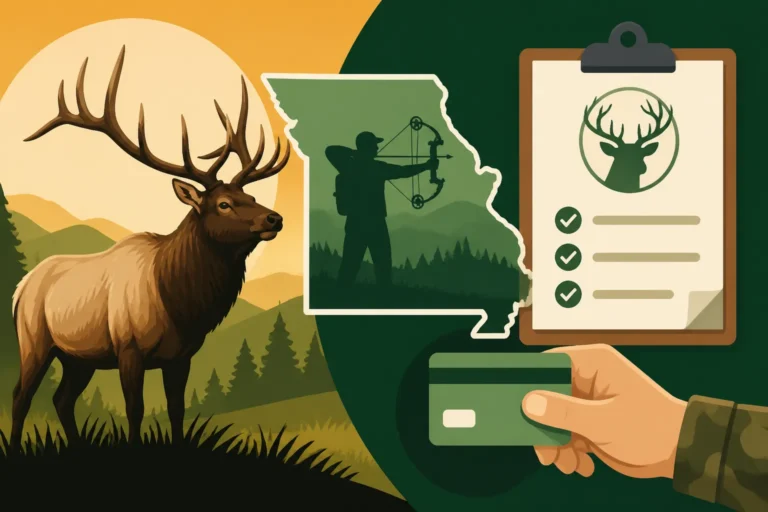
Missouri's elk hunt is a highly regulated, resident-only affair. This isn't a situation where you can just walk into a sporting goods store and buy an over-the-counter tag. No, sir. This is a very specific draw, managed meticulously by the Missouri Department of Conservation (MDC) to ensure the long-term health and growth of the herd. The hunt is typically divided into two distinct portions: an archery season and a firearms season. This split offers hunters a choice, depending on their preferred method, but also spreads out the pressure, albeit minimally due to the tiny number of tags issued.
Each year, only a handful of permits are issued – typically five, though this number can be adjusted by the MDC based on herd health and population goals. Four of these are usually for the general public draw, and one is set aside for landowners who meet specific criteria within the elk restoration zone. This extremely limited access is what makes a Missouri elk tag such a coveted prize and why a detailed understanding of the Missouri's Resident-Only Elk Lottery is absolutely critical. Without drawing one of these precious permits, you're simply not heading out into the Ozarks to hunt elk.
Key Dates for the Archery and Firearms Portions
Once you've beaten the incredible odds and drawn a permit, the actual hunting dates become paramount. The Missouri elk seasons are deliberately short, designed to manage harvest efficiently and minimize disturbance to the herd.
Historically, the archery portion of the Missouri elk season has run for about a week in mid-October. Think crisp fall days, vibrant foliage, and the peak of the rut for whitetails, but with the added possibility of a bugling bull. For example, in recent years, this has typically been a seven-day stretch, often starting around the second Saturday of October.
The firearms portion usually follows much later in the year, often in mid-December. This season is also typically short, lasting maybe nine days. Picture cold, quiet Ozark timber, perhaps a dusting of snow on the ground, and a very different hunting experience compared to the archery season. The late date pushes hunters into the late season, when elk might be more focused on food sources after the rut. These precise dates are announced by the MDC well in advance, usually with the rest of the hunting regulations for the upcoming season. It’s vital to check the official MDC regulations each year, as they can shift slightly. You can usually find these details on the MDC website, or if you're like me and prefer all your hunting data in one place, platforms like GoHunt often compile this information, making it easy to track. Knowing these specific windows is crucial for any successful hunt planning.
Navigating the Missouri Elk Permit Application
Getting a Missouri elk permit isn't just about showing up with a rifle or bow; it's about navigating a meticulous application process. Miss a deadline, and your dream is deferred for another year.
Application Period and Important Deadlines
The application period for a Missouri elk hunting permit is a narrow window, typically running through the month of May each year. This means you usually have from May 1st to May 31st to submit your application. It’s an easy detail to overlook amidst spring turkey season or early summer fishing trips, but missing it means forfeiting your chance for the entire year. Trust me, you don't want that gut-punch feeling when you realize you forgot to apply for this incredible opportunity. The Missouri Elk Application Dates are always a hot topic in the spring, and for good reason. Mark your calendar, set reminders, and maybe even get a friend to remind you!
Applications are submitted online through the MDC website. There's a non-refundable application fee, which helps cover the administrative costs of running the lottery. While the fee itself isn't much, the stakes are incredibly high. Once the application period closes, the MDC conducts a random drawing, and the results are typically announced in July. This waiting period can feel agonizing, a true test of patience for any hopeful elk hunter. Keep an eye on your email and the MDC announcements around that time.
Eligibility and Permit Lottery Rules
This is where the rubber meets the road. As I mentioned, the Missouri elk hunt is strictly for residents. You need to verify your residency to even apply. The MDC has clear guidelines on who qualifies as a resident, so make sure you meet those criteria.
The lottery system itself is designed for fairness, but drawing a tag remains exceptionally difficult. There are often thousands of applicants for just a handful of tags. If you are lucky enough to be drawn, congratulations! You'll then be required to purchase the actual elk permit, which has its own separate cost. You can learn more about the specifics of the application process and what goes into it by checking out the Missouri Elk Permit Lottery Rules and information on the Missouri Elk Permit Cost.
Another important rule to be aware of is the "sit-out" period. If you successfully draw and harvest a Missouri elk, you are then ineligible to apply for another elk permit for a period of ten years. This ensures that more residents get a chance at this rare opportunity over time, preventing the same individuals from continuously drawing tags. It truly underscores the once-in-a-lifetime nature of a Missouri elk hunt. For those who enjoy planning and strategizing for these kinds of draws, using a service like GoHunt can be invaluable for tracking your application history and ensuring you're always on top of the latest regulations and opportunities across different states, though for Missouri elk, it's primarily a waiting game.
| Application/Season Event | Typical Dates/Period | Notes |
|---|---|---|
| Application Window | May 1 – May 31 | Online application via MDC website. Non-refundable fee. |
| Draw Results Announced | Early July | Notifications via email. |
| Archery Season | Mid-October (7 days) | Specific dates announced annually by MDC. Bull elk only. |
| Firearms Season | Mid-December (9 days) | Specific dates announced annually by MDC. Bull elk only. |
Where and What to Expect if You Draw an Elk Tag
So, you've done it. You beat the odds and have a Missouri elk tag in hand. Now what? The next step is understanding where these animals roam and what kind of hunt you're in for. This isn't a high-fence operation; this is wild, free-ranging elk in the rugged Ozarks.
The Limited Elk Hunting Zones
Missouri's elk herd, still relatively small, is primarily concentrated in a specific region of the southeastern Ozarks. If you draw a tag, your hunt will be confined to one of four designated Elk Hunt Zones (EHZ). These zones generally encompass parts of Carter, Shannon, and Reynolds counties, with some potential overlap into portions of Wayne and Dent counties. The core of this elk country is centered around the Peck Ranch Conservation Area, which was instrumental in the elk reintroduction efforts. While Peck Ranch itself has a designated no-hunting zone for elk, the surrounding public and private lands within the EHZs are fair game.
It’s crucial to thoroughly study the Missouri Elk Hunting Counties and the specific boundaries of your assigned zone. The MDC provides detailed maps and information for drawn hunters, and you'll want to pour over these. This is steep, timbered country, much of it within the Mark Twain National Forest, or other large blocks of public land. Navigating it effectively will require dedicated scouting and physical preparation. For visualizing this rugged terrain and mapping out potential access points or travel corridors, digital mapping tools offered by platforms like GoHunt can be extremely beneficial, especially when layered with public land data. You can also explore how to use the Missouri Conservation Atlas to better understand the lay of the land. Remember, these aren't flat plains; these are the rolling, often challenging hills of the Ozarks.
Legal Elk and Hunting Expectations
When you finally step foot in the elk woods with your hard-earned tag, you need to know exactly what you're allowed to harvest. The Missouri elk hunt is strictly for antlered elk only, meaning you're looking for a bull. There are specific rules regarding what "What Counts as a Legal Missouri Bull," but generally, it refers to any bull with at least one visible antler, though most hunters are hoping for something much more substantial.
The experience itself will be challenging, rewarding, and unlike most other hunting Missouri offers. This is not a guided, all-inclusive package hunt. You are responsible for your own scouting, strategy, and execution. Elk are big animals, and they are masters of disappearing in the dense Ozark timber. You’ll need to be prepared for long walks, significant elevation changes, and potentially tracking an animal over very rough terrain. Hunters often spend days, sometimes the entire season, without seeing an elk, let alone getting a shot opportunity. That's the realistic expectation. However, the chance of hearing a bull bugle echoing through an Ozark hollow or catching a glimpse of a herd moving through the woods is an experience in itself. Many who apply for this tag also spend time simply Watching Elk at Peck Ranch or other viewing areas, soaking in the majesty of these animals. Physical fitness, patience, and a deep understanding of elk behavior will be your greatest assets.
The Story of Missouri's Elk and the Future of the Hunt
The presence of elk in Missouri is a conservation success story, a testament to dedicated effort and careful management. Understanding this history provides vital context for the limited hunting opportunities we see today.
From Restoration to Regulated Hunting
Believe it or not, elk were once native to Missouri but were extirpated by the mid-19th century due to unregulated hunting and habitat loss. For over 150 years, the thought of wild elk roaming the Ozarks was just a distant memory. That changed dramatically with the MDC's ambitious restoration project, which began in 2011. Elk were translocated from Kentucky and released into a carefully chosen area in the southeastern Ozarks. The goal was to establish a self-sustaining, free-ranging herd that would eventually allow for regulated hunting.
The initial releases were small, involving around 100 elk over several years. This cautious approach paid off, and the herd began to grow. The details of When Elk Came Back to Missouri and Where the Missouri Elk Came From are truly fascinating chapters in our state's conservation history. The success of this reintroduction means that today, How Many Elk Missouri Has is a growing number, though still modest compared to Western states. This careful stewardship is precisely why the hunting opportunities remain so limited, ensuring the herd continues to thrive and expand its range naturally. The first modern elk hunting season in Missouri didn't even occur until 2020, marking a significant milestone in the restoration journey.
Preparing for a Once-in-a-Lifetime Hunt
If you're one of the incredibly fortunate few to draw a Missouri elk tag, the real work begins. This is not a hunt to take lightly. It truly is a once-in-a-lifetime experience for most, and you'll want to maximize your chances of success and enjoyment. Preparation is paramount.
First, physical conditioning cannot be overstated. The Ozarks are rugged, and you'll be covering miles over steep, uneven terrain, often off-trail, carrying all your gear. Start hiking, practice climbing hills, and get your body ready. Secondly, scouting is absolutely critical. Even if you live hours away, make multiple trips to your assigned hunt zone before the season opens. Use aerial imagery, topographic maps (digital tools are fantastic here, like those offered by GoHunt for detailed terrain analysis), and spend time on the ground looking for sign. Understanding where elk might feed, water, and bed is invaluable. This is similar to the extensive groundwork needed for Scouting Missouri Public Land Before Season for deer, but on a much larger scale.
Educate yourself on elk behavior. Learn their calls, their patterns, and how they react to pressure. Consider the specific nuances of your assigned zone. Is it heavily timbered? Are there open areas? What are the food sources at that time of year? You’ll also need to consider your gear carefully. You're hunting a large, tough animal in potentially cold, wet conditions. Proper clothing layers, a reliable rifle or bow with sufficient power, and a good pack to carry essentials (and potentially meat) are all crucial. While specific details on Missouri Deer Permits and How to Buy One or other permits might seem less relevant once you have an elk tag, understanding the broader permit system helps grasp the MDC's overall approach to game management. This hunt is a huge undertaking, but with thorough preparation, it will be an unforgettable chapter in your hunting life.
Disclaimer
Always consult the official Missouri Department of Conservation (MDC) regulations before applying for permits or heading afield. Season dates, permit requirements, and regulations can change annually. The information provided here is for general guidance and educational purposes only.