How Missouri Restored Its Wild Turkeys
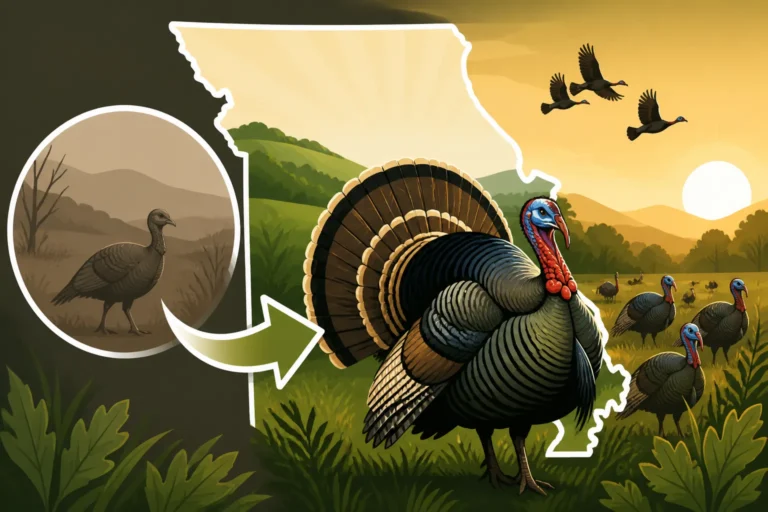
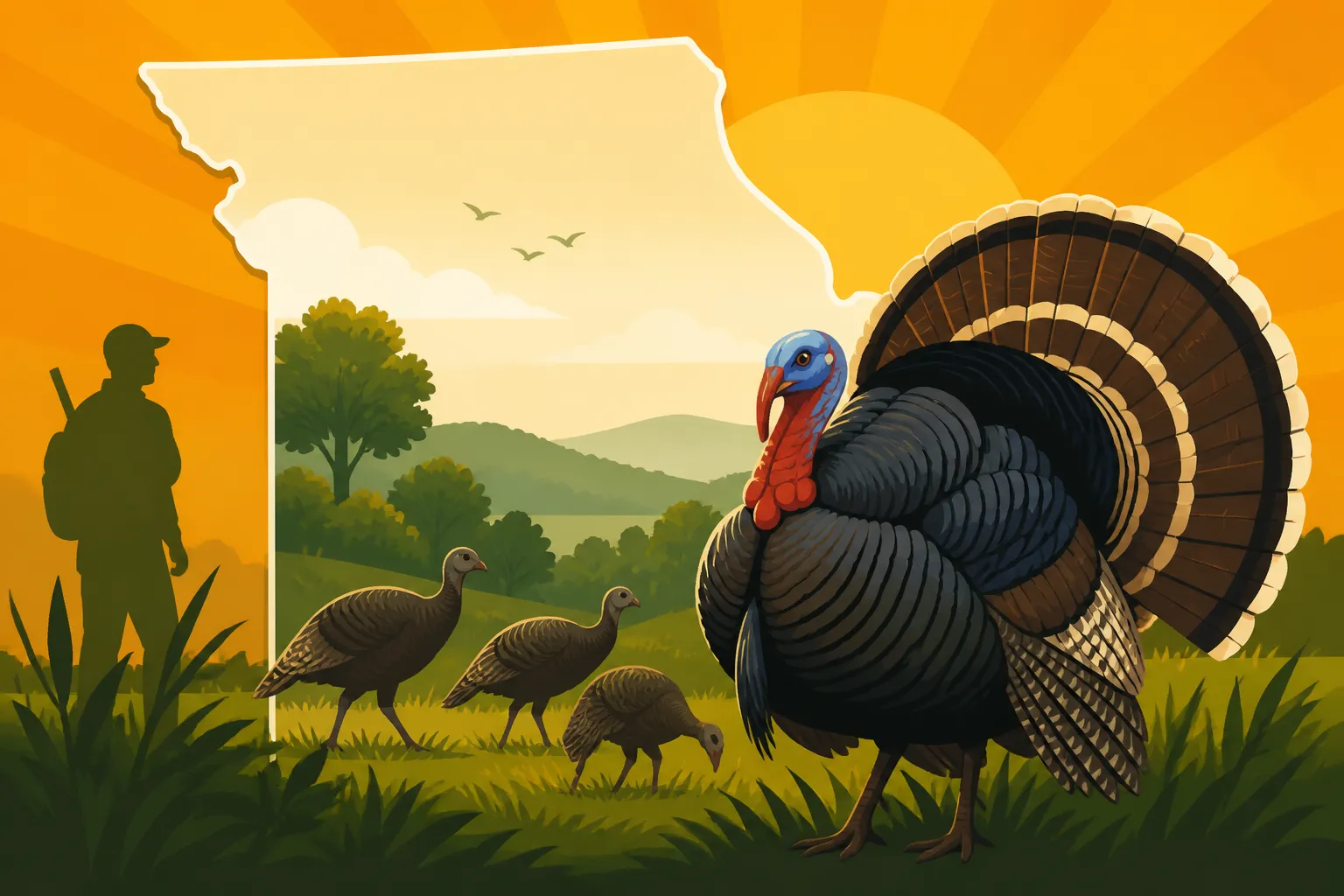
It's hard to imagine Missouri's timbered hills and river bottoms without the booming gobble of a wild turkey echoing through the spring woods, or the sight of a flock of hens and poults scratching for food in a fall field. But believe it or not, for a time, these iconic birds were practically gone from our state. Hunters and conservationists today owe a huge debt to the groundbreaking work that brought them back from the brink. This guide will take you through the incredible journey of how Missouri restored its wild turkeys, a story of dedication, innovation, and perseverance that truly changed the face of our outdoors.
The Dire Straits: When Turkeys Were Nearly Gone
It’s easy to take for granted the vibrant turkey populations we have today, but go back a century or so, and the picture was grim. Wild turkeys, once abundant across nearly all of North America, faced a catastrophic decline, and Missouri was no exception. By the early 1900s, these magnificent birds were practically extirpated from vast swathes of their historic range.
Historical Decline and Causes
The reasons for this dramatic decline were multifaceted, a perfect storm of human activity that pushed the wild turkey to the edge. First and foremost was widespread, unregulated market hunting. Imagine a time before wildlife laws, before permits, before bag limits. Hunters could take as many birds as they could find, and the demand for wild game for city markets was immense. Turkeys were especially vulnerable due to their size and flocking behavior, making them relatively easy targets for those looking to fill their wagons. It wasn't just individual hunters; organized market hunting operations decimated populations, leaving very few birds to breed.
Compounding this was massive habitat destruction. As Missouri was settled, forests were cleared at an astonishing rate for agriculture, timber, and urban development. Turkeys need large tracts of diverse forestland for nesting, roosting, and foraging. When these critical habitats were fragmented or entirely removed, the birds simply had nowhere left to go. The remaining pockets of forest were often too small or isolated to sustain viable turkey populations, leading to further decline through lack of genetic diversity and increased susceptibility to disease and predation.
The Few Remaining Strongholds
By the 1930s and 40s, it's estimated that Missouri's wild turkey population had dwindled to a mere few thousand birds, perhaps as low as 2,500-3,000 individuals. These precious remnants clung to existence in the most rugged and inaccessible parts of the state, primarily the deep, remote hollows and extensive timber blocks of the Missouri Ozarks. Areas like the Current and Eleven Point River watersheds, and parts of the Mark Twain National Forest, offered the kind of expansive, unbroken forest cover that provided just enough refuge from human pressure and habitat loss.
These isolated populations, though small, were genetically pure wild turkeys – hardy, elusive, and adapted to survival in the face of adversity. They were the genetic goldmine, the last hope from which all future restoration efforts would spring. Without these tenacious birds surviving in their remote hideouts, the story of Missouri's turkey restoration might have ended very differently, or never begun at all. Their very existence underscored the urgent need for a systematic, science-based approach to bring them back.
The Vision and Early Attempts: Laying the Groundwork
The realization that wild turkeys were on the brink sparked a new era of conservation in Missouri. It wasn't an overnight fix, but rather a slow, deliberate process built on scientific understanding and a growing commitment to wildlife management.
Early Conservation Efforts
The formation of the Missouri Department of Conservation (MDC) in 1937 was a monumental step, establishing an agency dedicated to managing the state's fish, forest, and wildlife resources based on sound science, rather than political whims. One of MDC's earliest and most pressing priorities was the plight of the wild turkey. Initial efforts were often experimental and sometimes met with frustration. For years, there was a belief that pen-raised turkeys could be released into the wild to bolster populations. Many well-meaning individuals and organizations tried this approach. However, these captive-bred birds lacked the instincts, disease resistance, and survival skills of their wild counterparts. They were essentially domesticated animals trying to survive in a harsh environment, and these releases almost universally failed, with most birds quickly perishing. This costly lesson taught conservationists that only truly wild, self-sufficient turkeys could thrive and restore a population.
Recognizing the need for a different strategy, the MDC shifted its focus. They understood that restoring habitat was crucial, but birds also needed to be physically moved to new areas where they could establish new breeding populations. This insight was revolutionary and laid the groundwork for the highly successful technique that would follow. It was about creating the right conditions and then giving nature a strategic helping hand.
The Trap and Transfer Method
The breakthrough came with the development and refinement of the "trap and transfer" method. This technique involved safely capturing wild turkeys from healthy, abundant populations and relocating them to suitable, but empty, habitats across the state. The goal was to establish new, self-sustaining flocks in areas where turkeys had once thrived but had been extirpated. This wasn't just a haphazard drop-off; it was a carefully planned operation.
MDC biologists and technicians perfected methods to safely capture these wary birds. The most effective tool became the rocket net or cannon net, which used small explosive charges to propel a large net over a flock of feeding turkeys. Once captured, the birds were quickly processed – sexed, aged, banded, and often fitted with radio transmitters to monitor their movements and survival in their new homes – and then carefully crated for transport. These crucial steps ensured that only healthy, prime breeding stock was moved, maximizing the chances of success in the release areas. The meticulousness of this approach, born from the failures of earlier pen-reared attempts, was absolutely vital to the eventual triumph of Missouri's turkey restoration.
The Golden Era of Restoration: Trap and Transfer in Action
Once the trap and transfer method was perfected, Missouri embarked on one of the most ambitious and successful wildlife restoration projects in North American history. This period, stretching from the 1950s through the 1980s, truly brought the wild turkey back from the brink.
Logistics of Live-Trapping
The core of the restoration effort relied on the efficient and humane live-trapping of wild turkeys. MDC teams became incredibly skilled at this delicate operation. It often involved weeks of pre-baiting an area to habituate a flock to a specific feeding location. Corn was the bait of choice, drawing birds in consistently. Once turkeys were regularly using a site, cannon nets or rocket nets would be strategically deployed. These nets were a marvel of ingenuity: a large, heavy-duty mesh net was folded and arranged in front of small cannons or rockets, which, when fired by remote control, would launch the net over the feeding birds in a matter of seconds.
Once the net deployed, time was of the essence. Crews would rush in, carefully disentangling the birds, which could be surprisingly calm if handled properly and quickly. Each bird was subjected to a quick health check, sex determination, and age estimation. Metal leg bands were applied, a critical tool for tracking individual birds and understanding population dynamics. In some cases, miniature radio transmitters were attached to the backs of a few birds from each release group. These small radios allowed biologists to track movements, identify survival rates, and locate nesting sites in the new habitats, providing invaluable data on the success of the releases. The entire process was a testament to the dedication and expertise of the MDC staff, who often worked in challenging weather conditions and remote locations.
Strategic Release Sites
The success of trap and transfer wasn't just about catching birds; it was equally about where those birds were released. MDC biologists meticulously identified suitable habitats across the state. These weren't random choices; they were areas that historically supported turkeys and, crucially, had undergone significant reforestation and habitat recovery since the widespread clearing of earlier centuries. The criteria for release sites included ample mature timber for roosting, diverse understory for nesting and foraging, and access to water sources. Large, contiguous blocks of forest were preferred, minimizing fragmentation and maximizing the chances for expansion.
Initial releases often focused on public lands, such as state forests and newly acquired conservation areas, which could be managed to optimize turkey habitat. As populations grew in these areas, birds were then trapped from these established "source populations" and moved to new, previously empty regions. This methodical, stepwise approach allowed for the gradual repopulation of the entire state. For example, successful early releases in the Ozark highlands later provided birds that could be moved to river bottoms and eventually even agricultural regions with sufficient timbered draws and fencerows. This careful, strategic approach to release sites was a cornerstone of the project, ensuring that the transplanted birds had the best possible chance to not just survive, but thrive and multiply.
The Role of Hunter Dollars
It's impossible to talk about the incredible success of Missouri's wild turkey restoration without highlighting the absolutely vital role of hunters and their financial contributions. This massive, decades-long effort was not cheap, and its funding came directly from those who cherished wildlife the most. A significant portion of the revenue came from the Pittman-Robertson Act, a federal excise tax on firearms, ammunition, and archery equipment. This "user pays, user benefits" model funnels money directly from sportsmen to state wildlife agencies for conservation projects. Missouri, being a pioneer in turkey restoration, benefited greatly from these funds.
Beyond federal funding, the sale of hunting permits and licenses within Missouri provided another crucial stream of revenue. As turkey populations rebounded and hunting seasons were carefully established, every permit purchased directly contributed to the ongoing management, research, and future restoration efforts. This created a powerful feedback loop: successful restoration led to sustainable hunting opportunities, which in turn generated more funds for conservation. The commitment of Missouri hunters, through their purchases and their vocal support for conservation, was the financial engine that powered the entire restoration machine, demonstrating a profound dedication to ensuring these birds would be around for future generations.
Growing Pains and Continued Management
With the turkey population successfully restored across Missouri, the focus shifted from pure restoration to long-term management. This phase brought its own set of challenges, requiring adaptive strategies to ensure the health and sustainability of the revitalized flocks.
Establishing Hunting Seasons
As turkey numbers swelled, the Missouri Department of Conservation faced the delicate task of re-establishing regulated hunting seasons. This wasn't just about providing opportunities for hunters; it was a crucial management tool to keep populations healthy and in balance with their habitat. The first modern spring turkey season in Missouri was held in 1960, a landmark moment with a very conservative limit: one bearded bird, taken only in certain Ozark counties. This cautious approach allowed biologists to closely monitor the impact of hunting, gradually expanding seasons and bag limits as the population demonstrated its resilience and continued growth.
Over the decades, the seasons evolved. We now have robust spring seasons and even a Missouri Fall Turkey Hunting Tactics option, allowing hunters to pursue turkeys with a firearm or bow. The careful structuring of seasons, including specific dates like the Missouri Spring Turkey Season Dates and Missouri Youth Turkey Weekend Dates, ensures that harvest aligns with biological capacity. This balanced approach, informed by constant scientific monitoring, is what differentiates sustainable hunting from the unregulated free-for-all that nearly wiped out turkeys a century ago. It’s a testament to how responsible hunting, when properly managed, is an integral part of modern conservation.
Monitoring Population Health
Maintaining healthy turkey populations requires constant vigilance. The MDC employs various methods to monitor population health, with two key metrics being poult-to-hen ratios and overall turkey population trends. Each summer, the MDC conducts extensive brood surveys, collecting data from staff and volunteers on the number of hens observed with poults, and the number of poults per hen. This "poult-to-hen ratio" is a vital indicator of nesting success and brood survival, essentially a peek into the next generation. A low ratio can signal potential issues with habitat quality, predation, or adverse weather during the critical hatching and early growth periods.
In fact, if you've been following the news, you know that Why Missouri Turkey Poult Survival Fell has been a topic of concern in recent years, leading to discussions about permit adjustments. The MDC also uses hunter harvest data, collected through the Telecheck system, to track overall population estimates and distribution. This detailed monitoring allows the department to quickly identify declines or surges, and adjust management strategies, permit limits, or season structures as needed. It's a dynamic process, recognizing that wildlife populations are not static and require continuous assessment to ensure long-term health.
Adapting to New Challenges
Even after the initial restoration, wild turkeys face ongoing and evolving challenges. Habitat fragmentation continues to be a concern, particularly in areas experiencing urban sprawl or intensive agriculture. As large, unbroken tracts of forest are divided by roads, developments, or cleared fields, turkeys can struggle to find sufficient secure nesting and roosting sites, and movement between suitable habitats becomes riskier. This isolation can also lead to reduced genetic diversity over time.
Predation pressure, while a natural part of the ecosystem, can sometimes be exacerbated by changes in predator populations or habitat structure. Coyotes, raccoons, and opossums can impact turkey nests and poults. Furthermore, diseases, though less common, can occasionally emerge and impact local flocks. The MDC actively monitors for potential disease outbreaks and adapts management strategies to mitigate risks. For instance, the recent changes to Missouri's CWD Rule Changes for 2026 in deer management show how wildlife agencies must constantly adapt to new biological threats, even if not directly affecting turkeys. These are complex issues, requiring ongoing research and a commitment to maintaining a mosaic of diverse, high-quality habitats across the state to ensure the long-term resilience of Missouri's wild turkey population.
The Legacy and Future of Missouri's Turkeys
The story of Missouri's wild turkey restoration is truly one for the history books, a shining example of what dedicated conservation efforts can achieve. But the work doesn't stop here; ensuring a vibrant future for these magnificent birds requires ongoing commitment from everyone.
Current Population Status
After decades of impressive growth and a peak in the late 1990s and early 2000s, Missouri's wild turkey population has seen some fluctuations in recent years. While still incredibly robust compared to their historical lows, trends have shown some areas of concern, particularly related to poult survival, as we touched on earlier. However, the overall distribution of turkeys remains excellent, with birds present in every county across the state. This widespread presence is a testament to the success of the trap and transfer program.
The MDC continues to carefully monitor Missouri Turkey Population Trends, using scientific data to guide management decisions. While the booming numbers of a couple of decades ago might have slightly softened in some regions, Missouri remains a premier destination for turkey hunting, offering incredible opportunities in both the rugged Ozarks and the rolling farm country. A quick look at harvest reports, which are readily available and often analyzed by resources like GoHunt, still shows thousands of turkeys harvested annually, demonstrating a healthy, huntable population that is a direct result of past conservation successes. The current challenges remind us that conservation is an ongoing journey, not a destination.
What Hunters Can Do to Help
Hunters have always been, and continue to be, the most ardent supporters of wildlife conservation. If you care about the future of wild turkeys in Missouri, there are tangible ways you can contribute. The most direct impact comes from responsible hunting practices: adhering strictly to Missouri Spring Turkey Permits and Limits, understanding the Missouri Turkey Shooting Hours, and reporting any suspicious activity to conservation agents. Ethical hunting is sustainable hunting.
Beyond the hunt itself, getting involved in habitat improvement projects is invaluable. Even small efforts on private land, like creating native grass buffers, managing timber, or controlling invasive species, can create better nesting cover and foraging opportunities. On public lands, volunteer opportunities often exist with groups that assist the MDC with habitat work. Furthermore, continuing to support the MDC through the purchase of permits and advocating for sound conservation policies helps fund critical research and management initiatives. Whether you're calling a bird off the roost in the spring or scouting new areas for fall, your engagement makes a difference. If you're looking for new public land areas, the Missouri Conservation Atlas is an excellent resource, often showing areas with great turkey potential.
Disclaimer
Please remember that hunting regulations, seasons, and permit requirements are subject to change. Always consult the most current Missouri Department of Conservation (MDC) regulations before heading afield. This guide is for informational purposes only and should not be considered a substitute for official MDC publications.