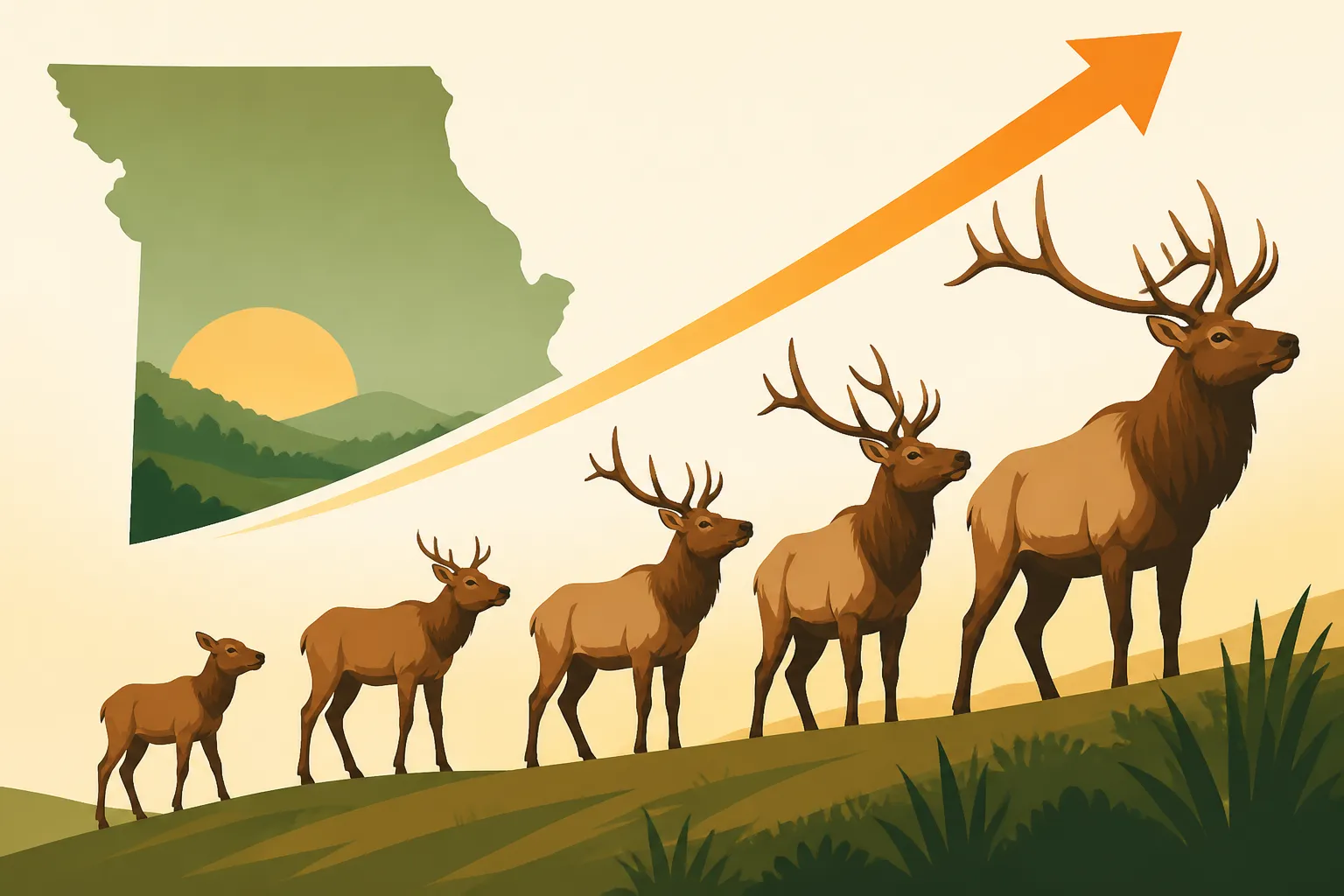
How the Missouri Elk Herd Has Grown
It wasn't that long ago that the thought of seeing a wild elk in Missouri seemed like something out of a history book, a wistful dream of what once was. For generations, Missourians grew up knowing elk were native, but they were long gone, a victim of early settlement and unregulated hunting. But things have changed, and if you've ever wondered how these magnificent animals made their remarkable return to the Show-Me State and how their numbers are steadily climbing, you've come to the right place. This guide will take a deep dive into the incredible journey of Missouri's elk herd, from their historical absence to their thriving presence today.
The Historical Absence and Initial Reintroduction Efforts
Missouri's landscape, particularly the rugged Ozarks, might seem like perfect elk country, and indeed, it once was. But the story of elk in Missouri isn't a continuous one; it's a tale of absence and eventual return, a testament to dedicated conservation efforts.
Tracing Elk Back to Missouri's Past
Picture this: vast swaths of open woodlands, glades, and river bottoms. This was the Missouri of centuries past, a place where majestic elk roamed freely. Historical accounts and archaeological evidence confirm that elk, specifically the Eastern elk subspecies, were once abundant across much of the state. They were a vital part of the ecosystem, a significant food source for Native American tribes, and later, for early European settlers. These were hardy animals, well-suited to Missouri's diverse habitats.
However, as the 18th and 19th centuries progressed, settlement patterns shifted dramatically. European expansion brought with it intensive agriculture, widespread logging, and, critically, unregulated market hunting. Elk, being large and relatively easy to target, were hunted indiscriminately for their meat, hides, and antlers. Their vast habitat was fragmented and destroyed, leaving them with fewer places to live and less food to sustain them. This relentless pressure, a tragic combination of habitat loss and overhunting, ultimately led to the complete extirpation of wild elk from Missouri by the mid-1800s. For nearly 150 years, the only elk a Missourian would see would be in a zoo or a history book.
The Vision for Restoration
The idea of bringing elk back to Missouri wasn't a spur-of-the-moment decision; it was the culmination of years of careful planning, research, and a deep-seated desire by the Missouri Department of Conservation (MDC) and many passionate citizens to restore a missing piece of the state's natural heritage. Discussions about elk reintroduction gained serious traction in the early 2000s, but it required a significant understanding of modern wildlife management and habitat availability. It wasn't just about dropping some elk in the woods; it was about ensuring they could thrive, reproduce, and establish a self-sustaining population without negatively impacting the existing ecosystem or local communities.
The MDC meticulously studied potential release sites, considering factors like suitable habitat, minimal road density, and low human population impact. The vast, rugged terrain of the Missouri Ozarks, particularly around Peck Ranch Conservation Area in the southeastern part of the state, emerged as the prime candidate. This area offered extensive forested lands, open glades, and relatively few conflicts with agriculture. The vision was ambitious: to re-establish a wild, free-ranging herd that could eventually offer limited hunting opportunities, connecting modern Missourians with a species that had been absent for generations. It was a commitment to not just restore an animal, but to restore a part of Missouri's wild soul.
The Kentucky Connection and Release Strategy
Bringing a large, wild animal like an elk back to a state where it has been absent for so long is no small feat. It requires careful planning, significant resources, and a partnership with other states that have successfully managed their own elk populations. This is where Kentucky stepped in, playing a pivotal role in Missouri's elk restoration journey.
Sourcing Elk from the Bluegrass State
When the Missouri Department of Conservation decided to reintroduce elk, one of the most critical decisions was where to source the animals. You can't just pluck them from anywhere; you need a healthy, robust herd with good genetics and a proven track record of thriving in a similar environment. Kentucky, with its hugely successful elk reintroduction program that began in 1997, quickly became the ideal partner. The Kentucky Department of Fish and Wildlife Resources had done an incredible job rebuilding their own herd, and their elk were known to be healthy, adaptable, and free of serious diseases that could jeopardize Missouri's new population.
The logistics of capturing and transporting these massive animals were immense. Elk had to be carefully trapped and tranquilized in Kentucky, undergo thorough health screenings by veterinarians, and then be safely loaded into specialized trailers for the journey across state lines. This wasn't a quick trip; it was a multi-day operation involving skilled personnel from both states, ensuring the animals' welfare every step of the way. The effort highlighted the spirit of cooperation among wildlife agencies, all working towards common conservation goals.
The First Releases and Early Challenges
The much-anticipated moment finally arrived in 2011. After years of planning and preparation, the first group of wild elk, 34 cows and 10 calves, arrived from Kentucky and were released into the Peck Ranch Conservation Area in southeastern Missouri. This initial release, followed by subsequent releases in the years that followed, marked a monumental milestone for the state. You can read more about exactly When Elk Came Back to Missouri and How Many Animals Were Released in those first critical years. These animals were fitted with GPS collars, allowing MDC staff to track their movements, monitor their health, and learn how they were adapting to their new home.
However, reintroductions are rarely without their challenges. The early days involved significant efforts to help the elk acclimate to their new surroundings. Some would wander, testing the boundaries of the release area, and occasionally venturing onto private land or near roads. Disease monitoring was also paramount; regular checks were performed to ensure the herd remained healthy and didn't introduce or contract any new illnesses, like Chronic Wasting Disease (CWD), which is always a concern for deer and elk populations. Public perception was another factor. While many celebrated the return of elk, some local landowners had concerns about potential crop damage or conflicts with their livestock. The MDC had to work diligently to address these concerns, fostering understanding and support for the program. Despite these hurdles, the initial releases were largely successful, laying the groundwork for the herd's impressive growth.
Factors Contributing to Herd Expansion
The journey of Missouri's elk from a handful of reintroduced animals to a thriving, growing herd is a testament to more than just the initial effort. It's a complex interplay of natural resilience, dedicated habitat work, and careful population management. Several key factors have been instrumental in allowing the herd to expand steadily since their return.
Prime Habitat and Food Availability
One of the most crucial elements in the success of the Missouri elk reintroduction has been the quality and abundance of their chosen habitat. The Ozark landscape, particularly in the core range of Carter, Shannon, and Reynolds counties, provides an ideal mosaic of resources that elk need to flourish. This isn't just one type of terrain; it's a diverse blend of mature oak-hickory forests, which offer vital cover and acorns (when available), interspersed with open glades and reclaimed pastures. These open areas are absolutely critical for elk, providing nutrient-rich grasses, forbs, and legumes that form the bulk of their diet.
The MDC has also been proactive in managing these habitats. Through carefully planned prescribed burns, they've worked to restore glade ecosystems, preventing woody encroachment and promoting the growth of native grasses and wildflowers that elk prefer. This type of habitat management also benefits countless other wildlife species. The presence of numerous streams and rivers throughout the Ozarks ensures a reliable water source, another non-negotiable requirement for any thriving wildlife population. This rich blend of food, water, and cover ensures that the elk have everything they need to survive, reproduce, and expand their range. Knowing how to read the landscape for resources is key for hunters too, whether you're Scouting Missouri Public Land Before Season or trying to understand why deer or elk might be in a particular area.
Missouri Department of Conservation's Management
The sheer dedication and scientific approach of the Missouri Department of Conservation (MDC) cannot be overstated when discussing the elk herd's growth. Their efforts go far beyond simply releasing animals; they encompass a holistic, long-term strategy for ensuring the herd's health and expansion. This includes active habitat management, as mentioned, but also extends to meticulous disease monitoring and prevention. The MDC understands the potential threats that diseases like Chronic Wasting Disease (CWD) and EHD Outbreaks in Missouri Deer can pose to a growing herd, so they continuously test and monitor the elk, much like they do for the state's deer population, to catch any issues early.
Furthermore, the MDC has fostered strong relationships with local landowners. Recognizing that elk, being free-ranging animals, would eventually venture onto private property, they established programs to work cooperatively with landowners. This might involve assistance with fencing, advice on managing land for wildlife, or addressing concerns about potential crop damage. By building trust and providing solutions, the MDC ensures that local communities are partners in conservation rather than adversaries. This collaborative approach has been fundamental in creating an environment where the elk can expand their range without constant conflict. Without this ongoing, proactive management, the herd's growth would undoubtedly be much slower, if not impossible.
High Calving Success Rates
Ultimately, the growth of any wildlife population hinges on its ability to reproduce successfully, and Missouri's elk have been excelling in this department. The combination of excellent habitat, robust health of the Kentucky-sourced animals, and vigilant management has led to remarkably high calving success rates. Each spring, new calves hit the ground, adding to the herd's numbers. You can delve deeper into the specifics of Calving Success and Herd Growth to understand the biological factors at play.
Healthy cows, well-fed from the rich Ozark forage, are better equipped to carry calves to term and provide the necessary milk and protection during their vulnerable early weeks. The relatively low population density of predators that might target calves, combined with ample cover in the dense Ozark timber and glades, further contributes to calf survival. While black bears are returning to Missouri, and coyotes are certainly present, the overall conditions allow for a strong proportion of calves to survive their first year and join the breeding population. This consistent influx of new animals each year is the primary engine driving the numerical increase of Missouri's elk herd, demonstrating that the environmental conditions and management strategies are creating an ideal nursery for future generations of these magnificent creatures.
Monitoring and Data Collection
Understanding how a reintroduced species is faring requires more than just hoping for the best; it demands rigorous scientific monitoring and data collection. The Missouri Department of Conservation employs a suite of techniques to keep tabs on the elk herd, ensuring their health, tracking their expansion, and informing future management decisions.
Tracking Elk Movement and Health
From the very beginning of the reintroduction project, monitoring has been a cornerstone of the MDC's strategy. Many of the initial elk, and a good number since, have been fitted with GPS collars. These collars transmit location data, allowing biologists to observe patterns of movement, identify core use areas, and understand how the elk are utilizing the diverse Ozark landscape. This data is invaluable for mapping Where Missouri Elk Range Today and predicting future expansion. Researchers can analyze seasonal shifts in habitat use, identify critical bedding and feeding grounds, and even detect unusual movements that might indicate a problem.
Beyond location, health monitoring is a continuous effort. When elk are captured for collaring or other research, they undergo thorough physical examinations. Blood samples are taken to test for various diseases, including CWD, EHD, and other pathogens that could impact the herd's vitality. MDC staff also conduct aerial surveys, flying over the core elk range to visually count animals, especially during winter when snow cover can make them easier to spot. These visual counts, combined with GPS data and population modeling, help the MDC generate accurate population estimates, giving us a clear picture of How Many Elk Missouri Has at any given time. This scientific approach ensures that management decisions are always data-driven and aimed at the long-term health of the herd.
Public Involvement and Citizen Science
While high-tech collars and aerial surveys provide crucial data, the observant eyes and ears of the public play an equally vital role in monitoring Missouri's elk herd. The MDC strongly encourages citizens to report elk sightings, whether they see a lone bull grazing in a field or a cow with her calf crossing a remote road. These citizen science reports, often submitted through the MDC website or local offices, help fill in the gaps and provide a broader picture of elk distribution and movement, especially as the herd naturally expands its range beyond the immediate vicinity of Peck Ranch.
This public involvement isn't just about data collection; it's also about fostering a sense of ownership and connection to the elk restoration project. When people actively participate in reporting sightings, they become more invested in the success of the herd. This engagement is crucial for managing potential human-elk interactions, which will inevitably increase as the population grows. GoHunt, a platform often used by hunters and outdoor enthusiasts to research units and gather intelligence, also benefits from this kind of crowd-sourced information, highlighting the importance of every bit of data. The MDC frequently shares updates on the elk project, ensuring that the public remains informed and engaged in the ongoing story of these magnificent animals.
Challenges and Future Outlook
While the growth of Missouri's elk herd has been a resounding success story, it's important to remember that wildlife management is an ongoing process. There are always challenges to address and future considerations to plan for, ensuring the long-term health and sustainability of the herd.
Disease Management and Herd Health
One of the most persistent and significant challenges facing any large cervid population, including elk, is disease. Chronic Wasting Disease (CWD) remains a primary concern in Missouri, and while the state's elk herd has thankfully remained free of CWD thus far, continuous vigilance is absolutely critical. The MDC routinely tests any elk mortality for CWD, much like they do for deer. This proactive testing is essential because an outbreak could severely impact the herd's health and growth trajectory. Similarly, EHD (Epizootic Hemorrhagic Disease) can affect elk, although they typically show more resistance than white-tailed deer. Still, outbreaks of EHD can cause localized mortality events, especially during hot, dry summers.
The MDC's strategy includes ongoing research into disease prevalence, habitat management practices that can reduce disease transmission risks (such as avoiding over-concentration of animals), and rapid response protocols should a disease be detected. It's a continuous balancing act to keep the herd robust and healthy, especially as populations grow and expand into new areas where they might encounter different environmental factors or disease vectors. This proactive stance is vital for safeguarding the future of Missouri's elk.
Balancing Growth with Human-Elk Interactions
As the elk herd continues to grow and expand its range, the likelihood of human-elk interactions naturally increases. This presents a complex management challenge: how to celebrate and support the growing herd while also mitigating potential negative impacts on local communities and landowners. One common concern is crop damage; large animals like elk can cause significant damage to agricultural fields, particularly corn or soybean crops. Another potential issue is vehicle collisions, especially as elk move into areas with higher road densities.
The MDC works diligently to address these concerns head-on. They have programs in place to assist landowners with damage prevention, such as providing fencing materials or advising on deterrents. They also gather data on vehicle collisions to identify high-risk areas and explore solutions. The goal is always to find a balance, allowing the elk to thrive while minimizing conflicts with people. This often involves community outreach, education, and open lines of communication, ensuring that both the needs of the elk and the concerns of human residents are considered. Managing these interactions successfully is key to maintaining public support for the reintroduction program.
The Future of Missouri's Elk Hunting
For many hunters, the ultimate dream stemming from a successful reintroduction is the opportunity to pursue these magnificent animals. Missouri has cautiously and deliberately moved towards offering very limited elk hunting opportunities, a testament to the herd's growth and stability. The permit lottery system, which allows a very small number of resident hunters to pursue elk each year, is designed to be highly sustainable. You can find out more about the Missouri Elk Permit Lottery Rules and Who Can Apply for a Missouri Elk Permit. The number of permits issued is extremely low, often just a handful each season, ensuring that the harvest has a negligible impact on the overall population.
This limited hunting is not just about providing an opportunity; it's also a management tool. It helps to keep the herd wary, distribute animals, and potentially alleviate localized damage issues. However, the future of Missouri's elk hunting will always prioritize the health and continued growth of the herd. Any expansion of hunting opportunities will be slow, deliberate, and based on sound scientific data and population models. It's a long-term vision, ensuring that future generations of Missourians will continue to have the chance to experience wild elk, whether through viewing or very limited, carefully managed hunting. It’s a truly special opportunity, and one that many hunters, often found researching on platforms like GoHunt, eagerly await the chance to participate in.
Where Missouri Elk Range Today
One of the most exciting aspects of Missouri's elk restoration is witnessing their natural expansion. While the initial releases were confined to a specific area, these animals are wild, and they explore, seeking out new food sources, mates, and territories. Understanding their current range and how they are spreading is crucial for both conservationists and those hoping to catch a glimpse of these majestic creatures.
Core Range and Expansion Areas
The heart of Missouri's elk country remains centered around the Peck Ranch Conservation Area, primarily within Carter, Shannon, and Reynolds counties. This is where the initial animals were released, and it continues to be the stronghold of the population. Within this core area, you'll find the highest densities of elk, utilizing the diverse habitat of forests, glades, and river drainages. However, as the herd has grown and flourished, individual elk and small groups have begun to naturally disperse.
This dispersion has led to sightings and even established small groups in adjacent counties. Elk have been confirmed further north into portions of Dent and Texas counties, and occasionally to the east and west of the core zone. This expansion is a healthy sign, indicating that the population is robust enough to push beyond its original boundaries. While these outlying sightings are less frequent, they demonstrate the elk's adaptability and their instinct to explore new territories. The MDC monitors these movements closely, as they inform future management strategies, particularly regarding potential human-elk conflicts or habitat improvements in new areas. Understanding this dynamic expansion is key to appreciating the full scope of the reintroduction's success.
Observing Elk in Missouri
For many, the return of elk to Missouri offers a unique opportunity for wildlife viewing. Catching a glimpse of a wild elk, especially a bull with an impressive rack, is a truly unforgettable experience. The best place, by far, for consistent elk viewing is still the Peck Ranch Conservation Area. The MDC has even developed designated driving tours and viewing areas within the ranch, specifically designed to increase your chances of seeing elk, particularly during the cooler months or early morning and late evening hours when they are most active. You can learn more about Watching Elk at Peck Ranch for tips and locations.
TABLE: Best Times and Places for Elk Viewing in Missouri
| Location | Best Time of Year | Best Time of Day | Viewing Tips |
|---|---|---|---|
| Peck Ranch Conservation Area (Core Area) | Fall (rut), Winter (feeding) | Dawn & Dusk (most active) | Utilize designated driving tours, stay in your vehicle, bring binoculars. Often seen in open glades and fields. |
| Adjacent Counties (e.g., Dent, Texas) | Any, but less predictable | Dawn & Dusk | Look for private land with suitable habitat, listen for bugles in fall. Sightings are opportunistic. |
| Other Ozark Public Lands | Less common, but possible | Random | Highly opportunistic. Focus on areas with a mix of timber and glades, often where deer would be. |
Remember, when observing elk, it's crucial to practice ethical wildlife viewing. Keep a respectful distance, use binoculars or a spotting scope instead of approaching too closely, and never disturb the animals. Avoid feeding them, as this can lead to habituation and create dangerous situations for both elk and humans. If you're out and about in the Missouri Elk Hunting Counties, always be mindful of your surroundings. Enjoy the privilege of sharing the landscape with these magnificent creatures, and help ensure their continued success by respecting their space and their wild nature.
Disclaimer
Please remember that hunting regulations, seasons, and wildlife populations are subject to change. Always consult the official Missouri Department of Conservation (MDC) regulations and current information before planning any hunting trip or wildlife viewing excursion. This guide provides general information and should not be used as a substitute for official MDC resources.