Hunting Around Stockton Lake
For many of us who love chasing whitetails and wild turkeys, the idea of hunting near a massive body of water like Stockton Lake in Missouri brings a mix of excitement and confusion. It’s not your typical timber block or wide-open farm field, and figuring out where you can legally and effectively hunt amidst all the homes, recreation, and mixed land ownership can feel like trying to solve a puzzle with half the pieces missing. This guide is all about demystifying hunting around Stockton Lake, helping you understand the unique opportunities and challenges this beautiful area presents.
Understanding the Landscape: Corps Land, Conservation Areas, and Private Ground
When you look at a map of Stockton Lake, you'll see a complex patchwork of ownership. Unlike some larger, contiguous blocks of public land, the areas around a major reservoir managed by the U.S. Army Corps of Engineers often present a different kind of hunting puzzle. It's crucial to understand these distinctions to stay legal and find success.
Navigating Corps of Engineers Land
The U.S. Army Corps of Engineers manages a significant amount of land around Stockton Lake, primarily for flood control and recreation. This land is often available for public hunting, but it comes with its own set of rules and characteristics. Imagine these areas as fingers and strips of timber and brush that follow the shoreline, often intertwining with private property. They might be narrow, extending only a few hundred yards from the high-water mark, or occasionally larger blocks.
The biggest challenge with Corps land is often its fragmented nature and proximity to private dwellings. You might find a promising patch of woods, only to realize it's bordered on three sides by houses or fenced pastures. This makes tools like onX Hunt incredibly valuable. Seriously, having a good mapping app that clearly shows property lines can save you a ton of headaches and prevent accidental trespassing. It’s not just a convenience; it’s practically a necessity for hunting areas like this. Always double-check specific regulations for the particular Corps management area you plan to hunt, as rules can vary slightly. Generally, permanent stands or blinds are not allowed, and you'll need to pack in and pack out everything you use. Missouri Corps of Engineers Lakes often have unique rules that are worth researching.
Nearby Missouri Conservation Areas
While the Corps land hugs the lake, Missouri is fortunate to have an incredible system of Conservation Areas (CAs) managed by the Missouri Department of Conservation (MDC). Around Stockton Lake, you'll find various CAs that can offer more traditional, larger blocks of public hunting land. These areas are specifically managed for wildlife and public recreation, often with designated parking areas and clearer boundaries.
These CAs can provide a great alternative or supplement to hunting Corps land, especially if you're looking for more solitude or larger tracts of timber. They might be a short drive from the lake itself, but they offer excellent opportunities for deer, turkey, and small game. The MDC website is your best friend here, as each CA has its own detailed brochure outlining allowed activities, species present, and specific regulations. It’s not uncommon for these areas to have managed food plots, timber stand improvements, or other habitat work that concentrates game. Always grab a copy of the area brochure and study it; it's like getting a cheat sheet for the property. Where to Get the Missouri Conservation Atlas can help you locate these areas effectively.
The Realities of Private Land Access
Let’s be honest: much of the prime hunting around any major lake like Stockton is on private land. Finding good private land access can be a game-changer, but it requires effort and respect. Farmers and landowners around Stockton Lake are often busy, and they value their privacy. Your best bet is to approach them well in advance of the season, preferably during the off-season. Dress neatly, introduce yourself politely, and explain why you're asking. Offer to help with chores, share some of your harvest, or assist with any wildlife management they might be interested in.
Showing respect for their property, closing gates, and following any specific rules they set are non-negotiable. Building a relationship takes time, but it can lead to incredible opportunities that public land often can't match. Never assume you have permission; even if you see deer, always ask first. Asking a Missouri Farmer for Permission is a skill worth developing.
Species to Target Around Stockton Lake
Stockton Lake and its surrounding habitats offer a diverse range of hunting opportunities for various game species. Knowing what to expect and where to find them can significantly increase your chances of success.
White-Tailed Deer
Deer are, without a doubt, the most popular game animal pursued around Stockton Lake. The mix of timber, brushy lakefront, agricultural fields, and nearby Conservation Areas creates excellent deer habitat. You'll find deer utilizing the dense cover along the lake for bedding and security, venturing into nearby fields or timbered draws for food.
Hunting deer on Corps land can be challenging due to the fragmented nature and potential for recreational traffic. Focus on overlooked pockets of timber, small drainage features, or brushy points that extend into the lake. Deer will use these areas as travel corridors and bedding sites. When the acorns drop, deer will congregate in oak stands, and finding these food sources is key. On nearby CAs, look for thicker cover, creek bottoms, and areas with diverse habitat. Pay close attention to pinch points where deer are funneled by terrain or water. Reading Aerial Photos for Ozark Deer can help you pinpoint these promising spots. Remember that Hunting Pressure on Missouri Public Ground can push deer into the thickest, nastiest cover, so be prepared to work for them.
Wild Turkey
Missouri's wild turkey population thrives in many of the timbered areas surrounding Stockton Lake. Both spring and fall seasons offer exciting opportunities. In spring, listening for gobblers off the roost is the classic approach. Focus your efforts on ridge tops, creek drainages, and areas with mature timber that provide good roost trees. Turkeys often roost near water, so the lakefront timber can be a hot spot.
During the fall season, turkey hunting shifts more toward breaking up flocks and calling birds back in. Look for areas with a good mix of mature timber for roosting and open fields or clearings where flocks will feed. Just like deer, hunting pressure can make turkeys wary, so finding secluded pockets of timber away from easy access points will increase your odds. Remember, fall turkey hunting allows for either sex to be harvested, making it a great opportunity.
Small Game: Squirrels, Rabbits, and Quail
Don't overlook the incredible small game opportunities around Stockton Lake. These hunts can be a fantastic way to introduce new hunters to the field or simply enjoy a relaxing day outdoors.
- Squirrels: The oak and hickory timber around Stockton Lake is prime squirrel country. Look for nut cuttings under trees, especially in the early morning or late afternoon. Still-hunting through the woods or sitting quietly near a good mast crop can lead to plenty of action. Squirrel hunting provides an excellent excuse to scout for deer and turkey sign as well. Squirrel Hunting in Oak Hickory Timber is a classic Missouri tradition.
- Rabbits: Brushy field edges, old fencerows, timber clearcuts, and dense cover near agricultural fields are all excellent places to find cottontail rabbits. These areas are abundant around the lake, especially on Corps land and within some Conservation Areas. A good beagle can make rabbit hunting incredibly productive and fun, but walking out cover can also yield results. Rabbit Hunting Brush Piles is a great strategy.
- Quail: While Missouri's quail populations have faced challenges, dedicated habitat restoration efforts mean that pockets of bobwhites can still be found. Look for areas with a mix of native grasses, open timber, and brushy edges. Some Conservation Areas are specifically managed for upland birds, offering better chances. Walking through Walking Missouri Quail Restoration Landscapes with a good bird dog is an unforgettable experience.
Waterfowl and Migratory Birds
While Stockton Lake isn't typically known as a premier waterfowl destination like some of Missouri's managed wetlands, opportunities exist, especially for jump shooting ducks or hunting geese on nearby fields. The lake itself can hold divers and dabblers, particularly during migration.
- Ducks: During the regular duck season, smaller coves and backwaters of Stockton Lake can attract dabbling ducks, especially if there's emergent vegetation or flooded timber. Jump shooting can be effective on smaller ponds or streams feeding into the lake.
- Geese: Canada geese will often utilize larger, open agricultural fields around the lake for feeding. Obtaining private land permission for field hunting can lead to good goose hunting.
- Doves: In early September, hunting dove fields can be fast-paced and exciting. Look for areas with sunflowers, milo, or wheat stubble, especially on nearby Conservation Areas or private fields. Hunting Missouri Dove Fields in September is a popular opener.
Navigating Regulations, Access, and Safety
Hunting near a major recreational lake requires extra attention to detail regarding regulations, public access, and safety.
Essential Permits and Regulations
Before you even step foot in the woods, make sure all your permits are in order. Missouri offers various permits for different game species and hunting methods. For deer and turkey, you'll generally need a resident or nonresident firearms or archery permit, depending on your chosen method and portion. Small game permits cover species like squirrels, rabbits, and quail.
Always remember to check the current year's hunting regulations booklet, available online through the MDC or at permit vendors. This booklet is your bible, covering season dates, bag limits, shooting hours, legal weapons, and more. Pay special attention to any CWD (Chronic Wasting Disease) regulations, which might include specific carcass transport rules or testing requirements in certain counties. Missouri Deer Permits and How to Buy One or Missouri Spring Turkey Permits and Limits are critical first steps.
Understanding Hunter Orange Requirements
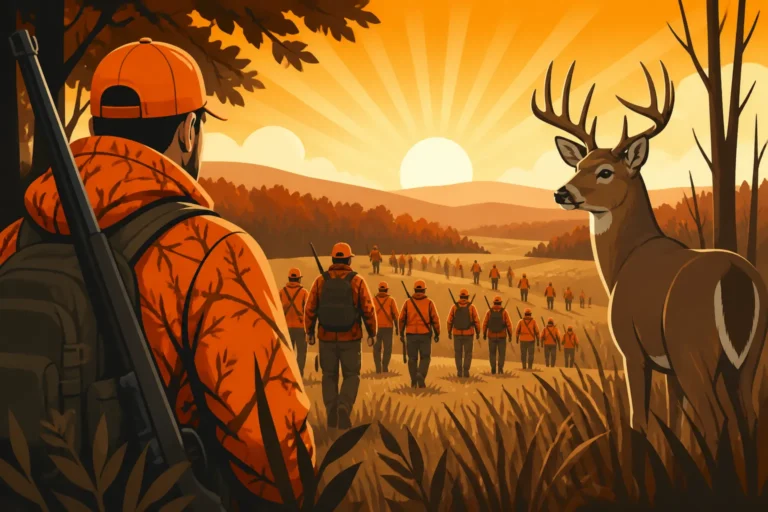
Safety is paramount, especially when hunting in areas that might see other users or in portions where firearms are allowed. Missouri has clear hunter orange requirements that you absolutely must adhere to. During the firearms deer portions, all hunters (even archers) must wear hunter orange visible from all sides. This typically means a hat and an outer garment, and there's a minimum square inch requirement.
Even if hunter orange isn't legally required for your specific hunt (like during much of archery season or spring turkey), consider wearing some as a safety precaution, especially when walking in or out or if you expect other hunters to be in the area. It's about being visible and responsible. Missouri Hunter Orange Rules detail exactly what's required and when.
Leveraging Mapping Technology
We touched on this before, but it bears repeating: mapping technology is your best friend around Stockton Lake. Public land boundaries, especially those managed by the Corps, can be incredibly convoluted. Using a robust app like onX Hunt allows you to see property lines in real-time on your phone, preventing accidental trespass and helping you identify huntable public pockets.
These apps also allow you to mark your stand locations, track your movement, identify food sources, and even visualize terrain features like contours and drainages, which are critical for understanding deer movement. Some apps, like those used by GoHunt for western states, offer deeper data layers, but for pinpointing property lines on the ground in Missouri, onX Hunt is hard to beat. Don't rely solely on cell service, though; download offline maps before you go.
Practical Hunting Strategies for Lake Country
Hunting near a large lake like Stockton requires a slightly different approach than hunting continuous timber blocks or private farm ground. The unique topography and mixture of land uses present specific challenges and opportunities.
Adapting to Water Features and Terrain
The presence of Stockton Lake significantly influences game movement and hunter access. Deer and turkeys will often use the lake as a natural barrier or a travel corridor. Points of land extending into the lake, narrow necks of land between coves, and creek drainages that empty into the lake can all be natural funnels.
- Scouting Shorelines: Don't ignore the actual shoreline. Deer will walk these edges, especially where thick cover meets the water. Look for tracks in soft earth or sand. Turkeys often roost on trees overlooking the water.
- Following Drainages: Small creeks and draws that feed into Stockton Lake are natural travel routes for deer and can provide consistent access to food and bedding areas. These often offer sheltered routes to move through the woods undetected.
- Elevation Changes: Even in relatively flat areas, subtle changes in elevation can be significant. A slight ridge running parallel to a cove might be a preferred travel route. Use your topographical maps (available in apps like onX Hunt) to identify these features. Hunting Missouri Ridge Saddles and Benches concepts apply even in less dramatic terrain.
Dealing with Recreational Pressure
A major lake like Stockton is a hub for recreation. Boaters, anglers, hikers, and campers will be present, especially on weekends and during warmer weather. This human activity can impact game behavior and hunter experience.
- Hunt Mid-Week: If possible, hunt during weekdays when recreational traffic is significantly lower.
- Go Deeper: Many recreational users stick close to access points. Be willing to walk further, deeper into public land, to find areas less disturbed. Finding Ground Others Walk Past is a key strategy for public land success.
- Early Morning/Late Evening: Focus your efforts during the earliest and latest legal hunting hours. Game animals are often more active during these low-light periods when human activity is minimal.
- Embrace the Noise: Sometimes you just have to accept that there will be some noise from boats or distant campers. Deer and turkeys in these areas are often accustomed to ambient human sounds, as long as it's not direct pressure.
Stand and Blind Placement Considerations
When setting up your ambush point around Stockton Lake, think about both game movement and public visibility.
- Portable Stands: On Corps land, only portable stands or blinds are allowed, and they generally cannot be left overnight. This means you'll be packing in and out, so lightweight and quick-setup options are essential. Treestand Setups in Hardwood Timber often involve climbing sticks and saddle hunting for efficiency.
- Ground Blinds: Ground blinds can be effective, especially if you can brush them in naturally against thick cover. They offer concealment and a break from the elements. However, be mindful of visibility to non-hunters and ensure you're not obstructing trails or views for others. Brushing In a Blind on a Field Edge can help make it disappear.
- Thermal Hubs and Wind: Pay close attention to wind direction and thermals, especially near water. Cold air can drain into hollows or move down slopes toward the lake in the mornings, reversing as the day warms. Understanding Wind and Thermals in Ozark Hills is crucial for stand placement to avoid alerting game.
Post-Harvest Care in Variable Conditions
Missouri's weather during hunting season can be notoriously unpredictable. A warm archery opener can quickly turn into a frigid late-season hunt. This variability is especially true around a large body of water like Stockton Lake, which can moderate temperatures or create its own microclimates.
If you harvest an animal, especially during warmer early seasons, rapid field dressing and cooling are absolutely critical to preserve the meat. Carrying game bags and a plan for ice or a quick trip to a processor is essential. Field Dressing and Cooling in Early-Season Heat or Getting Deer Meat Cooled Quickly can make all the difference between delicious venison and spoiled meat.
Here's a quick comparison of hunting opportunities by land type around Stockton Lake:
| Land Type | Primary Opportunities | Key Challenges | Essential Tools/Tips |
|---|---|---|---|
| Corps of Engineers Land | Deer, turkey, small game in shoreline timber/brush | Fragmented, proximity to private, recreational pressure | onX Hunt, portable stands, deep scouting |
| Conservation Areas (CAs) | Deer, turkey, small game (quail on some CAs) | Can be pressured, some distance from lake, specific CA rules | MDC area brochures, topo maps, walk further from access |
| Private Land | Best for deer, turkey, waterfowl, less pressure | Difficult to obtain access, requires relationship building | Respect, polite requests, offer help, refer to onX Hunt |
Disclaimer
This article is for general informational purposes only and does not constitute professional advice. Laws, prices and regulations vary by location and change over time. Consult a qualified professional for guidance on your specific situation.