Opening Weekend Crowds on Missouri Public Land
The air is crisp, anticipation hangs heavy, and you've spent months scouting, dreaming of that perfect opening weekend hunt on Missouri public land. But then you arrive, and the parking lot looks like a dealership, trucks are parked bumper-to-bumper, and you realize you're not alone. The frustration of trying to find peace and game amidst a sea of orange is a common and disheartening reality for many hunters. This guide is here to walk you through understanding why these crowds happen and, more importantly, to arm you with practical strategies, real-world tactics, and the mindset you need to still have a successful and enjoyable experience, even when everyone else has the same idea.
Understanding Why Opening Weekend is So Crowded
It’s easy to feel defeated when you pull up to your favorite public hunting spot on opening day and realize you're sharing it with what feels like half the county. But understanding why this happens can help you anticipate and plan around it, rather than just reacting with a sigh of resignation.
The Allure of the Opener
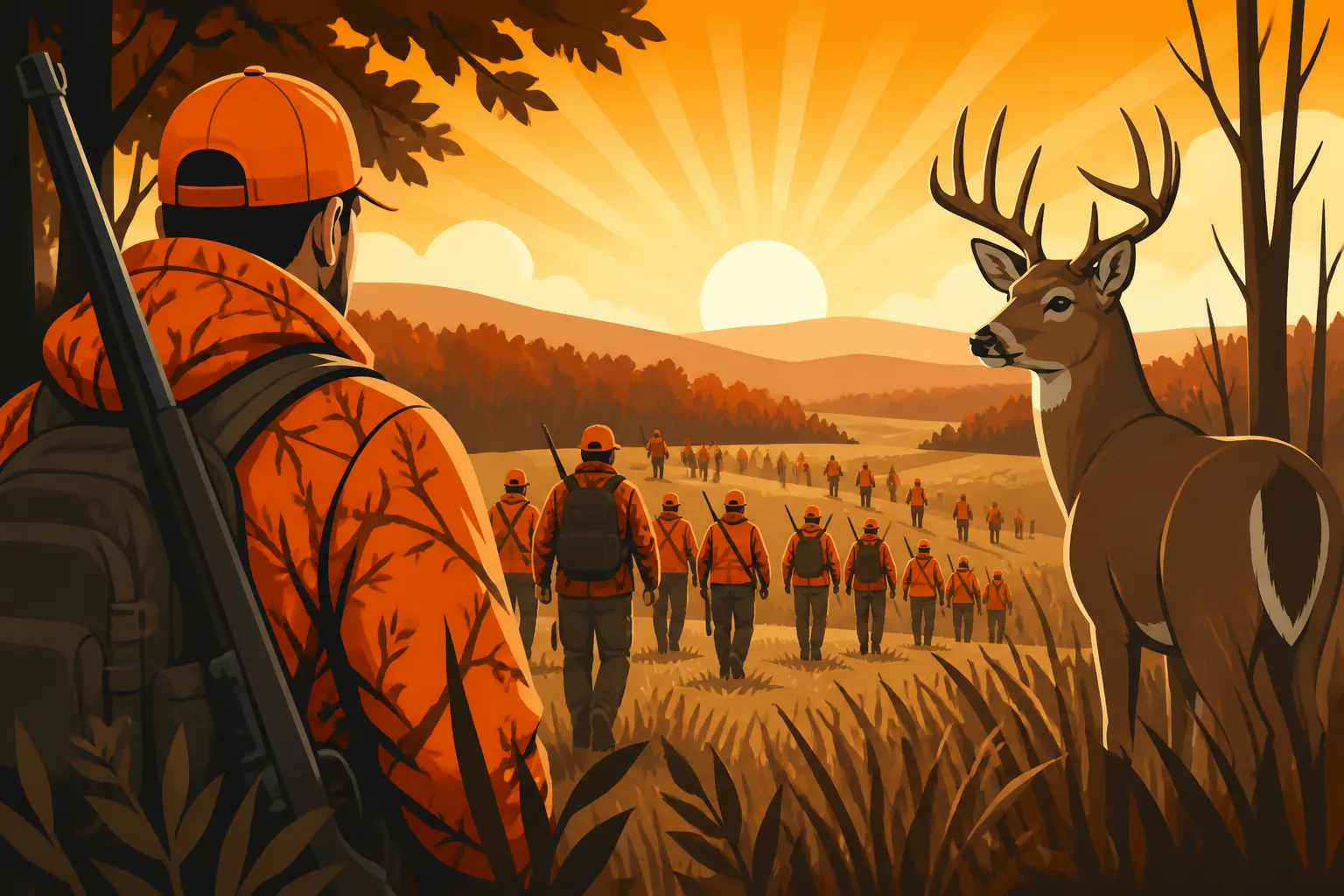
Let's be honest, there's a certain magic to opening weekend. It's the culmination of months of preparation, the first chance to put all that scouting and practice to the test. For many, it's a deeply ingrained tradition, a time to gather with friends and family, and an escape from the daily grind. This collective excitement draws hunters out in droves, especially for popular seasons like Missouri's firearms deer opener.
Think about it: after weeks of Bowhunting Missouri's Four-Month Archery Season, many hunters are champing at the bit for the greater range and power of a firearm. The thought of a big buck being pushed by other hunters, making a mistake that lands it in front of your stand, is a powerful draw. It's often the single best chance for many folks to get out in the woods all year, so they make the most of it, regardless of the company. Plus, the weather in late fall often hits that sweet spot – cool, but not brutally cold – making for comfortable days afield. This perfect storm of tradition, accessible opportunity, and decent weather creates an undeniable magnetic pull for a huge number of hunters across the state.
Limited Accessible Ground
Missouri boasts a good amount of public hunting land, which is a blessing. However, not all public land is created equal, especially when it comes to accessibility. The truth is, a significant portion of our public ground, particularly Conservation Areas, has easily accessible parking lots and trails. Hunters, being creatures of habit and convenience, tend to gravitate towards these readily available entry points.
This means that while the overall acreage might seem vast, the huntable acreage that's beyond a reasonable walk from a known access point shrinks considerably in most hunters' minds. Areas like Missouri Conservation Areas Explained often have well-maintained roads and parking areas that funnel hunters into predictable zones. Even in larger tracts like the Mark Twain National Forest, the spots directly off forest service roads or established trailheads take the brunt of the initial pressure. This creates a donut effect: intense pressure around the edges, with the interior often remaining less explored, simply because fewer people are willing or equipped to put in the miles to get there. It’s not necessarily a lack of public land, but a concentration of hunters on the easy-to-reach public land.
Strategies for Escaping the Pressure Cooker
Okay, so we know why it's crowded. The real question is, what can you actually do about it? The good news is, with a little intentional planning and a willingness to step outside the norm, you absolutely can find quieter, more productive hunting experiences on opening weekend.
Embrace the Walk-In Game
This is probably the single most effective strategy for ditching the crowds: walk farther than everyone else. Seriously, it sounds simple, but you'd be amazed how many hunters refuse to go beyond a quarter or half-mile from their vehicle. This creates a distinct hunting pressure "bubble" around parking lots. Your goal is to get outside that bubble.
To do this effectively, you need to be prepared. This isn't just about physical fitness, though that helps. It's about having the right gear – a comfortable pack, sturdy boots suitable for Boots for Walking Ozark Rock, and sufficient water and snacks. Start by looking at detailed maps, like those found in The Missouri Conservation Atlas or using a digital tool like onX Hunt. Identify public land boundaries and look for entry points that are less obvious. Maybe it's a small pull-off on a county road that isn't explicitly marked as a public hunting access, but where the public land boundary starts just beyond the fence row. Plan a route that takes you at least a mile, or even two, deep into the timber. Deer often learn to quickly avoid the immediate vicinity of access points and will funnel into these less-pressured interior zones once the shooting starts. That extra effort might just be the difference between seeing a parade of orange vests and spotting a mature buck. Consider where others are likely to stop, and then add another 20 minutes of walking to that spot.
Target Overlooked Habitat
While everyone is fighting over the same obvious pinch points and food plots, you should be looking for habitat that others ignore. This often means focusing on thick, nasty cover that's a pain to navigate. Think dense cedar thickets, brushy draws that are hard to walk through, or steep, rocky bluffs that deter most hunters. Deer, especially mature bucks, are masters at finding these sanctuary areas, particularly under pressure.
These overlooked spots often don't scream "deer stand location," but they are precisely where deer will retreat when pushed. For instance, instead of setting up on a well-worn ridge saddle, try scouting the steepest, briar-choked side of the ridge that nobody else wants to climb. Or, if everyone is hunting the edge of a harvested soybean field, consider the neglected, overgrown fencerow or a small, swampy corner of timber that provides dense bedding cover. Hunting a Timbered Draw in Row-Crop Country can be incredibly effective, as these small pockets of cover act as travel corridors and hiding spots within otherwise open landscapes. Utilize aerial photos and topographical maps on platforms like onX Hunt to identify these "ugly" areas that offer both concealment and a path of escape for deer. The harder it looks to hunt, the more likely it is to hold unpressured deer.
Hunt Mid-Week or Later in the Season
This is a strategy that almost guarantees less pressure, but it often requires flexibility that not everyone has. If your schedule allows, consider delaying your hunt a few days past opening weekend. By Monday or Tuesday, a significant portion of the opening day crowd has gone back to work, leaving many public land areas noticeably quieter.
The deer will still be there, and often, the initial pressure of the weekend has gotten them moving in new, more predictable patterns as they seek sanctuary. While the very first morning might be prime for catching deer off guard, the subsequent days can be excellent for patterned deer that have settled into their post-pressure routines. Additionally, extending your hunt into the later parts of the season, such as the Missouri Early Antlerless Portion Tactics or even Hunting Missouri Deer After Christmas, can offer vastly different, often less crowded, experiences. The cold weather and reduced daylight push deer towards specific food sources, and many hunters have filled their tags or hung up their gear by then. This can be a fantastic time to find success without fighting for a spot.
Leveraging Technology and Scouting to Your Advantage
In today's hunting world, "just heading to the woods" on opening weekend without prior investigation is a recipe for frustration. Modern tools and diligent pre-season work are your best allies against the crush of opening weekend crowds.
Digital Mapping for Seclusion
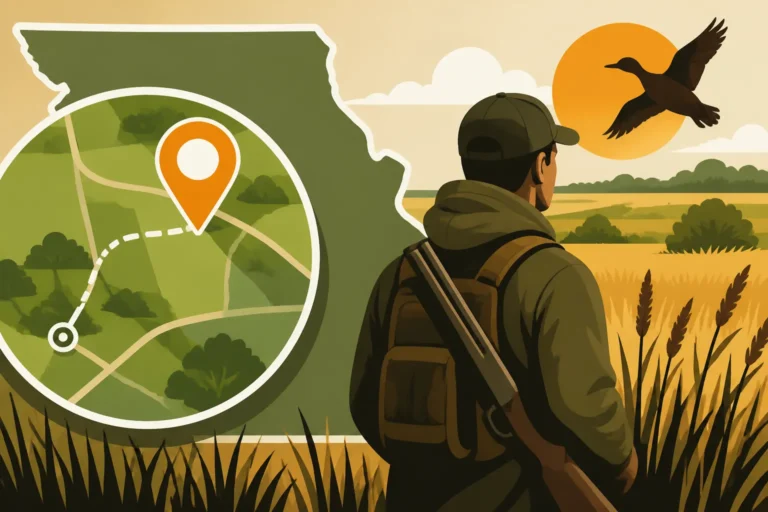
Digital mapping applications, such as onX Hunt, have revolutionized how we approach public land hunting. Gone are the days of relying solely on paper maps that might be outdated or lack critical detail. With a mapping app, you can identify public and private land boundaries with precision, crucial for ensuring you're legal and on the right ground. Beyond boundaries, these apps offer topographical maps, satellite imagery, and even layers that show habitat types, roads, and trails. This wealth of information is invaluable for finding those overlooked spots we talked about.
You can virtually scout from your couch, identifying potential walk-in access points far from established parking areas. Look for small fingers of public land extending into private holdings, or large tracts with minimal road frontage. Use the topo lines to find steep drainages, hidden benches, or secluded ridge points that might be difficult to access but offer excellent ambush sites. Reading Aerial Photos for Ozark Deer combined with topo views can reveal key travel corridors or bedding areas that are naturally protected from easy hunter access. By dropping pins and creating a game plan before you even leave home, you can head into the woods with a tactical advantage, aiming directly for areas where human pressure is likely to be lowest. onX Layers for Missouri Land Status is a powerful feature for this.
Pre-Season Scouting for Hidden Gems
Even the best digital maps are no substitute for boots-on-the-ground scouting. The weeks and months leading up to opening weekend are critical for finding those hidden gems that will offer a reprieve from the crowds. This means visiting potential public land spots, long before opening day, to understand the lay of the land firsthand. Look for fresh deer sign – tracks, rubs, scrapes, and droppings – indicating consistent deer use.
Pay close attention to what the deer are eating and where they are bedding. Are they hitting persimmon trees, white oaks dropping acorns, or browsing on honeysuckle in a thicket? Observe how deer might travel through an area, especially in relation to natural funnels or barriers like creeks and steep bluffs. You're not just looking for deer; you're looking for evidence of unpressured deer movement. This often means finding trails that lead deep into dense cover, away from the easily accessible trails. Understanding Finding Sign in Big Timber takes time and practice, but it's key to identifying those areas where deer feel safe and will retreat to when the hunting pressure ramps up. The more you know about a specific hidden pocket, the more confident you'll be in hunting it when the crowds are thick.
Learning from Others' Mistakes (and successes!)
Another powerful, though often overlooked, scouting tool is simply observing other hunters. On opening day, take note of where people park, which directions they head, and how far they seem to be willing to walk. While you want to avoid these areas, understanding the common patterns of pressure can help you predict where deer won't be, and thus, where they will be.
For example, if you see 10 trucks at a popular trailhead, it's a good bet that the area within a quarter-mile radius will be heavily walked. This knowledge can inform your decision to walk two miles in the opposite direction, or to target a thicket on the far side of that pressured area, knowing deer will likely be pushed there. Conversely, don't be afraid to talk to other hunters in the off-season. While they might not give up their secret honey holes, you can learn a lot about general deer movement in a specific public land area, or discover little-known access points. Sometimes, you can even spot a pattern in how deer move after initial pressure. Observing this from a distance, or checking trail cameras after opening day (where rules allow), can provide valuable insights into where deer will seek refuge, allowing you to intercept them. This often means targeting Finding Ground Others Walk Past by paying attention to what everyone else is doing.
Navigating the Challenges of High-Pressure Hunting
Even with the best strategies, hunting public land on opening weekend in Missouri presents unique challenges. Being prepared for these realities, both mentally and physically, is just as important as knowing where to go.
Mental Fortitude and Patience
Let's face it: hunting in crowded conditions can be incredibly frustrating. You'll hear shots, you'll see other hunters, and sometimes it feels like you're playing a game of musical chairs with white-tailed deer. This is where mental fortitude and patience become your best friends. It’s easy to get discouraged and move too much, which often means you're just bumping deer around for other hunters. Instead, commit to your chosen spot, especially if you've done your homework.
Recognize that deer, particularly mature bucks, will be highly sensitive to pressure. They might not move much during daylight hours in heavily hunted areas. Your best bet might be to sit longer, stay quieter, and focus on those brief windows of movement, often at dawn or dusk, or during midday lulls when other hunters might be heading back to their trucks. Cold Weather Sitting Strategy is useful here, as the colder it gets, the fewer hunters tend to stay out all day. Embrace the silence between the gunshots, and remember that every hunter you see means one less spot they're looking at. Sometimes, simply out-waiting the competition in a good spot is the most effective tactic.
Safety First: Blaze Orange and Communication
In crowded public land settings, safety is paramount. Missouri's hunter orange requirements are in place for a very good reason, especially during firearms seasons. Ensure you are wearing the legally required amount of Missouri Hunter Orange Square Inches – 400 square inches on your head, chest, and back, visible from all sides. This isn't just a rule; it's a life-saving measure. Make sure your hunting partners also meet these requirements.
Beyond just wearing orange, maintain clear communication if you're hunting with a group. Know where everyone is, and have a plan for how you'll move through the woods if you decide to change locations or conduct a Two-Person Drives on Small Timber Tracts. Consider carrying a two-way radio, especially if cell service is spotty in your chosen area, like many of the deeper Ozark hollows. Always positively identify your target and what's beyond it before taking a shot. In high-pressure situations, it's easy to get tunnel vision, so consciously slow down and take those extra seconds to be absolutely sure. A safe hunt is always a successful hunt, regardless of whether you fill your tag.
| Public Land Type | Typical Opening Weekend Pressure | Key Characteristics | Strategy for Crowds |
|---|---|---|---|
| Conservation Areas (CAs) | High to Very High | Smaller tracts, good access, often managed for specific game; frequently well-known spots. | Walk further, target dense cover, hunt mid-week; use mapping apps to find less obvious entry points. |
| Mark Twain National Forest | Moderate to High | Vast, rugged, mountainous in parts, remote areas exist but main roads get pressure. | Embrace deep walk-ins, focus on difficult terrain, use topo maps extensively for hidden pockets. |
| Corps of Engineers Land | Moderate | Around major lakes and rivers, often narrow strips of timber; can be linear and easy to traverse. | Scout river bottoms for subtle funnels, look for overlooked islands or thick points; avoid easy access points near campgrounds. |
| Managed Wetland Areas | Very High (Waterfowl Specific) | Regulated draws for waterfowl, often require specific permits; high competition for spots. | Focus on off-peak hours if allowed, utilize good decoys and calling; understand What Happens at a Wetland Morning Drawing. |
Conclusion
Hunting Missouri public land on opening weekend doesn't have to be a battle against humanity. While the crowds are a genuine frustration, they are also a predictable part of the experience. By understanding why people flock to certain areas and how deer react to that pressure, you can develop a smart, adaptable strategy. Whether it's by putting in the extra miles, targeting gnarly, overlooked cover, or simply choosing to hunt on a less popular day, you have the power to create a more enjoyable and successful experience. Embrace your mapping apps like onX Hunt, scout diligently, prioritize safety, and most importantly, cultivate patience. The deer are there; you just need to be where they are when others aren't.
Disclaimer
This article is for general informational purposes only and does not constitute professional advice. Laws, prices and regulations vary by location and change over time. Consult a qualified professional for guidance on your specific situation.