Missouri Fall Turkey Bag Limit
It's incredibly frustrating when you're geared up for fall turkey season, but the permit and bag limit rules feel like a riddle wrapped in an enigma. Trying to figure out exactly how many birds you can take, and what kind, can leave you scratching your head instead of calling birds. This guide aims to clear up all that confusion, giving you a crystal-clear understanding of Missouri's fall turkey bag limits, permit requirements, and the logic behind them, so you can focus on the hunt.
Deciphering Missouri's Fall Turkey Bag Limit
Let's cut right to the chase, because nobody wants to mess around with regulations when they're planning a hunt. In Missouri, the fall turkey bag limit is pretty straightforward, but it's crucial to understand the nuances compared to spring hunting. For the entire fall turkey season – which encompasses both the archery and firearms portions – you are allowed to harvest a total of two turkeys of either sex. That's right, either sex. This is a significant difference from the spring season, where hunters are typically restricted to only bearded birds.
The allowance of "either sex" birds in the fall reflects a different management strategy. In spring, the focus is on harvesting gobblers (males) to minimize impact on the breeding population. By fall, after the breeding season and most of the poult (young turkey) rearing, taking hens (females) has a less critical impact on the following year's reproductive success. Plus, fall flocks are often larger and more mixed, and differentiating sexes can be harder, especially at a distance or in thick cover. This flexibility makes fall turkey hunting a different, often more strategic, game.
The key takeaway here is two total. It doesn't mean two with your bow and two with your shotgun. It's a cumulative limit for the entire fall season. This means you need to keep track of your harvests carefully. If you tag one bird during the archery portion, you only have one left for the remainder of the season, regardless of whether you switch to a firearm. This cumulative limit is designed to prevent overharvest while still providing ample opportunity for hunters to fill their freezers.
Understanding the Missouri Fall Turkey Seasons and Legal Methods
Missouri's fall turkey hunting offers a bit more variety in terms of season dates and methods compared to the highly regulated spring season. This structure allows hunters to pursue turkeys over an extended period, adapting to different weather conditions and turkey behaviors. It's important to know when and how you can legally hunt these birds to stay within the regulations.
Fall Archery and Firearms Dates
The fall turkey season is split into two distinct periods for different weapon types, and it's essential to keep these dates straight. The archery fall turkey season generally runs concurrently with a large portion of the archery deer season. For example, in a typical year, you can hunt fall turkeys with archery equipment from October 1 through November 10, then again from November 22 through January 15. This extended period gives bowhunters plenty of opportunities, often coinciding with deer hunting trips, adding a bonus to time spent afield.
The fall firearms turkey season, however, is a much shorter window, typically running from October 1 through October 31. This specific month-long period is when shotguns are legal for fall turkey harvest. This shorter season for firearms helps manage hunter pressure and harvest numbers during a time when turkeys are often in larger, more vulnerable flocks as they begin to consolidate for winter. Understanding these dates is paramount. You can find the precise, up-to-date schedule on the Missouri Department of Conservation (MDC) website or by checking your permit booklet. If you're planning your fall hunts, be sure to consult the official Missouri Fall Turkey Seasons to avoid any missteps.
Legal Hunting Methods for Fall Turkeys
When it comes to legal methods for taking a fall turkey in Missouri, you've got several options. Unlike deer hunting, which has a wider array of legal firearms during certain portions, fall turkey hunting is restricted to:
- Shotguns: Using shot no larger than No. 4 and no smaller than No. 9. This ensures a clean kill without excessive range or damage.
- Longbows, Recurve Bows, and Compound Bows: Traditional archery equipment offers a quiet, close-range challenge.
- Crossbows: A popular option that bridges the gap between traditional archery and firearms, offering a bit more ease of aiming.
- Atlatls: For those seeking a truly primitive hunting experience, the atlatl, a spear-throwing device, is also permitted.
It's critical to note what is not allowed: rifles and handguns are not legal methods for hunting turkeys in Missouri during the fall season. This often surprises hunters familiar with deer regulations, so it's a detail worth remembering. Sticking to the allowed methods ensures you're hunting ethically and legally. Many experienced hunters will tell you that the challenge of fall turkey hunting lies not just in finding the birds, but in outsmarting them when they're in large, alert groups. It often requires different strategies than the spring's gobbler-centric approach, leading many to learn new Fall Turkey Hunting Tactics.
Permits and Telecheck: Your Responsibilities After the Harvest
Okay, you’ve put in the time, learned the patterns, and finally filled one of your tags during the fall turkey season. Congratulations! But the hunt isn't over just yet, at least not from a regulatory standpoint. There are crucial steps you need to take after harvesting a turkey in Missouri, involving permits and the mandatory Telecheck system. Skipping these steps can lead to serious fines and legal issues, so pay close attention.
Required Permits for Fall Turkey Hunting
Before you even step into the woods, you need the right permit. For fall turkey hunting, both residents and non-residents are required to possess a valid Missouri Fall Turkey Permit. This permit covers both the archery and firearms portions of the fall season. It's not interchangeable with a spring turkey permit or a deer permit. Each permit specifies the species and season for which it is valid. You can purchase these permits online through the MDC website, at any permit vendor across the state, or via the MO Hunting mobile app.
For those planning a broader fall hunt, it's worth noting that the fall turkey permit is often purchased alongside or in conjunction with a Missouri Fall Turkey and Small Game Permits option, covering other small game like squirrels or rabbits, depending on your hunting plans. Always double-check the specifics of your permit to ensure it matches the game you intend to pursue. The cost for these permits can vary between resident and non-resident hunters, so confirm the current fees before your purchase.
The Mandatory Telecheck Process
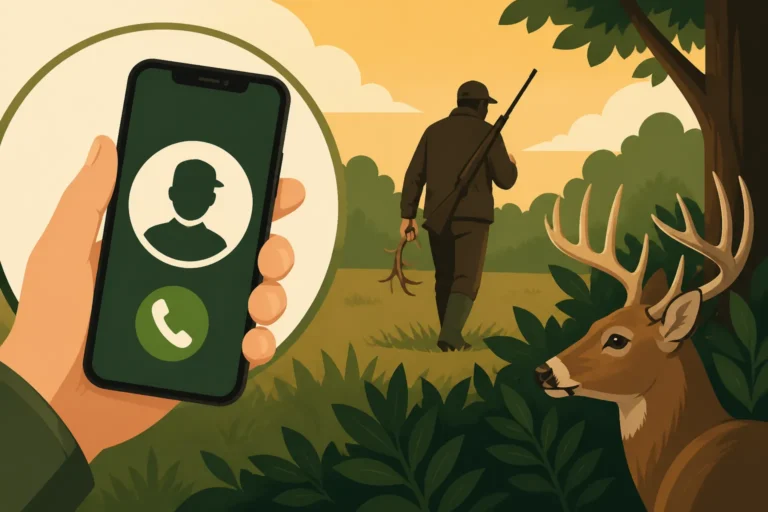
Once you've successfully harvested a turkey, the clock starts ticking. Missouri has a mandatory Telecheck system, and you must report your harvest by 10:00 PM on the day the turkey was taken. This isn't just a suggestion; it's a legal requirement. The Telecheck system is how the MDC tracks harvest numbers, monitors population health, and collects vital data for wildlife management.
Here's a step-by-step breakdown of the Telecheck process:
- Notch the Permit: Immediately after harvesting your turkey, you need to notch your permit. Use a knife or sharp object to cut out the month and day of the harvest. This physical act invalidates that portion of your permit for further use and clearly marks when the bird was taken.
- Access Telecheck: You can Telecheck your turkey in one of three ways:
- Online: Visit the MDC Telecheck website (mdc.mo.gov/telecheck).
- Phone: Call the toll-free number provided on your permit (typically 1-800-314-6828).
- MO Hunting App: Use the official Missouri Hunting App on your smartphone.
- Provide Information: You'll be asked for your permit number, the date of harvest, the county of harvest, and whether the bird was a gobbler or hen (for fall, you can harvest either). The system will guide you through the prompts.
- Receive Confirmation Number: After successfully submitting your information, you will receive a 10-digit confirmation number. You must write this number on your permit in the space provided. This confirmation number serves as proof that you legally checked your bird. Without it, your harvest is not properly reported.
It's common for hunters to find themselves in areas with no cell service, especially deep in the Ozarks or some of the more remote conservation areas. In these situations, you need a plan. You cannot transport an un-Telechecked turkey across county lines, except on the way to the nearest available Telecheck site. This means you might need to drive out of the woods to find service before you can continue your journey home or to camp. This is where tools like GoHunt, with its offline map capabilities, can be incredibly useful for marking areas where you might find a signal, or planning your route to a location with service. Ensuring you follow Missouri Turkey Telecheck Rules is not just about compliance, but also about supporting sound wildlife management practices.
Factors Influencing Missouri's Fall Turkey Bag Limits
When the Missouri Department of Conservation (MDC) sets regulations like the fall turkey bag limit, it's not simply pulling numbers out of a hat. These decisions are the result of extensive research, data analysis, and a deep understanding of turkey biology and population dynamics. As hunters, understanding these influencing factors can give us a greater appreciation for the rules and why they're in place, validating why limits might change over time.
Population Trends and Poult Survival
The health and trajectory of Missouri's wild turkey population are the primary drivers behind bag limits. MDC biologists diligently monitor Missouri Turkey Population Trends year-round. A critical metric is "poult survival," which refers to the number of young turkeys (poults) that survive to adulthood. Turkey hens typically lay a clutch of eggs in spring, but a myriad of factors—like harsh weather during nesting, predation (coyotes, raccoons, opossums), and habitat quality—can severely impact how many of those poults make it.
Years with poor poult survival rates mean fewer new turkeys are entering the population. If there have been several consecutive years of low poult numbers, the MDC might consider reducing bag limits or shortening seasons to protect the breeding stock and allow the population to recover. Conversely, strong poult survival years can sometimes allow for more liberal limits, though Missouri has generally maintained a conservative approach to fall turkey harvest to ensure long-term stability. The fall limit of two birds, either sex, allows hunters to participate without putting undue pressure on the reproductive capacity of the flock.
Habitat Health and Management Efforts
Turkey populations are intrinsically linked to their habitat. The quality and availability of suitable habitat — which includes mature timber for roosting, open woodlands with abundant mast (acorns, hickory nuts) for food, and grasslands or brushy areas for nesting and brood rearing — directly impact how many turkeys an area can support. Changes in land use, urban expansion, or even large-scale timber harvesting can alter habitat, subsequently affecting turkey numbers.
The MDC, often in partnership with private landowners, works tirelessly on habitat improvement projects. These efforts can range from prescribed burns to managing timber stands for better mast production, or planting beneficial food plots. While these efforts are crucial for long-term turkey health, habitat changes can sometimes lag behind population trends. Therefore, bag limits serve as a more immediate tool to respond to current population status while long-term habitat projects continue. Understanding these dynamics helps us grasp why regulations are dynamic, not static. For historical context on just how far these efforts have come, you can learn about How Missouri Restored Its Wild Turkeys.
Disease Monitoring and Other Environmental Factors
Like any wildlife population, turkeys can be affected by diseases. While not as widely publicized as Chronic Wasting Disease (CWD) in deer, avian diseases can sometimes impact turkey numbers. The MDC's comprehensive Missouri Wildlife Disease Monitoring program keeps an eye out for any outbreaks that could threaten the flock. If a significant disease event were to occur, it could prompt changes in harvest regulations to protect the remaining healthy population.
Beyond disease, other environmental factors play a role. Severe droughts can impact food sources and water availability, stressing turkeys. Extremely harsh winters, especially if combined with limited food, can also lead to increased mortality. While these factors are often localized and temporary, they contribute to the overall picture biologists use to set limits. Fall hunting itself presents unique challenges, as turkeys are often in larger, warier flocks. Techniques like Breaking Up a Fall Turkey Flock become essential to get a shot, highlighting how hunter behavior also influences harvest success.
Practical Considerations for Your Fall Turkey Hunt
Now that we've covered the official regulations, let's talk about some practical aspects of fall turkey hunting in Missouri. It's a different game than spring gobbler hunting, and being prepared for these differences can significantly improve your success and enjoyment.
Hunting Tactics for Fall Turkeys
Fall turkey hunting is less about calling in a lovestruck gobbler and more about locating flocks and then employing different strategies. Turkeys in the fall are usually grouped up, often in large "super flocks" that can number dozens of birds, composed of hens, jakes, and even mature gobblers. Their primary focus is on food and security, not breeding.
One of the most effective strategies is to locate a flock and then "bust" it – intentionally scatter the birds in all directions. Once they're scattered, you set up quickly and begin calling them back together, mimicking lost hen or young turkey calls. This strategy relies on their strong flocking instinct. Patience is key, as it can take a long time for birds to feel safe enough to begin calling and returning. Learning to read the timber and terrain for signs of turkey activity, such as scratchings, droppings, and dusting bowls, is crucial. If you're exploring Turkey Tactics for Crop Country, you'll find different strategies might be needed compared to timber hunting.
Another important aspect is scouting. Fall food sources shift throughout the season. Early fall might see turkeys in fields foraging on insects and waste grain, but as winter approaches, they'll often shift to hard mast like acorns in oak forests. Using aerial maps, or even tools like GoHunt with its robust mapping layers, can help you identify prime feeding and roosting areas. Remember, unlike spring, fall birds are less likely to respond aggressively to calls unless they've been scattered and are trying to regroup. If you find that When Missouri Gobblers Go Quiet, it's often a sign that you need to switch to fall-specific tactics.
Equipment for the Fall Woods
Your gear choices for fall turkey hunting will largely depend on your chosen method. If you're hunting with a shotgun, ensure it's patterned with the appropriate shot size (No. 4 to No. 9) for ethical kills at reasonable ranges. Camouflage is crucial, as turkeys have excellent eyesight, and large flocks mean many eyes are scanning for danger. A good ground blind can offer excellent concealment and help break up your silhouette, especially when calling birds back in after a bust.
For archery hunters, the challenges are even greater, demanding closer shots and impeccable concealment. You'll want to ensure your bow setup is tuned and your broadheads are sharp. Given the difficulty of closing the distance, many bowhunters prefer to use a ground blind or engage in slow, deliberate Hunting Turkeys With a Bow still-hunting techniques. Regardless of your method, reliable footwear for covering ground, a comfortable seat for long waits, and a good set of calls (mouth calls, slate calls, and box calls are all excellent choices for mimicking flock sounds) are essential. Don't forget bug spray and water, as early fall days can still be quite warm.
Table: Missouri Fall vs. Spring Turkey Hunting Quick Comparison
| Feature | Missouri Fall Turkey Season | Missouri Spring Turkey Season |
|---|---|---|
| Bag Limit | Two turkeys, either sex (total for season) | Two bearded turkeys (total for season) |
| Season Length | Archery: Oct 1 – Nov 10 & Nov 22 – Jan 15 | Youth: Weekend in April |
| Firearms: Oct 1 – Oct 31 | Main: Approx. Apr 15 – May 5 | |
| Primary Goal | Locate, scatter, and call back flocks | Call in breeding gobblers |
| Legal Methods | Shotgun, longbow, recurve, compound, crossbow, atlatl | Shotgun, longbow, recurve, compound, crossbow, atlatl |
| Hunter Orange | Not required | Not required |
| Sex Permitted | Either sex | Bearded birds only |
| Calling Focus | Yelps, clucks, purrs to regroup | Gobbles, aggressive calls, hen sounds to attract |
This quick comparison highlights the distinct approaches and rules for each season. Fall provides a unique opportunity to interact with turkeys in a different social dynamic, and knowing these differences can help you make the most of your time in the field.
Disclaimer
This article is for general informational purposes only and does not constitute professional advice. Laws, prices and regulations vary by location and change over time. Consult a qualified professional for guidance on your specific situation.