Target Shooting on Missouri Public Land
It’s a common itch for many of us, isn't it? You’ve got a new rifle dialed in, a fresh batch of handloads to test, or maybe you just want to knock the rust off before deer season. But finding a safe, legal, and convenient place to target shoot in Missouri, especially on public land, can feel like navigating a minefield. This guide is here to cut through the confusion, helping you understand where and how you can responsibly enjoy target shooting on Missouri's public ground.
Understanding Missouri's General Rules for Target Shooting on Public Land
Missouri is blessed with a lot of public land, from sprawling Conservation Areas to vast tracts of Mark Twain National Forest. While it might seem like a free-for-all, there are very specific rules and regulations that govern target shooting, and they're put in place for everyone's safety and to protect our natural resources. It’s not just about what you can shoot, but where you can shoot it and how you conduct yourself.
General Prohibitions and Safety First
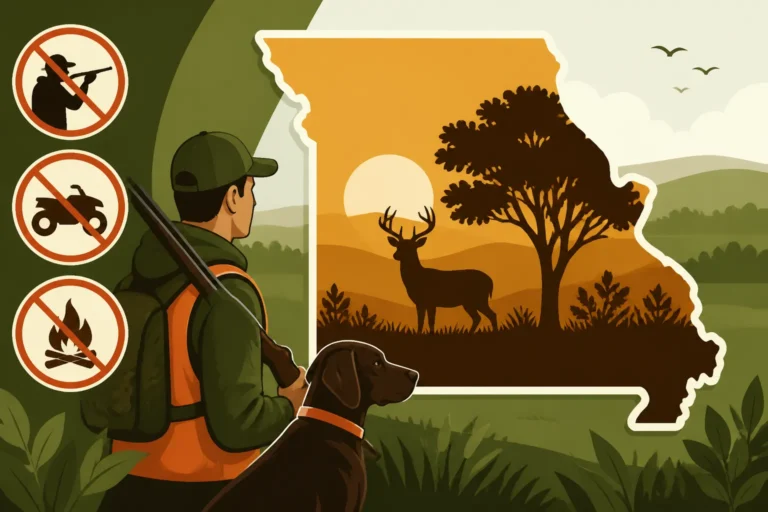
First and foremost, shooting across public roads or waterways is strictly forbidden and incredibly dangerous. You also cannot shoot at or near occupied buildings, or in a manner that endangers others. This might seem like common sense, but you’d be surprised how often people overlook these fundamental rules. The projectile's path and impact point are your responsibility, always. Imagine a family hiking on an adjacent trail or another hunter walking a ridge you can't see – your bullet could travel farther than you think. Always know your backstop and beyond. You’re also generally not allowed to shoot at trees, signs, or any other government property, which unfortunately some folks still treat as a free target. These rules are in place not to restrict your fun, but to ensure everyone can enjoy public land safely and responsibly.
What is (Generally) Allowed, and Where?
When it comes to unposted public land, such as some remote areas of Mark Twain National Forest, the general rule of thumb is that target shooting can be allowed, but only if it's done safely, far from developed areas, and without leaving a mess. This isn't a blanket permission, though. Many Missouri Conservation Areas have explicit rules against target shooting except in designated ranges. It's crucial to check the specific regulations for each area you plan to visit. Think about it: if you're on a heavily used public hunting area, especially during archery season, the sound of gunfire could disturb other hunters or simply be unsafe if people are walking trails nearby. Always carry a copy of the area's regulations, either printed or on your phone, to avoid any misunderstandings. Knowing Missouri Conservation Area Rules is your first line of defense against an accidental violation.
| Rule Category | Generally Allowed (with caution) | Generally Prohibited |
|---|---|---|
| Location | Designated shooting ranges; remote, unposted National Forest | Near roads, waterways, occupied buildings; most CAs (unless designated) |
| Targets | Paper targets, self-healing targets, clay pigeons (contained) | Trees, signs, government property, trash, glass |
| Safety | Known backstop, clear line of sight, proper ear/eye protection | Shooting across roads, without knowing backstop, unsafe angles |
| Cleanliness | Pack in, pack out all spent casings, targets, and trash | Leaving spent casings, shattered targets, or any litter |
| Behavior | Respectful of others, follow all signage, check area rules | Excessive noise, disturbing wildlife, endangering others |
Specific Public Lands and Their Target Shooting Provisions
Not all public land is created equal when it comes to target shooting. Some areas have dedicated facilities, while others have blanket prohibitions. It's vital to understand these distinctions to avoid fines or, worse, dangerous situations.
Missouri Conservation Areas with Designated Ranges
The Missouri Department of Conservation (MDC) manages hundreds of Conservation Areas (CAs) across the state. While many CAs do not allow unsupervised target shooting, the MDC actually provides several excellent public shooting ranges. These ranges are often well-maintained, offer various distances for rifles, pistols, and shotguns, and provide a safe, controlled environment. You’ll find ranges at places like August A. Busch Memorial Conservation Area near St. Louis, Lake City Conservation Area near Kansas City, and Andy Dalton Shooting Range and Outdoor Education Center near Springfield. These are fantastic resources! They usually have range officers, specific hours, and sometimes a small fee, but it's a small price to pay for safety and peace of mind. Always check the specific CA's webpage or brochure for their range's operating hours and rules before heading out. Sometimes, specific portions, like the Missouri Early Antlerless Portion Dates, might influence range availability or public land usage, so it’s always good to be aware of the hunting calendar.
Mark Twain National Forest Regulations
The Mark Twain National Forest (MTNF) offers a different landscape for target shooting. Unlike many CAs, the MTNF generally allows dispersed target shooting in unposted areas, provided you adhere to strict safety guidelines and leave no trace. This means you can't just set up anywhere; you need to be far from developed recreation sites, roads, trails, and water sources. Crucially, you must have a natural backstop that will safely stop all projectiles, and you are responsible for collecting all your spent casings, targets, and any other litter. Remember, the MTNF is a multi-use area. Hikers, campers, horseback riders, and other users might be present, so extreme caution and awareness are paramount. While Deer Hunting the Missouri Ozarks is a popular activity here, target shooting requires even greater vigilance for non-hunting public presence. Utilizing tools like onX Layers for Missouri Land Status can be invaluable to ensure you are indeed on National Forest land and to scout for safe, remote locations with good backstops.
Safe Shooting Practices and Etiquette on Public Ground
Responsible target shooting on public land goes beyond just following the written rules. It involves a strong commitment to safety, environmental stewardship, and respecting other users.
Prioritizing Safety: The Four Rules
Even when you're just plinking cans, the four fundamental rules of firearm safety are non-negotiable:
- Treat every firearm as if it were loaded. This mindset prevents accidental discharges.
- Always point the muzzle in a safe direction. Never let your firearm point at anything you're not willing to destroy.
- Keep your finger off the trigger until your sights are on the target and you've made the decision to shoot. This prevents negligent discharges.
- Be sure of your target and what is beyond it. This is especially critical on public land where you might not know who or what is on the other side of that hill. A bullet can travel for miles.
Always wear appropriate eye and ear protection, even if you’re just observing. Loud noises and flying debris are hazards you absolutely need to protect yourself from. When hunting, we're focused on game; when target shooting, we need to be hyper-focused on our surroundings and the safety of ourselves and others.
Leave No Trace and Environmental Responsibility
This is where many public land users fall short. The principle of "pack it in, pack it out" applies wholeheartedly to target shooting. Every spent casing, every shattered clay pigeon, every piece of paper target – it all needs to come home with you. Leaving trash behind not only pollutes the environment but also leads to public land managers restricting access or even closing areas to shooting. Remember, glass bottles are not suitable targets; they shatter into dangerous shards that can harm wildlife and other people. Old TVs, appliances, or other debris are absolutely not allowed. Be a good steward of the land, and others will be able to enjoy it too. If you are scouting a new area, perhaps using the Missouri Conservation Atlas, remember to check for designated shooting areas.
Alternatives to Open Field Shooting
Sometimes, the best way to practice your marksmanship isn't to find a remote spot in the woods, but to utilize dedicated facilities or even explore other options.
Commercial and Private Ranges
Beyond MDC-managed ranges, Missouri has numerous private and commercial shooting ranges that offer a controlled and often more comprehensive shooting experience. These ranges vary widely, from basic outdoor setups to elaborate indoor facilities with climate control and digital target systems. They often have experienced staff, offer training courses, and provide a safe environment for shooters of all skill levels. While there's usually a fee, the amenities and peace of mind can be well worth it. Many local gun clubs also offer membership-based ranges, which can be a great way to gain consistent access to quality facilities.
Bowhunting and Air Rifles as Practice
If your primary goal is to hone your hunting skills, consider alternatives that might be more readily available on general public land. Bowhunting practice, for instance, is often permitted on many CAs in designated areas, or even in your backyard with proper safety precautions. A quick check of Bowhunting Missouri's Four-Month Archery Season will tell you when you can actually hunt with your bow, but practicing is a year-round endeavor. Air rifles, which fall under different regulations than firearms, can also be a great way to practice marksmanship in more places, provided you understand their specific power and safety requirements. Always confirm local ordinances and public land rules for air rifle use. Ultimately, the more you practice safely, the more ethical and confident a hunter you'll be, whether it's with a rifle, shotgun, or bow, like when you're preparing for Missouri's Eleven-Day November Firearms Deer Season.
Disclaimer
This article is for general informational purposes only and does not constitute professional advice. Laws, prices and regulations vary by location and change over time. Consult a qualified professional for guidance on your specific situation.