Hunting Wah’Kon-Tah Prairie in Autumn
Hunting a vast, sprawling prairie in autumn can feel like a whole new world, especially if you're accustomed to the dense timber and rolling farmlands that define much of Missouri. The sheer scale, the endless tallgrass, and the subtle contours of a place like Wah'Kon-Tah Prairie demand a unique approach. This guide will help you understand the dynamics of this remarkable landscape and equip you with the knowledge to plan and execute a successful autumn hunt.
Understanding Wah'Kon-Tah Prairie's Unique Ecosystem for Autumn Hunting
Wah'Kon-Tah Prairie, managed by the Missouri Department of Conservation (MDC), is a breathtaking example of what Missouri's landscape once looked like across millions of acres. This isn't your typical Missouri timber block or river bottom; it's a vibrant, living ecosystem dominated by tallgrasses, wildflowers, and subtle changes in elevation that dictate wildlife movement. Hunting here in the fall means stepping into a truly wild setting, one that requires different scouting, strategies, and even gear than you might be used to.
The Prairie Landscape and Its Game Species
Imagine an ocean of grass, sometimes reaching head-high, interspersed with pockets of sumac, small plum thickets, and scattered native hardwoods, particularly along streams and draws. This isn't barren ground; it's incredibly rich in biodiversity. For hunters, this translates into fantastic opportunities for specific game. Wah'Kon-Tah is renowned for its upland birds, especially the northern bobwhite quail. While Missouri's pheasant population is mostly concentrated further north, you might occasionally encounter one here, but quail are the main attraction. Deer also thrive in this environment, using the tall grass for bedding and concealment, and the scattered timbered draws or fencerows for travel and additional cover. Rabbits are also abundant, making it a prime small game destination. Understanding these species and how they relate to the prairie's unique structure is the first step to a successful hunt.
The prairie offers a different kind of challenge and reward. Unlike hunting deep timber where your line of sight is limited, the prairie can feel boundless, making it easy to get disoriented or misjudge distances. However, this openness also allows for glassing vast areas and observing game behavior from afar, if you can find a suitable vantage point. The key is to think in terms of "micro-habitats" within the macro-prairie: areas where grass height changes, where a slight swale creates a thermal advantage, or where a brushy thicket offers crucial cover from predators and weather. These subtle distinctions are where the game will be.
Seasonal Changes Affecting Wildlife Behavior
As autumn progresses on Wah'Kon-Tah Prairie, wildlife behavior shifts dramatically in response to changing temperatures, food availability, and hunting pressure. Early fall, typically September and October, sees warm days, and the tall grasses are still very dense. This is prime time for Hunting Missouri Dove Fields in September along the edges where food plots might be planted or natural seed-bearing plants are abundant. Deer are still in summer patterns, focusing on green browse and the edges of any agricultural fields nearby. Quail coveys are forming, but the dense cover can make them hard to flush and even harder to find after the shot.
By November, the landscape starts to change. The tallgrasses begin to dry and flatten, and some of the smaller forbs die back, reducing cover but also potentially opening up travel corridors. Cooler temperatures make deer more active, and the archery rut can be in full swing, making them more vulnerable to calling and decoying tactics around the prairie edges. Waterfowl might start using prairie wetlands, if present, during migration. Later in the fall, approaching rifle seasons and deeper cold, deer will concentrate around remaining food sources and the most substantial thermal cover, which on a prairie, might be limited to deeper draws, cedar thickets, or larger timber blocks adjacent to the prairie. Understanding these transitions is critical for timing your hunts.
| Game Species | Primary Autumn Habitat | Behavioral Notes | Peak Hunting Period (Autumn) |
|---|---|---|---|
| Deer | Tallgrass bedding areas, timbered draws, field edges | Transition from summer browse to fall mast/crops; rut activity in November | Late October – Early December |
| Quail | Dense tallgrass, brushy thickets, edge cover | Coveys form; rely on thick cover for protection; food sources shift | October – November |
| Rabbit | Brush piles, thickets, fencerows, dense grass | Active in cooler temps; good numbers near heavier cover | October – December |
| Dove | Field edges, scattered open ground, water sources | Migratory; focus on food plots and accessible seeds | September |
Essential Scouting and Planning for Autumn Hunts
Hunting vast public ground like Wah'Kon-Tah Prairie without proper scouting and planning is like trying to find a needle in a haystack blindfolded. It's not just about showing up; it's about understanding the terrain, predicting animal movement, and having a solid strategy before you even set foot on the ground. This area, while beautiful, can be incredibly deceptive and requires a thoughtful approach.
Utilizing Digital Tools for Pre-Season Planning
Before you burn a single drop of gas, spend time pouring over digital maps. The Missouri Conservation Atlas is an invaluable resource, providing detailed maps of all MDC-managed lands, including Wah'Kon-Tah. Look for topographical changes, even subtle ones. A rise of just a few feet can act as a natural travel corridor or a thermal break for bedding deer. Identify any timbered fingers, brushy draws, or creeks that cut through the prairie, as these are often major highways for deer and excellent locations for quail coveys to roost or escape pressure. Pay close attention to the boundaries of the area, noting any adjacent private agricultural fields, as these will heavily influence deer movement onto and off the prairie.
Advanced mapping applications like onX Hunt are absolute game-changers for planning a prairie hunt. Not only do they clearly show property lines – crucial when hunting public land adjacent to private – but their satellite imagery allows you to zoom in and identify specific habitat features that might not be obvious from a generic map. You can mark potential access points, pinpoint brushy pockets, identify creek crossings, and even gauge the density of the tallgrass in certain areas. This virtual scouting helps you narrow down vast tracts of land to more manageable, promising sections, saving you countless hours of unproductive walking. I often use the wind direction overlay feature in onX Hunt to plan my approach routes based on prevailing winds on specific features.
On-the-Ground Scouting for Autumn Sign
Digital tools get you close, but nothing beats boots on the ground. Once you've identified promising areas from your maps, it's time to hike them. Early autumn, before the full swing of hunting seasons, is ideal. Look for deer trails cutting through the tallgrass – these will be much harder to spot once the grass fully dries and lays down. Pay attention to rub lines on any scattered trees or shrubs, and seek out scrapes along the edges of timber or fencerows. These are clear indicators of buck activity.
For upland birds, focus your scouting efforts on areas where cover transitions. Quail often gravitate towards edges where the tallgrass meets shorter herbaceous cover or small brushy thickets. Look for dusting bowls, scattered feathers, and, if you're lucky, droppings. Identifying these "quail motels" before the season will give you a significant advantage. Remember that animal sign in the prairie can be subtle; the sheer density of vegetation can hide a lot. Don't just walk the obvious paths; push through the tallgrass to see what's hidden within. It can be exhausting, but it's where the secrets of the prairie are revealed.
Hunting Strategies for Wah'Kon-Tah Prairie in the Fall
The unique habitat of Wah'Kon-Tah Prairie calls for hunting strategies that differ from the typical woodsman's approach. It's a game of patience, stealth, and understanding how to use the vastness and the limited cover to your advantage. Whether you're chasing bobwhites or big bucks, adapting your methods to the prairie is crucial.
Tactics for Upland Birds in the Tall Grass
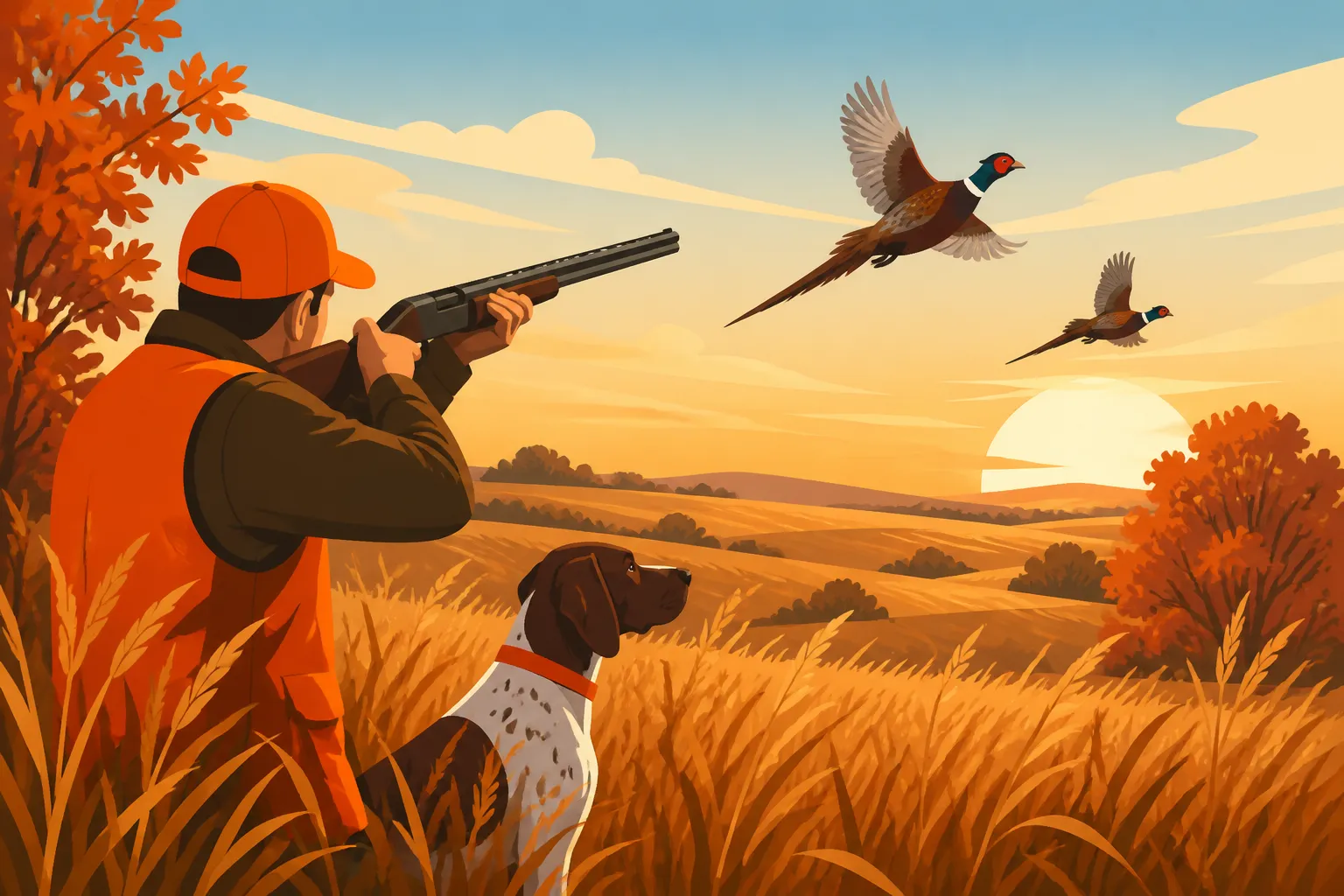
Hunting quail on Wah'Kon-Tah Prairie, especially in the thick cover of early autumn, is often a job for a good bird dog. The dense tallgrass can make it nearly impossible to locate downed birds without a canine companion. Walking Missouri Quail Cover With a Dog transforms a frustrating endeavor into a rewarding experience, allowing the dog to scent birds and hold them on point, or to flush them where you can get a shot. Focus your efforts on the brushy draws, plum thickets, and edges where the prairie gives way to more traditional timber or crop fields, as these areas often concentrate birds.
Without a dog, hunting upland birds becomes a strategic walk-up. Form a line with hunting partners and systematically push through sections of tallgrass, especially those areas you identified during scouting as potential covey locations. The key is to maintain communication and a steady pace. Shots will likely be quick, as birds erupt from cover. Having a clear plan for marking downed birds in the tallgrass is essential to avoid losing them. Remember that late-season birds might flush wilder and run more, so adapting your approach as the season progresses is vital. Don't forget your Upland Vests and Quail Gear, especially if you plan on covering a lot of ground.
Archery Deer Hunting in Prairie Edges and Draws
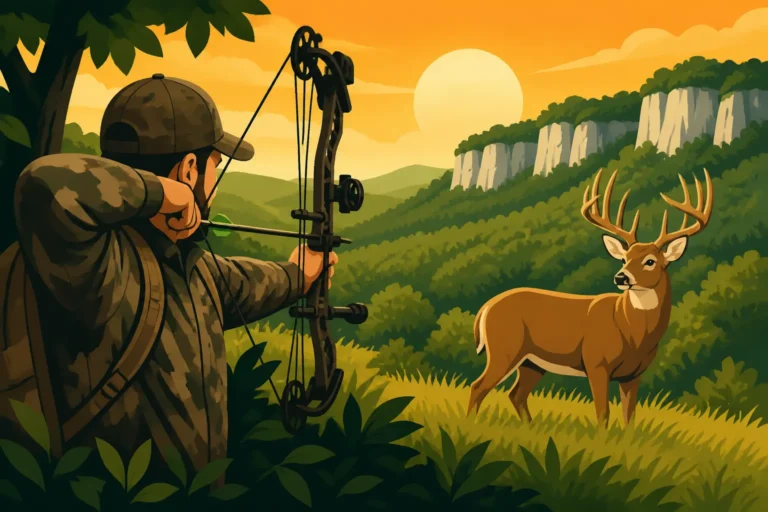
While the open prairie might seem counterintuitive for bowhunting, Wah'Kon-Tah offers surprising opportunities, particularly during Bowhunting Missouri's Four-Month Archery Season. Deer, especially bucks, will use the dense tallgrass for bedding, and the more secluded draws, timbered fencerows, or scattered brushy pockets as travel corridors. Your strategy here will likely involve hunting the transition zones. Look for areas where the prairie meets a timber block, a brushy creek, or even a small food plot. These edges are natural funnels.
Setting up a ground blind, carefully brushed in on a field edge or along a timbered draw, can be incredibly effective. Consider locations where deer are likely to move between bedding in the tallgrass and feeding in adjacent agricultural fields or mast-producing timber. Elevated stands can also work if you can find suitable trees along these edge habitats. Pay close attention to wind direction, as the open nature of the prairie can carry scent a long way. Using digital maps like onX Hunt to identify subtle funnels within the prairie – perhaps a slight rise in elevation or a small clump of trees acting as a pinch point – can give you a significant advantage. Remember, deer might seem to appear out of nowhere in the vastness, so stay vigilant. Ground Blinds on Crop Field Edges can be adapted for prairie edge hunting, offering concealment where natural cover is sparse.
Small Game Opportunities
Beyond deer and quail, Wah'Kon-Tah Prairie is a fantastic place to pursue Missouri Small Game and Rabbits. Rabbits thrive in the brushy cover, sumac thickets, and dense grass pockets found throughout the area, particularly along edges and draws. You can often flush cottontails by simply walking through dense cover, especially on cooler, overcast days when they might be more active. A good beagle can make rabbit hunting a very productive and enjoyable pursuit here, as they excel at pushing rabbits from heavy cover.
Squirrels, while not typically thought of as prairie dwellers, can be found in any of the scattered timber blocks, mature fencerows, or creek bottoms that bisect the prairie. These areas often have oak and hickory trees, providing crucial food sources. Combining a rabbit hunt with a squirrel hunt in these transitional zones can make for a diverse and exciting day in the field. Remember to carry a small game permit and be aware of bag limits for all species you pursue.
Gear and Considerations for Prairie Hunting
Hunting Wah'Kon-Tah Prairie isn't just about strategy; it's also about being prepared for the environment. The open nature of the landscape, coupled with potentially unpredictable Missouri autumn weather, means your gear choices and safety considerations are paramount.
Clothing and Footwear for Prairie Conditions
Comfort and durability are key when it comes to clothing for prairie hunting. You'll be doing a lot of walking, often through dense, abrasive tallgrass that can be wet with dew or rain. Sturdy brush pants or briar-resistant chaps are almost a necessity to protect your legs from burs, thorns, and general wear and tear. Layers are critical for dealing with Missouri's notoriously fluctuating autumn temperatures; a morning chill can quickly turn into a warm midday, only to drop again as evening approaches. Think breathable base layers, insulating mid-layers, and a windproof, water-resistant outer shell.
For footwear, prioritize comfort and support. Good quality, waterproof hiking boots with ample ankle support will be your best friend. The ground can be uneven, and while not mountainous, the constant walking over tussocks of grass can be tiring. Keep an eye on the weather forecast, but always pack for unexpected rain or a sudden drop in temperature. If you're hunting during any portion of the firearms deer season, don't forget your blaze orange; Orange Requirements for Missouri Archers and firearms hunters are clearly laid out, ensuring you meet the minimum square inch requirements.
Optics and Navigation on Expansive Terrain
On a prairie, good optics are your eyes. While compact binoculars are fine for timber, you'll benefit from a quality pair of 8x or 10x binoculars to scan the vast expanses for deer, distant coveys of quail, or other game movement. Being able to spot game from a distance allows you to plan your approach more effectively, taking advantage of subtle terrain features to stay concealed. A rangefinder is also invaluable for bowhunting or long-range shots with a rifle, as the open terrain can play tricks on your depth perception.
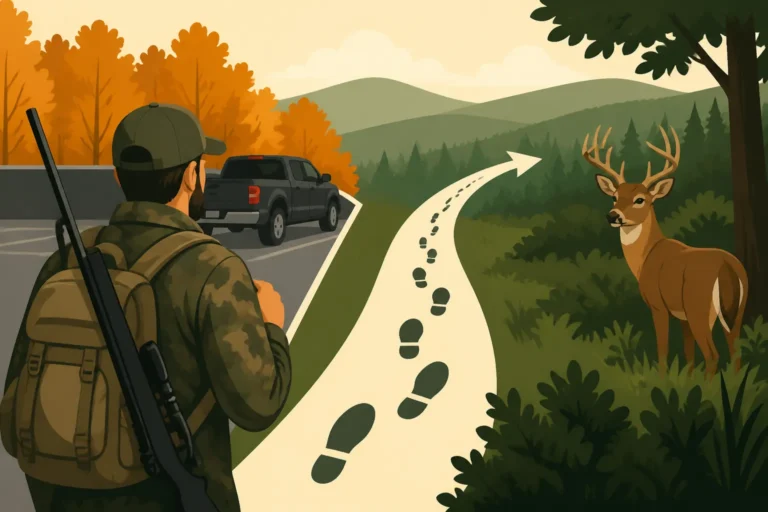
Navigation is paramount. While the MDC provides excellent maps, the uniformity of the prairie can make it surprisingly easy to get disoriented, especially on overcast days or as daylight fades. A reliable GPS unit or a smartphone with a robust mapping app like onX Hunt is essential. Not only can onX Hunt show you your exact location, but you can mark waypoints, track your path, and clearly see property boundaries, which is crucial on public land. Don't rely solely on your phone's battery; carry a portable power bank or a backup traditional compass and a paper map, especially if you plan to venture deep into the prairie.
Ethical Considerations and Safety on the Prairie
Hunting on public land like Wah'Kon-Tah Prairie means sharing the resource. Always be aware of other hunters, and be courteous. If you see another hunter working an area, respect their space. Safety is always paramount. When hunting upland birds, ensure you have a clear understanding of where your hunting partners are at all times, and always know your shooting lanes. In dense cover, unexpected flushes can lead to dangerous situations if you're not careful.
Carrying a basic first-aid kit is always a good idea, especially on remote public lands. Dehydration can be a real risk during warmer autumn days, so carry plenty of water. Inform someone of your hunting plans, including your general location and expected return time. Finally, ethical shot placement and proper game recovery are critical. The tallgrass can make tracking difficult, so take extra care to make a good shot and be prepared to spend ample time following a blood trail. Blood Trailing After Dark in Missouri might be necessary if you make a late shot. Remember to practice Field Dressing and Cooling in Early-Season Heat if the weather is still warm, as game meat can spoil quickly.
Disclaimer
This article is for general informational purposes only and does not constitute professional advice. Laws, prices and regulations vary by location and change over time. Consult a qualified professional for guidance on your specific situation.