Do You Need Written Permission in Missouri?
It's a common dilemma that many hunters in Missouri face: you've found that perfect-looking patch of timber, a promising field edge, or a secluded creek bottom on private property, and you know you need to ask for permission. But what kind of permission? A handshake and a verbal "go ahead," or do you need something more formal, something written down? This guide will dive deep into Missouri's nuanced rules around hunting private land, explaining why, even when not legally required, written permission is almost always your best bet for peace of mind and continued access.
Missouri's Permission Laws: What the Books Say
Let's cut right to the chase because this is where a lot of confusion begins. In Missouri, the law surrounding hunting on private land is designed to be pretty straightforward, but like anything, there are layers to it. Generally speaking, to hunt on private land, you absolutely must have the permission of the landowner or the person in charge of the property. That much is non-negotiable.
The tricky part comes with the type of permission. Missouri law technically allows for verbal permission to hunt on private land, unless that land is "posted." If you're granted a verbal "sure, go ahead" from Farmer John, and his land isn't marked as posted, you're usually considered good to go under state law. It's that simple, on paper. However, simple on paper doesn't always translate to simple in practice, as we'll explore shortly. The key distinction here is that while verbal permission is recognized, it lacks the definitive proof that written permission provides. Understanding Missouri Trespass and Permission Law is crucial for any hunter.
Defining "Posted" Land in Missouri
So, what makes land "posted" in the eyes of Missouri law? It's not just a casual sign someone slapped on a fence. For land to be legally considered "posted," it needs to meet specific criteria. This typically means:
- Signs: Conspicuous signs must be placed not more than 200 feet apart along the borders of the property, with words like "No Trespassing," "Private Property," or "Hunting by Permission Only." These signs should be easily visible.
- Purple Paint: This is a widely recognized and legally binding method in Missouri. A vertical stripe of purple paint, at least 8 inches long and between 3 to 5 feet off the ground, applied to trees or posts at intervals of 100 feet or less, also signifies "No Trespassing." Once you see that purple paint, assume it's posted.
If land is posted using either of these methods, then any entry for hunting (or other purposes) without explicit permission is a clear act of trespass. Even if you believe you had verbal permission, the "posted" status heightens the legal ramifications and makes your position much weaker without tangible proof. For more details on what counts, check out Missouri Posted Land Rules.
The Ambiguity of Verbal Agreements
While verbal permission is legally permissible on unposted land, it opens the door to a host of potential problems. Imagine you have a conversation with a landowner, they give you the nod to hunt their back forty, and you head out with your gear. Sounds perfect, right? But then, maybe the landowner forgets the exact dates you discussed, or perhaps their son sees you hunting and assumes you're trespassing, calling the local conservation agent.
Without anything in writing, it quickly devolves into a "he said, she said" situation. Your word against theirs, or against someone else's interpretation. This isn't just an inconvenience; it can lead to uncomfortable confrontations, legal challenges, and at the very least, the immediate loss of your hunting spot. The reality is, even with the best intentions, memories fade, details get fuzzy, and misunderstandings can easily arise.
The Risks of Verbal Permission
Relying solely on a verbal agreement, no matter how good your relationship with the landowner might seem, can be a bit like walking a tightrope without a net. It works fine until it doesn't, and when it goes wrong, the fall can be quite impactful, costing you time, money, and most importantly, access to a cherished hunting spot.
The "He Said, She Said" Scenarios
Picture this: You've been hunting old man Johnson's back 80 for years on a handshake. He knows you, you know him, it's a solid arrangement. Then, a new deer season rolls around, and maybe Mr. Johnson's health isn't what it used to be. His nephew, who helps him out on the farm, doesn't recognize your truck and sees you walking into the woods. He calls the Conservation Agent, convinced you're poaching. When the agent arrives, Mr. Johnson might not remember the specific dates he gave you, or he might genuinely be confused. Now you're in a tough spot, trying to explain a verbal agreement that lacks any proof. The agent has a job to do, and without clear evidence, things can escalate quickly. This kind of situation isn't uncommon and highlights the fragility of verbal agreements, especially as time passes or circumstances change.
Another common scenario involves misunderstandings about the scope of permission. Did Mr. Johnson say you could hunt any deer, or just a doe? Did he mean the entire farm, or just the timbered portion? Could you bring a friend? Was it for archery season only, or firearms too? These subtle differences, if not clearly communicated and documented, can lead to uncomfortable conversations in the field.
Changing Relationships and Property Dynamics
Land ownership and relationships are rarely static. A landowner you've known for years might sell their property. The new owner, understandably, has no idea who you are or what arrangement you had with the previous owner. Without written permission, your access evaporates instantly. Or perhaps the landowner experiences a change in their personal life – a family dispute, new neighbors, or simply a shift in their willingness to have outsiders on their property. A verbal agreement, no matter how strong it once felt, offers little to no recourse in these situations.
Even within families, things can get complicated. A landowner's children or other family members might not be aware of your verbal permission, leading to awkward encounters or even accusations of trespassing. Retrieving Game From Private Land can even become an issue if permission isn't crystal clear about post-harvest activities. These are the real-world frustrations that hunters face, making a strong case for taking the extra step to get things in writing.
| Feature | Verbal Permission | Written Permission |
|---|---|---|
| Legally Valid? | Yes, if land is unposted. | Yes, always provides clear proof. |
| Proof of Access? | Your word against theirs; easily disputed. | Clear, undeniable documentation. |
| Clarity of Terms? | Prone to misunderstanding or forgetfulness. | Specific details recorded, minimizing ambiguity. |
| Legal Protection? | Limited; vulnerable in disputes. | Strong evidence against trespass accusations. |
| Relationship Impact? | Can strain trust if misunderstandings arise. | Builds trust through professionalism and clear boundaries. |
| Future Access? | Highly dependent on ongoing goodwill; less secure. | More secure, creates a record for future renewals. |
| Ease of Obtaining? | Quick and informal, a simple conversation. | Requires a bit more effort upfront, but worth it. |
Crafting a Solid Written Permission Agreement
Alright, so you're convinced that written permission is the way to go. Excellent! Now, let's talk about what actually makes a good, solid permission slip. It doesn't need to be a fancy legal document drafted by a high-priced attorney. It just needs to be clear, concise, and cover the essential bases. The goal is to eliminate any guesswork or potential for misunderstanding for both you and the landowner.
Essential Elements of a Permission Form
When you're putting together a written permission slip, or using a template, make sure it includes these critical pieces of information:
- Hunter's Information: Your full legal name, address, and phone number. This identifies who is being granted permission.
- Landowner's Information: The full legal name of the landowner or authorized agent, address, and phone number. This identifies who is granting permission.
- Property Description: This is super important. Don't just say "the back forty." Include the physical address, county, and if possible, a legal description or parcel number. Using tools like onX Hunt or even the Missouri Conservation Atlas can help you accurately identify property boundaries and parcel IDs. Finding Missouri Property Lines is a fantastic article if you're looking to get precise.
- Dates of Permission: Clearly state when the permission begins and when it ends. Is it for a specific weekend? A whole season? A calendar year? Be explicit.
- Allowed Activities: What exactly are you allowed to do? Hunt deer (archery, firearms, muzzleloader, alternative methods)? Turkey (spring, fall)? Small game (squirrel, rabbit, quail)? Are you allowed to scout? Fish? Bring a dog? This prevents scope creep and misunderstandings.
- Vehicle Access: Where can you park? Are you allowed to drive on trails or only stay on main roads? This is a common point of contention, so be clear.
- Contact Information: Both your number and the landowner's, so either party can reach the other if an issue arises.
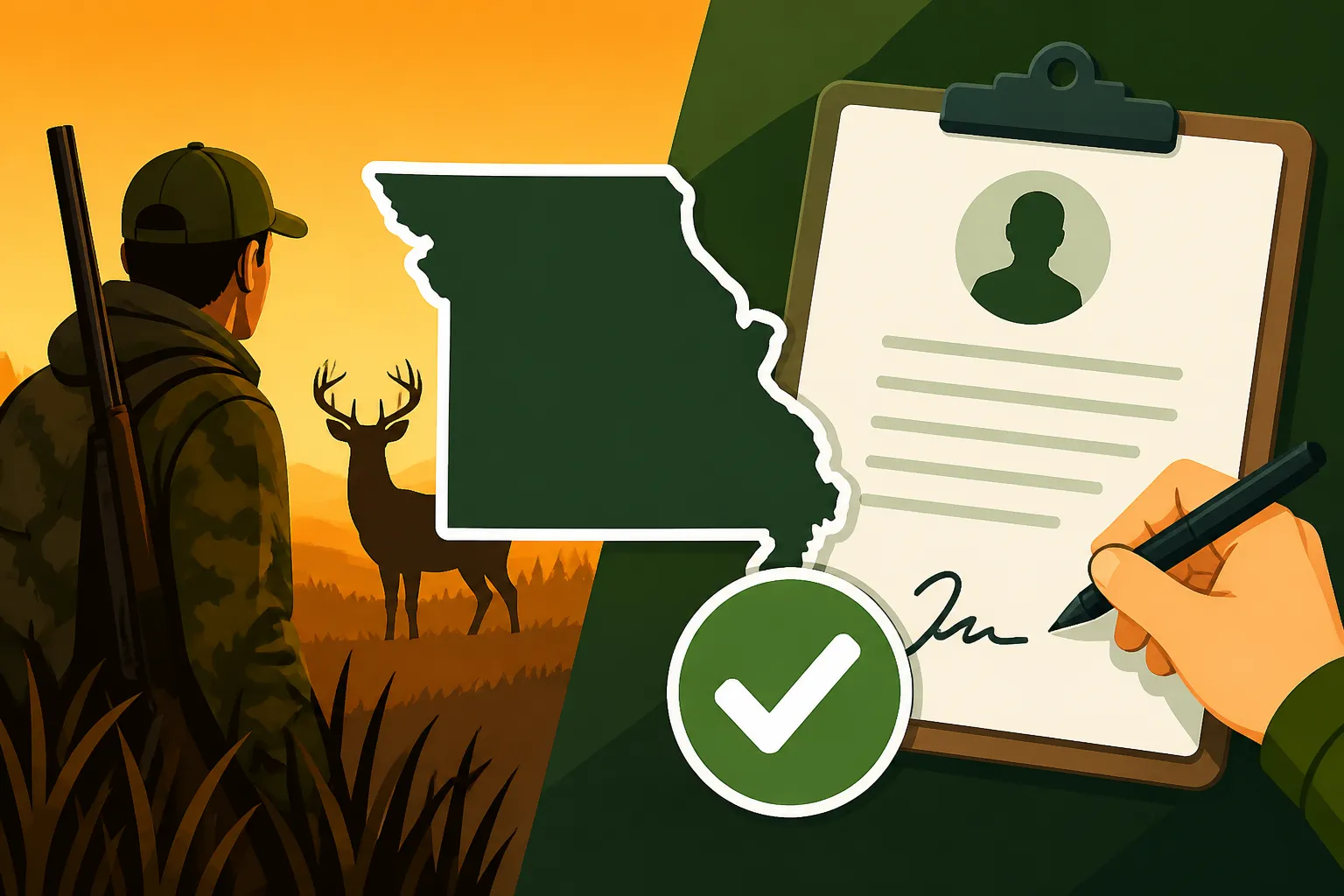
- Signatures and Date: Both the hunter and the landowner need to sign and date the document. This is what makes it legally binding.
You can often find basic permission form templates online through the Missouri Department of Conservation (MDC) or various hunting organizations. They provide a great starting point, and you can always customize them slightly to fit your specific agreement. When you’re Asking a Missouri Farmer for Permission, bringing a prepared form shows you’re serious and respectful of their property.
Leveraging Technology for Accuracy
In today's world, we have some incredible tools at our fingertips that can make mapping and understanding property lines much easier. Services like onX Hunt are invaluable for this. You can pull up detailed maps that show property boundaries, landowner names, and even contact information in some cases. This is not only helpful for ensuring you're on the right parcel but also for presenting a professional and informed request to the landowner. You can mark the exact areas you're asking to hunt on a digital map, then print it out to attach to your written permission form. This visual aid clarifies everything.
Other mapping apps, or even the Scouting With the Missouri Conservation Atlas, can help you identify features like timber, field edges, water sources, and access points that might be relevant to your hunting plan, ensuring your permission details are as precise as possible.
Building and Maintaining Landowner Relationships
Getting written permission isn't just about a piece of paper; it's about solidifying a relationship based on respect and trust. A signed document protects both parties, but the ongoing relationship is what truly secures long-term hunting access. Think of the written permission as the foundation, and your actions as the ongoing construction of a strong partnership.
Beyond the Signature: Respect and Communication
Once you have that signed permission slip in hand, your work isn't done. The real art of hunting private land in Missouri lies in being an exemplary guest. Always adhere strictly to the terms of your agreement. If the landowner said no ATVs, then no ATVs, even if it means a longer walk. If you said you'd only hunt deer, don't suddenly decide to chase squirrels. Every time you're on their property, act as if you're being watched, because, in a way, you are – your actions reflect on you and every other hunter who might seek permission in the future.
Good communication is key. If your plans change, or if you need to access the property outside of your agreed-upon hunting days (say, to retrieve a wounded animal), always call the landowner first. Don't assume. A quick call shows respect and keeps them in the loop. It’s also wise to inform them when you'll be on their land for planned hunts. This prevents any surprises and ensures they know who is on their property.
Offering Assistance and Stewardship
One of the best ways to foster a strong relationship with a landowner is to offer a helping hand. Farmers and landowners are busy people, and they often appreciate a bit of assistance. This could be anything from helping mend a fence, clearing some brush, picking up trash (even if it's not yours), or simply dropping off a box of donuts or a gift card as a thank you. These small gestures show you value their generosity and are invested in more than just taking game.
Being a good steward of their land means leaving it better than you found it. Close gates, don't drive through muddy fields if it can be avoided, avoid disturbing livestock, and certainly don't leave any trash behind. If you notice a broken fence or anything amiss, let them know. Showing genuine care for their property goes a long way. This kind of thoughtful interaction can turn a one-time permission into a lifetime of hunting opportunities, and word travels fast among rural communities. Building these connections is vital, especially when Knocking on Doors in Missouri Farm Country in search of new spots. It's often easier to get Getting Private Land Permission in Missouri if you're known as a responsible, respectful individual.
The Power of the Post-Hunt Thank You
Finally, never underestimate the power of a sincere thank you. After your hunt, whether you harvested game or not, take the time to express your gratitude. A phone call, a thank-you note, or even offering to share some of the venison (if you're successful and they are open to it) can cement a positive impression. This reinforces your reliability and politeness, making it far more likely they'll welcome you back next season. Remember, you're not just a hunter; you're a representative of the hunting community, and every interaction contributes to the overall perception of hunters. The more positive experiences landowners have, the more open they'll be to future requests, benefiting everyone who enjoys Hunting Small Private Tracts in Missouri.
Disclaimer
This article is for general informational purposes only and does not constitute professional advice. Laws, prices and regulations vary by location and change over time. Consult a qualified professional for guidance on your specific situation.