Duck Creek Conservation Area Hunting
If you've ever found yourself dreaming of mallards raining down through flooded timber, then Duck Creek Conservation Area has likely whispered its name to you. But let's be real: the dream often comes with a dose of intimidation. This isn't your grandma's duck pond; it's a premier Missouri waterfowl destination, and navigating its opportunities, rules, and pressures can feel like a hunt in itself. This guide is designed to cut through the confusion and give you a clear path to a successful and enjoyable experience at Duck Creek, from understanding the landscape to mastering the managed hunt system.
Understanding Duck Creek Conservation Area's Unique Landscape
Duck Creek Conservation Area, nestled in Missouri's southeastern Bootheel, is legendary among waterfowlers, and for good reason. This place is meticulously managed to create prime habitat, attracting thousands of ducks during migration. But what makes it so special, and why does that also make it such a challenge for hunters? It’s all about the balance of incredible habitat and the sheer popularity that comes with it.
A Waterfowler's Paradise (and Challenge)
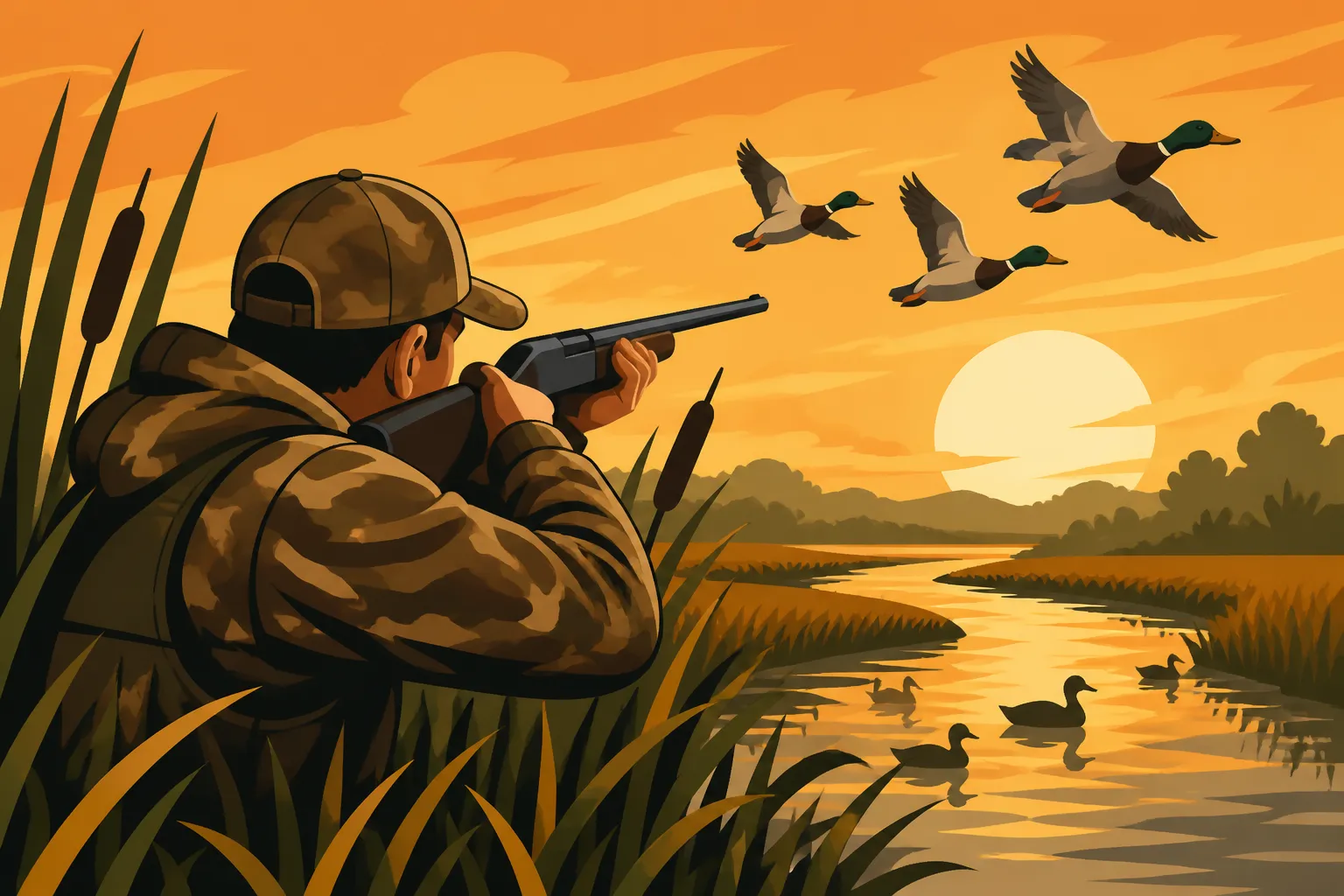
Imagine waking up before dawn, the air crisp and cold, the distant sounds of ducks on the move echoing through the pre-light stillness. That’s the magic of Duck Creek. This area boasts an impressive network of moist-soil units, flooded timber, and agricultural fields, all designed to provide food, cover, and resting areas for migratory waterfowl. The Missouri Department of Conservation (MDC) puts a tremendous amount of effort into managing water levels, planting crops like corn and millet, and controlling vegetation to create this ideal environment. When conditions are right, you can witness some truly spectacular flights. It's truly a marvel of conservation.
However, this paradise comes with a flip side: intense hunting pressure. Because Duck Creek is such a renowned spot, it attracts hunters from across the state and beyond. This means competition for prime spots, early mornings, and navigating a regulated draw system. It's not a place for the faint of heart, or for those who don't plan ahead. You have to be prepared for company, and you have to understand that your best chance often lies in playing by the rules and being persistent. For specific strategies on how to handle these kinds of environments, checking out resources like Flooded Timber Duck Hunting in Missouri can offer deeper insights.
Beyond the Ducks: Other Opportunities
While waterfowl hunting is undeniably the star attraction at Duck Creek, it’s not the only game in town. The diverse habitats also support a variety of other wildlife, offering additional hunting opportunities for those willing to explore beyond the duck blinds.
For instance, the timbered areas and field edges can hold a good number of deer, though deer hunting here requires just as much, if not more, scouting to find unpressured pockets. Small game like squirrels and rabbits can also be found, particularly in the forested sections that aren't primarily managed for waterfowl. If you're looking for a change of pace, these options can provide a rewarding hunt, often with less competition than the duck pools. Just remember that regulations and seasons for these other species will differ from waterfowl, so always check the area-specific rules before heading out. Squirrel and Rabbit Hunting in Missouri might be a good starting point if you're considering these options.
Navigating Permits, Draws, and Regulations
Hunting at Duck Creek isn't as simple as showing up with your shotgun. It's a managed area, meaning there are specific procedures, permits, and rules you need to follow. This is where many hunters get frustrated, but understanding the system is key to having a fair shot at a great hunt.
The Managed Hunt Draw System
The biggest hurdle for most waterfowlers at Duck Creek is the managed hunt draw system. Due to the area's popularity and the desire to provide a quality experience while preventing overcrowding, access to many of the prime waterfowl units is controlled through a daily drawing. This means you don't just pick your spot; you literally draw for it. Waking up early, making the drive, and then potentially drawing a poor number (or no spot at all) can be a real gut punch, but it's part of the game. For a full rundown, refer to Missouri Managed Wetland Draw System and What Happens at a Wetland Morning Drawing.
There are a few ways these managed hunts typically operate:
- Daily Draws: The most common method. Hunters check in well before legal shooting light, put their names into a hat (or a digital equivalent), and then wait for their number to be called. Lower numbers get first choice of available hunting locations.
- Reservations: Some managed wetland areas also offer a limited number of hunt positions through an online reservation system, often requiring applications weeks or months in advance. These are highly sought after and often fill up almost instantly.
- Stand-by: If all reserved or drawn spots aren't filled, there might be a stand-by process, giving latecomers a chance, but it's never guaranteed.
It's crucial to understand that even with a high draw number, you might still get a fantastic hunt, especially if you're willing to walk a bit further or explore less-pressured corners. Don't give up just because you're not first on the list.
Essential Permit Requirements
Beyond the daily draw, you'll need the proper permits to legally hunt waterfowl in Missouri. This is non-negotiable, and conservation agents are diligent about checking. Make sure your paperwork is in order before you leave home.
Here's a quick rundown of what you'll typically need:
- Missouri Small Game Hunting Permit: This is your basic permit for hunting migratory birds.
- Missouri Migratory Bird Hunting Permit (HIP Registration): Often forgotten, this is a federal requirement for hunting migratory birds. You register each year, and it helps the U.S. Fish and Wildlife Service gather harvest data. Missouri HIP Registration for Migratory Birds is a good resource to ensure you're compliant.
- Federal Duck Stamp: This annual stamp is another federal requirement for hunting ducks, geese, and swans. Not only is it legally required, but 98% of the purchase price goes directly to conserving wetland habitats for wildlife and people. You literally contribute to the places you hunt by buying one. Missouri Federal Duck Stamp Requirement has more details.
- Managed Area Permit (if applicable): While not always a separate physical permit, some managed areas might have an additional, free permit you need to acquire (often just a sign-in/sign-out process) to keep track of hunter numbers and harvest. Always check the area-specific brochure.
Always double-check the current hunting digest or the MDC website for the most up-to-date information on permit requirements and prices before each season. The rules can change, and you don't want to be caught off guard.
Special Rules and Nontoxic Shot
Duck Creek, like all managed waterfowl areas, has specific rules that are often stricter than general statewide regulations. These are put in place to manage the resource, ensure hunter safety, and maintain a quality experience. Ignoring them can lead to fines, permit revocation, and a lot of frustration.
One of the most important rules to remember is the nontoxic shot requirement. Lead shot is strictly prohibited for all waterfowl hunting, and for some other species on managed areas. This is to protect waterfowl from lead poisoning. Make sure your shells are steel, bismuth, tungsten-matrix, or another approved nontoxic material. Enforcement is strict on this, and it's for good reason. For more detailed information, see Nontoxic Shot Rules on Missouri Wetlands.
Other common rules you might encounter include:
- Shooting Hours: Often strictly enforced, starting and ending at specific times tied to sunrise and sunset.
- Bag Limits: While statewide limits apply, some managed areas might have specific daily or possession limits for certain species to manage local populations or pressure. See Missouri Duck Daily Bag Limit for general information, but always check the area's specific brochure for any local modifications.
- Refuge Zones: Duck Creek, like many wetlands, has designated "refuge zones" where hunting is completely prohibited. These areas provide ducks with undisturbed resting and feeding areas. Understanding where these Missouri Waterfowl Refuge Zones are is critical. Hunting in a refuge is a serious violation.
- Blind Regulations: Some areas may have specific rules about constructing temporary blinds, using permanent blinds, or leaving materials in the area.
- Boat and Motor Restrictions: Certain areas might limit motor size or prohibit motors altogether.
It's your responsibility to know these rules. The MDC website has specific brochures for each conservation area. Download it, read it, and bring a copy with you. Using a mapping app like onX Hunt can also be incredibly helpful for identifying area boundaries, refuge zones, and potential access points, allowing you to visually confirm you are within legal hunting areas and respecting property lines.
Here's a quick summary of key Duck Creek Regulations:
| Regulation Aspect | Typical Rule at Duck Creek (Always Verify Current Brochure) |
|---|---|
| Access Control | Daily draw system for most waterfowl units. Check-in required. |
| Shot Type | Nontoxic shot required for all waterfowl and other specified hunting. |
| Waterfowl Bag Limit | Statewide limits apply, but check area brochure for specific species. |
| Hunting Hours | Legal shooting hours (typically ½ hour before sunrise to sunset) strictly enforced. |
| Refuge Areas | Clearly marked zones where no hunting is allowed. Respect boundaries. |
| Boat Restrictions | Generally allowed, but check for specific motor size limits. |
| Blinds | Temporary blinds usually allowed. No permanent structures. |
| ATVs/UTVs | Typically restricted to designated routes, often prohibited off-road. |
Strategies for Success on the Water and in the Timber
Duck Creek can be challenging, but with the right approach, it can also be incredibly rewarding. It's not just about luck in the draw; it's about preparation, execution, and adapting to the conditions.
Scouting and Preparation
Success at Duck Creek starts long before opening day. Good scouting can give you a significant advantage, even if you're drawing for a spot. You're looking for where the birds want to be, which isn't always where the other hunters are. Scouting Missouri Public Land Before Season is crucial for any public land hunter.
- Pre-Season Visits: If possible, visit Duck Creek before the season starts. Drive the roads, walk the accessible trails, and observe. Look for water levels (crucial for Reading Water Levels on a Wetland), food sources, and general bird activity. Even in the off-season, you can identify good timber pockets or secluded moist-soil units.
- Digital Scouting: This is where modern tools shine. Using mapping apps like onX Hunt is invaluable. You can study aerial imagery to identify flooded timber, sloughs, and potential flight paths. The app's land ownership layers will clearly delineate the conservation area boundaries, roads, and often even marked refuge zones, helping you avoid accidental trespass or illegal hunting areas. You can mark potential spots, plan entry and exit routes, and even monitor other hunters if you get a chance to visit during the season. This kind of detailed planning can make all the difference, especially when you're under pressure during the morning draw.
- Weather and Migration: Keep a close eye on weather patterns and migration reports. Cold fronts pushing south can bring in fresh waves of birds, completely changing the dynamics of the area. Knowing which Missouri Duck Zone Boundaries you're in and how weather affects that specific zone can give you a leg up.
- Gear Check: Ensure your waders are leak-free – you’ll be in the water. Your shotgun needs to be clean and functioning. Waders for Missouri Flooded Timber discusses different options, but suffice it to say, reliable waders are a must. Your calls should be tuned, and your decoys in good repair.
Decoy Spreads and Calling Tactics
Once you've secured a spot at Duck Creek, your ability to set up effectively and call convincingly will be the deciding factor in whether ducks commit. The birds here are often "educated" due to pressure, so subtlety and realism are key.
- Decoy Strategy: In flooded timber, less can often be more. A handful of realistic decoys, placed naturally to mimic resting or feeding ducks, can be more effective than a massive spread that looks unnatural. Focus on creating a landing zone where ducks can easily pitch in. Motion decoys, like a jerk rig, can add crucial realism. Consider using a mix of species, but mostly mallards, as they are often the primary target. For more detailed advice, read Decoy Numbers for Green Timber.
- Calling Techniques: Aggressive, loud calling can sometimes flare wary ducks on pressured ground. Start with softer, contented feeding calls or subtle quacks. Only increase the intensity if birds are distant or showing interest. Learn to read the birds and adjust your calling accordingly. A good variety of calls—a main duck call, a pintail whistle, maybe a gadwall call—can help if you encounter different species. Mastering Duck Calling in Timber Versus Open Water is essential, as the sound carries differently in timber.
- Concealment is King: No matter how good your decoys or calling, if ducks see you, they're gone. Utilize natural cover like standing trees or brush to break up your outline. Face masks, gloves, and camouflage are essential. Avoid unnecessary movement in the blind, especially as birds are working.
Gear Up for the Elements
Missouri weather, especially during waterfowl season, can be notoriously unpredictable. One day it's mild and drizzly, the next it's a deep freeze. Being prepared for anything is vital for comfort and safety.
- Layer Up: The key to staying warm and dry is layering. Start with a moisture-wicking base layer, add insulating layers (fleece or down), and top it with a waterproof and windproof outer shell. You'll be sweating during the walk in, then sitting still for hours in the cold. Layers allow you to regulate your temperature.
- Waders and Boots: We've mentioned waders, but let's re-emphasize their importance. Neoprene waders offer excellent insulation in cold water, while breathable waders are better for warmer early season hunts or if you're doing a lot of walking. Ensure your wader boots are comfortable and provide good traction in mud.
- Other Essentials: Don't forget waterproof gloves, a warm hat that covers your ears, and a headlamp for navigating in the dark. A dry bag for your phone, keys, and any electronics is also a wise investment. Consider bringing a thermos of hot coffee or soup – it can make those cold morning waits much more bearable. A reliable pack is also key for carrying all your gear, especially if you're walking a significant distance.
Respecting the Resource and Fellow Hunters
Duck Creek is a shared resource, and the experience of every hunter is affected by the actions of others. Respecting the land, the wildlife, and your fellow hunters ensures that this incredible area remains a premier destination for generations to come.
Minimizing Your Impact
Leave no trace. It's a fundamental principle of ethical hunting and outdoor recreation, and it's particularly important on heavily used public lands like Duck Creek.
- Pack It In, Pack It Out: Whatever you bring into the woods—empty shell casings, food wrappers, decoy lines, empty water bottles—must come out with you. Don't leave anything behind, not even biodegradable items, as they can still litter the landscape and take a long time to break down.
- Respect Vegetation: Avoid unnecessary damage to trees and other plants. If you're building a temporary blind, use deadfall or materials you bring in and take out. Don't cut live timber.
- Ethical Shots: Only take ethical shots at ducks within your effective range. Wounded birds are often lost birds, and leaving crippled game behind is not only wasteful but unethical. Know your capabilities and the limitations of your shotgun and load.
By being mindful of your footprint, you help ensure that the natural beauty and ecological health of Duck Creek are preserved, not just for the next hunting season, but for decades to come.
Safety First at Duck Creek
Hunting, especially waterfowl hunting, involves firearms, cold water, and often low light conditions. Safety should always be your absolute top priority.
- Firearm Safety: Always treat every firearm as if it's loaded. Keep the muzzle pointed in a safe direction. Keep your finger off the trigger until you are ready to shoot. Be absolutely sure of your target and what is beyond it. In crowded conditions, this means being acutely aware of where other hunters might be.
- Water Safety: Waders can be dangerous if you fall into deep water. Wear a wader belt, and consider a life vest if you're in a boat or traversing deep, unstable ground. Never hunt alone if possible, and always let someone know where you are going and when you expect to return. Hypothermia is a real threat in cold water and air, so know its symptoms and how to prevent it.
- Communicate with Others: If you're hunting near other groups, a simple wave or greeting can go a long way. Establish your hunting zone and communicate to avoid misunderstanding or accidental encroaching. A little courtesy ensures a much more pleasant experience for everyone.
- Know Your Limits: Don't push yourself past your physical limits, especially in challenging terrain or cold weather. If you're exhausted, cold, or not feeling well, it's better to call it a day than risk an accident.
Duck Creek Conservation Area offers an incredible opportunity to experience some of the best waterfowl hunting Missouri has to offer. It demands preparation, patience, and adherence to regulations, but the rewards—witnessing the spectacle of migrating ducks and the thrill of a successful hunt—are well worth the effort. By understanding its unique challenges and approaching it with respect and readiness, you can join the ranks of hunters who cherish this remarkable piece of Missouri's wild heritage.
Disclaimer
This article is for general informational purposes only and does not constitute professional advice. Laws, prices and regulations vary by location and change over time. Consult a qualified professional for guidance on your specific situation.