Bowhunting Through the Missouri Firearms Portion
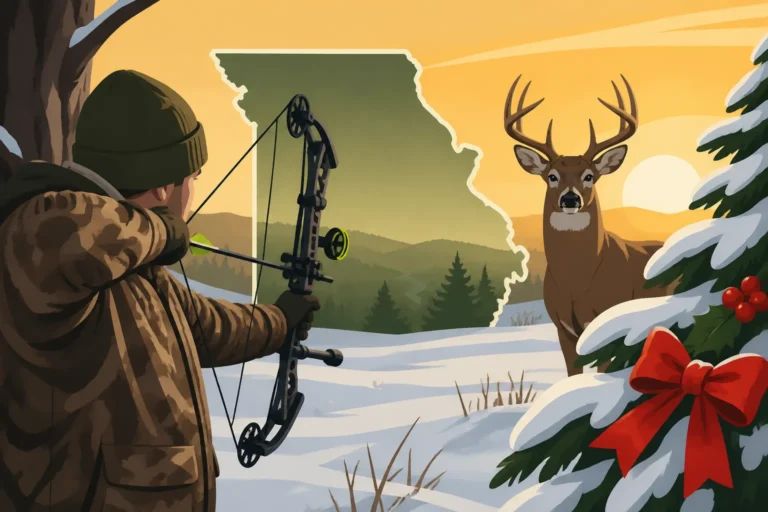
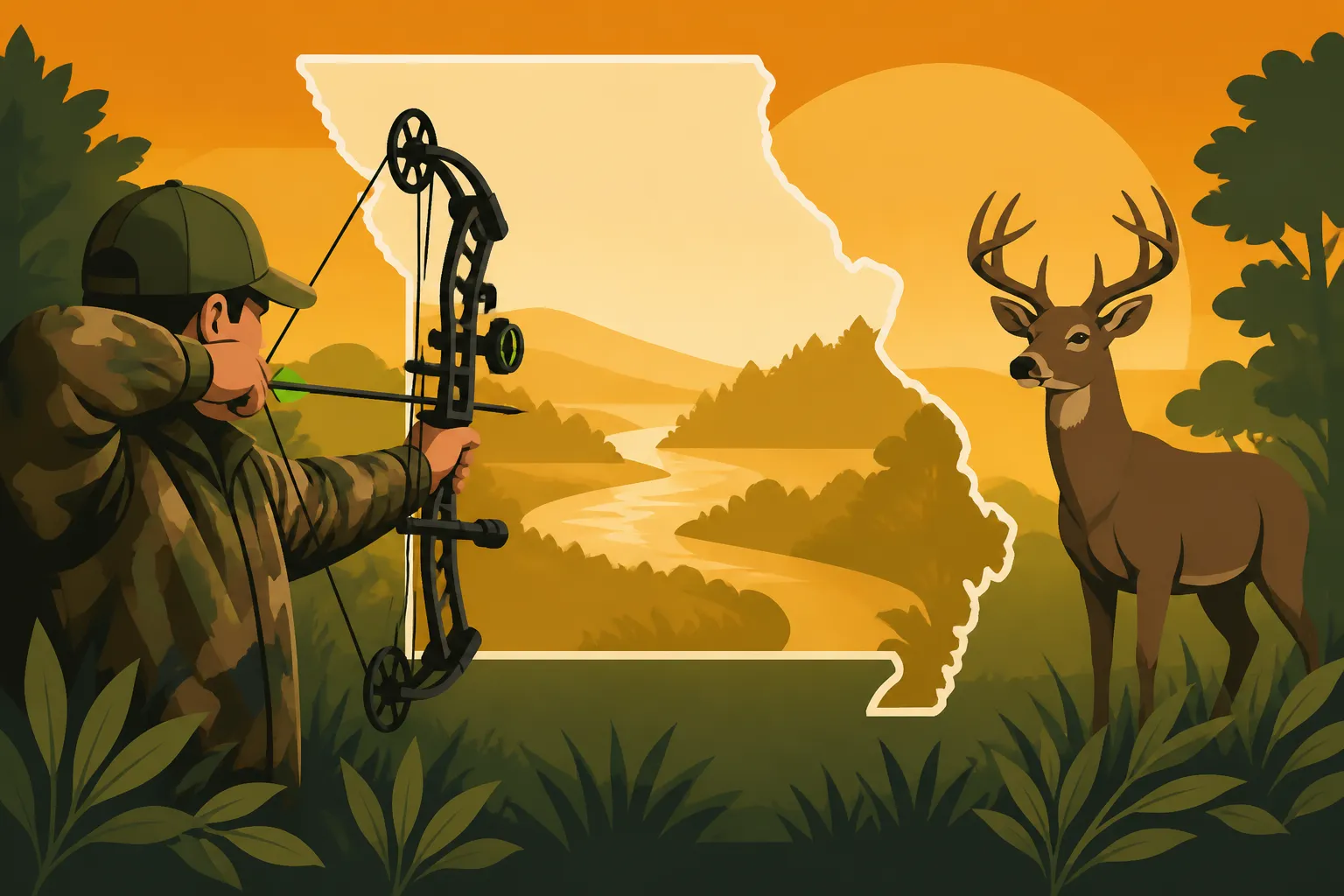
The crunch of leaves underfoot, the crisp November air, and the distant crack of a rifle shot – for many Missouri bowhunters, this signals the start of a challenging, often frustrating, yet ultimately rewarding phase of the deer season. You've spent weeks, maybe months, perfecting your archery skills and patterning deer, only to suddenly find your familiar woods transformed into a bustling orange landscape. This guide is dedicated to helping you navigate the unique challenges of bowhunting through the Missouri firearms portion, ensuring you can continue to pursue whitetails with your stick and string even when the rifles are ringing.
Understanding the Deer's Reaction to Firearms Pressure
When the November firearms portion opens in Missouri, it’s like flipping a switch for the deer herd. Their world, which might have been relatively calm and predictable, suddenly becomes a high-stress environment. Understanding how deer react to this sudden increase in human activity and perceived threat is the absolute first step in developing an effective bowhunting strategy.
Initial Dispersal and Movement Patterns
Deer don't just vanish into thin air when the firearms season kicks off; they disperse, seeking safety. Initially, you'll see a lot of movement. This isn't necessarily deer happily trotting along; it's often a frantic dash from perceived danger. Deer that were comfortably bedded in open timber or feeding on readily accessible food sources will quickly abandon those areas. They'll be bumped from fields, woodlots, and even suburban edges. This initial dispersal can actually be a boon for the observant bowhunter, as it might push deer through unexpected funnels or across property lines they wouldn't normally cross in daylight.
Consider the ripple effect. A deer driven by hunters a mile away on public land can show up on your small private tract. The woods can feel alive with movement, but it's often driven by fear. This means deer are incredibly alert, cautious, and prone to "buttoning up" or holding tight. They're looking for the path of least resistance to safety, and that often means moving quickly and quietly, especially during the first few days of the season. Keeping an eye on what's happening on surrounding properties, even if you don't hunt them, can offer clues to where deer might be headed.
Seeking Refuge in Thick Cover and Undisturbed Pockets
Once the initial chaos subsides, deer will inevitably gravitate toward the nastiest, most impenetrable cover they can find. Think about those places you usually avoid because they're too thick to walk through comfortably, or too steep, or too wet. That's exactly where pressured deer will go. These sanctuaries can be dense cedar thickets, overgrown clear-cuts, briar patches so thick they're almost impassable, deep draws filled with brush, or even just small, overlooked pockets of timber on private land that rarely see human intrusion. These spots offer both thermal protection and, more importantly, a sense of security.
For a bowhunter, identifying these refuge areas is critical. You might need to adjust your thinking from focusing on prime food sources to targeting these security cover locations. Deer will spend the majority of their time bedded down in these hideouts, only venturing out under the cover of darkness or in response to extreme pressure. Scouting these areas, even during the off-season, becomes invaluable. Look for subtle trails leading into and out of these thickets, rub lines indicating past movement, or even old scrapes. Tools like GoHunt can help you analyze satellite imagery to pinpoint dense cover, changes in topography, and potential access points to these overlooked havens. Deer often feel safest when they're hidden, and a bowhunter's advantage lies in getting close enough to these hidden spots without being detected.
Adapting Your Bowhunting Strategy for High-Pressure Environments
Bowhunting during the firearms season demands a complete recalibration of your typical approach. What worked during the relatively calm days of early archery season or the pre-rut often won't cut it when every rustle of leaves could be another hunter. This period calls for extreme caution, surgical precision in your movements, and a deep understanding of pressured deer behavior.
Prioritizing Stealth and Minimizing Intrusion
Stealth isn't just a good idea during the firearms portion; it's absolutely non-negotiable. Deer are already on high alert, jumpy from the sound of gunshots and the constant presence of hunters. Any misstep, any excessive noise, any detectable scent, and your hunt is likely over before it even begins. This means meticulous scent control – from washing your hunting clothes in scent-eliminating detergents to showering with unscented soap and storing your gear properly. Every piece of equipment should be quieted; rattling stands, noisy zippers, or squeaky boots are an absolute no-go.
Entry and exit routes become paramount. You need a path to and from your stand that causes the absolute minimum disturbance. Avoid walking through bedding areas or prime travel corridors if you can help it. If possible, use natural terrain features like creek beds, ditches, or existing trails that other hunters might also use, but always be aware of the wind. Plan your approach to be in your stand well before daylight, giving the woods time to settle around you, and commit to staying late. Deer often wait until the last possible moment to move, and exiting too early can blow your evening hunt. Think like a predator, moving invisibly through the landscape.
Targeting Bedding Areas and Escape Routes
During the early archery season, you might primarily focus on food sources. However, when the firearms season hits, deer shift their priorities from food to security. This means your focus as a bowhunter should also shift. Instead of setting up over a prime acorn flat or a lush food plot, you'll likely have more success targeting bedding areas or the escape routes deer use to get to them. Deer will be moving through the thickest, nastiest cover during daylight hours, trying to avoid detection.
Look for the subtle trails leading into and out of dense thermal cover, steep ravines, or secluded pockets of timber. These are the arteries of security for pressured deer. A key strategy is to identify these bedding areas and then set up downwind of the most likely escape route a deer would take if pushed. These might be tight pinch points, creek bottoms offering cover, or ridge saddles where deer are forced to cross specific points. Hunting Missouri Ridge Saddles and Benches These are the spots where you have the highest chance of intercepting a deer moving cautiously in response to hunting pressure. Being patient and understanding that deer may only move during the midday hours, when other hunters are active, is also crucial.
Utilizing Natural and Man-Made Funnels
Pressured deer still need to move, but they'll do so with extreme caution, often sticking to the densest cover available. This is where natural and man-made funnels become absolute goldmines for the bowhunter. A funnel is any feature that constricts deer movement into a smaller area, concentrating their travel. This could be a narrow strip of timber connecting two larger woodlots, a bend in a creek that forces deer up a steep bank, or even a fence line that creates a bottleneck. Hunting a Missouri Fencerow Between Fields During the firearms portion, deer will often stick to these protected pathways, making them prime ambush points.
Man-made funnels can be just as effective. Consider field edges, old logging roads, or even the transition zone between different timber types. The key is to find places where deer feel they have the most cover and where their options for travel are limited. Using detailed topographical maps and aerial imagery, perhaps with a tool like GoHunt, can help you identify these subtle pinch points that might be overlooked by other hunters. Look for convergent terrain features, like where two draws meet, or where a ridge narrows. The more you can narrow down where a deer has to walk, the better your odds of getting a shot within bow range.
Gear and Tactics for Success During the Firearms Portion
Bowhunting during firearms season isn't just about changing your strategy; it often requires a careful review of your gear and a heightened awareness of safety. The unique conditions, from increased human presence to changing foliage, mean you need to be prepared for anything.
The Importance of Hunter Orange for Archers
This is non-negotiable for safety and legality. Missouri has specific regulations requiring hunters to wear hunter orange during the firearms portions, and this includes archers. Typically, this means wearing a solid hunter orange cap and a solid hunter orange vest or coat that covers your torso, with a minimum of 400 square inches of orange visible from all sides. Orange Requirements for Missouri Archers While it might seem counterintuitive to wear bright orange while trying to be stealthy with a bow, it is absolutely critical for your safety. Other hunters in the woods might be less observant, and a flash of orange could prevent a serious accident.
It's not just about meeting the minimum requirements. Think about how you wear your orange. Make sure your vest isn't bunched up or obscured by your pack. A solid orange hat is usually a good idea. Some bowhunters worry about the orange spooking deer, but deer are colorblind to orange and red spectrums. They see it as a dull gray or brown against the landscape. However, the shape and movement are what will get you busted, not the color itself. So, remain still, use good backdrop, and prioritize safety above all else.
Stand Placement and Concealment
Your stand placement, which might have been perfect in October, likely needs to be re-evaluated for November. With less foliage on the trees, concealment becomes much harder. This means choosing trees with excellent natural cover, like cedars, pines, or trees with thick branch structures that break up your outline. A good backdrop is crucial; don't silhouette yourself against the sky. If you're using a ladder stand or hang-on, consider how well it blends in from all angles. Sometimes, a well-placed ground blind, especially one brushed in heavily with natural vegetation, can offer superior concealment in thick cover. Ground Blinds on Crop Field Edges
Think about the sun's position throughout the day and how it might impact your visibility. Also, with deer being jumpier, the height of your stand might need to be adjusted. While higher might offer a broader view, it can also make you more visible. A stand placed in a tight funnel, perhaps only 15-20 feet up, but with excellent cover, might be more effective than a higher stand in an open oak. Remember, the goal is to get within bow range without being detected, and the decreased foliage makes this a much greater challenge. You'll need to be more particular about your choice of tree and how you disappear into it. Consider using a climbing stand or saddle for ultimate flexibility in choosing the perfect tree for the conditions. Treestand Setups in Hardwood Timber
Calling and Decoying Strategies
When it comes to calling and decoying during the firearms portion, less is often more, and sometimes, nothing at all is the best approach. Deer are extremely wary, and any unnatural sound can send them bolting. Aggressive rattling or loud grunting, which might have worked during the peak of the rut, could now alert or spook deer, and in some cases, even attract other hunters to your location. This is especially true on public land.
If you choose to call, think subtlety. Soft grunts or doe bleats might sometimes draw a curious deer, but often the best "call" is simply patience and remaining absolutely silent and still. Decoying is generally not recommended during firearms season, particularly on public land. A decoy can draw unwanted attention from other hunters, creating a significant safety risk. Focus instead on maximizing your stealth, scent control, and stand placement to intercept a deer moving naturally (or unnaturally, due to pressure) within bow range. Your best tactic is often to simply disappear into the woods and wait. Rattling Volume for Thick Timber
Navigating Public and Private Land Dynamics
The pressure differential between public and private land becomes incredibly pronounced during the firearms portion. Understanding these dynamics is key to anticipating deer movement and choosing the right hunting locations.
Hunting Public Land During Firearms Season
Hunting public land during Missouri's firearms season with a bow is arguably one of the most challenging hunts you can undertake. The woods will be much busier, and deer will be under immense pressure. This doesn't mean it's impossible, but it demands a different mindset and approach. You'll need to be willing to work harder and walk farther than most rifle hunters. Look for the overlooked corners, the nasty thickets, the steep ravines, and the areas that require significant effort to access. These are the places where deer will seek refuge, and where most other hunters won't bother to go. Finding Ground Others Walk Past
Scout these areas well in advance. Identify potential bedding areas that are difficult to access and the subtle travel corridors leading to them. Your plan for entry and exit must be foolproof to avoid bumping deer or other hunters. Silence is your friend, and patience is your virtue. Expect slower action, and be prepared for the mental game of sitting for long hours without seeing much. But when that hard-earned opportunity arises, the reward is immense. Also, double-check specific area regulations on Missouri Conservation Areas, as some might have unique rules during the firearms portions. Scouting Missouri Public Land Before Season
Leveraging Private Land Sanctuaries
If you have access to unpressured private land, you're sitting on a goldmine during the firearms season. Deer from surrounding public lands or smaller private tracts that are experiencing heavy pressure will often filter onto property where they feel safe. This creates incredible opportunities for bowhunters. Your focus should be on the boundaries, particularly where your private land borders heavily hunted areas. Look for pinch points, dense cover, and travel corridors along these property lines where deer will be crossing or staging.
Communicate with neighboring landowners if possible. Understanding their hunting plans can give you a significant edge in predicting where deer might be pushed. If a neighbor is planning a deer drive, for example, you can set up strategically on your property to intercept deer fleeing the commotion. Even small, seemingly insignificant plots of private land can become major holding areas for pressured deer. The key is to understand the flow of deer movement into your sanctuary from the surrounding areas.
Mental Toughness and Patience
Bowhunting during the firearms portion of Missouri's deer season is as much a mental game as it is a physical one. It will test your patience, your resolve, and your belief in your strategy.
Expecting Slower Activity and Spooked Deer
Let's be realistic: you're not likely to see the same level of deer activity, especially mature buck movement, that you might have witnessed during the pre-rut. Deer are on high alert, and daylight movement, particularly in the open, will be minimal. They'll be moving cautiously, mostly during low light, or in response to pressure, sticking to the densest cover. This means you need to adjust your expectations. Don't go into the woods expecting constant action or numerous encounters. Success often comes down to a single, fleeting opportunity that demands quick thinking and precise execution.
It's easy to get discouraged when the woods are quiet, or when you see deer that are clearly spooked and unapproachable. Validate that feeling – it is a tough hunt. But understand that persistence pays off. Every time you're in the woods, you're learning. You're watching how deer react to pressure, how they use the landscape, and where they seek safety. That knowledge will make you a better hunter, not just for this challenging period but for all seasons.
The Rewards of a Challenging Hunt
Despite the difficulties, there's a profound satisfaction that comes with successfully bowhunting a deer during the firearms portion. It's a testament to your skill, patience, and ability to adapt. When you finally pull back your string and make a clean shot on a whitetail that has outsmarted countless other hunters, the feeling is indescribable. It truly is the ultimate test of a bowhunter's mettle, proving you can succeed when conditions are at their most challenging.
This period forces you to become a more observant hunter, to pay closer attention to subtle changes in terrain, wind, and deer behavior. It pushes you to explore new areas, develop new strategies, and ultimately, grow as an outdoors person. The deer you harvest during this time often feel like the most earned, and the stories behind them are certainly the most memorable. So, embrace the challenge, stay safe, and enjoy the unique experience of Bowhunting Missouri's Four-Month Archery Season even through the intensity of Missouri's Eleven-Day November Firearms Deer Season. Remember, your archery season in Missouri will eventually reopen once the firearms portions are over. When Missouri's Archery Season Reopens
| Strategy Aspect | Regular Archery Season (Pre-Firearms) | Firearms Portion (Bowhunting) |
|---|---|---|
| Deer Behavior | More predictable, often focused on food, rut activity, less wary. | Highly pressured, wary, seeking thick cover, increased nocturnal movement. |
| Hunting Pressure | Relatively low to moderate, primarily bowhunters, less noise. | High, rifle shots common, more hunters in the woods, constant disturbance. |
| Primary Focus | Food sources (acorns, food plots), rutting corridors, scrapes. | Thick bedding areas, security cover, escape routes, tight funnels. |
| Stealth Level | Important, but perhaps less extreme; deer less jumpy. | Absolute paramount; extreme scent control, silent movement is critical. |
| Hunter Orange | Not required for archers (until firearms season opens). | Mandated for safety; 400 sq. inches visible from all sides. |
| Calling/Decoying | Effective during rut (rattling, grunting, decoys). | Generally less effective, can be counterproductive or dangerous. |
| Stand Placement | Over food, travel corridors, rub lines; good visibility often a priority. | In or adjacent to thick cover, pinch points, good backdrops, lower visibility. |
| Patience Required | Moderate to high. | Extreme; long sits, fewer sightings, high mental fortitude. |
Disclaimer
The information provided in this guide is for general informational purposes only and is not a substitute for official regulations. Hunting regulations, seasons, and permit requirements in Missouri are subject to change. Always consult the most current Missouri Department of Conservation (MDC) regulations before heading into the field. Ensure you understand and comply with all state and local laws regarding hunting, firearm use, and safety.