Ground Blinds on Crop Field Edges
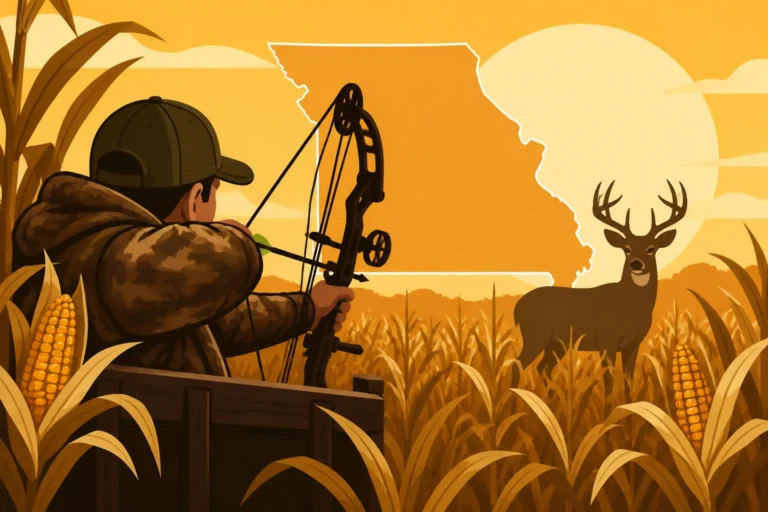
The open expanse of a Missouri crop field can feel like a magnet for deer, especially during the fall. You've probably spent hours glassing a distant timber edge only to watch a monster buck materialize from the standing corn or the bean stubble, heading right for your setup. But the real challenge often isn't finding the deer; it's getting close enough to them on those exposed field edges without being busted. Many hunters struggle with the lack of cover, the constant wind swirling, and the sheer visibility, which is exactly why a well-placed ground blind can be an absolute game-changer. This guide will walk you through everything you need to know to successfully hunt Missouri's crop field edges from the comfort and concealment of a ground blind.
The Allure and Challenges of Hunting Crop Edges in Missouri
Hunting the edges of agricultural fields in Missouri can be incredibly productive, drawing in deer from miles around, but it also presents a unique set of challenges that can quickly expose a hunter. It's a high-reward, high-risk game that requires strategic thinking and careful execution.
Why Crop Edges Are Whitetail Hotspots
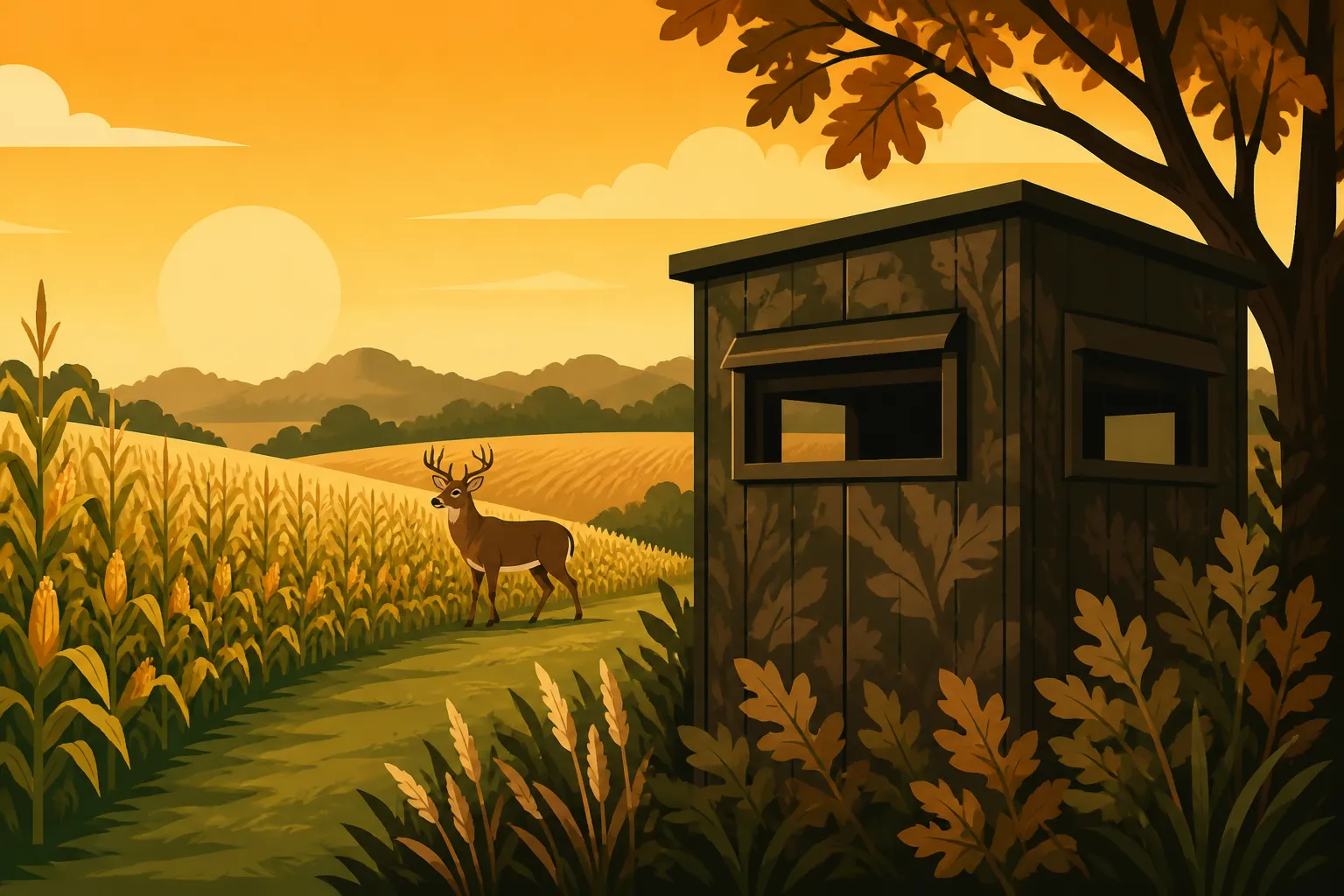
Missouri's agricultural landscapes are rich with nutrients, providing a consistent and often abundant food source for white-tailed deer. During much of the hunting season, especially early archery and through the firearm portions, deer are constantly transitioning between secure bedding areas and these crucial feeding grounds. A standing cornfield, for instance, offers not just food but also incredible security cover, making it a daytime bedding haven. As the season progresses and crops are harvested, the remaining stubble, dropped grains, or newly planted winter wheat become irresistible, drawing deer out into the open, particularly during low-light hours.
These field edges often act as natural travel corridors, funnels, and pinch points. Deer will frequently follow fencerows, drainage ditches, or the timber lines that border these fields as they move from bedding to feeding. During the rut, bucks will cruise these edges, checking does feeding in the open or scent-checking the trails that run parallel to the fields. For hunters looking to capitalize on predictable deer movement, understanding how deer utilize these food sources and the adjacent cover is absolutely critical. You might even find yourself having an easier time patterning deer here than deep in the timber, simply because their motivation to visit these spots is so strong.
Common Frustrations with Traditional Stands
If you've spent any time hunting Missouri's crop fields from a traditional treestand, you've likely experienced a fair share of frustration. The biggest hurdle is often the lack of suitable trees right on the edge of the field where the deer are most active. You might find a perfect oak or hickory 50 yards back in the timber, only to realize that the deer are walking the very edge, just out of range, or they're cutting across the corner of the field where there's not a single tree to climb.
Even if you do find a good tree, setting up a stand can be a noisy, scent-spreading endeavor that might put deer on high alert long before opening day. Then there's the challenge of entry and exit. Walking across a wide-open field or down a visible fencerow in the pre-dawn darkness or post-sunset dusk is an almost guaranteed way to spook deer. We've all been there – trying to sneak to our stand, only to hear the dreaded snort-wheeze of a deer that saw or smelled us long before we could even climb into our perch. Add to that the discomfort of sitting motionless in an open stand during freezing November winds or baking in the early season sun, and it's easy to see why many hunters feel like they're fighting an uphill battle.
Advantages of Ground Blinds for Field Edge Hunting
When it comes to hunting the edges of Missouri's crop fields, ground blinds offer a suite of advantages that can directly address the frustrations of traditional treestand hunting. They provide a level of concealment and comfort that can significantly increase your chances of success, especially in areas with limited vertical cover.
Unmatched Concealment and Comfort
One of the most compelling reasons to use a ground blind on a crop field edge is the incredible concealment it offers. Unlike a treestand, which relies on height and camouflage patterns to break up your outline, a well-brushed-in ground blind completely hides you from the keen eyes of deer. You can fidget, check your phone (quietly, of course), or even stretch a little without being immediately picked off. This allows for longer, more comfortable sits, which often translates to more opportunities. Being fully enclosed also means your scent cone is concentrated and directed, making it easier to manage your scent signature compared to being exposed in a treestand.
Beyond concealment, the comfort factor cannot be overstated. Imagine a cold, windy late-season morning in December, or a sweltering early September afternoon. Inside a ground blind, you're shielded from the elements. This allows you to dress more lightly in cold weather, conserving body heat, and protects you from rain, snow, or direct sunlight. You can bring a comfortable chair, a small heater, or even a fan if you're brave enough for those warm-weather hunts. This enhanced comfort means you can stay focused and alert for longer periods, rather than being distracted by shivering or sweating.
Versatility and Adaptability
Ground blinds are incredibly versatile tools for Missouri hunters. They can be deployed rapidly and moved relatively easily, allowing you to adapt to changing deer patterns or field conditions. Have the beans just been cut, shifting deer movement to a different part of the field? You can pick up your blind and relocate it in under an hour, rather than spending half a day moving a treestand. This adaptability is particularly useful in agricultural areas where crop rotations and harvest schedules constantly alter the landscape.
Furthermore, ground blinds open up hunting opportunities in areas where traditional treestands simply aren't feasible. Think about those vast bean fields or standing corn tracts in North Missouri where mature timber is scarce on the edges. A ground blind allows you to hunt these prime locations effectively. They are also fantastic for youth hunters or those with physical limitations, providing a safe, stable, and accessible hunting platform that eliminates the need for climbing. This means more hunters can enjoy the excitement of Hunting North Missouri's Big-Buck Farm Country or other prime agricultural areas.
Strategic Placement and Setup of Your Ground Blind
Effective ground blind hunting on crop field edges in Missouri isn't just about popping up a blind and hoping for the best. It requires meticulous planning, understanding deer behavior, and thoughtful setup to truly maximize your chances.
Key Considerations for Location
Choosing the right spot for your ground blind is paramount. Start by scouting. Use onX Hunt or GoHunt mapping tools to analyze aerial photos, looking for subtle terrain features like drainage ditches, fencerows, timber points, or small brushy thickets that extend into or along the field edge. Deer will naturally use these features as cover and travel routes. Pay close attention to historical bedding areas in nearby timber or dense cover, and identify the most likely routes deer will take from these areas to the feeding field.
Consider the prevailing wind direction for your chosen spot. Deer rely heavily on their sense of smell, so you must position your blind to keep your scent out of their primary travel corridors and feeding areas. If you only have one blind, it’s best to have a couple of predetermined locations based on wind, or be prepared to move it if the wind shifts drastically. Ideally, you want to set up downwind or crosswind from where you expect deer to approach and feed. Also, think about the sun. Avoid setting your blind up facing directly east or west if you plan to hunt mornings and evenings, as the rising or setting sun will silhouette you and make it difficult to see.
Lastly, consider the backdrop. Placing your blind against a dark timber edge, a brush pile, or even a large round bale of hay can help it disappear into the landscape faster. Avoid placing it in the middle of a sparse field with no cover, as it will stick out like a sore thumb, no matter how well you brush it in.
Brushing In Your Blind Effectively
Simply setting up a ground blind, even one with a good camouflage pattern, won't cut it. Deer are incredibly perceptive, and a new, unnatural lump in their environment will immediately raise suspicion. The key is to make your blind look like a natural part of the landscape. This is where brushing in comes into play, and it's perhaps the most critical step after choosing your location.
Start by roughing up the area around the blind a bit to make it look less pristine. Then, gather natural materials from the surrounding area. Cut small branches, tall weeds, corn stalks, or whatever vegetation matches the immediate environment. Lean these materials against the blind, breaking up its outline, especially the hard edges and corners. Pay particular attention to the roofline and the base, as these are often the most obvious features. Don't be afraid to go overboard; it's better to have too much natural material than not enough.
Ensure your shooting lanes are clear, but otherwise, aim for full concealment. If you can set your blind up a week or two before you plan to hunt, even better. This gives deer time to get used to its presence, reducing their wariness. For more specific guidance, you can refer to tips on Brushing In a Blind on a Field Edge for detailed instructions. The more effort you put into making your blind blend in, the more confident deer will be approaching it.
Entry and Exit Routes Without Spooking Deer
This is where many field edge hunts go wrong, even with a perfectly placed blind. Deer are most vulnerable and active during dawn and dusk. Your entry and exit to and from the blind must be executed flawlessly to avoid alerting them. Before you even set up your blind, identify discrete routes you can take to get in and out undetected. This might mean following a deep drainage ditch, walking along a creek bed, or using a fencerow with tall grass as cover.
Walk your chosen route in daylight, visualizing how you'll move in the dark. Clear any tripping hazards or noisy branches. Avoid walking across open ground or through bedding areas if at all possible. When approaching the blind, always do so from a direction that keeps the wind in your favor. If you have a long walk from your vehicle, consider using a different route for the return trip if the wind changes or if deer have moved into your entry path. Remember, spooking deer on your way in or out can ruin that hunt, and potentially future hunts in that area, as deer quickly associate human activity with danger. Tools like GoHunt can help you visualize these routes by layering property lines with topographical maps and satellite imagery, helping you pinpoint those discreet travel corridors.
Overcoming Challenges and Maximizing Success
Even with a perfectly placed and brushed-in ground blind, hunting Missouri's crop field edges comes with its own set of unique challenges. Being prepared for these obstacles and adapting your strategy can be the difference between a successful hunt and a frustrating one.
Scent Control is Paramount
Hunting from a ground blind, especially one placed near an active feeding area, puts you closer to the deer. This proximity makes scent control even more critical than when you're elevated in a treestand. Your human odor is a powerful deterrent, and deer will often wind you long before you see them if you're not meticulous.
Start with a thorough scent-elimination regimen. Wash all your hunting clothes in scent-free detergent, store them in airtight containers or bags, and don them only when you arrive at your hunting location. Shower with scent-free soap and shampoo. Consider using ozone treatments for your clothing and gear before heading out. However, don't rely solely on products; the wind remains your ultimate scent control tool. Always position your blind so that your scent is blowing away from where you expect deer to travel or feed. Even with the best precautions, a swirling wind can betray you. Pay close attention to localized thermals, especially in the mornings and evenings, as they can carry your scent uphill or downhill depending on the temperature changes. For a deep dive into mitigating your odor, revisit articles like Scent Control is Paramount for additional strategies.
Managing Deer Movement and Patterns
Deer movement around crop fields isn't static; it constantly changes throughout the season and even day-to-day. Early in the season, deer might be deep in standing corn, only venturing out at last light. Once the crops are harvested, their patterns shift as new food sources become available. Pay attention to signs like fresh tracks, droppings, and browse lines along the field edges to confirm current activity. Use trail cameras placed discretely to help identify specific trails, peak activity times, and the caliber of bucks in the area.
Another challenge is predicting where deer will enter the field. They might use a dozen different trails along a half-mile stretch of timber. This is where strategic placement of your blind near a funnel or pinch point becomes crucial. If deer are using a wide area, you might need to commit to a specific section or use multiple blinds if you have access. Observing deer movement from a distance using quality binoculars or a spotting scope before you commit to a blind location can provide invaluable insights. Often, deer will skirt the edges of fields, especially on those rolling hills in North Missouri, so understanding their preferred travel corridors is key to placing your blind effectively.
Adapting to Changing Field Conditions
Missouri's agricultural landscape is dynamic. A field that's lush with standing corn in September might be barren stubble by November. These changes drastically affect deer behavior and your hunting strategy.
- Standing Crops: In early season, standing corn or tall beans provide exceptional cover. Deer will often bed right in the middle of these fields. Your blind placement might need to be tighter to the actual crop line, or positioned to intercept deer as they just emerge.
- Harvested Fields: Once crops are off, deer become more exposed. They might feed further out into the field, or they might become more cautious, waiting until darker conditions to emerge. Your blind needs to blend even more seamlessly into the remaining stubble or fencerow. This is also when deer will heavily target any remaining waste grain or newly planted winter wheat. Understanding What Changes After the Beans Come Off is crucial for successful late-season hunting.
- Weather: Rain can make fields muddy and reduce visibility. Snow can reveal fresh tracks but also make deer more wary in open areas. High winds can make deer hesitant to move in open fields, pushing them into more protected timbered draws. Your blind offers protection from the elements, but you still need to adjust your expectations and even your location based on the weather patterns.
- Hunting Pressure: High hunting pressure can quickly change deer patterns. If deer are being pressured from one side of a field, they might shift their entry and exit points to another, less disturbed area. Be ready to move your blind or have alternative locations scouted.
| Ground Blind Type | Key Advantages | Best For | Considerations |
|---|---|---|---|
| Pop-Up Blinds | Quick setup, portable, relatively inexpensive | Mobile hunters, quick scouting missions, adapting to changing patterns | Less durable, can be noisy in wind, may need more brushing in |
| Hub-Style Blinds | More durable, sturdy, quieter, better visibility | Longer sits, consistent locations, two hunters, inclement weather | Heavier, takes longer to set up, more expensive |
| Permanent Blinds | Ultimate comfort, weather protection, scent control | Long-term stand locations, food plots, private land with consistent use | Immobile, costly, requires significant brushing to naturalize |
Essential Gear and Best Practices for Blind Hunting
Hunting from a ground blind on Missouri's crop field edges comes with its own set of gear considerations and best practices to ensure a comfortable, productive, and ultimately successful hunt. Don't just throw your blind up and hope for the best; thoughtful preparation goes a long way.
Choosing the Right Ground Blind
The market is flooded with various ground blinds, each with its own features and price point. For hunting crop field edges in Missouri, you'll want something that prioritizes concealment, durability, and ease of setup.
- Size: Consider how many people will be hunting from the blind. A single hunter might prefer a more compact blind for easier portability and concealment, while hunting with a youth or a partner might require a larger, more spacious model. Brands like Primos, Barronett Blinds, and Ameristep offer a range of sizes.
- Camouflage Pattern: While brushing in is crucial, a good camouflage pattern helps the blind disappear even before you add natural materials. Look for patterns that mimic the local vegetation, whether it's corn stubble, hardwoods, or brush. Many blinds come in versatile patterns like Realtree Edge or Mossy Oak Country.
- Window Configuration: Look for blinds with versatile window systems. You want options for wide-open views for glassing, but also smaller shooting windows that can be adjusted quietly. Some blinds feature shoot-through mesh, which is excellent for archery hunting as it maintains concealment right up to the shot.
- Durability and Weatherproofing: Missouri weather can be unpredictable. Choose a blind made from rugged, waterproof material that can withstand wind, rain, and snow. A blind with sturdy poles and good staking points will hold up better in strong gusts.
- Noise Reduction: A quiet blind is essential. Check for blinds with silent-glide window covers, durable zippers, and tight-fitting fabric that won't flap in the wind. Many higher-end blinds, like those from GoHunt's recommended gear lists, are designed with noise reduction in mind, which is a significant advantage when deer are close.
Accessories for a Productive Sit
Once you have your blind, a few key accessories can dramatically improve your hunting experience and success.
- Comfortable Chair: Forget those flimsy folding chairs. Invest in a comfortable, quiet hunting chair that allows you to sit for hours without fidgeting. A swivel chair can be a game-changer, letting you quietly pivot for a shot.
- Bipod or Shooting Sticks: Hunting from a ground blind means shooting from a seated or kneeling position. A sturdy bipod or shooting sticks are essential for steadying your rifle or crossbow, ensuring a precise shot.
- Scent-Free Storage: Bring a small, scent-free bag or container for your snacks, water, and personal items. Keeping your blind as scent-free as possible extends to everything you bring inside.
- Quiet Gear: Ensure all your gear—from binoculars to rangefinders to grunt calls—can be handled quietly. Use lens covers, quiet straps, and secure pockets to prevent rattling or clanging.
- Heating/Cooling Options: Depending on the season, a small portable propane heater or a battery-operated fan can make those extreme weather sits much more bearable. Always use caution with heaters and ensure proper ventilation.
- Decoys: Sometimes, a well-placed decoy (deer or even a turkey depending on the season) can draw a curious buck right into range, especially during the rut. If you're interested in calling deer in, a quick refresher on Decoying a North Missouri Buck might be helpful.
- Hunting License and Permits: Double-check that you have all your required Missouri deer permits and tags before heading out. Make sure they are correctly filled out and easily accessible.
By combining the strategic placement, effective brushing-in, meticulous scent control, and the right gear, your ground blind can become an incredibly effective tool for hunting the challenging, yet rewarding, crop field edges across Missouri. Whether you're hunting the pre-rut in late October or stalking late-season food sources for whitetails, a ground blind offers a distinct advantage.
Disclaimer
This information is for educational purposes only and should not be considered legal advice. Always consult the current Missouri Department of Conservation (MDC) hunting regulations and local ordinances before engaging in any hunting activities. Hunting laws and regulations can change, and it is the hunter's responsibility to stay informed and compliant.