Safety Harnesses and Lifelines
We’ve all been there: that early morning climb into a treestand, half-awake, fumbling in the dark, thinking, "I'll just be careful." But that split-second lapse, that icy rung, or that rotting strap can turn an exciting hunt into a life-altering emergency. This guide isn't here to scare you, but to equip you with the knowledge and tools—specifically safety harnesses and lifelines—that are absolutely non-negotiable for anyone hunting from an elevated position in Missouri's timber.
Why Treestand Safety is Non-Negotiable in Missouri
Hunting from a treestand offers an incredible advantage, allowing us to see more, get above a deer's natural line of sight, and often gain access to areas that would be impossible to hunt from the ground. But with that advantage comes inherent risk, and unfortunately, treestand falls are a leading cause of serious injury, and even death, among hunters. It's not a question of if an accident could happen, but when something unexpected might occur. In the varied terrain of Missouri, from the rolling hills of the Ozarks to the river bottoms of the north, you'll encounter all sorts of trees and conditions that can contribute to a fall.
The Hidden Dangers of Elevated Hunting
It's easy to focus on the obvious risks, like a faulty stand or a slippery boot. But many dangers are less apparent, lurking in the background of every hunt. For instance, cold weather can stiffen our joints and numb our fingers, making a critical grab or adjustment much more difficult. Fatigue from an early start or a long day of Hunting North Missouri's Big-Buck Farm Country can impair judgment and reaction time. Suddenly, that tree stand ladder doesn't feel as sturdy as it did in daylight, or that branch you relied on for support snaps unexpectedly. Think about the unpredictable nature of wildlife itself; a sudden shot at a White-Tailed Deer Across Missouri or a turkey can cause an involuntary jerk or shift in weight, throwing you off balance. Even a bee sting or a cramp can create an emergency situation high off the ground. These aren't just "what ifs"; they are real-world scenarios that play out every season, often with devastating consequences.
Dispelling Common Excuses for Skipping Safety Gear
"It's uncomfortable." "It takes too much time." "I'm only going up five feet." We've all heard (or even thought) these excuses, but frankly, they don't hold up when you consider the stakes. The truth is, modern safety harnesses are designed for comfort and ease of use. They're lightweight, adjustable, and many are integrated directly into hunting vests, making them barely noticeable once you're dressed for the hunt. As for time, dedicating an extra minute or two to properly don your harness and connect your lifeline is a minuscule investment compared to weeks, months, or even a lifetime of recovery from an injury. Even a short fall can result in broken bones, concussions, or spinal cord injuries. There's also the notion of "it won't happen to me," which is perhaps the most dangerous mindset of all. Every year, experienced hunters fall, proving that accidents don't discriminate based on skill or experience. We often spend hundreds, if not thousands, on our bows, rifles, optics, and Treestands and Saddles on Public Ground; a quality safety harness and lifeline are arguably the most important pieces of gear in your arsenal.
Understanding Safety Harnesses: More Than Just a Belt
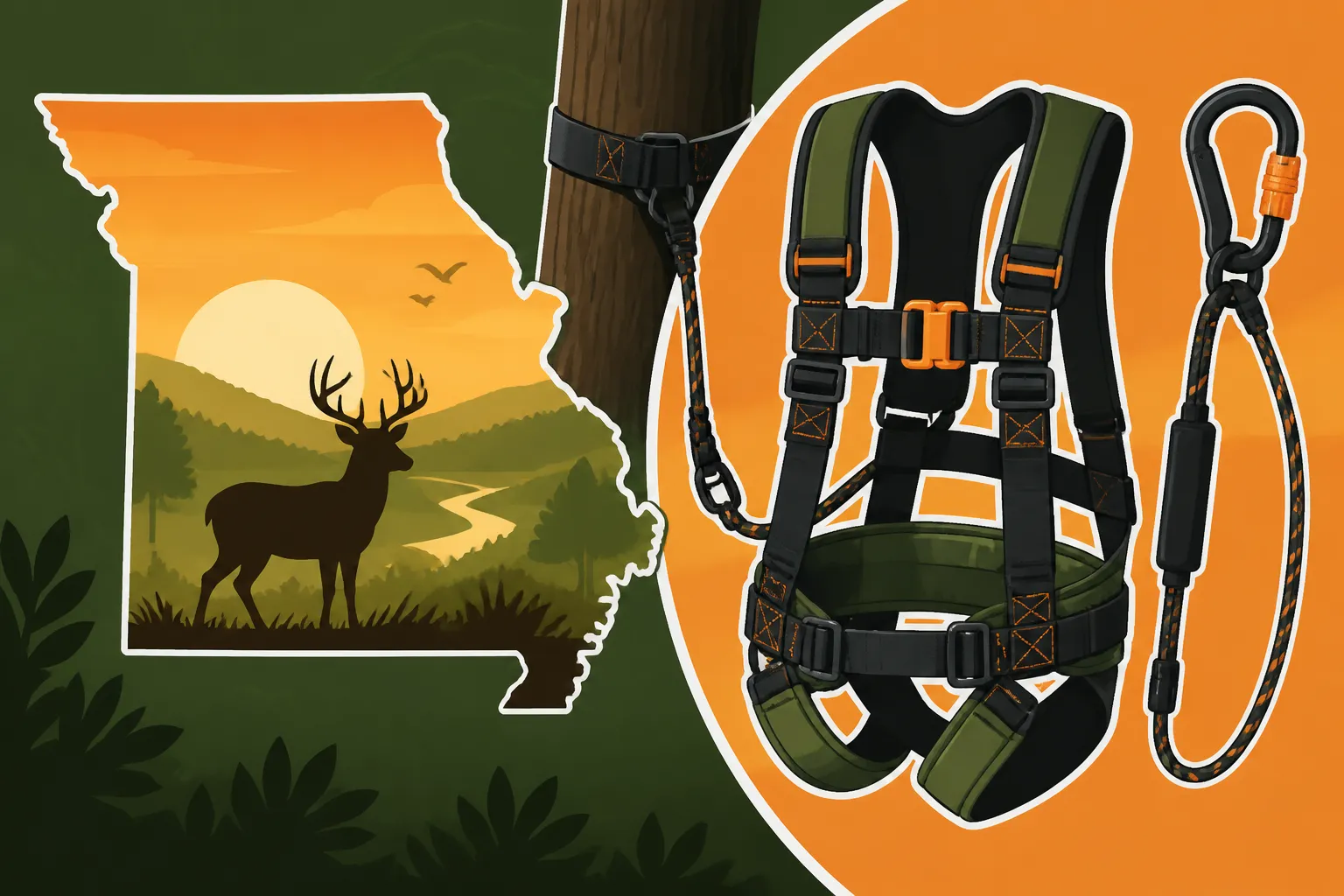
When we talk about treestand safety, the full-body safety harness is the centerpiece. Gone are the days of flimsy belts that offered more a sense of false security than actual protection. Today's harnesses are sophisticated pieces of equipment, engineered to distribute impact forces across your entire body, significantly reducing the risk of injury should a fall occur. They are designed to keep you upright and prevent inversions, allowing you to recover or await rescue safely. It’s crucial to understand that not all harnesses are created equal, and knowing their components and how they should fit is vital for their effectiveness.
Components of a Modern Full-Body Harness
A modern full-body safety harness typically consists of several key elements working together to provide comprehensive protection. First, you have the shoulder straps and leg loops, which form the primary structure, wrapping around your torso and upper thighs. These are usually padded for comfort and distribute the force of a fall evenly, preventing pressure points that could cause injury or cut off circulation. Next is the tether strap, often located between the shoulder blades, which connects to your lifeline or tree strap. This is your primary attachment point and is designed to keep you upright. Many harnesses also feature a suspension relief strap or "foot stirrups." This often overlooked component is absolutely critical. If you do fall, hanging in a harness for an extended period can lead to "suspension trauma," a dangerous condition where blood pools in the legs. A suspension relief strap allows you to stand or push against it, relieving pressure and maintaining circulation while you await rescue. Lastly, many harnesses include quick-release buckles and adjustment straps for a secure, custom fit. Understanding each of these components will help you appreciate the thought behind their design and ensure you're using them correctly.
Proper Fit and Adjustment for Comfort and Security
A safety harness is only as effective as its fit. A poorly adjusted harness can be uncomfortable, making you less likely to wear it, and more importantly, it can fail to protect you adequately in a fall. When trying on a harness, whether it's a new one or one you've pulled out for the season, think about how it sits on your body. The leg loops should be snug around your upper thighs, but not so tight they pinch or restrict movement. You should be able to slide a flat hand under them comfortably. The shoulder straps should fit over your shoulders without slipping off, and the chest strap should be positioned across your sternum. The tether strap attachment point on your back should generally sit between your shoulder blades.
Always adjust your harness while wearing the layers of clothing you’d typically wear hunting. What feels snug in a T-shirt will be dangerously loose over a heavy winter coat. After adjusting, try moving around, sitting, and simulating a climb. It shouldn't impede your range of motion significantly. A proper fit ensures that if you do fall, the harness distributes your weight correctly, keeps you upright, and allows access to the suspension relief strap. Take the time to practice this at home, perhaps with a partner, before heading out to Hanging a Stand on a Ridge Saddle or anywhere else you'll be elevated.
The Lifeline Advantage: Staying Connected from Ground to Stand
A safety harness is your personal protection, but a lifeline is the critical link that ensures it can do its job by keeping you connected to the tree at all times. Too many hunters make the mistake of wearing a harness but only attaching it once they're in the stand. This leaves you vulnerable during the most dangerous parts of the climb: ascending and descending. The lifeline system provides continuous attachment, minimizing the window of risk.
Setting Up Your Lifeline System Safely
Setting up a lifeline is straightforward and incredibly effective. The most common system involves a long rope, typically braided synthetic material, that extends from the base of the tree all the way up to your stand and back down again, forming a continuous loop. This rope is secured tightly around the tree, often with a specialized knot or a cinching mechanism, ensuring it won't slip. Attached to this rope is a Prusik knot or a similar sliding rope grab, which is what your harness’s tether strap connects to.
When you climb, you slide the Prusik knot up the main rope as you ascend. Once in your stand, you can adjust it to allow for comfortable movement while remaining securely attached. When it's time to descend, you simply reverse the process, sliding the knot down as you climb down. The beauty of the Prusik knot is its friction-based design: it slides easily when no weight is on it, but cinches down tightly when sudden pressure (like a fall) is applied. This creates an unbroken connection, from the moment your feet leave the ground until they return to it. This simple, yet ingenious system is a game-changer for treestand safety. Remember to check the rope for any wear and tear before each season, especially if it's been exposed to the elements.
The Unbroken Connection: How Lifelines Prevent Falls
The true genius of the lifeline system lies in its ability to provide an "unbroken connection." Imagine you're climbing up to your stand, perhaps setting up a new spot for Deer Hunting the Missouri Ozarks. You've got your harness on, but without a lifeline, you're only attached once you're settled in the stand. What if your foot slips on a muddy climbing stick? What if a handhold breaks? Without a lifeline, you're going to fall. The lifeline, however, ensures that from the moment you leave the ground, you are secured.
If you slip during the climb, the Prusik knot on the lifeline immediately grabs, catching you before you ever hit the ground. You might be left dangling, but you're safe and can either recover your footing or call for help. This is where a phone or satellite communicator comes in handy, especially if you're Hunting Small Private Tracts in Missouri or remote public land. With a lifeline, you remove the most common and dangerous part of treestand hunting—the climb itself—from the realm of unprotected risk. It allows you to focus on the task at hand, whether it's setting up your gear or listening for that first rustle of leaves that signals an approaching deer, all with the peace of mind that you are continuously protected.
Choosing and Using Your Gear Wisely
With so many options on the market, choosing the right safety harness and lifeline can feel a bit overwhelming. But by focusing on a few key features and committing to best practices, you can ensure you’re making the best decision for your safety. Remember, this isn't just about meeting minimum requirements; it's about investing in your well-being so you can enjoy countless more seasons in Missouri's woods.
Key Features to Look for in a Harness and Lifeline
When you're in the market for a new safety harness or lifeline, don't just grab the cheapest option. Your life literally depends on this gear. Here's what to prioritize:
- Certification: Always look for products certified by the Treestand Manufacturers Association (TMA). This ensures they've met rigorous safety standards and testing protocols.
- Comfort and Adjustability: As discussed, a comfortable harness is one you'll actually wear. Look for ample padding in the shoulder and leg straps, and a wide range of adjustment points to get a snug, custom fit over various layers of clothing. If you're using a platform like GoHunt to scout and plan, think about the varying conditions you'll face through the archery season when you might be wearing different amounts of clothing.
- Suspension Relief: Confirm the harness includes a suspension relief strap or a similar feature. Practice deploying it so it becomes second nature in an emergency.
- Durability: Look for robust stitching, strong buckles (metal is generally preferred over plastic, though high-quality plastics can be reliable), and weather-resistant materials. Missouri weather can be fickle, from humid early season days to frigid late season hunts, so your gear needs to hold up.
- Ease of Use: Can you put it on quickly and correctly in the dark? Are the straps easy to adjust? A simple design often means fewer points of failure and easier deployment.
- Lifeline Length: Ensure the lifeline is long enough for the height you typically hunt, plus a little extra for securing it at the base. Most come in standard lengths, but double-check if you hunt exceptionally tall trees.
Here's a quick comparison of harness types:
| Feature | Integrated Vest Harness | Minimalist Harness |
|---|---|---|
| Comfort | Often very comfortable, padding built-in | Lighter, less bulky, can feel less "secure" |
| Ease of Donning | Can be quicker to put on; vest helps orient | Requires more careful strap management |
| Bulk | Can be bulkier, especially with extra pockets | Very low profile, easy to pack or wear |
| Cost | Generally higher | Often more affordable |
| Best For | All-day sits, cold weather (as an outer layer) | Mobile hunters, Saddle Hunting in Missouri Oaks |
No matter the type you choose, inspect it thoroughly before each season and before every hunt. Look for frayed straps, cracks in plastic buckles, or any signs of wear that could compromise its integrity.
Essential Practices for Every Treestand Hunt
Having the right gear is only half the battle; knowing how to use it and consistently applying best practices is what truly keeps you safe.
- Read the Instructions: Seriously. Every harness and lifeline has specific instructions for proper use, maintenance, and storage. Manufacturers know their gear best.
- Practice at Ground Level: Before you ever climb into a stand for real, put on your harness and practice connecting and disconnecting your lifeline at ground level. Understand how to deploy your suspension relief strap. Simulating a fall (safely, while someone spots you) can help you react calmly if it ever happens for real.
- Use a Lifeline Every Single Time: This cannot be stressed enough. From the first step off the ground to the last step back on it, stay connected. This rule applies whether you're using a ladder stand, climbing sticks for a hang-on, or a climbing stand.
- Inspect Your Gear: Before each hunt, quickly check your harness, tether, and lifeline for any signs of wear, tears, fraying, or damage from rodents or UV exposure. If anything looks questionable, replace it. You can't put a price on your life.
- Check Your Stand and Tree: Before ascending, give your treestand and the tree it's on a good once-over. Are the straps tight? Is the tree healthy and solid? Are the climbing aids secure? Using a resource like GoHunt's scouting tools can help you identify ideal, strong trees for stand placement when you're Scouting Missouri Public Land Before Season.
- Tell Someone Your Plans: Always let a trusted friend or family member know exactly where you are hunting, what time you expect to be back, and what to do if they don't hear from you. In an emergency, every minute counts.
- Carry a Communication Device: A fully charged cell phone (in a waterproof bag) or a satellite communication device is vital, especially if you're hunting remote areas like parts of Mark Twain National Forest Hunting. A whistle can also be a simple, effective signaling tool.
By adhering to these practices, you're not just being "careful"; you're actively taking control of your safety and ensuring that your love for Bowhunting Missouri's Four-Month Archery Season and other adventures can continue for many years to come.
Disclaimer
This article is for general informational purposes only and does not constitute professional advice. Laws, prices and regulations vary by location and change over time. Consult a qualified professional for guidance on your specific situation.