Climber Stands on Straight Trunks
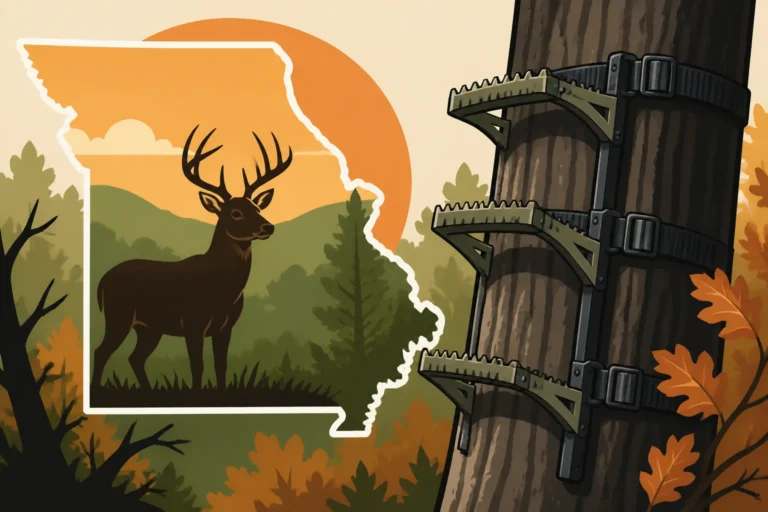
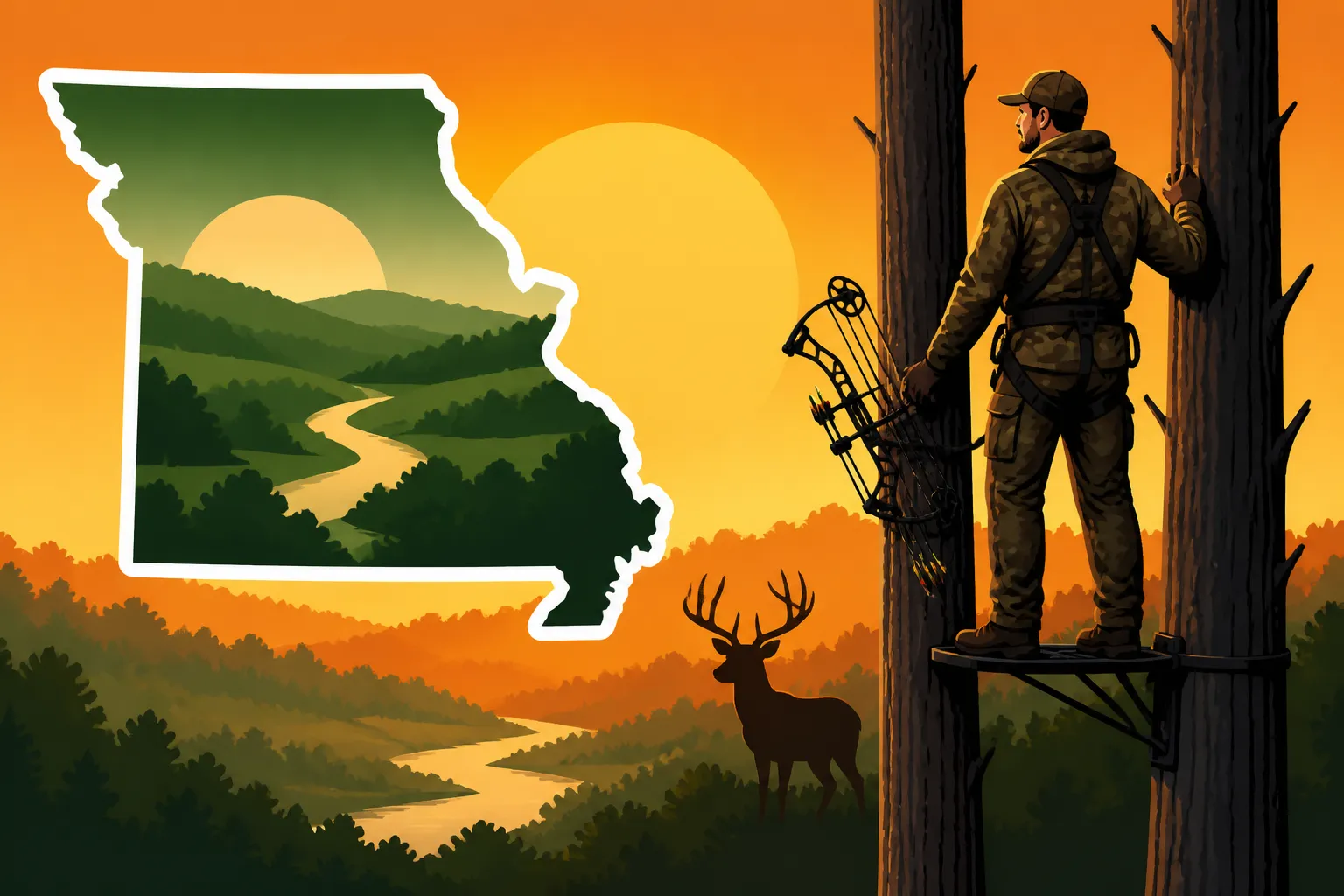
There's nothing quite like the freedom and versatility a climber stand offers, allowing you to pick up and move to where the deer are, but many hunters struggle with finding the perfect tree – a truly straight trunk – that makes using one safe and effective. This guide will walk you through everything you need to know about successfully deploying a climber stand on the straight trunks Missouri's diverse timber offers, from identifying the ideal tree to mastering the climb and making the most of your elevated position.
Why Climber Stands are a Game Changer in Missouri's Woods
For many of us who hunt Missouri, particularly on public land or larger private tracts, being mobile is key. Deer patterns shift with food sources, pressure, and the rut, and being stuck in a permanent setup can mean missing out. That's where the climber stand really shines, offering a flexibility that fixed stands or even ground blinds often can't match.
Advantages Over Fixed Stands
Unlike fixed-position stands that require you to put in tree steps or a ladder, often weeks before the season, a climber stand is an all-in-one unit. This means less gear to carry in on each trip, and crucially, less disturbance to your hunting area. Imagine scouting a new block of timber in the Mark Twain National Forest and spotting fresh rub lines or a hot scrape. With a climber, you can often be in that tree, safely elevated, within an hour or two, ready to hunt. You don't have to worry about leaving expensive equipment exposed to the elements or to curious passersby between hunts, which is a real concern on popular public land. The ability to set up and take down your entire system in one sitting is a huge mental relief for many hunters.
Portability and Versatility
The beauty of a climber is its self-contained nature. Most models are designed to be carried on your back, much like a backpack, making them incredibly portable. This makes it ideal for still-hunting through timber until you find fresh sign, or for quickly relocating if the wind shifts unexpectedly. Think about those crisp fall mornings when the thermals are swirling, or when you realize the deer are consistently skirting your intended ambush point. With a climber, you're not committed to one spot. You can pack up silently, walk a quarter-mile, and be hunting from a new vantage point, adapting to the deer's movements. This versatility is especially valuable during the Hunting the Peak Rut Week in Missouri when deer movement is erratic and unpredictable. Being able to adapt on the fly can be the difference between seeing action and sitting frustrated.
Identifying the Right Trees for Your Climber
The success and safety of using a climber stand hinge entirely on selecting the right tree. Not all trees are created equal for climbers, and a poor choice can lead to a frustrating, dangerous, or even impossible climb. Missouri's forests are a mix of species, and knowing what to look for, and what to avoid, is critical.
Ideal Tree Species in Missouri
When you're scanning the woods for a climber-friendly tree, you're looking for characteristics that allow the stand's jaws to grip securely and slide smoothly. Here in Missouri, several tree species fit the bill perfectly. Mature hardwoods like white oak, red oak, and shagbark hickory are often excellent choices. Their trunks tend to grow relatively straight, and their bark, while textured, usually provides enough purchase for the stand without being excessively rough or flaky. Certain pine species, common in parts of the Ozarks, can also work well due to their consistent taper and often less branchy lower trunks. The key is a trunk that is generally free of limbs for the first 20-30 feet and has a consistent diameter that doesn't drastically change, ensuring the climber platform maintains its angle as you ascend. When you're Reading Aerial Photos for Ozark Deer or using a mapping tool like GoHunt, you can often identify stands of these ideal timber types, giving you a head start before you even set foot in the woods.
Assessing Tree Health and Taper
Beyond species, the health and taper of the individual tree are paramount. A healthy tree will have solid wood, capable of supporting your weight and the stand's pressure. Avoid any tree that shows signs of rot, insect damage, large cavities, or excessive lean. A dead tree, or one with a significant portion of its canopy missing, is an absolute no-go. Even if the trunk looks sound, internal rot can make it dangerously weak.
The taper, or how much the tree's diameter changes from bottom to top, is another critical factor. The ideal climber tree has a very gradual taper. If a tree tapers too quickly, the angle of your stand will change dramatically as you climb, becoming more difficult and potentially unsafe. Some stands are designed to handle more aggressive tapers, but generally, less taper is better. Before you commit to a tree, give it a good visual inspection from all angles, and even walk around it a few times to get a feel for its shape.
Trees to Absolutely Avoid
Just as important as knowing what to look for, is knowing what to avoid. Any tree with excessively flaky, shaggy, or loose bark is a major hazard. Sycamores, for example, with their peeling bark, are notoriously poor choices. Likewise, trees with deep furrows or irregular growth patterns, like some black oaks or elms, can prevent the stand from gripping evenly or sliding smoothly. Multi-trunk trees, or those with large limbs low to the ground, are also out. The stand needs a clear, unobstructed path. Finally, never climb a tree near power lines, fences that might be electrified, or one that's leaning precariously. Your safety is always the top priority, and sometimes that means walking a little further to find a truly suitable tree, or opting for a different setup entirely, such as a ground blind.
Safe and Efficient Climber Stand Use
Using a climber stand isn't just about getting up a tree; it's about doing so safely and efficiently, ensuring you're ready to hunt once you reach your desired height. Neglecting safety protocols or rushing the process can have serious consequences.
Pre-Climb Checks and Gear
Before you even think about putting your stand on a tree, a thorough pre-climb check is essential. This starts at home. Inspect your climber stand for any loose bolts, cracked welds, frayed cables, or worn straps. Ensure all adjustment points are functional and secure. Once you're in the woods, before you start your climb, put on your full-body safety harness. This is non-negotiable. Many hunters swear by a lifelife or "tree rope" system that keeps them tethered to the tree from the moment their feet leave the ground until they return. This continuous attachment significantly reduces the risk of a fall. Missouri hunters, especially those on public land, should always use a safety harness, regardless of stand type. Make sure you understand how to properly wear and adjust your harness and that it fits snugly. Practice attaching it to your stand and the tree at ground level. Carrying a small pair of limb clippers can also be invaluable for clearing small twigs or vines that might obstruct your climb path. Don't forget your haul rope for your bow or rifle; trying to climb with a weapon in hand is dangerous and awkward. Proper preparation here can literally be a lifesaver.
The Climbing Process Step-by-Step
Once your harness is on and you've selected your tree, the climbing process can begin. Start by attaching the bottom section of your climber stand to the tree, ensuring it's level and secure. Then attach the top section, adjusting it to a comfortable distance above the bottom section. Always maintain three points of contact: two hands and one foot, or two feet and one hand, with either the tree or the stand. This is crucial for stability. Many experienced hunters advocate for a "sit and stand" method: you sit in the top section, pull the bottom section up with your feet, then stand on the bottom section and pull the top section up with your hands. Repeat this controlled motion, moving slowly and deliberately.
As you ascend, pay close attention to the tree's taper. If the stand starts to bite too hard or slip, you may need to adjust the stand's angle or re-evaluate your tree choice. Keep your safety tether snug to the tree as you climb, allowing just enough slack for movement. Remember that your full hunting pack and gear should be secured to the stand, or better yet, attached to your haul rope to be pulled up after you're at height. Carrying extra weight while climbing can throw off your balance and increase fatigue. It takes practice to become proficient, so don't be afraid to do some "dry runs" in your backyard or a safe area before hunting season. For more general advice on Treestand Setups in Hardwood Timber, check out that post.
Descending Safely
The descent is just as critical as the ascent, if not more so, as fatigue can set in after a long sit. Use the exact same methodical, three-point-of-contact technique as you used to climb. Do not rush. Lower your weapon and pack with your haul rope before you begin to descend. This removes weight and frees your hands. Keep your safety harness tether continuously attached to the tree and snug. Many falls occur during descent due to hurried movements, lack of attention, or trying to manage too much gear simultaneously. Take your time, focus on your footing and hand placement, and descend in a controlled manner until you are safely on the ground. Always double-check your surroundings for any obstacles or uneven ground before you step off the stand. It's often helpful to mark the base of your chosen tree with reflective tape or a specific marker, especially if you'll be descending in low light.
Maximizing Your Hunt from a Climber
Once you've safely ascended your chosen tree, the real work of hunting begins. A climber stand gives you a unique perspective, but you still need to optimize your position and manage your presence to increase your chances of success.
Optimal Height and Positioning
The "right" height for your climber stand isn't a fixed number; it depends on the terrain, cover, and what the deer are doing. Generally, aiming for a height that gives you a good vantage point over the surrounding terrain while still breaking up your silhouette is ideal. This might be 20 feet in relatively flat, open timber, or perhaps 25-30 feet if you're hunting a ridge line or a subtle elevation change in the Ozarks. Using a mapping app like GoHunt can help you visualize the terrain and anticipate shot distances from different elevations.
Consider the prevailing wind direction and thermals. Your elevated position helps to a degree, but scent still drifts. Try to position yourself so that your scent cone blows away from expected deer travel routes. On those cool mornings, rising thermals can carry your scent upwards, but as the day warms, falling thermals can drop it back down into the hollows. Being aware of Wind and Thermals in Ozark Hills is critical, especially when you're perched high in a tree. Always face the direction you expect deer to approach from, keeping any major shooting lanes open.
Managing Movement and Noise
Being elevated doesn't make you invisible or inaudible. Deer have incredible senses, and unnecessary movement or noise can quickly give you away. Once you're settled in your climber, minimize fidgeting. Practice drawing your bow or raising your rifle slowly and quietly, ensuring no parts of your stand creak or rub. Clear any loose twigs or leaves from your platform before you settle in.
Wear quiet clothing that doesn't rustle or make noise against the stand. Layering can help you stay warm and reduce movement due to shivering. Consider using a small foam pad on your seat or platform for added comfort and noise dampening. If you need to turn to scan, do so in slow, deliberate movements. Many hunters will also brush in their stand slightly with natural vegetation (without damaging the tree, of course), especially if they know they'll be sitting for extended periods. This can help break up your outline further.
Shot Angles and Clearance
From a climber, your shot angles will be downward, which changes how your arrow or bullet will behave compared to a ground-level shot. It's crucial to understand your point of impact at various distances when shooting downward. Practice shooting from an elevated position, if possible, to become accustomed to these angles.
Always ensure you have clear shooting lanes in the directions you anticipate a shot opportunity. While climbing, keep an eye out for small branches that might interfere and use your limb clippers to clear them if necessary. However, remember the rules of the land – some public lands have restrictions on cutting vegetation. When it comes to bowhunting, those steep downward angles mean your arrow path is closer to your stand, so be mindful of your stand's rails or platform. Knowing your limitations and practicing these shots will give you confidence when that Missouri buck finally steps into view. This attention to detail is just as important as the initial Bowhunting Missouri's Four-Month Archery Season strategy.
| Feature | Ideal Climber Tree | Unsuitable Climber Tree |
|---|---|---|
| Trunk Straightness | Very straight, minimal deviation | Crooked, multiple bends, significant lean |
| Taper | Gradual, consistent diameter change | Rapid, inconsistent diameter changes |
| Bark Texture | Moderate texture (oak, hickory, some pines) | Flaky (sycamore), very smooth, or deeply furrowed |
| Limb Clearance | Free of limbs for the first 20-30+ feet | Low branches, multiple leaders |
| Tree Health | Healthy, solid trunk, full canopy | Dead, decaying, visible rot, significant storm damage |
| Diameter | Suitable for stand (check manufacturer specs) | Too small/large for stand jaws to grip securely |
Disclaimer
This article is for general informational purposes only and does not constitute professional advice. Laws, prices and regulations vary by location and change over time. Consult a qualified professional for guidance on your specific situation.