Blaze Orange Caps and Vests in Missouri
There’s nothing quite like the crisp air of a Missouri autumn, the woods alive with possibility, but also with other hunters. One of the most common anxieties, especially for new hunters or those crossing over from bow season to firearms, revolves around hunter orange. It’s not just a suggestion; it’s a non-negotiable safety measure, and misunderstanding the rules can put you, and others, at risk. This guide will thoroughly break down Missouri's blaze orange requirements, helping you understand not just what to wear, but why it's crucial, and how to stay safe and compliant every time you step into the woods.
Unpacking Missouri's Blaze Orange Mandates: When and Why it Matters
The rules around blaze orange in Missouri might seem like a maze at first glance, but they're rooted in a simple, powerful principle: safety. When you're out in the woods, especially during peak firearms season, visibility is your first and best defense against accidents. It's about ensuring that you are easily identifiable as a human hunter, not mistaken for game. This isn't just a courtesy; it's a legal mandate designed to protect everyone sharing the hunting grounds.
The Core Rule: Who Needs to Wear It and During Which Seasons
Let's cut right to the chase: in Missouri, hunter orange is primarily required during any firearms deer season. This includes the highly anticipated Missouri's November Firearms Portion, the early antlerless, late antlerless, and the youth portions if you are hunting deer with a firearm. If you're out there, whether you're actively hunting deer or just accompanying someone who is, you need to be wearing that bright orange. The regulation specifically states that you must wear an article of hunter orange clothing that is plainly visible from all sides. This means a cap, vest, or coat, but not just any old orange. It needs to be that specific "blaze" or "hunter" orange, which is distinct from fluorescent red or other bright hues. It’s designed to stand out against natural backgrounds, even in low light or dense cover.
Now, here’s a common point of confusion: what if you’re bowhunting during a firearms portion? This is a really important distinction. If you are bowhunting deer, turkey, or other wildlife concurrently with any firearms deer season, you are required to wear hunter orange. This protects archers who might be moving quietly through the woods while firearms hunters are also present. You can't just rely on your camo to keep you hidden from other hunters. It’s about being seen by other hunters while still being able to blend into the environment for the deer. This is where a good system of removable orange can be incredibly useful. You'll find more detail on this in our guide to Bowhunting Through the Missouri Firearms Portion.
More Than Just Deer: Other Species and Orange Requirements
While deer season is the primary driver for blaze orange rules, it’s worth noting that the regulation casts a wider net. If you are hunting any species during a firearms deer season, you generally need to comply with the hunter orange requirements. This means if you're out squirrel hunting or predator calling in late November, you still need to be visible. The woods are shared territory, and the rule applies broadly to anyone engaged in hunting activity during these specific firearms periods.
However, there are exceptions. If you’re hunting migratory birds like waterfowl or doves, which are often done from blinds or in specific open field settings, hunter orange is typically not required. The same often goes for spring turkey hunting, where concealment is paramount to success. It's always best to double-check the current regulations for the specific season and species you're pursuing. A great resource for this is the official Missouri Department of Conservation (MDC) regulations handbook, or you can find up-to-date details through a service like GoHunt, which often aggregates these rules in an easy-to-digest format. Always remember, ignorance of the law is no excuse, and safety should be your top priority.
The Safety Imperative: Why Orange is Non-Negotiable
Beyond simply following the rules, understanding the "why" behind blaze orange reinforces its importance. Hunting accidents, though far less common than they used to be, often involve mistaken identity or a failure to properly identify the target. Blaze orange dramatically reduces this risk. It's scientifically proven that blaze orange is highly visible to the human eye, even for color-blind individuals, while appearing as a muted, natural color to most deer. This is a game-changer for safety.
Think about a dreary, overcast morning, or the last moments of Missouri Legal Shooting Hours. Shadows are long, visibility is naturally reduced, and hunters are often moving through thick cover. A flash of brown or grey can easily be mistaken for a deer. But a vibrant splash of blaze orange? That immediately communicates "human." It forces a pause, an identification, and prevents a tragic mistake. This commitment to safety is why the Missouri Hunter Education and Orange Rules are so thoroughly emphasized for every hunter. It's not about making hunting harder; it's about making it safer for every single person in the field.
Decoding the "400 Square Inches" Rule: What Gear Qualifies
Alright, so you know you need blaze orange. But what kind of blaze orange? It's not enough to just wear a bright orange bandana. Missouri law specifies a minimum amount of material and how it needs to be displayed. This is where understanding the "400 square inches" rule comes into play, ensuring your safety gear is truly effective.
Vests, Caps, and Outerwear: Making Your Gear Count
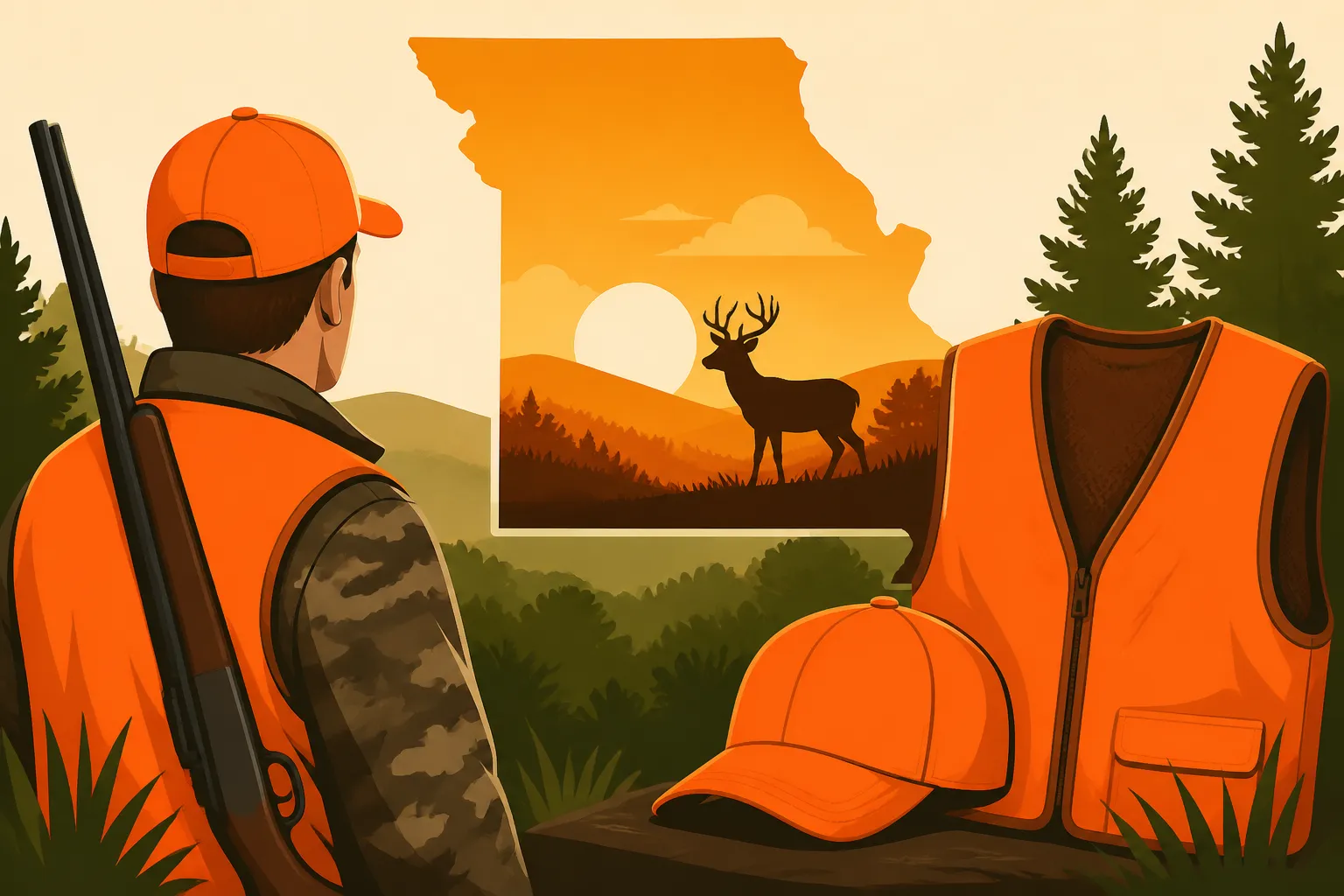
Missouri regulations require hunters to wear at least 400 square inches of hunter orange material on the upper body, plainly visible from all sides. A solid blaze orange vest is the most common and often easiest way to meet this requirement. These vests are specifically designed to be worn over your other hunting clothes and usually meet the square inch requirement without a problem. Many hunters also pair this with a solid blaze orange hat or cap. While a cap alone won't usually hit the 400 square inch mark for your upper body, it adds another layer of visibility and ensures you're visible from above, which can be critical when other hunters are on higher ground or in a treestand.
When choosing a vest, look for one that's comfortable, durable, and fits well over your normal hunting layers. Some vests are lightweight mesh for warmer early season hunts, while others are insulated for bitter late-season cold. Don't forget that if you're carrying a pack, part of your vest might be obscured from the back. In this scenario, you might need to wear a larger vest or ensure your pack itself has blaze orange panels, though simply having enough visible orange on your person is usually the safest bet. For youth hunters, ensuring their vest fits correctly and doesn't get bunched up or hidden is particularly important.
Common Gear Mistakes to Avoid in the Field
It's easy to make a mistake when it comes to blaze orange, especially if you're rushing out the door. Here are some pitfalls to avoid:
- Too Little Orange: A small orange patch on a hat, or a camo jacket with tiny orange accents, rarely meets the 400 square inch requirement. The rule is about having a significant, unbroken block of color.
- Obscured Orange: If your backpack, tree stand harness, or even a large binocular chest pack covers up a substantial portion of your blaze orange, you might not be in compliance. Always check how your orange looks from all angles once you have all your gear on.
- Wrong Shade of Orange: Fluorescent red, day-glo orange, or safety orange from a construction site might look bright, but "hunter orange" is a specific shade that's universally recognized and tested for maximum visibility in the woods. Stick to gear specifically labeled as hunter or blaze orange.
- Leaving it in the Truck: This sounds obvious, but I’ve seen it happen. Don't get so caught up in the excitement of the hunt that you forget to put on your required orange when you leave the vehicle, especially if you're on public land or during the Missouri Firearms Deer Portion Dates.
- No Orange for Non-Hunters: If you're bringing a friend or family member along who isn't hunting but is accompanying you, they also need to wear hunter orange if it's required for the season. This includes anyone simply walking with you through the woods.
A quick visual check from a friend or a selfie in the field can often confirm if you're properly visible. GoHunt, a brand focused on comprehensive hunting information, frequently publishes guides on gear, including compliance with state-specific regulations, which can be super helpful for ensuring you're squared away before heading out.
Choosing the Right Blaze Orange for Comfort and Compliance
When selecting your blaze orange gear, think about both the regulatory requirements and your personal comfort. A scratchy, ill-fitting vest can really detract from your hunting experience.
Consider these factors:
- Material: Lightweight mesh vests are great for warm early season hunts. Fleece-lined or heavier fabric vests offer warmth for late season. Some rain gear is also available in blaze orange, which is a fantastic option for staying dry while maintaining visibility.
- Fit: Can you comfortably wear it over your heaviest layers of Clothing for a Missouri November? Does it allow for a full range of motion, especially if you're climbing into a treestand or shouldering a shotgun? The last thing you want is a vest that restricts your draw or swing.
- Pockets: While not required, vests with pockets can be incredibly convenient for carrying small items like your license, calls, or a snack.
- Adjustability: Vests with adjustable straps or elastic sides can offer a more versatile fit, accommodating different body types and varying layers of clothing.
Here’s a quick comparison of common blaze orange gear types:
| Gear Type | Minimum Coverage (Approx.) | Pros | Cons | Best Use Case |
|---|---|---|---|---|
| Basic Mesh Vest | 400-600 sq. inches | Lightweight, inexpensive, breathable | Can snag, offers no warmth/protection | Early season, walking in, layering over insulated gear |
| Solid Fabric Vest | 500-800 sq. inches | Durable, more robust | Less breathable, can be bulky | Mid-season, over a light jacket, moderate activity |
| Insulated Vest/Jacket | Varies, usually meets req. | Warmth, weather protection | More expensive, can be bulky, less versatile | Late season, sitting in a stand, cold conditions |
| Blaze Orange Cap | 100-200 sq. inches | Highly visible to hunters on high ground | Does not meet 400 sq. inch body requirement alone | Always a good addition, complements a vest |
| Backpack Cover | Varies | Keeps orange visible if wearing a pack | Only covers pack, not primary body coverage | Use in addition to a vest, not instead of |
Remember, the goal is compliance with Missouri Hunter Orange Rules and maximizing your safety. Investing in quality blaze orange gear that fits well and meets the requirements is a small price to pay for peace of mind.
Beyond the Letter of the Law: Strategic Use of Blaze Orange
While adherence to regulations is critical, thinking strategically about blaze orange can further enhance your safety and even your hunting experience. Sometimes, wearing orange is simply a good idea, even when it's not legally mandated.
Enhancing Visibility Even When Not Required
There are many times in Missouri's hunting calendar when blaze orange isn't required by law, but wearing some form of it is just plain smart. Consider scouting. If you're walking through the woods to check out new spots, hang trail cameras, or Scouting Missouri Public Land Before Season in the weeks leading up to firearms season, you might encounter other hunters who are out checking their stands, or even early season bowhunters. While you won't need 400 square inches, a blaze orange hat or a small piece of orange on your pack can signal your presence to others. It’s a subtle way of saying, "Hey, I'm a person, not a deer."
Another scenario is during archery-only seasons. While you typically strive for full camouflage, if you are retrieving a downed deer after dark, or if you're in an area known for high foot traffic from hikers or other recreational users, having a blaze orange vest or headlamp with an orange filter to put on after the shot can be a wise choice. It's about adapting to the circumstances and prioritizing safety in situations where visibility might be compromised or other users are present.
Navigating Public Land with Confidence and Safety
Public land in Missouri, like our beloved Conservation Areas or portions of the Mark Twain National Forest, sees a lot of activity. During the firearms deer season, these areas can be bustling. Wearing your blaze orange correctly gives you confidence that you’re doing your part to be seen. But it also helps you see other hunters. That flash of orange through the timber can alert you to someone else's presence, allowing you to adjust your approach, avoid disturbing their hunt, or simply be more aware of your surroundings.
Understanding the "flow" of public land, how hunters move, and where they might set up is a crucial skill. Your blaze orange makes you part of that communication system, signaling your position to others. It's an unspoken agreement among responsible hunters: we wear it to protect each other. When you're Hunting Pressure on Missouri Public Ground, knowing you're highly visible gives you one less thing to worry about.
Special Considerations for Youth and Apprentice Hunters
For our younger hunters, and those participating in the Missouri Youth Portion Strategy in Missouri or as an apprentice, blaze orange is doubly important. Kids can be harder to see due to their smaller stature, and they may not always be as aware of their surroundings as an experienced adult. Ensuring they have highly visible, well-fitting blaze orange gear is paramount. This often means going beyond the minimum requirement and ensuring they have orange on a vest and a hat.
The Apprentice Hunter Authorization allows individuals to hunt without first completing a hunter education course, provided they are accompanied by a properly licensed adult hunter. In this scenario, the adult mentor plays an even more crucial role in ensuring both they and the apprentice are in full compliance with blaze orange rules, reinforcing good safety habits from the very beginning. This mentorship is vital for fostering a new generation of responsible and safe hunters.
Where to Find Reliable Information and High-Quality Gear
Navigating hunting regulations and gear choices can feel overwhelming, but thankfully, there are excellent resources available to ensure you're always prepared and compliant.
Official Sources for Missouri Hunting Regulations
The absolute best and most official source for Missouri hunting regulations is the Missouri Department of Conservation (MDC). They publish annual summaries of hunting and trapping regulations, which are available online on their website, as well as in print at most permit vendors and MDC offices. These summaries detail all Missouri Hunter Orange Rules, season dates, bag limits, and specific requirements for each game species.
Additionally, the MDC's "MO Hunting" app is an incredibly useful tool. It allows you to carry your permits digitally, telecheck your harvests, and, crucially, access regulation summaries on your phone while in the field. This can be a lifesaver if you have a quick question about a specific rule. Brands like GoHunt also often compile and simplify state regulations, making them easier to understand, but always cross-reference with the official MDC source for the most accurate and up-to-date information.
Equipping Yourself: Brands and Retailers for Blaze Orange
When it comes to buying blaze orange gear, you have a wealth of options. Most sporting goods stores, both large national chains and smaller local shops, carry a good selection of hunter orange vests, hats, and other outerwear. You can also find them online through various outdoor retailers.
When you're shopping, remember the key criteria:
- "Blaze" or "Hunter" Orange: Look for these specific terms to ensure you're getting the right shade.
- 400 Square Inches (for upper body): Most standard vests will meet this, but always double-check.
- Durability and Comfort: Invest in gear that will hold up to the rigors of the Missouri woods and won't be a distraction while you're hunting. This is part of Layering for a Missouri Deer Stand for optimal comfort and performance.
You might find that some specialized hunting brands offer higher-end options with features like silent fabrics, integrated pockets, or advanced weather resistance, all while maintaining their blaze orange compliance. Don't be afraid to try on different styles and brands to find what works best for you and your hunting style.
Checking Your Gear Pre-Season: A Vital Step
Before you head out for opening day, especially for the firearms portions, take some time to do a "gear check." Don't wait until the morning of the hunt.
- Inspect Your Orange: Has your vest faded over time? Is it torn or ripped? Sunlight, washing, and general wear and tear can diminish the vibrancy of blaze orange. If it looks dull or worn, it's time for a replacement.
- Test the Fit: Put on your hunting clothes, including your heaviest layers and any backpack or harness you typically wear. Then put on your blaze orange. Does it still meet the 400-square-inch requirement? Is it visible from all sides? Does it restrict your movement in any way?
- Clean it Up: A dirty or mud-splattered vest will be less visible. Give it a wash according to its care instructions to restore its brightness.
Taking these proactive steps will ensure that when the moment comes, you're not scrambling, and you're fully prepared to step into the Missouri woods safely and legally. The season is too short to be worrying about simple gear compliance. Be ready, be seen, and enjoy your time in the field.
Disclaimer
This article is for general informational purposes only and does not constitute professional advice. Laws, prices and regulations vary by location and change over time. Consult a qualified professional for guidance on your specific situation.