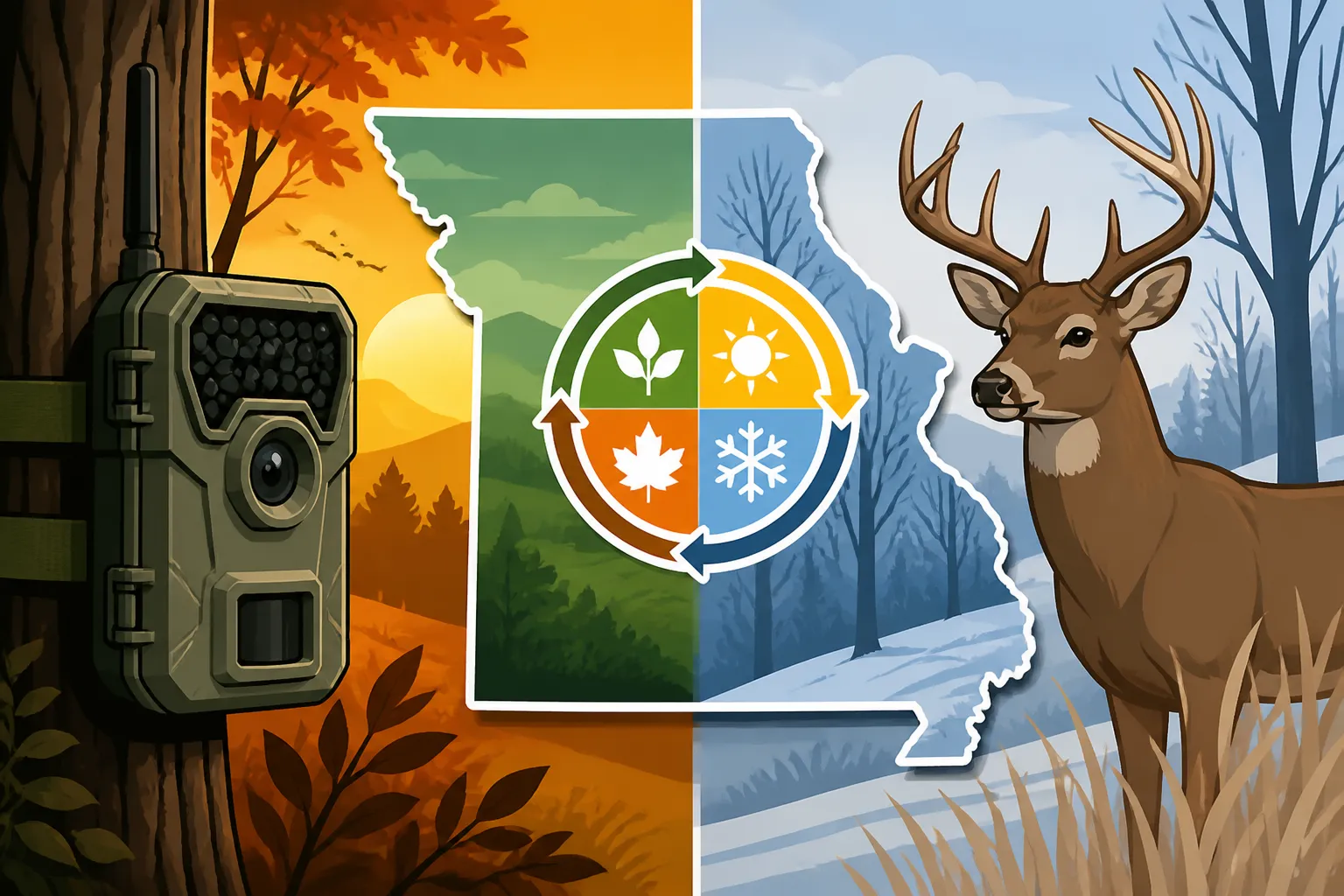
Cellular Cameras and Season Restrictions
It seems like every hunting season brings a new wave of questions about technology in the deer woods, and cellular cameras are often at the top of that list. We all want to get ahead, to know what's moving when we're not there, and these cameras promise just that: real-time intel sent straight to your phone. But with that convenience comes a tangled web of rules and ethical considerations, especially here in Missouri, leaving many of us scratching our heads about what’s actually allowed, and when. This guide is going to cut through that confusion, helping you understand Missouri's specific regulations regarding cellular trail cameras and how to navigate those restrictions to keep your scouting effective and within the rules.
The Appeal and Potential Pitfalls of Cellular Cameras in Missouri
Let's be honest, the allure of a cellular camera is strong. Who wouldn't want to know the instant a mature buck steps in front of their lens, whether you're at work, at home, or just stuck doing chores? This technology feels like a game-changer, and in many ways, it is. But as with any powerful tool, there are nuances and potential downsides, especially when it comes to wildlife regulations.
Why Hunters Love Cellular Cameras
For many hunters, cellular cameras represent a significant leap forward in scouting efficiency and effectiveness. Imagine having eyes on your hunting spot 24/7 without ever having to set foot near it. This capability can drastically reduce human pressure on a specific area, keeping those mature deer from patterning you long before opening day. You can see patterns emerge in real-time – when bucks are moving, what trails they're using, and which scrapes are getting hit. This means less wasted time walking into an area to pull cards, disturbing the deer in the process. Instead, you get immediate notifications, allowing you to react quickly to new activity or adjust your hunting plans based on the latest intel.
This real-time feedback is particularly valuable during crucial periods, like the peak rut. Knowing that a cruising buck just hit your scrapes can tell you exactly when and where to focus your efforts. For those of us with busy lives, limited vacation time, or long drives to our hunting grounds, this efficiency is priceless. It lets us maximize our time in the stand by ensuring we're only going to spots that are actively producing. Brands like GoHunt often highlight how data-driven insights can inform decisions, and cellular cameras are a prime example of generating that data.
Navigating the Regulatory Landscape
However, the very advantages that make cellular cameras so appealing are also what have made them a point of contention among wildlife agencies and hunters alike. The primary concern often revolves around the concept of "fair chase." Some argue that real-time information gives hunters an unfair advantage, blurring the lines between scouting and active hunting. Because of these debates, regulations surrounding trail cameras, especially those with cellular capabilities, can vary significantly from state to state, and even within different types of hunting areas.
In Missouri, the state's conservation department has carefully considered these issues, leading to specific rules that govern the use of these devices. It's not always a simple yes or no answer; sometimes it's about when and where you can use them, and what features are permissible. This creates a challenging environment for hunters who just want to stay legal and ethical while leveraging technology. Many hunters express frustration because they invest in these tools only to find out they might be limited, or they hear conflicting information from fellow hunters, making it hard to trust what's right. The constant need to check and re-check regulations before each season can feel like a chore, but it's absolutely crucial to avoid violations that could lead to fines or permit revocation.
Understanding Missouri's Rules on Trail Cameras
Missouri has some pretty clear guidelines when it comes to using trail cameras, and it's essential to understand them, particularly the distinctions between standard and cellular models. These rules are designed to ensure fair chase and prevent undue pressure on wildlife, especially on public lands where many different hunters share the resource.
General Guidelines for Trail Camera Use
For standard trail cameras – those that simply record images or video to an SD card for later retrieval – the rules are generally quite straightforward on most public lands in Missouri. You can typically deploy them for scouting purposes, but there are always considerations to keep in mind. For example, on Missouri Conservation Areas, most areas allow the use of trail cameras as long as they don't damage vegetation (no nails in trees, for instance) and are removed after the season or within a reasonable timeframe. The key here is usually the method of information retrieval. If you have to physically visit the camera to pull the card, it's generally seen as a scouting activity much like checking for tracks or rubs.
However, even with traditional cameras, it’s always wise to consult the specific regulations for the area you're hunting. Some areas might have unique rules, especially managed hunt areas or state parks that allow hunting. It’s also important to be mindful of other users. Placing cameras in high-traffic areas where they might be tampered with or become a nuisance isn’t ideal. For a deeper dive into the broader rules, you can check out Trail Camera Rules on Missouri Public Land. These general guidelines form the baseline, and then cellular cameras introduce another layer of scrutiny.
Specific Restrictions on Cellular and Wireless Capabilities
Here's where it gets critical for anyone using, or considering using, cellular cameras in Missouri: Missouri regulations generally prohibit the use of devices that transmit images or real-time data to a hunter while they are in the field actively hunting. This means if you're sitting in your treestand during deer season, you cannot receive a live feed or instant notification from a cellular camera telling you a deer is approaching your stand or is in the immediate vicinity. The intent behind this rule is to maintain the spirit of fair chase, preventing technology from giving a hunter an instantaneous advantage over the animal.
This restriction applies broadly to hunting deer and turkey in Missouri. While you can deploy cellular cameras for scouting before the season, or perhaps during times when you are not actively hunting, the moment you transition into an active hunting scenario, the real-time transmission becomes an issue. It’s not about the camera itself, but about the active receipt and use of that real-time information during hunting hours.
Think of it this way: You can use your cellular camera to scout a food plot in September, getting updates on deer movement patterns. That's fine. But once the archery season opens, and you're out there with your bow, you cannot be actively receiving or using those live alerts to inform your shot. This distinction is crucial and often misunderstood. It’s not necessarily a blanket ban on owning or deploying the cameras, but rather a restriction on how the cellular function can be used during specific periods and activities. You need to be very careful to turn off notifications or ensure you are not actively monitoring the feed while hunting. It pays to check the annual hunting regulations booklet, as these rules can occasionally be refined or clarified.
Impact of Season Restrictions on Your Hunting Strategy
Understanding that real-time cellular data from your camera is generally off-limits during active hunting phases in Missouri means you need to adjust your strategy. It doesn't mean your cellular cameras are useless, but it changes how and when you leverage their capabilities. This requires a bit more foresight and a willingness to adapt your scouting tactics.
Adapting Your Scouting During Restricted Periods
When you can't rely on live updates from your cellular cameras during the actual hunting season, your pre-season and in-between-hunt scouting becomes even more critical. Many hunters effectively use cellular cameras for intensive scouting during the off-season and leading up to opening day. This allows them to identify bedding areas, travel corridors, and preferred food sources long before they pick up a weapon. Companies like GoHunt provide mapping tools that can help visualize these patterns you're seeing through your camera data, allowing you to mark key locations.
Once the season begins, however, you'll need to pivot. Instead of checking your phone for immediate alerts, you might plan to check your camera feeds at the end of the day or only on days you're not actively hunting. This way, you're still gathering valuable information about recent activity, but you're not using it in a real-time, in-the-moment hunting context. This requires a return to more traditional scouting methods as well. Things like observing rub lines, checking fresh tracks in creek bottoms, identifying new scrape lines, or simply watching fields from a distance during non-hunting hours become paramount. Learning how to Scouting Missouri Public Land Before Season without relying solely on tech is a skill that always pays dividends, regardless of camera rules. Even a good old-fashioned walk through a timbered draw can tell you a lot about current deer movement.
Planning for Compliance and Ethical Use
Being compliant with Missouri's regulations regarding cellular cameras isn't just about avoiding a ticket; it's about upholding the principles of fair chase that define ethical hunting. This means being proactive in understanding and adhering to the rules. Before each season, make it a point to review the Missouri Department of Conservation's (MDC) official regulations. Don't rely solely on what you hear at the coffee shop or on social media, as rules can change, and interpretations can vary.
When you set up your cellular cameras, think about their placement and how you'll manage the data during hunting season. Consider disabling real-time notifications on your phone when you're in the woods, or setting your camera to only send data once a day, or at certain intervals, to avoid any appearance of real-time monitoring while hunting. It's about consciously choosing to use the technology in a way that aligns with the spirit of the law, not just the letter. Ethical use also extends to respecting other hunters and the wildlife itself. Minimizing disturbance when checking cameras, ensuring they are placed discreetly, and avoiding over-pressuring areas with excessive camera checks are all part of being a responsible hunter. Remember, the goal is a successful and ethical hunt, and sometimes that means putting down the phone and relying on your woodsmanship.
Best Practices for Using Cellular Cameras Responsibly
Using cellular cameras responsibly in Missouri involves more than just understanding the rules; it's about integrating them into your hunting strategy in an ethical and respectful manner. These powerful tools can enhance your hunting experience, but they demand a commitment to staying informed and considering the broader impact of your actions.
Researching Local Regulations Annually
I can't stress this enough: always double-check the current Missouri hunting regulations every single year. Just because a rule was in place last season doesn't mean it hasn't been updated, clarified, or even changed for the current one. The Missouri Department of Conservation (MDC) puts out a new set of regulations annually, usually available online and in print at permit vendors. Take the time to read through the sections pertaining to "General Hunting Regulations" and "Deer/Turkey Hunting," specifically looking for language around electronic devices, trail cameras, and fair chase.
Why is this so important? Because misunderstandings can lead to costly mistakes. Imagine investing in a top-of-the-line cellular camera, setting it up perfectly on your favorite public land, only to find out halfway through the season that a new restriction means you have to remove it or risk a citation. It's a frustrating scenario, but it's entirely avoidable by dedicating a little time to research. Using resources like the official MDC website or even calling your local conservation agent for clarification are far better options than relying on hearsay. Knowing the rules inside and out means you can deploy your technology with confidence and avoid any unwanted surprises.
Ethical Considerations Beyond the Law
Beyond the letter of the law, there are significant ethical considerations when using cellular cameras that every hunter should reflect on. The core principle of fair chase is about giving the animal a reasonable chance, and some argue that real-time information can tip the scales too far in the hunter's favor. While Missouri's regulations address the most immediate concerns, a responsible hunter considers the broader implications.
For instance, think about the impact on other hunters, especially on public land. If everyone is deploying cellular cameras, the sheer volume of human presence to set up, maintain, and retrieve them (even if not pulling cards live) could increase pressure on an area. Consider how your camera setup might affect another hunter's experience. Could it lead to arguments over perceived "ownership" of a spot? By being discreet with your camera placement, using security measures to prevent theft (which unfortunately is a real concern), and minimizing your presence in the woods, you contribute to a more positive experience for everyone. This also extends to how you utilize the data. While it's tempting to want to know every single move a deer makes, a true sportsman finds satisfaction in the challenge of the hunt, not just the harvest. Respecting the animal and the hunting tradition often means relying on a blend of technology and age-old woodsmanship. Understanding Hunting Pressure on Missouri Public Ground can further inform how you manage your camera use on shared resources.
Remember, technology should enhance your hunting, not replace the skills and respect that are at the heart of our passion.
Here's a quick look at the distinctions between traditional and cellular cameras in the context of Missouri hunting:
| Feature/Aspect | Traditional Trail Camera | Cellular Trail Camera |
|---|---|---|
| Data Retrieval | Manual (physically pull SD card) | Wireless (sends images/videos to phone/email) |
| Real-time Info | No; data is delayed | Yes; can send immediate alerts |
| Public Land Use | Generally permitted for scouting | Permitted for scouting, but with restrictions |
| Hunting Season | Permitted for scouting | Real-time transmission prohibited during active hunting |
| Disturbance | Requires physical visits, increasing pressure | Reduces physical visits, less human pressure |
| Regulations | Simpler, fewer explicit restrictions | More complex, specific rules on how they can be used |
| Primary Benefit | Patterning movement over time | Immediate intel, dynamic adjustments |
Understanding these differences is key to staying legal and ethical in the Missouri woods. The technology is amazing, but it's our responsibility to use it wisely and in accordance with the spirit of the hunt.
Disclaimer
This article is for general informational purposes only and does not constitute professional advice. Laws, prices and regulations vary by location and change over time. Consult a qualified professional for guidance on your specific situation.