Trail Camera Rules on Missouri Public Land
There’s nothing quite like the anticipation of checking a trail camera, especially when you’ve put in the legwork to place it strategically on a promising piece of Missouri public land. We’ve all been there: trekking deep into a timber block, finding that perfect scrape line or subtle funnel, and hanging a camera with high hopes. But then the nagging question creeps in – am I even allowed to do this here? Public land is a fantastic resource, but it comes with a responsibility to understand and abide by the rules, especially when it comes to technology like trail cameras. This guide is here to clear up the confusion, give you the lowdown on what’s permissible, and share some best practices for using trail cameras ethically and effectively on Missouri’s public hunting grounds.
Understanding the Lay of the Land: Why Rules Exist
When you venture onto public land in Missouri, whether it’s a sprawling Conservation Area or a tract of Mark Twain National Forest, you’re stepping into a shared space. It’s not your private hunting lease, and that fundamental difference shapes every rule and regulation, especially concerning something as impactful as trail camera usage. We often get frustrated by rules, but understanding their origin can help us appreciate their necessity and navigate them more smoothly.
The Purpose of Public Land and Shared Resources
Think about it: Missouri's public lands are managed for everyone. That means hikers, bird watchers, anglers, mushroom foragers, and yes, hunters. It’s a delicate balance to ensure that all these user groups can enjoy these spaces without one impacting another negatively. Rules around trail cameras, in particular, are designed to prevent excessive encroachment, minimize conflicts between hunters, and maintain the natural integrity of the land. Imagine if everyone placed multiple cameras, leaving them out for months on end, cluttering trails, or even damaging trees. It would quickly detract from the wild experience we all cherish. The regulations are there to ensure fairness, prevent excessive commercialization of public resources, and protect the wildlife from undue pressure, even if that pressure is just a constant human presence checking cameras.
Missouri-Specific Conservation Principles
The Missouri Department of Conservation (MDC) manages the vast majority of our public hunting lands, from small community lakes to massive timber blocks. Their core mission is the conservation of forest, fish, and wildlife resources, and that naturally extends to ensuring ethical and sustainable hunting practices. This philosophy underpins their approach to rules on public land. They want you to have a successful hunt, but not at the expense of the resource itself or the experience of other users. For trail cameras, this means rules that generally discourage permanent fixtures, require proper identification, and ensure the cameras aren't left indefinitely to become litter or a nuisance. These guidelines are a reflection of a long-standing commitment to keep public lands accessible and enjoyable for generations to come, preventing a "tragedy of the commons" where individual actions degrade the collective resource. Missouri Conservation Areas Explained delves deeper into the management philosophy behind these crucial public spaces.
Missouri's Official Trail Camera Regulations on Public Land
Alright, let's get down to brass tacks. You want to know what you can and cannot do with your trail camera on public land. The good news is that Missouri's rules are generally clear, but they require a bit of attention to detail to ensure you're compliant. Failing to follow them could result in your camera being confiscated or even a fine, and nobody wants that when they're just trying to scout some deer.
General Rules for All Conservation Areas
On Missouri Conservation Areas, which comprise the bulk of our public hunting ground, the rules for trail cameras are pretty straightforward. The key principle is that anything you place on public land must be temporary and not damage the resource.
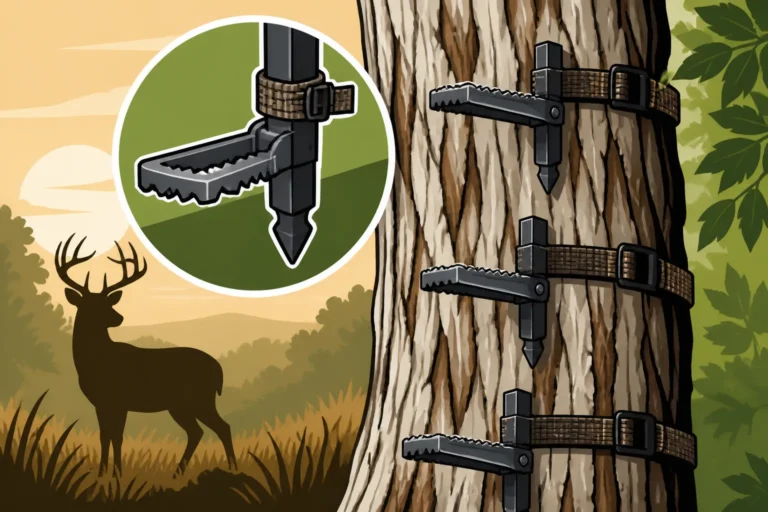
- No Damage to Trees: This is paramount. You absolutely cannot use screw-in steps, screw-in camera mounts, or anything that pierces the bark of a tree. Use straps, bungee cords, or other non-invasive methods to secure your camera. Damaging trees, even unintentionally, can lead to serious issues.
- Temporary Placement: Trail cameras are generally considered "portable tree stands" or "scouting devices" and, like a portable treestand, they cannot be left on public land year-round. While specific durations aren't always explicitly stated for cameras as they are for stands, the spirit of the rule is that they should be removed promptly after use or after the season closes. Check the specific area's brochure for any explicit timelines, as some might have stricter requirements. The best practice is to remove them after you've gathered your intel or at the end of the hunting portion you're participating in.
- Identification: Your camera, like your treestand or ground blind, needs to be clearly labeled with your full name and address, or your conservation identification number (CID). This helps MDC staff identify the owner and contact them if there's an issue. It also acts as a deterrent for theft in some cases. Make sure this information is durable and legible.
- No Permanent Structures: This goes without saying, but no building elaborate hides or permanent camera setups. Keep it simple, temporary, and easily removable.
- Location: While there isn't a rule against placing a camera on a specific tree type or next to a certain feature, exercise common sense. Don't place cameras where they're obvious nuisances to other users, block trails, or interfere with public access points.
Many hunters use digital mapping tools like GoHunt to scout and plan their camera placements. These tools can overlay public land boundaries and even terrain features, helping you identify prime locations without ever stepping foot on the property first. This allows you to plan your placement meticulously, ensuring you're not putting your camera in a high-traffic human area or on private land inadvertently. For more detailed rules on other types of scouting gear, check out Blinds and Stands on Missouri Public Land.
Special Considerations for Federal Lands
Missouri also boasts federal public lands, most notably portions of the Mark Twain National Forest. While the MDC rules are a great baseline, federal lands can sometimes have their own specific regulations or interpretations, so it’s always wise to double-check.
- Mark Twain National Forest: Generally, the U.S. Forest Service has similar principles regarding temporary structures and leaving no trace. Screw-in items are forbidden, and anything you place must be removed. However, specific district ranger offices might have nuances. It's always a good idea to consult their local office or check the Mark Twain National Forest website for their current "motor vehicle use maps" (MVUMs) and any specific hunting regulations. Mark Twain National Forest Hunting offers a deeper dive into hunting these federal lands.
- National Wildlife Refuges: These areas, like Loess Bluffs National Wildlife Refuge or Mingo National Wildlife Refuge, are often managed with an even greater emphasis on wildlife protection and can have much stricter rules, including outright bans on trail cameras in certain zones or during specific times. Always, always check the specific refuge's regulations before assuming anything. They are often managed by the U.S. Fish and Wildlife Service, and their rules can differ significantly from MDC or Forest Service land.
To give you a clearer picture, here's a quick comparison of general rules:
| Feature/Rule | Missouri Conservation Areas (MDC) | Mark Twain National Forest (USFS) | National Wildlife Refuges (USFWS) |
|---|---|---|---|
| Screw-in Devices | Prohibited | Prohibited | Prohibited (or specific to refuge) |
| Temporary Use | Yes, must be temporary & removed post-use/season | Yes, must be temporary & removed | Varies, often prohibited or highly restricted |
| Labeling | Required (Name/Address/CID) | Recommended (Name/Address) | Varies, if allowed, likely required |
| Damage to Trees | Prohibited | Prohibited | Prohibited |
| Cellular Cameras | Generally allowed, but adhere to other rules | Generally allowed, but adhere to other rules | Varies, often prohibited |
| Permits Needed | No specific camera permit | No specific camera permit | Varies, check specific refuge rules |
Remember, this table is a generalization. The golden rule is to always verify the specific regulations for the exact public land you plan to hunt or scout. The Public Hunting Land in Missouri article offers a great starting point for understanding the breadth of public access available.
Ethical Considerations and Best Practices
Beyond simply following the letter of the law, using trail cameras on public land comes with a strong ethical component. We're all part of the hunting community, and our actions reflect on everyone. Being a good steward of the land and a respectful fellow hunter is just as important as knowing the regulations.
Respecting Other Hunters and the Wildlife
Public land is a shared resource, and that means sharing the experience.
- Don't "Own" a Spot: Just because you have a camera in an area doesn't mean it's "your spot." Other hunters have every right to be there. Be prepared to encounter other cameras or hunters, and react with courtesy. If you find another hunter's camera, leave it be. Moving or tampering with someone else's property is not only unethical but potentially illegal.
- Minimize Pressure: Constantly checking your cameras creates human scent and presence, which can educate or even push deer out of an area. Be smart about when and how often you check your cameras. If you're running traditional SD card cameras, try to check multiple cameras in one trip, and time your visits for periods of low deer activity (like midday). Using apps that allow you to layer public land boundaries, access roads, and even topographic maps can help you plan the most efficient and least intrusive entry and exit routes to your cameras. Scouting Missouri Public Land Before Season is all about minimizing your footprint.
- No Baiting (with Cameras): Missouri has very clear baiting and feeding rules, especially on public land. Using a trail camera near bait, salt licks, or feed is generally prohibited on public land. Your camera should be documenting natural deer movement, not attracting deer to an illegal food source. Always ensure your camera placement is compliant with these broader baiting regulations.
- Wildlife Impact: While a camera itself isn't particularly invasive, a continuous human presence checking it can be. Consider the wildlife first. If you're getting pictures of deer at a certain time, try to avoid checking the camera around those peak activity times. The goal is to observe, not to alter their natural behavior.
Protecting Your Investment and Preventing Conflict
Let's be realistic: theft and tampering are unfortunate realities on public land. While you can't eliminate the risk entirely, you can take steps to protect your gear and prevent unnecessary conflicts.
- Discreet Placement: Try to place your camera in a way that it's not immediately obvious from a main trail or road. Use natural cover to your advantage. Camouflage patterns help, but strategic placement is key. Sometimes a slightly less-than-perfect angle that keeps the camera hidden is better than a perfect angle that screams "steal me!"
- Security Measures: Cable locks or Python locks can deter opportunistic thieves. While they won't stop a determined individual with bolt cutters, they will make your camera less appealing than an unlocked one. Investing in a security box can also add a layer of protection.
- Label Clearly: As mentioned, clear labeling with your CID or contact info is a regulation, but it also helps identify your camera if it's found or recovered after being misplaced or stolen.
- Intellectual Property?: The photos your camera takes are yours, but be mindful of privacy if you capture images of other hunters. Respectful use of your footage is part of good sportsmanship. Never use images of other hunters to shame or harass them.
- Using GoHunt for Strategic Placement: When considering where to place your cameras, a tool like GoHunt can be invaluable. It lets you analyze topography, find remote corners, and identify areas that might see less human traffic, thus reducing the chance of theft and minimizing disturbance. Identifying terrain features like Reading an Ozark Hollow for Deer Movement or Setting Up on a Bench Above a Creek can give you an edge in finding those hidden, low-pressure spots for your cameras. This strategic approach not only protects your gear but also keeps you compliant with the spirit of public land hunting.
Navigating the Digital Age: Cellular Cameras and the Future
Trail cameras have evolved rapidly, and the advent of cellular cameras has introduced a new dynamic to public land scouting. While incredibly convenient, they also bring fresh discussions about ethics and the potential for future rule changes.
Cellular Cameras and Real-Time Scouting
Cellular cameras are game-changers. Instead of making frequent trips to pull SD cards, you get photos sent directly to your phone or computer in near real-time. On public land, this offers a significant advantage:
- Reduced Pressure: You can drastically reduce your physical presence in an area, meaning less human scent, less disturbance, and less risk of educating deer or alerting other hunters to your presence. This is a huge benefit for stealthy public land hunting.
- Efficiency: You know immediately if an area is hot or cold, saving you valuable time and effort. This is especially useful when trying to pinpoint the Peak Rut Week in Missouri or track specific deer movements.
- Ethical Debates: While MDC regulations generally don't differentiate between cellular and traditional cameras regarding placement rules (as long as they adhere to the non-damaging, temporary, labeled requirements), the use of cellular cameras does spark ethical debates. Some argue that real-time scouting, especially during the hunt, diminishes the "fair chase" aspect of hunting by giving an unfair advantage. Others argue it's just a technological advancement, no different than using a high-tech bow sight or rangefinder. For now, they are generally allowed under the same rules as traditional cameras, but always stay informed about potential updates.
The ability to monitor several cameras across vast public landscapes, without constantly stomping around the woods, is a significant advantage. It allows you to expand your scouting efforts and understand animal patterns more broadly, helping you find those elusive pockets of deer that often go unnoticed. This is where tools like GoHunt, with their detailed mapping capabilities, complement cellular cameras by allowing you to strategically place devices and monitor activity from afar.
Potential Rule Changes and Staying Informed
Wildlife regulations are not static; they evolve. As technology advances and hunter numbers or practices change, conservation departments must adapt.
- Keeping Current: It's crucial to understand that rules can and do change. What was permissible last year might have new stipulations this season. Always make it a habit to check the current Missouri Department of Conservation Wildlife Code before each hunting season. Pay close attention to sections on general hunting methods, equipment, and public land specific regulations.
- MDC Engagement: The MDC often provides updates through their website, social media, and local offices. Participating in public feedback sessions or staying informed through hunter education resources can help you understand the rationale behind potential changes.
- The Future of Cellular Cams: As cellular camera technology becomes more prevalent, it wouldn't be surprising to see more specific regulations or guidelines emerge. This could include limitations on the number of cameras per hunter, distance restrictions from active hunting stands, or even bans during certain portions of the season. For now, Missouri has taken a fairly open stance, but vigilance is key. Using a resource like the Missouri Conservation Atlas is your best friend here, as it provides specific rules for individual conservation areas that might not be covered by general statewide regulations. Staying informed about these changes, perhaps through a platform that aggregates such information, is crucial for responsible hunting.
Ultimately, using trail cameras on Missouri public land is a powerful scouting tool, but it's a privilege that comes with clear responsibilities. By understanding and respecting the rules—and the spirit behind them—you can effectively use this technology to enhance your hunting experience while being a responsible steward of our shared wild places.
Disclaimer
This article is for general informational purposes only and does not constitute professional advice. Laws, prices and regulations vary by location and change over time. Consult a qualified professional for guidance on your specific situation.