Running Hounds in Missouri
For many hunters across Missouri, the thrill of the chase isn't found in a quiet treestand or a patient stalk, but in the chorus of baying hounds echoing through timbered hollows or across frosty fields. It's a deeply rooted tradition, but navigating the nuances of running dogs in our diverse landscape, from understanding specific game regulations to securing suitable land access, can feel like a whole different sport. This comprehensive guide will walk you through everything you need to know to pursue this passionate hunting method responsibly and effectively here in the Show-Me State.
The Enduring Spirit of Running Hounds in Missouri
There's something truly primal and exhilarating about working with a well-trained pack of hounds. It’s a partnership built on instinct, trust, and countless hours spent in the woods or fields. Here in Missouri, this tradition runs deep, whether you're chasing the lightning-fast cottontail, the elusive nocturnal raccoon, or the cunning coyote and bobcat. It's a way of hunting that connects you to the land and to your dogs in a profoundly unique manner, far removed from the solitary nature of many other hunting methods.
A Legacy of Canine Companionship
For generations, Missourians have relied on the incredible senses and athleticism of hounds. These aren't just pets; they're working partners, bred and trained for specific tasks. The sight of a pack hot on the trail, nose to the ground, is a testament to centuries of selective breeding and a bond between human and dog that transcends mere ownership. From the distinctive "chop" of a coonhound on a fresh trail to the enthusiastic "barking on trail" of beagles, each breed brings its own voice and style to the hunt. This partnership requires dedication, patience, and a deep understanding of canine behavior, making the success of a hunt a shared triumph between hunter and hound.
Embracing the Active Pursuit
Unlike sit-and-wait methods, running hounds is an active pursuit. You're often covering significant ground, listening intently to the symphony of your pack, and interpreting their every vocalization. This can mean long nights walking creek bottoms under a moonlit sky, or brisk mornings tramping through briar patches. It's physically demanding and mentally engaging, requiring constant attention to your dogs, the terrain, and the ever-changing conditions. The reward isn't just the successful harvest of an animal, but the sheer joy of watching your dogs do what they were born to do, navigating complex scent trails with unwavering determination. This active engagement creates stories and memories that last a lifetime, forging an unbreakable bond with your four-legged hunting partners.
Navigating Regulations and Permits for Hound Hunting
Missouri's diverse hunting opportunities come with a clear set of rules, and hound hunting is no exception. Understanding the specific regulations for the species you pursue, permit requirements, and seasonal considerations is absolutely critical for a legal and ethical hunt. The Missouri Department of Conservation (MDC) aims to manage wildlife populations sustainably, and that includes regulating methods like running hounds.
Required Permits and Season Dates
Before you ever release a hound, you'll need the proper permits. For most furbearers like raccoons, opossums, and bobcats, a Missouri Furbearer Permit Rules is required. If you're hunting small game such as rabbits, a small game hunting permit is necessary. It's important to check the current year's Missouri Hunting and Trapping Regulations booklet, as seasons and bag limits can change. For example, raccoon and opossum seasons are quite long, often extending through much of the fall and winter, which is ideal for night hunting. Bobcat and coyote seasons also offer good opportunities, but they often have stricter bag limits or specific tagging requirements for bobcats. Always be aware of legal shooting hours; generally, furbearers can be hunted day or night during their open seasons, but small game like rabbits have specific daytime hours.
Special Considerations for Night Hunting and Predators
When it comes to Hunting Missouri Raccoons at Night or pursuing other nocturnal predators like coyotes, Missouri has specific regulations designed to ensure safety and ethical hunting. Artificial lights, such as headlamps or handheld spotlights, are generally permitted for hunting furbearers at night when those species are in season. However, always double-check the current regulations, as rules can be adjusted. For instance, while you can hunt coyotes at night, there might be specific weapon restrictions or requirements regarding the use of artificial lights that differ from raccoon hunting. The legal framework around Night Hunting Rules for Missouri Predators can be complex, and ignorance of the law is never an excuse. Furthermore, when hunting predators like coyotes and bobcats, some areas might have specific rules, especially on public lands, regarding the use of electronic calls or other methods. It's also worth noting that non-game species like feral hogs can be pursued with hounds year-round without a permit on private land, but be aware that the MDC has specific rules against hunting feral hogs on public land with the intent of eradicating them.
Choosing Your Quarry: Different Hounds for Different Game
The beauty of hound hunting lies in its specialization. Different breeds possess unique traits, instincts, and vocalizations perfectly suited for specific game animals. Understanding these distinctions is key to building a successful pack and maximizing your enjoyment afield. You wouldn't use a fine bird dog to chase a rabbit, and the same principle applies to hounds.
Running Beagles on Missouri Cottontails
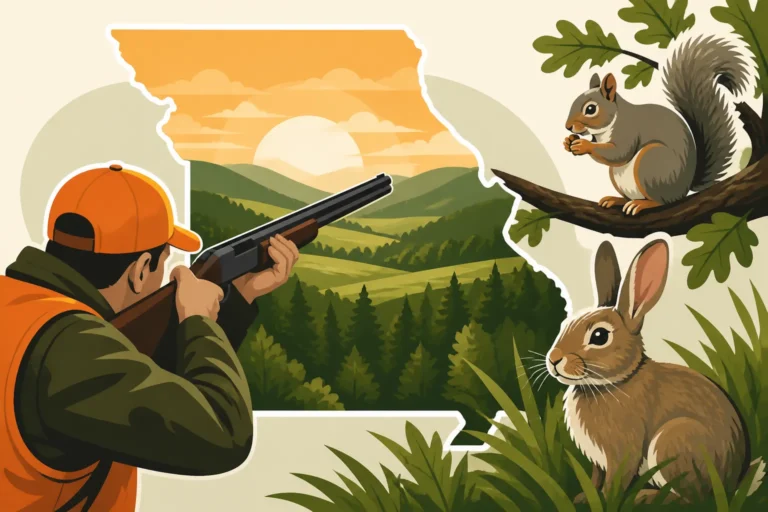
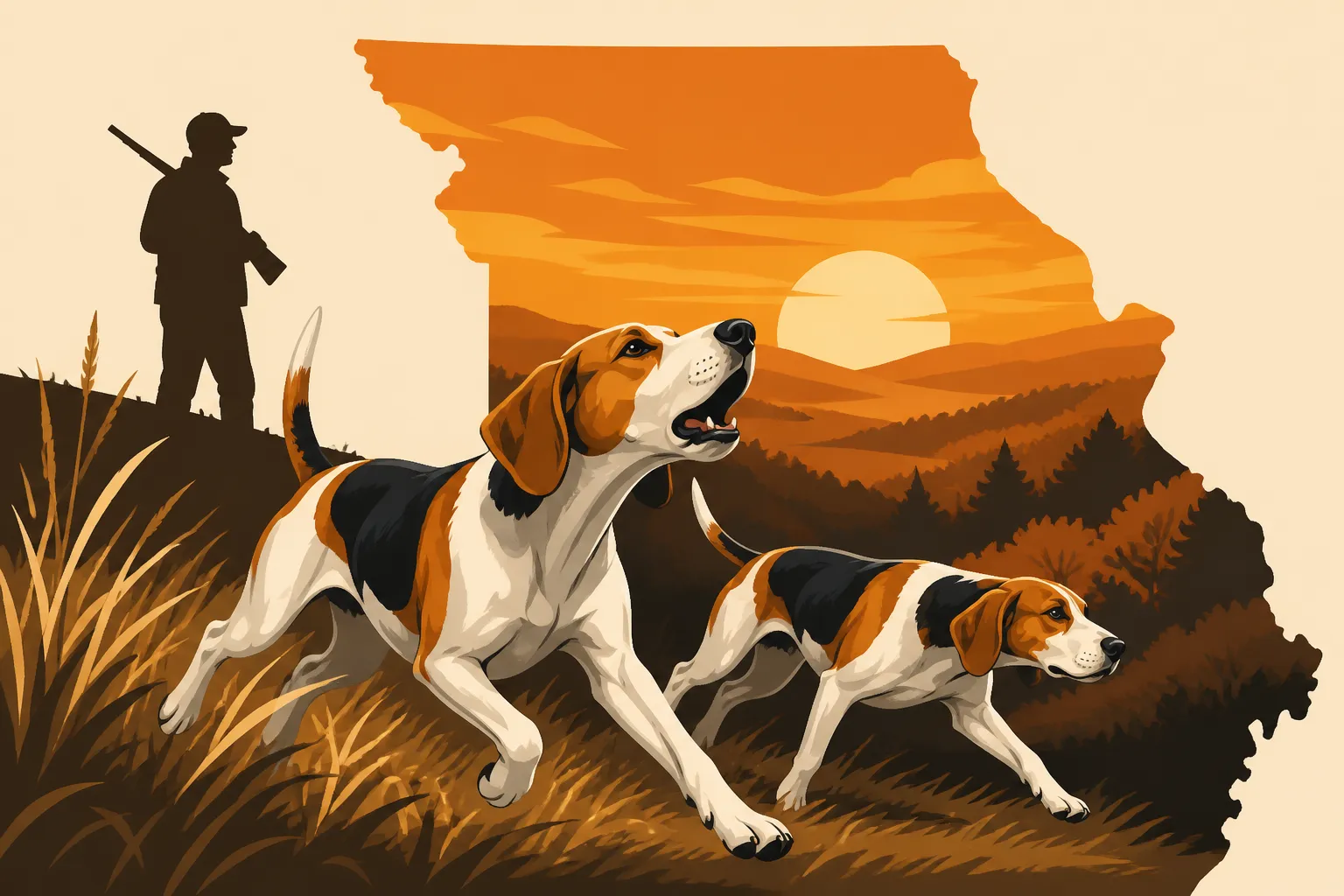
There's nothing quite like the sound of a pack of beagles hot on the trail of a cottontail rabbit. These small, tenacious hounds are specifically bred for their incredible noses and their ability to stay on a scent trail, baying consistently as they push the rabbit in a circle, often back to the hunter. When you're Running Beagles on Missouri Cottontails, you'll often be walking brushy fields, briar thickets, and dense cover where rabbits love to hide. Beagles excel in this environment, their short legs allowing them to navigate dense undergrowth with ease. The hunt is a delightful cacophony of barks, braying, and excited yips, a testament to their passion for the chase. This method requires patience from the hunter, waiting for the rabbit to complete its circuit, and a good ear to interpret the dog's progress. Often, hunters will spread out strategically, anticipating where the rabbit will eventually emerge, allowing for a clean shot. Success often hinges on finding good rabbit habitat, such as Rabbit Hunting Brush Piles or dense fencerows, and giving your dogs the freedom to work.
Treeing Hounds for Raccoons and Opossums
Night hunting for raccoons and opossums is a classic Missouri tradition, and it’s where "treeing hounds" truly shine. Breeds like American English Coonhounds, Black and Tan Coonhounds, Redbone Coonhounds, and Treeing Walkers are specifically bred for this pursuit. Their keen noses allow them to follow often faint scent trails through the darkness, eventually "treeing" their quarry high up in a tree. The moment a dog "trees" an animal, its vocalization changes to a distinct, excited "tree bark" – a signal to the hunter that the chase is over, and the game is located. A successful night of hunting often involves walking miles through timber, listening to the distinctive "chop" and "bawl" of your dogs as they work a track, and then racing to their location once they’ve treed. This form of hunting also demands a good light source to locate the treed animal and ensure a safe shot. It’s a truly immersive experience, combining the thrill of the chase with the unique challenge of navigating the woods at night.
Utilizing Hounds for Coyotes and Bobcats
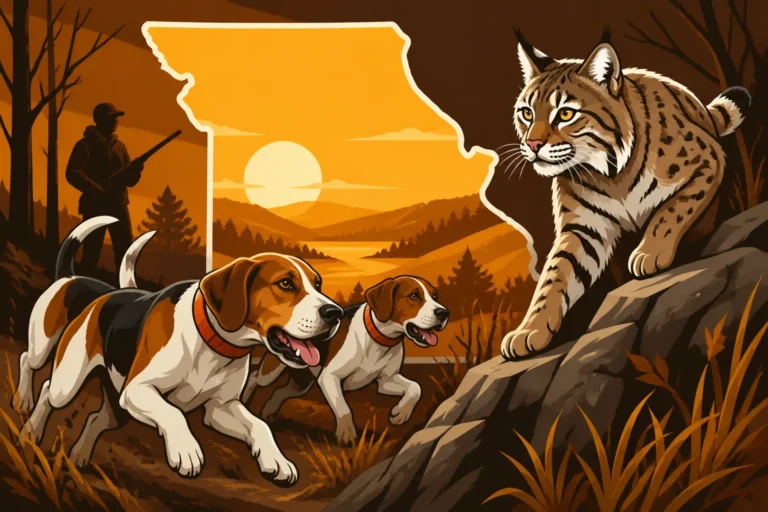
For larger, more challenging predators like coyotes and bobcats, different hounds come into play. Plott Hounds, Basset Hounds, and certain strains of American English Coonhounds known for their speed and grit are often used for this kind of hunting. These dogs need to be fast, tough, and possess a strong prey drive to keep up with and eventually corner or tree these intelligent and agile predators. When it comes to Running Hounds for Bobcats or pursuing coyotes, the chase can be incredibly long and cover vast distances, often over rugged terrain. Hunters rely heavily on GPS collars to keep track of their dogs, as they can quickly disappear over ridges or into dense cover. The objective is often to wear down the animal or push it into a position where it can be taken safely and humanely. Coyote Calling in Missouri Farm Country is often a separate method, but hounds can be a valuable tool for pursuing coyotes that have been called in but not harvested, or for tracking those that have been wounded. This type of hound hunting demands an even higher level of physical fitness from both dogs and handlers, and often involves a greater commitment of time and resources.
| Game Animal | Primary Hound Breeds | Hunting Environment | Typical Season | Notes |
|---|---|---|---|---|
| Rabbit | Beagles, Basset Hounds | Brush piles, thickets, fencerows, open timber | Fall/Winter (daylight) | High energy, often cyclical chases, great for youth hunters. |
| Raccoon | Coonhounds (Black & Tan, Treeing Walker, Redbone, English) | Timber, creek bottoms, agricultural edges | Fall/Winter (night) | Relies on treeing, requires good lights, long walks. |
| Opossum | Coonhounds | Timber, agricultural edges | Fall/Winter (night) | Often incidental to raccoon hunting, similar methods. |
| Coyote | Plott Hounds, some Coonhounds, Greyhounds | Open fields, timber edges, vast tracts of land | Year-round (day/night depending on rules) | Long, fast chases, requires GPS tracking, physically demanding. |
| Bobcat | Plott Hounds, some Coonhounds | Dense timber, rugged Ozark terrain, brushy areas | Fall/Winter (day/night depending on rules) | Challenging, often requires deep woods navigation, specific tagging rules. |
Public vs. Private Land: Accessing Missouri's Hunting Grounds
One of the biggest hurdles for any hunter, especially those running hounds, is securing consistent access to suitable land. Missouri offers a mix of public and private opportunities, each with its own advantages and challenges. Understanding how to navigate these options is crucial for successful and enjoyable hound hunting.
Hunting Missouri Conservation Areas with Hounds
Missouri boasts an impressive network of Conservation Areas (CAs) managed by the MDC, totaling over a million acres of public land. These areas can offer fantastic opportunities for hound hunting, especially for small game and furbearers. However, it’s imperative to familiarize yourself with the specific rules for each individual area. While Public Hunting Land in Missouri provides a great resource, not all CAs permit the use of dogs, or they might have specific restrictions regarding dog training, off-leash activities, or areas where dogs are allowed during certain seasons. Always check the area-specific brochure on the MDC website or app for the most up-to-date information. Generally, areas with extensive timber or dense cover are excellent for raccoons and bobcats, while more open, brushy CAs can be great for rabbits. Be mindful of other users, especially during popular firearms seasons, and always ensure your dogs are under control. Adhering to Missouri Conservation Area Rules isn't just about legality, it's about respecting the resource and other hunters.
Securing Private Land Permission
While public lands offer great opportunities, private land often provides more consistent access and potentially less competition. This is especially true for hound hunters, where dogs can cover significant ground and sometimes cross property lines. The best way to secure private land access is to build relationships with landowners. Knocking on doors, being polite and respectful, and offering to help with chores can go a long way. Many landowners appreciate hunters who are willing to manage nuisance animals like coyotes or raccoons. Always ask for clear, explicit permission, and be aware of Retrieving Game From Private Land rules—even if your dog chases a game animal onto neighboring property, you still need permission to enter that land, whether to retrieve your dog or a harvested animal. For folks struggling to find those ideal private land parcels or even just understanding public land boundaries and ownership information, tools like GoHunt can be an absolute game-changer. It’s not just about finding where to go, but also understanding who to ask for permission, or if permission is even needed on certain tracts. This can save countless hours of driving and knocking on doors, streamlining the process of finding new hunting grounds.
Training Your Pack and Essential Gear for Missouri
Successful hound hunting isn't just about releasing dogs into the woods; it's about a well-trained pack and the right gear to ensure safety, efficiency, and success. Investing in both your dogs and your equipment will pay dividends in the field.
Training Your Hounds for Missouri Conditions
Training a hound is an ongoing process that begins long before their first hunt. It involves developing a strong bond, teaching basic obedience commands, and gradually exposing them to game scents and hunting scenarios. For young hounds, consistent exposure to live game is crucial. This could mean starting with controlled chases in designated training areas or accompanying older, experienced dogs. Scent training, simulated tracks, and working on recall commands are all vital. In Missouri's varied terrain, dogs need to be physically fit and mentally sharp. They'll encounter everything from dense briar patches and steep Ozark hills to muddy creek bottoms and standing water. Training should incorporate these challenges, building their stamina and resilience. A well-trained dog isn't just more effective; it's safer, for itself and for other hunters.
Essential Gear for the Hound Hunter
Beyond your dogs, a solid kit of gear will greatly enhance your hound hunting experience in Missouri. First and foremost, a reliable GPS tracking system for your dogs is non-negotiable. Brands like Garmin and Alpha offer excellent dog collars that pair with handheld devices or even smartphone apps, allowing you to monitor your dogs' locations, track their movements, and even recall them from miles away. This is especially vital when your dogs are running far on coyotes or bobcats, or when hunting vast public lands.
For night hunting, a powerful and durable headlamp is essential, often supplemented by a handheld spotlight for locating treed game. A good hunting vest or pack to carry water, snacks, extra batteries, a first-aid kit for both yourself and your dogs, and a knife is also crucial. Consider durable, thorn-resistant clothing – Missouri's briar patches can be brutal. Boots that offer good ankle support and waterproofing are also key, given the often-rugged and wet terrain. When your hounds are deep in the timber, covering miles on a track, an accurate GPS tracking system integrated with mapping software like GoHunt can provide real-time updates on their location and trajectory. This allows you to anticipate their movements, understand the terrain they're traversing, and plan your approach effectively, saving precious time and effort. Lastly, always carry water for your dogs, especially during warmer seasons or long hunts.
Hound Hunting Safety and Ethics in the Missouri Outdoors
Hound hunting, by its very nature, is a dynamic and often loud activity. Because it can intersect with other hunting methods and involve interaction with the public, upholding strict safety and ethical standards is paramount. Ensuring the well-being of your dogs, respecting other land users, and practicing responsible hunting are non-negotiable.
Prioritizing Dog and Hunter Safety
Safety starts with your dogs. Equip them with brightly colored, durable collars for visibility, and as mentioned, reliable GPS trackers are a must. Beyond tracking, the ability to control your dogs, especially around roads, livestock, or other hunters, is critical. Training for strong recall and "leave it" commands can prevent dangerous situations. For hunters, blaze orange is essential during any firearms season, even if you're pursuing furbearers with a bow. While Missouri Hunter Education Age Requirement covers fundamental safety, specific considerations for hound hunting include being aware of your surroundings, especially when shooting at night. Never shoot at an indistinct target, and always know what’s beyond your target. Communication with your hunting partners is also key, especially if you’re splitting up to cover more ground or responding to a treed animal.
Ethical Considerations and Public Relations
As hound hunters, we are ambassadors for our sport. Respecting private property, even if your dogs temporarily cross a boundary, is crucial. If your dogs inadvertently pursue game onto posted land, remember the rules about Retrieving Game From Private Land. Always have a plan for retrieving your dogs if they go off-limits. Noise can also be a factor – be mindful of residences when releasing dogs or allowing them to run, particularly at night. Ethical harvesting means ensuring a quick, clean kill. If using lights at night, focus on identifying the animal clearly before taking a shot. Furthermore, proper care of harvested game is important; don't waste meat, and if you're hunting furbearers, utilize the hide. By demonstrating responsible behavior and respect for others, hound hunters can help ensure the long-term acceptance and enjoyment of this unique and rewarding hunting tradition in Missouri.
Disclaimer
The information provided in this guide is for general informational purposes only and does not constitute legal advice. Hunting regulations, seasons, and permit requirements are subject to change. Always consult the most current Missouri Hunting and Trapping Regulations published by the Missouri Department of Conservation (MDC) before engaging in any hunting activities. It is your responsibility to know and follow all applicable laws and regulations.