Still-Hunting After a Fresh Snow
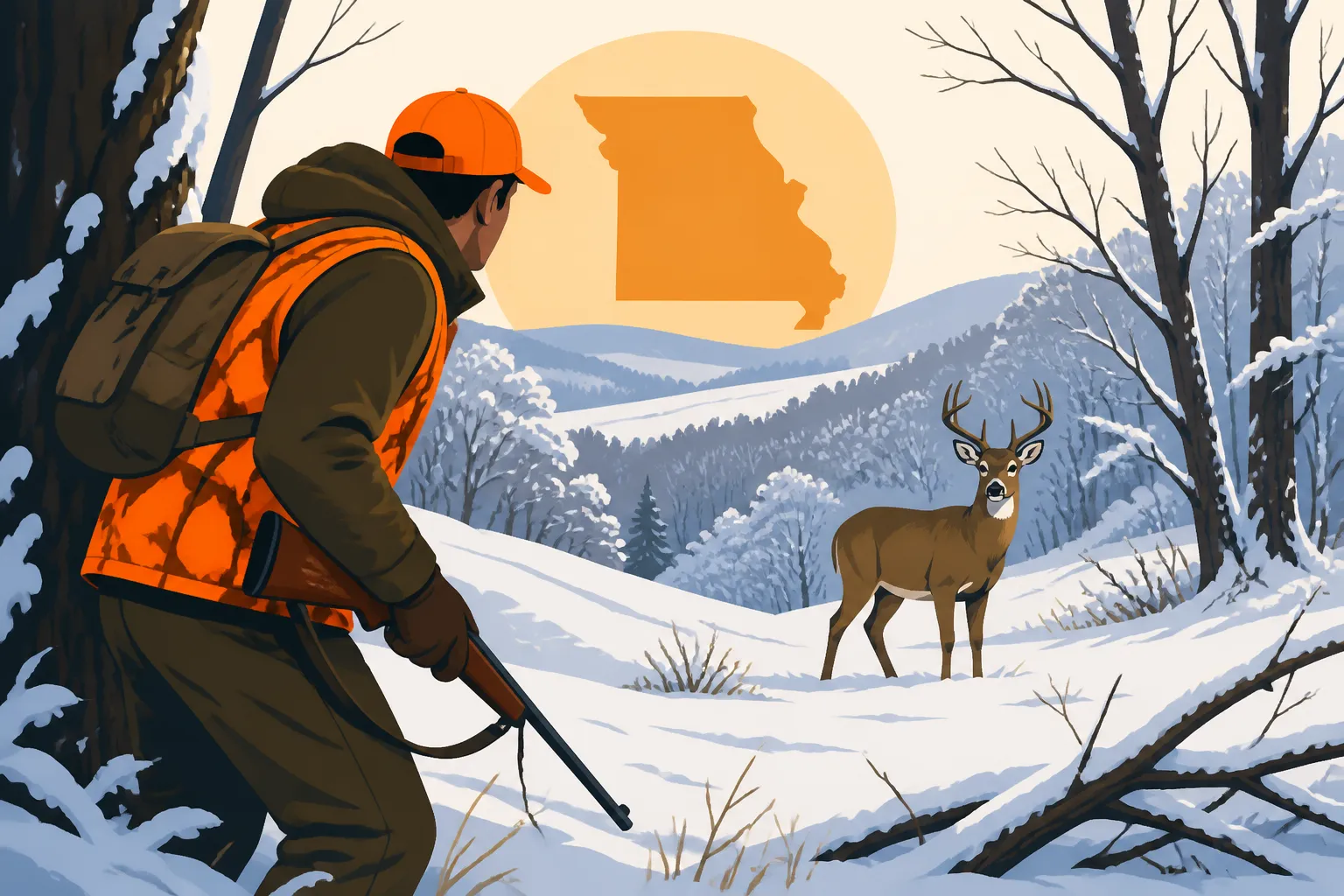
Few things are more frustrating than trying to quietly slip through the woods on a crisp autumn morning only to have every crunching leaf or snapping twig announce your presence to every deer within a quarter-mile. But when a fresh blanket of snow covers the ground, suddenly the whole equation changes. This guide is all about unlocking the incredible potential of still-hunting after a fresh snow in Missouri, turning those silent struggles into stealthy successes.
The Transformative Power of Fresh Snow for Still-Hunting
There’s a unique magic that a fresh snowfall brings to the deer woods, especially for the still-hunter. It's more than just pretty scenery; it fundamentally alters the dynamics of the hunt, creating advantages you simply don't have in other conditions. Many hunters dread the cold and extra effort, but those who embrace it discover a whole new way to connect with the landscape and the animals.
Why Snow Changes the Game for Hunters
First and foremost, snow is a natural sound dampener. Imagine walking through a dry leaf bed versus walking on a fresh, soft layer of snow. The difference is night and day. Every step you take, every branch you brush against, is significantly quieter. This allows you to move with a level of stealth that's almost impossible otherwise. You can get closer to bedding areas, slip along travel corridors, and even approach feeding deer without them bolting at the first rustle. This quiet approach is particularly effective when you're trying to cover ground in areas where deer might be pressured, such as some of our more popular public lands in the Mark Twain National Forest or larger Conservation Areas.
Beyond the silence, snow also acts as a giant, pristine canvas that reveals every movement in the woods. Deer tracks that were invisible on hard ground or obscured by leaves now stand out starkly against the white. This isn't just about seeing where a deer was, but seeing where it's been very recently. Fresh tracks tell you if a deer is moving, where it’s headed, and how fast. This immediate feedback is invaluable for a still-hunter, allowing you to adjust your path, slow down, or even set up when you know you’re on a hot trail. It truly turns the forest floor into a readable map.
The improved visibility in a snow-covered landscape is another huge advantage. The white background makes deer, especially their dark bodies and antlers, pop against the muted tones of winter trees. What might have been a subtle flicker or a patch of brown on a bare hillside now becomes much easier to discern. This can be crucial in spotting deer bedded down or moving through thick cover from a distance, giving you more time to react, plan your approach, and get into a shooting position. This kind of visual advantage can be a game-changer when you're picking your way through dense timber, especially in the more rugged parts of the state like the Ozarks, where thick cedar stands can hide a deer at twenty yards.
Reading the White Blanket: Interpreting Snow Sign
Successfully still-hunting in the snow requires you to become a detective, constantly analyzing the clues laid out before you. The snow is talking, and you need to learn its language. The most obvious sign, of course, is tracks. Knowing the difference between a track made an hour ago and one made yesterday is paramount. Fresh tracks will have crisp, sharp edges, often with a slight sheen of moisture if it's not freezing cold, and no accumulated snow or debris in the hoof print. Older tracks will look duller, softer, and may have a dusting of fresh snow inside them, or even a thin layer of ice if temperatures fluctuated.
Beyond just the age, you want to interpret the story the tracks tell. Are they walking calmly, or are the hooves splayed, indicating a running deer? How far apart are the strides? A wide, deliberate stride might mean a cruising buck, while short, hesitant steps could suggest a feeding deer. Look for associated sign: disturbed snow from a feeding deer digging for acorns, urine or droppings, and the presence of rubs or scrapes that might have been hidden by leaves before. During this time of year, deer are primarily focused on food and cover, so understanding where they are traveling between these resources is key. Checking out a scrape line along a logging road can give you excellent insight into recent buck activity.
When you find a set of very fresh tracks, especially from a mature buck, that's your cue to slow down even further. Now you're no longer just still-hunting; you're actively tracking, combining observation with following the trail. This is where a resource like GoHunt can really shine, allowing you to mark the exact location where you pick up a fresh track and track your progress and the deer's movement on an aerial map, giving you a full picture of the terrain. The presence of other fresh sign like antler rubs on saplings, or fresh droppings, confirms you're in the right zone. This meticulous reading of the snow helps you anticipate where the deer might go, what cover it might use, and where it might be bedded, vastly increasing your chances of an encounter.
Essential Still-Hunting Tactics in Snow-Covered Missouri Woods
Still-hunting is often misunderstood as simply "walking slowly." It's far more nuanced, especially in snow. It's a deliberate, tactical movement through the woods, driven by observation and an understanding of deer behavior. It demands patience and a keen eye, turning every step into a potential opportunity.
The Art of the Slow Walk: Pace and Observation
When I say "slow walk," I'm not exaggerating. Most hunters move far too quickly. For still-hunting in snow, we're talking about taking five to ten steps, then pausing for several minutes. Sometimes, it means taking one step and observing for a full minute or more. Your goal isn't to cover ground quickly; it's to cover ground effectively. Think of it this way: if you're covering more than 50 yards in an hour, you're probably moving too fast. A truly dedicated still-hunter might cover only a quarter-mile in a morning, but every yard of that quarter-mile is thoroughly scrutinized.
During these pauses, you're not just resting; you're actively searching the woods. This is where good optics are vital. Binoculars with a good light transmission, even a relatively low power like an 8×42, can help you pick apart distant cover and identify deer long before they see you. Look for horizontal lines in a vertical world – the back of a deer, the curve of an antler. Scan for movement, even the slightest flick of an ear or tail. Pay attention to changes in color or texture that might indicate a deer's hide. Remember that deer often bed with their back to the wind, facing their back trail. This gives them an advantage against predators coming from behind. So, when you're moving into the wind, you need to be extra vigilant, as a bedded deer might spot you first.
Wind direction is your absolute best friend and worst enemy. Always try to hunt into the wind, or at least with a crosswind. A steady breeze will carry your scent away from the deer, but it also carries sound, making it harder for you to hear them. On days with light or no wind, thermals become crucial. In the morning, cold air sinks into hollows and moves downhill; in the afternoon, warm air rises up hillsides. Understanding how wind and thermals interact in specific terrain, like an Ozark hollow, can make or break your approach. Use the GoHunt app or other mapping tools to check terrain features and predict wind swirls before you even step foot in the woods.
Leveraging Terrain and Cover for Stealth
Snow can reveal terrain features and cover edges that are hard to spot in other seasons. For instance, a subtle ridge saddle might be less obvious when covered in thick foliage, but with snow, the contours become more defined. Deer, being creatures of efficiency and safety, often use these subtle terrain changes as travel corridors, especially during periods of heavy snowfall. They'll use the easiest path, which often means hugging ridges, following creek bottoms, or slipping along the edges of fields where thickets meet open ground. This is where your scouting pays off – knowing how to read an Ozark hollow for deer movement or understanding where north Missouri bucks bed in relation to crop fields.
When still-hunting in snow, always try to use the terrain to your advantage. Walk on the backside of ridges to stay out of sight, or use thick timber and brush lines as natural screens. If you're hunting crop field edges, staying just inside the timber line or using a fencerow between fields can provide excellent cover for your movement while still allowing you to observe the field. Don't be afraid to utilize every bit of available cover. Even a single large tree or a slight dip in the ground can provide enough concealment for a few critical seconds. Snow can also make certain types of cover more appealing to deer, such as dense cedar thickets for bedding or heavy brush along stream corridors for thermal cover and travel. These are prime areas to focus your attention.
Gear and Preparation for a Successful Snow Still-Hunt
Hunting in snow means dealing with cold and potentially wet conditions, which demands specific gear choices to stay comfortable, quiet, and effective. Being unprepared will lead to a miserable, short hunt, and less chance of success.
Layering for Cold and Staying Quiet
Staying warm and dry is absolutely non-negotiable for a snow hunt, but so is staying quiet. This means thoughtful layering. Start with a good wicking base layer (merino wool or synthetics are excellent). Avoid cotton, which absorbs moisture and will make you cold. Your mid-layers should provide insulation, like fleece or down, chosen based on the expected temperature. For your outer layer, you need something windproof, water-resistant, and most importantly, quiet. Many "silent" hunting garments are designed for movement, but make sure they stay quiet even when brushing against frozen branches. Look for soft-shell fabrics or brushed tricot. Brands like Sitka or First Lite offer excellent options that prioritize both warmth and silence.
Don't forget your extremities! Insulated, waterproof boots are essential. Your feet will get cold quickly standing or moving slowly in snow. Pairing them with good wool socks is key. For your hands, a layering system works best: thin, sensitive gloves for dexterity when shooting or handling gear, paired with larger, insulated mittens or "shooters mitts" that you can easily slip your hand out of. A warm hat that covers your ears is also critical, as you lose a lot of heat through your head. A neck gaiter can also make a huge difference in keeping warm. Remember, the colder you get, the less focused you become, and the more likely you are to make mistakes or call it a day early. If you're doing a longer sit or will be exposed, bringing along a few hand warmers that last a full sit can be a godsend.
Weapon Choice and Optics in Winter Conditions
When still-hunting in snowy conditions, your weapon choice typically doesn't change from other deer seasons in Missouri, but how you prepare it might. For the November firearms portion, a reliable bolt-action rifle in a common caliber like .308 or .270 is often ideal, offering accuracy and range if a shot presents itself. However, for the late archery or alternative methods portions, you might be carrying a bow or a muzzleloader. Whatever your choice, ensure it's sighted in and capable of accurate shots at varying distances, as still-hunting can present quick, close-range opportunities or longer shots across openings.
Protecting your optics is paramount. A sudden snow shower or melting snow dripping from branches can fog up or obscure your scope and binocular lenses. Use lens caps diligently and carry a soft cloth to wipe them clean. Anti-fog treatments can also be very helpful. Remember, any moisture that freezes on your lenses will render them useless. When you are still-hunting and scanning with your binoculars, a good quality set will provide the clear, crisp image you need to pick out a deer against a snowy backdrop, even in dim morning or evening light. GoHunt, for example, often features articles and reviews on top-tier optics that excel in these challenging conditions, helping hunters choose the best gear.
Consider how your clothing interacts with your weapon. If you're wearing bulky layers, practice shouldering your rifle or drawing your bow to ensure there are no snags or awkward movements that could cost you a shot. You might even consider a lighter rifle or a less bulky bow setup for ease of movement and less fatigue during long, slow walks. It's also important to follow Missouri's hunter orange requirements, ensuring you have at least 400 square inches of blaze orange visible from all directions, even when wearing layers.
Overcoming Challenges and Maximizing Your Chances
Still-hunting in the snow, while advantageous, isn't without its unique challenges. From rapidly changing conditions to other hunters in the woods, you need to be adaptable and smart.
Dealing with Changing Conditions and Pressure
Missouri weather is notoriously fickle. A morning still-hunt might start with fresh, powdery snow, but by afternoon, temperatures could rise, turning it into slush, or even melt it entirely, followed by a hard freeze overnight. Each of these changes alters the hunting conditions. Slushy snow can be surprisingly noisy, and frozen crust can be impossible to move through silently. Keep an eye on the forecast and be ready to adapt. If the snow starts to melt quickly and become noisy, you might need to change your strategy, perhaps moving to a more traditional stand setup on a known travel route or near a late-season food source, where you can remain stationary and let the deer come to you. You can find excellent advice on a cold weather sitting strategy on the GoHunt website.
Hunting pressure is another significant factor, especially on public land during the peak of Missouri's Eleven-Day November Firearms Deer Season or even during the late antlerless portions in December. Other hunters will be moving deer, whether intentionally or not. This can be both a blessing and a curse. Sometimes, pushed deer will move right into your path. Other times, they’ll become incredibly wary and lock down in the densest cover. Use this to your advantage: if you know hunters are pushing a certain area, position yourself downwind of likely escape routes or bedding areas. Or, conversely, seek out areas that others might walk past, finding ground others walk past, where the deer might be less disturbed. Checking the Missouri Conservation Atlas for less-traveled corners of public land can be very effective.
Tracking and Recovery in Snow
One of the greatest benefits of hunting in the snow is the ease of blood trailing. A wounded deer will leave an undeniable blood trail against the white background, making recovery significantly simpler than on bare ground or dry leaves. Even a sparse blood trail often stands out brightly. However, don't get complacent. Take photos, mark the last blood, and proceed cautiously. If the snow is deep, the deer might "plow" through it, leaving a wider trench, but the blood will still be there. If the snow is melting rapidly, the blood can get washed away or soak into the ground quickly, so swift action is needed.
In really deep or rapidly melting snow, or if the deer has traveled a long distance into tough terrain like steep Ozark ground, recovering a deer alone can still be a challenge. Always make sure someone knows where you are hunting and when you expect to return. If you have to blood trail after dark in Missouri, remember to bring a powerful flashlight. If you lose the trail, back out, reconsider the deer’s path, and expand your search pattern. Don't be afraid to call a friend or family member for help, especially if you're dealing with a large animal and difficult terrain. Remember that getting deer meat cooled quickly is vital, even in cold weather, to ensure the quality of your harvest.
Here's a quick comparison of still-hunting in snowy versus non-snowy conditions:
| Feature | Still-Hunting in Snow | Still-Hunting Without Snow |
|---|---|---|
| Noise Level | Significantly reduced, quieter footsteps | Crunching leaves, snapping twigs, very noisy |
| Visibility | Enhanced, deer stand out against white background | Camouflage effective, deer blend into brown/green |
| Tracking Sign | Excellent, fresh tracks and blood easy to follow | Minimal, tracks obscured, blood hard to see |
| Scent Control | Wind/thermals still critical, often drier air | Wind/thermals critical, humidity can carry scent |
| Comfort | Requires extensive layering, risk of cold/wetness | Less layering, risk of overheating, bug pressure |
| Deer Behavior | Focus on food/cover, can be more wary but visible | More nocturnal, more spread out, harder to locate |
| Pace | Very slow, deliberate, emphasis on observation | Slow, deliberate, emphasis on listening & looking |
Always prioritize safety, whether that's wearing the correct amount of hunter orange, understanding your target and beyond, or simply being prepared for the elements. Still-hunting in the snow offers a truly immersive and rewarding hunting experience, allowing you to engage with the natural world on a whole new level. It's about becoming part of the landscape, moving with intent, and letting the silent white world reveal its secrets.
Disclaimer
Hunting is an inherently dangerous activity. This guide is for informational purposes only and does not replace proper hunter education, safety courses, or professional guidance. Always adhere to all local, state, and federal hunting regulations. Exercise extreme caution, always know your target and what is beyond it, and wear appropriate safety gear.