Hunting Sloughs Late in the Season
Late in the season, when the leaves have fallen, the landscape is stark, and the biting wind threatens to freeze every exposed bit of skin, many hunters find themselves struggling. The easy hunts of early autumn are long gone, and deer and waterfowl alike have grown incredibly wary, often disappearing from their usual haunts. This guide is here to help you unlock the potential of hunting sloughs in Missouri during these challenging late-season months, offering proven strategies to put you on game when others have packed it in.
Understanding Late-Season Slough Dynamics
Missouri's late season, stretching from late fall through the heart of winter, presents unique challenges and opportunities for hunters. As temperatures drop and food sources diminish, sloughs—those quiet, often forgotten backwaters and shallow wetland areas—transform into critical lifelines for wildlife. Understanding why these unassuming spots become so attractive to game is the first step toward success.
Why Sloughs Become Prime Late-Season Spots
In the early parts of the hunting season, game animals, especially waterfowl and even deer, have a wide array of options for food, water, and cover. But as winter clamps down, many of those options disappear. Crop fields are harvested, smaller puddles freeze solid, and dense summer foliage vanishes, leaving animals exposed. This is where sloughs shine.
First, thermal cover becomes paramount. Even shallow sloughs, especially those fringed with cattails, willows, or dense brush, offer a critical windbreak that open fields or thin timber simply can't provide. Ducks, geese, and even deer will often seek refuge in these sheltered pockets, minimizing heat loss and conserving precious energy. Think about those blustery December days; even a slight dip in a slough with some overhead cover can feel like a sanctuary. Second, persistent water sources are vital. While major rivers might still flow, and larger lakes remain open, many smaller ponds and creeks freeze over completely. Sloughs, with their slower-moving water or deeper pockets, often remain partially open, providing the only accessible drinking water for deer or open feeding and resting areas for waterfowl. This concentration of water can be a magnet. Lastly, residual food can be a major draw. Even after the main harvest, some sloughs might hold remnants of smartweed, sedges, or even flooded corn/bean fields nearby that are still accessible, particularly if they are not completely iced over. For deer, browse species in the adjacent timber or brush around the slough can also be more protected from snow and wind, making them easier to access.
Reading the Water and Weather
Hunting late-season sloughs successfully hinges on your ability to interpret the dynamic interplay between water conditions and ever-changing weather patterns. It's not just about showing up; it's about predicting where the animals will be.
Temperature and Ice Formation: This is perhaps the most critical factor. A slough that was wide open last week might be a solid sheet of ice this week. Waterfowl, in particular, will abandon frozen areas for any available open water. Your scouting needs to focus heavily on identifying those precious pockets that remain thawed, or areas where ice is thin enough for birds to break through. Look for current, springs, or deeper sections that resist freezing. Even a small hole in a sea of ice can be a duck magnet. For deer, icy conditions might mean they stick closer to reliable water sources that aren't frozen solid, or use trails that offer easier footing around icy patches.
Water Levels: Missouri's sloughs can be very sensitive to rainfall and drought. High water might flood new areas, creating fresh feeding grounds, or it might make access challenging. Low water, conversely, can expose mudflats, make some areas too shallow for ducks, or dry up critical drinking spots for deer. Keep an eye on local precipitation and river gauge readings if your slough connects to a larger system. Often, the best sloughs are those with stable water levels that aren't prone to drastic fluctuations, providing consistent access to food and cover. Understanding the current water levels is key to knowing where birds will land and where deer will travel along the banks. It's a dance between nature's whims and the animals' needs.
Essential Gear and Setup for Cold-Weather Slough Hunting
The Missouri late season demands more than just your usual hunting kit. The cold, the wet, and the sheer unpredictability of winter conditions mean your gear needs to be up to snuff. Skimping here isn't just uncomfortable; it can be downright dangerous.
Layering for Extreme Cold and Wet Conditions
Staying warm and dry is paramount when hunting in or around a frigid slough. Hypothermia is a real threat, and even mild discomfort can ruin a hunt by making you unable to focus or stay still. The key is intelligent layering.
Start with a good base layer. This is your first line of defense, designed to wick moisture away from your skin. Merino wool or synthetic fabrics are superior to cotton, which absorbs moisture and loses its insulating properties when wet. Choose a mid-weight or heavy-weight base layer for late-season hunts. Next comes your insulating layer. This is where you trap warmth. Fleece, down, or synthetic puff jackets work well. You might need multiple insulating layers depending on the severity of the cold. A good rule of thumb is to have enough layers that you feel slightly cool before you start your walk into your spot; you'll warm up quickly once you're moving. Finally, your outer layer needs to be completely windproof and waterproof. This isn't just about keeping rain or snow out; it's about stopping the brutal Missouri wind from cutting through your inner layers. A quality set of breathable waders if you're hunting ducks, or a durable waterproof shell if you're on the bank, is non-negotiable. Don't forget insulated, waterproof boots, a warm hat that covers your ears, and heavy-duty waterproof gloves or mittens. Staying dry is often more important than the thickness of your clothing, as wet insulation is no insulation at all. Many hunters find that Waders for Missouri Flooded Timber are a non-negotiable piece of equipment for waterfowl in these conditions, and even for still-hunting deer near water, they can keep you surprisingly dry and comfortable.
Decoy Strategies for Wary Late-Season Birds
Late-season waterfowl have seen it all. They've been called at, shot at, and spooked by countless decoy spreads. This means your decoy strategy needs to be subtle, realistic, and perhaps counter-intuitive to what worked in early season.
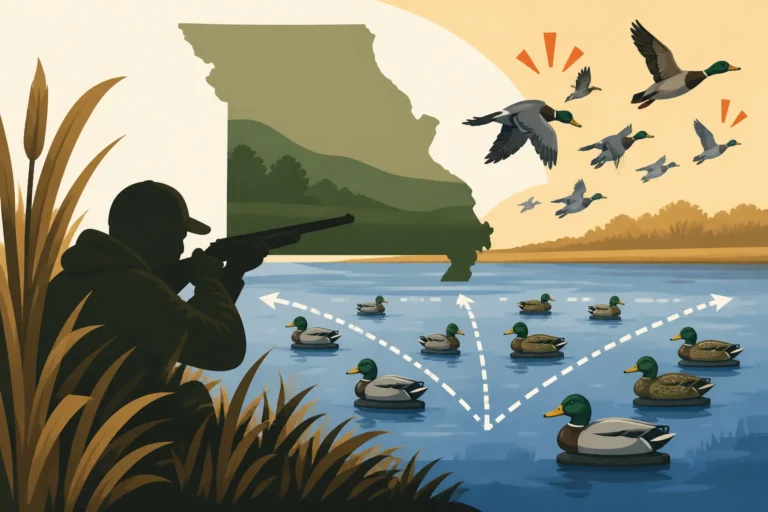
Fewer, More Realistic Decoys: Forget the huge spreads of early season. Pressured birds often shy away from anything that looks unnatural or overly crowded. Instead, focus on a smaller, more realistic spread. A half-dozen to a dozen high-quality, lifelike decoys often work better than a massive flock of cheaper ones. Mix up species if you're targeting multiple types of ducks or geese, mimicking what you're seeing in the area. Natural Placements and Motion: Rather than rigid lines, arrange your decoys in loose, natural family groups. Keep some close to your blind, and others farther out, mimicking birds loafing or feeding. Crucially, incorporate motion. A simple jerk rig can make a couple of decoys come alive, creating ripples that suggest active, feeding birds. Battery-operated motion decoys can also be effective, but be mindful of how unnatural they might look if overused. The goal is to convey a sense of calm and safety, drawing in those wary birds. Consider a small "landing zone" within your spread, making it clear where incoming birds should commit.
Calls and Concealment in Sparse Cover
Just like with decoys, late-season calling requires finesse. Over-calling can spook birds that have heard every call in the book. Likewise, concealment becomes more challenging as natural vegetation thins out.
Subtle Calling: In the late season, soft, contented quacks and clucks are often more effective than aggressive hail calls. Birds are looking for a safe place to rest and feed, not a party. Use short, pleading calls to grab their attention, then back off and let the decoys and the natural sounds do the work. If birds are working, watch their reaction. If they seem to shy away from your calls, go silent or reduce volume. Knowing when to call, and more importantly, when not to call, is a skill honed over many cold mornings. For a deeper dive into calling techniques, especially in different environments, check out Duck Calling in Timber Versus Open Water.
Maximizing Concealment: The bare trees and sparse brush of late winter make hiding a real challenge. Scout your slough for existing natural cover – a dense clump of willows, a fallen log, or a patch of cattails. Augment this with natural materials found on site, like dead grasses or reeds, to break up your outline. If you're using a ground blind, brush it in meticulously until it virtually disappears into the background. Wear camouflage that blends with the muted tones of winter, not the vibrant greens of summer. The colder the weather, the more likely birds are to be low and looking for cover, so your hide needs to be impeccable. Remember, a wary duck or deer will spot the slightest anomaly against the stark winter backdrop.
Tactical Approaches for Hunting Missouri Sloughs
Once you've got your gear dialed in, it's time to think about the actual execution of your hunt. Late-season sloughs require meticulous planning and a willingness to adapt on the fly.
Approaching and Accessing Frozen or Icy Sloughs
The approach to a late-season slough is often as critical as the setup itself. Noise, visible movement, and even vibrations can carry far in the cold, still air and across frozen surfaces.
Quiet Entry is Non-Negotiable: Whether you're targeting deer or ducks, a stealthy entry is paramount. Park well away from your intended hunting spot and walk in, avoiding crunchy ice or noisy brush. If you're on public land, this might mean a longer walk than usual, but it's worth it to reach less-pressured areas. Finding Ground Others Walk Past is a key strategy here. For waterfowl, especially, keep chatter to a minimum and avoid shining bright lights as you set up in the pre-dawn darkness.
Dealing with Ice: If the slough is partially frozen, you'll need a strategy for getting to open water or setting decoys. An ice breaker (a pole with a heavy metal tip) can be essential for busting thin ice to create open pockets for decoys or a shooting hole. Always test the ice carefully, especially if you're venturing out onto it. Safety is paramount; never take unnecessary risks. If the ice is too thick to break or walk on safely, you might be limited to hunting the very edges of the open water, which can still be productive if birds are funneling into a small unfrozen area.
Setting Up for Success in Challenging Conditions
Once you're in the vicinity of your chosen slough, the precise placement of your blind, decoys, and even yourself, can make or break the hunt.
Wind Direction and Sun Position: Always consider the wind. Waterfowl almost always land into the wind, so your setup should position your decoys and shooting lane to take advantage of this. For deer, wind dictates your scent dispersal; always keep it in your face or quartering. The low winter sun can also be a factor. Try to position your blind so that the sun is at your back or to your side, preventing glare from blinding you and making it harder for game to pick you out.
Optimizing Shooting Lanes: In thick slough cover, clear shooting lanes are crucial. While you want good concealment, you also need to be able to make a clean, ethical shot. Trim just enough vegetation to create a clear view of your landing zone or deer travel path, but don't overdo it and compromise your hide. For deer, focusing on a specific pinch point where they funnel through the slough's edge can dramatically increase your odds, especially if you've used tools like GoHunt to analyze aerial maps and identify these bottlenecks beforehand.
Adjusting to Mid-Hunt Changes
The late-season environment is constantly in flux. A successful hunter isn't just prepared for the initial setup but is ready to adapt when conditions change.
Shifting Bird Patterns: Ducks and geese might fly differently as the day progresses, or new flocks might come in from unexpected directions. Be vigilant. If birds aren't working your spread, consider moving a few decoys, trying different calls, or even relocating your entire setup if it's feasible and safe. Sometimes, just moving 50 yards can make all the difference. Likewise, a deer trail that was hot early morning might go cold, only for another to become active. Flexibility is key.
Weather Swings: Missouri weather is notorious for its rapid changes. A calm morning can quickly turn into a blustery, snowy afternoon. Be prepared for rain, snow, or sudden temperature drops. This means having extra layers, a dry bag for electronics, and being aware of how changing weather might affect game movement. A sudden snow shower might push deer into dense slough cover, while a bitter cold front could force ducks to fly lower and seek the most sheltered pockets of water. For those cold, extended sits, understanding Cold Weather Sitting Strategy can make all the difference in your comfort and success.
Overcoming Common Late-Season Slough Challenges
Hunting late in the season, particularly in sloughs, isn't for the faint of heart. It presents a unique set of obstacles that can test even the most experienced hunter. Being aware of these challenges and having strategies to overcome them will significantly boost your chances of success.
Dealing with Hunting Pressure
As the season wears on, and especially after the busy firearms portions, game animals become increasingly educated and wary. Public land sloughs, in particular, can see a lot of pressure, pushing animals into more secluded, harder-to-reach areas.
One of the best ways to combat pressure is through diligent scouting. Before you ever step foot in the marsh, spend some time with a mapping application like GoHunt, looking for those hidden pockets of water tucked away from easy access points. Look for sloughs that are a long walk in, or those surrounded by thick, difficult cover that most hunters avoid. These are often the spots where pressured birds or deer will seek refuge. For a general understanding of where to start, Public Hunting Land in Missouri offers broad insights, but then it's up to you to drill down to specific, untouched spots.
Consider hunting during the week rather than on weekends, if your schedule allows, to avoid crowds. Also, focusing on the very early morning or late afternoon can often yield results, as many hunters pack up mid-day. Sometimes, simply staying put longer than others is all it takes for wary animals to return. GoHunt's layers can help you pinpoint accessible points and potential bottlenecks for deer or waterfowl movement near these key water sources, revealing where others might not be looking.
The Importance of Retriever Care in Cold Water
For those bringing a four-legged companion along for waterfowl hunts, the late season brings serious concerns for their safety and well-being. Retrieving birds from icy cold slough water can quickly lead to hypothermia in dogs.
Protection is Key: Invest in a good quality neoprene dog vest. This provides crucial insulation and can make a significant difference in preventing your dog from getting too cold too quickly. Ensure it fits properly and doesn't restrict movement.
Immediate Warming: After each retrieve, get your dog out of the water, dry them off as much as possible with a towel, and if possible, keep them in a kennel with a warm blanket or in a heated blind bag to help them recover. Many hunters will bring a Thermacell heated mat for their dog's blind or kennel. Watch for signs of hypothermia: shivering, lethargy, or stumbling. If you suspect your dog is too cold, warm them up immediately and, if necessary, cut the hunt short. Their health is far more important than another bird. Making sure your dog is healthy and ready for Dog Training on Conservation Areas through the year will also help prepare them for these tough conditions.
The late season, especially around Missouri's sloughs, can be incredibly rewarding. It demands patience, resilience, and a deep understanding of animal behavior in challenging conditions. But for those willing to brave the elements, the rewards are often unforgettable.
| Late-Season Slough Hunting Gear Essentials | Purpose | Notes |
|---|---|---|
| Layered Clothing (Base, Mid, Outer) | Wicks moisture, insulates, waterproof/windproof | Merino wool/synthetics, fleece/down, quality waterproof shell. |
| Insulated, Waterproof Boots | Keeps feet warm and dry | Critical for wading or standing in cold/wet conditions. |
| Warm Hat & Waterproof Gloves/Mittens | Prevents heat loss from extremities | Fingers and ears are highly susceptible to cold. |
| High-Quality Decoys | Attracts wary birds with realism | Fewer, more lifelike decoys often work better than many cheap ones. |
| Motion Decoys (Jerk Rig) | Adds lifelike movement to the spread | Simple, effective for drawing attention and conveying safety. |
| Game Calls | Attracts/convinces birds to commit | Often more subtle, contented calls are best late season. |
| Camouflage Blind/Natural Concealment | Hides hunter from wary game | Must blend with sparse winter foliage. Brush in thoroughly. |
| Ice Breaker (Pole) | Creates open water pockets | Essential for partially frozen sloughs; aids in safety. |
| Thermos with Hot Beverages | Provides internal warmth and morale | A morale booster and essential for long, cold sits. |
| Dog Vest (for Retrievers) | Insulates dog from cold water | Prevents hypothermia; keep dog warm between retrieves. |
| Mapping App (e.g., GoHunt) | Scouting, navigation, property boundaries | Identifies hidden sloughs, access points, and potential pressure zones. |
Disclaimer
Hunting is an inherently dangerous activity. Always prioritize safety, understand and follow all Missouri Department of Conservation regulations, and obtain appropriate permits. Weather conditions can change rapidly and present serious risks. It is the responsibility of each hunter to assess conditions and their personal capabilities before venturing into the field. This guide provides general information and should not be taken as professional instruction or a substitute for proper training and experience.