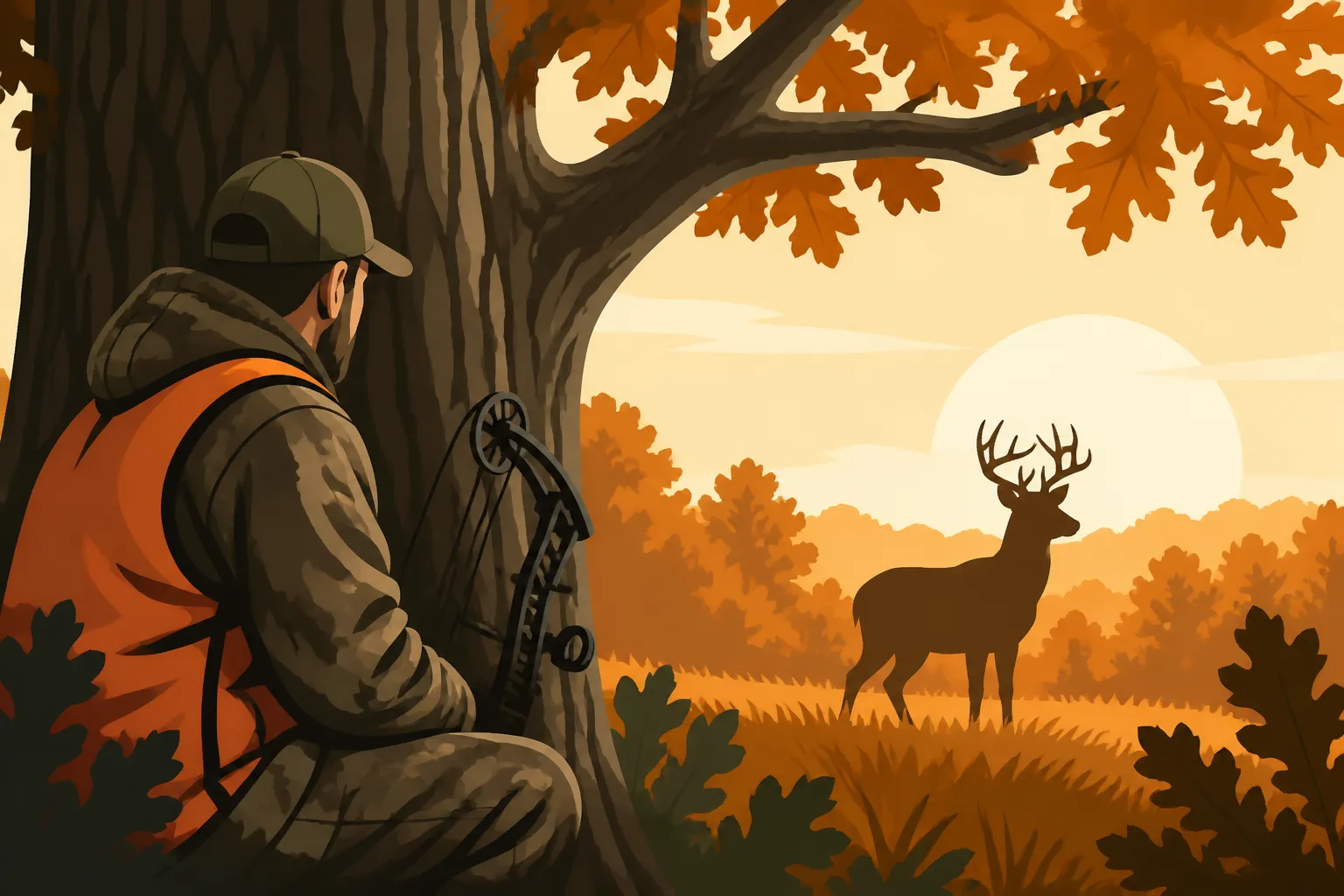
Setting Up Against a White Oak
We've all been there, walking through the Missouri woods with high hopes, only to feel utterly lost when it comes to picking the right spot for a deer stand. The sign might be scattered, the rubs seem random, and you're left scratching your head, wondering where the deer truly spend their time. But for many experienced hunters, especially during the crucial early archery and pre-rut phases, a mature white oak tree stands as a beacon of hope and a proven whitetail magnet. This guide is all about helping you demystify how to locate, read, and strategically set up on those game-changing white oak stands that can transform a frustrating hunt into a memorable harvest right here in the Show-Me State.
Why White Oaks are Whitetail Magnets in Missouri
Missouri's diverse landscape, from the Ozark Highlands to the northern farm country, is home to an abundance of white oaks, and deer absolutely adore them. It's not just a hunch; there are scientific reasons why these particular trees are so appealing to whitetails, making them a prime focus for any hunter looking to consistently find success. Understanding this "why" is the first step to truly effective hunting around them.
The Nutritional Advantage of White Oak Acorns
When you talk about deer food, acorns are king, and white oak acorns are at the top of the hierarchy. The primary reason for their immense popularity stems from their nutritional profile. Unlike their red oak cousins, white oak acorns contain significantly lower levels of tannins. Tannins are bitter compounds that, while providing some defense for the tree, make acorns less palatable and harder for deer to digest. Imagine trying to eat something that tastes like a mouthful of bitter medicine – deer feel the same way about high-tannin acorns.
Because white oak acorns are less bitter and more easily digestible, deer will almost always hit a white oak stand before they start heavily feeding on red oaks. This isn't to say red oak acorns are ignored, but given a choice, a deer will opt for the sweeter, more readily processed white oak mast every single time. This preference creates a consistent pattern of deer movement that savvy hunters can exploit. They provide a quick, accessible source of carbohydrates and fats, essential for building up reserves, especially as the colder months approach and during the rigors of the rut.
Timing of Acorn Drop and Deer Preference
Another critical factor that elevates white oaks to prime deer habitat is the timing of their acorn drop. Generally speaking, white oaks tend to drop their acorns earlier in the fall than most red oak species. This timing aligns perfectly with the opening of Missouri's archery season, often making white oaks the premier food source available to deer in those critical late September and early October weeks.
Think about it: as summer browse starts to lose its nutritional value and palatability, deer are actively seeking out new, high-energy food sources. When those first white oak acorns begin to hit the forest floor, it's like ringing the dinner bell. Deer will travel considerable distances to get to a reliable white oak producer. This early drop can create intense feeding activity that lasts for several weeks, or even longer if the mast crop is particularly heavy. Knowing this can help you prioritize your scouting efforts. If you're out Scouting Missouri Public Land Before Season, you should be looking for those loaded white oak branches, anticipating where the first deer activity will be.
Reading a White Oak for Deer Sign
You can't just walk up to any white oak and expect it to be a honey hole. While the species itself is a deer favorite, not all white oaks are created equal, and deer behavior around them can vary based on a myriad of factors. Learning to "read" a white oak and the surrounding area for critical deer sign is paramount to finding success. It’s a skill that takes practice, but it's incredibly rewarding.
Identifying Productive White Oak Stands
When you're walking through a timber block, scanning for white oaks, you're looking for specific characteristics that indicate a tree is, or has been, a consistent producer. First, focus on mature trees. Older, healthier white oaks with large, expansive crowns are generally the best mast producers. They have more surface area for developing acorns. Inspect the crown carefully; sometimes you can spot developing acorns even before they start dropping, giving you a sneak peek at the season's potential.
The variability of mast production is also key. Not every white oak will produce a heavy crop every year. Factors like late spring frosts, drought, or excessive rain during pollination can all impact the acorn yield. So, while you're looking for white oaks, also be on the lookout for signs of past production. Are there old caps on the ground? Evidence of squirrel or turkey activity that would also be drawn to acorns? A white oak that consistently produces, even if it's not a bumper crop, will still draw deer more reliably than one that rarely drops. When you're trying to figure out Where Missouri's Biggest Bucks Come From, often it's areas with consistent, diverse mast crops that hold them.
Ground Sign: Cuttings, Droppings, and Tracks
Once you've identified a promising white oak, the real detective work begins on the forest floor directly beneath it. This is where deer leave undeniable evidence of their feasting.
-
Cuttings: The most obvious sign of deer feeding on acorns are the "cuttings." Deer don't just swallow acorns whole; they'll chew them, often leaving tell-tale half-eaten shells or fragments behind. If you find a carpet of these fragmented acorn shells, especially with fresh-looking edges, you know deer have been consistently using that tree. The fresher the cuttings, the more recently the deer have been there. Compare this to squirrel cuttings, which are typically much smaller and more precise, often leaving distinct "lids" or perfectly gnawed-out nuts.
-
Droppings: Deer droppings around a white oak are another clear indicator of recent activity. Deer will often linger under a productive tree for extended periods, consuming dozens, if not hundreds, of acorns. This extended feeding means they'll likely defecate multiple times. Fresh, moist droppings are a goldmine of information, telling you not only that deer are present but also how recently they were there. Look for the size and shape to gauge if it's a fawn, doe, or buck.
-
Tracks: While tracks might be harder to discern in leaf litter, if the ground is soft or damp, you can often find fresh deer tracks leading to and from the white oak. Pay attention to the direction of travel. Do the tracks suggest deer are coming from a bedding area, perhaps a thicket or a secluded ridge, and heading to the white oak for a morning or evening meal? Or are they simply passing through? Identifying these patterns is crucial for planning your approach and Entry Routes on Rolling Farm Ground or even in denser timber.
Trunk and Branch Sign: Rubs and Scrapes
While droppings and cuttings tell you where deer are eating, rubs and scrapes tell you where they're going and how they're communicating. It's often said that rubs and scrapes are communication hubs, and when found near a white oak, they can paint a complete picture of deer movement.
-
Rubs: If you find fresh rubs on smaller trees leading to or from a white oak stand, it indicates a buck is using that area. Bucks often rub trees to mark their territory, remove velvet, and work out aggression. A "rub line" leading to a white oak is a high-confidence sign that a buck is frequently visiting that food source. The size of the rub can give you a clue about the size of the buck.
-
Scrapes: Scrapes, especially large, active primary scrapes, are another strong indicator. Bucks create scrapes by pawing at the ground, urinating on a "licking branch" above it, and depositing scent. These are essentially calling cards. Finding an active scrape line near a white oak, particularly during the Hunting the Pre-Rut in Late October, means bucks are not only feeding there but also actively seeking does, making the area a prime ambush location.
By piecing together these ground, trunk, and branch signs, you can go beyond just knowing a white oak has acorns and understand the precise travel patterns and intentions of the deer using it.
Strategic Setup Considerations Near White Oaks
Finding a hot white oak is only half the battle. The other, equally critical half is setting up in a way that allows you to capitalize on the deer's presence without spooking them. This requires careful consideration of several factors, from scent to line of sight. It's about blending in seamlessly with the environment and being invisible to those hyper-alert whitetails.
Wind Direction and Scent Control
I cannot emphasize this enough: wind direction is absolutely paramount. Deer possess an incredible sense of smell, and a single gust carrying your scent into their feeding or travel area can ruin your hunt before it even begins. When setting up on a white oak, you must position yourself downwind of where you expect the deer to approach and feed.
Before you even leave your truck, check the wind. Use a reliable weather app or a simple wind checker powder. As you walk in, continuously monitor the wind to ensure it hasn't shifted unexpectedly. If the wind isn't right for your chosen white oak stand, do not hunt it. It's far better to wait for another day or relocate to an alternative spot that suits the current wind. Hunting with a swirling or unfavorable wind is a recipe for frustration. For those often-tricky conditions in the Missouri Ozarks, understanding Wind and Thermals in Ozark Hills becomes even more critical around a food source like a white oak. You need to identify thermal current changes as the day warms or cools.
Beyond stand placement, rigorous scent control is crucial. Shower with scent-eliminating soap, wear clean hunting clothes, and use scent-blocking sprays. Store your hunting clothes in a scent-free bag or container. Every little bit helps.
Entry and Exit Routes
Getting to and from your white oak setup undetected is just as important as the setup itself. Deer are wary creatures, and if they see or hear you coming or going, they'll quickly adjust their patterns, rendering your prime spot useless.
Plan your entry and exit routes meticulously. Choose paths that offer maximum cover, like creek bottoms, ravines, or dense thickets. Avoid walking through known bedding areas or high-traffic feeding zones. Use topography to your advantage. For example, if you're Setting Up on a Bench Above a Creek, use the creek bed as a masked approach. Ideally, your route should allow you to approach the white oak from a direction that keeps the wind in your face or crosswind, pushing your scent away from the primary deer activity area.
Similarly, your exit strategy should minimize disturbance. If you shoot a deer in the evening, sometimes it's better to wait until morning to retrieve it, especially if retrieving it immediately would mean tromping through the woods and potentially spooking other deer from the area. The less aware deer are of your presence, the more likely they are to continue using that white oak.
Choosing Your Vantage Point
Whether you opt for a treestand or a ground blind near a white oak largely depends on the specific tree, the surrounding cover, and your hunting style.
-
Treestands: A treestand is often the preferred choice in timbered areas around white oaks. It gets your scent up and away from deer, offers a wider field of view, and provides better shot angles. When selecting a tree for your stand, look for one that offers sufficient cover to break up your silhouette. A double-trunked tree or one with plenty of branches can provide natural camouflage. You also want a tree that allows you to get high enough (20-25 feet is often ideal) to be out of a deer's direct line of sight but still offers clear shooting lanes to the anticipated feeding zones. This is where Treestand Setups in Hardwood Timber really shine. Consider climbing sticks for easy and quiet ascent.
-
Ground Blinds: While treestands are great, a ground blind can be an excellent option if the white oak is on a field edge, near a thicket, or if suitable trees for a stand are scarce. When using a ground blind, brush it in thoroughly with natural vegetation to make it disappear into the landscape. This is critical, as deer will readily spot an unnatural silhouette. Position the blind so that you have clear shooting lanes, and always ensure your back is to the rising or setting sun to avoid being silhouetted. If you're hunting white oaks that are part of a timbered draw leading to a crop field, a ground blind could work, much like how you would set up Ground Blinds on Crop Field Edges.
Consider the sun's position throughout the day. You don't want to be staring directly into the sun at prime hunting hours, nor do you want the sun illuminating your position. Always visualize the angles, potential shot opportunities, and your ability to remain concealed from a deer's acute senses.
Timing Your Hunt Around White Oak Activity
Understanding when white oaks are most productive and how that coincides with different phases of the deer season is key to maximizing your efforts. Hunting a white oak at the wrong time can be just as frustrating as a poor setup.
Early Archery Season Focus
As we discussed, white oak acorns are often the first major food source to drop in the early fall. This makes them absolute hotspots during the opening weeks of Bowhunting Missouri's Four-Month Archery Season. Deer are eager to switch from summer browse to the nutrient-rich, easy-to-digest acorns.
During this period, focus your scouting on finding the white oaks that are dropping heavily. Look for fresh cuttings, droppings, and tracks. Morning hunts can be particularly productive as deer move from bedding areas to feed. Evening hunts are also excellent, catching deer as they come out for their primary feeding cycle. The weather can also play a role; a sudden cold front can increase deer activity around these valuable food sources. If you're trying to figure out When Missouri's Archery Season Opens, remember that white oaks will likely be a primary draw.
Rut Transition and Beyond
While acorns are most critical in the early season, white oaks remain highly relevant even as the rut approaches and deer behavior shifts. Bucks, while focused on does, still need to eat. They will often check known food sources, including white oak stands, between chasing does. Does, on the other hand, are constantly feeding to maintain energy for future fawns and to recover from breeding.
During the pre-rut and peak rut, you might see less concentrated feeding on white oaks compared to the early season, but they still act as natural travel corridors and congregation points. Bucks will cruise through white oak stands, sniffing for does and leaving their own sign. Setting up on a white oak during this time can catch a cruising buck, even if he's not actively stuffing his face with acorns. Combine this with strategies for Rattling and Grunting in the Rut nearby, and you might just pull a curious buck in.
Late Season Scavenging
Even after most of the white oak acorns have dropped and been consumed, they can still hold some appeal during the late season. If there was an exceptionally heavy mast crop, or if severe weather kept deer from reaching certain areas earlier, you might find pockets of leftover acorns under white oaks.
In the frigid late season, any available food source becomes extremely attractive. Deer are desperate for calories to survive the winter. While other food sources like Late-Season Food Sources for Whitetails such as standing corn or brassicas might become primary, don't completely discount white oaks. A diligent scout might still find a few remaining acorns, and those few could be enough to draw in hungry deer, particularly during a hard freeze or after a fresh snow, making them worth a check.
Ultimately, white oaks are a constant in the ever-changing landscape of deer hunting. They provide reliable food, create predictable movement patterns, and offer some of the most exciting hunting opportunities throughout Missouri's deer seasons. By understanding why deer love them, how to read their sign, and where to set up strategically, you'll greatly increase your chances of success. And remember, resources like the mapping and planning capabilities found on platforms, and general hunting resources like GoHunt, can further aid in identifying timber types and planning your approach, helping you put all these pieces together for a successful hunt.
| Acorn Type | Tannin Content | Palatability to Deer | Typical Drop Time | Deer Preference |
|---|---|---|---|---|
| White Oak | Low | High | Early Fall (Sep-Oct) | High (Often First Choice) |
| Red Oak | High | Moderate | Late Fall (Oct-Nov) | Secondary (After White Oaks) |
Disclaimer
Hunting involves inherent risks, including but not limited to those associated with firearms, archery equipment, tree stands, and navigating outdoor terrain. Always prioritize safety, follow all local and state regulations, and ensure you have the appropriate licenses and permits. The information provided in this guide is for educational and informational purposes only and should not be considered a substitute for professional instruction or personal judgment. Be aware of your surroundings, hunt ethically, and respect wildlife and the environment.