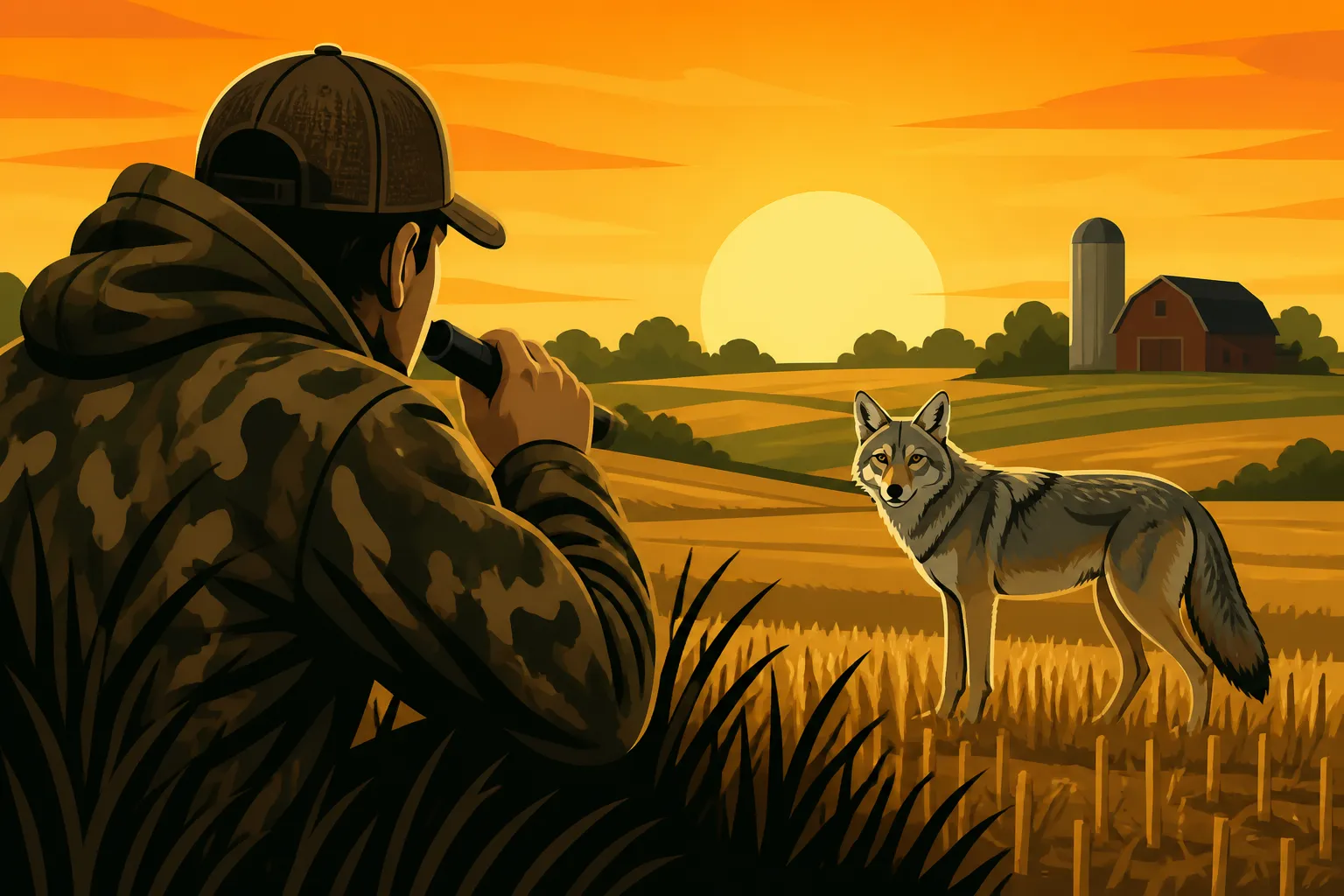
Coyote Calling in Missouri Farm Country
Hunting coyotes in Missouri's vast farm country can feel like an entirely different ballgame than calling them in the timbered hills. You're often dealing with wide-open spaces, educated animals, and the constant concern of being detected long before a shot opportunity arises. This guide is all about equipping you with the specialized tactics and mindset you need to consistently bring in coyotes, whether you're looking to protect livestock, reduce deer fawn predation, or simply enjoy the thrill of the chase in the agricultural heartland of Missouri.
Understanding Missouri's Farm Country Coyotes
Missouri's agricultural landscapes, particularly in the northern and central regions, present a unique set of challenges and opportunities for coyote hunters. These aren't the same dense woods that hide movements; here, every little detail, from a rustle in the grass to a shadow against the skyline, can make or break your hunt.
The Local Challenges of Calling Coyotes
The biggest frustration many hunters face when trying to call coyotes in farm country is the sheer lack of cover. Where do you hide when you're surrounded by endless corn stubble or a freshly tilled field? This open visibility, while initially daunting, also means coyotes can spot you from a long distance, making your approach and setup absolutely critical. Furthermore, wind patterns in flat, open fields can be less predictable than in broken terrain, swirling and carrying your scent in unexpected directions. You're also often hunting closer to human habitation, meaning coyotes are likely more wary of vehicles, fences, and general human presence. Unlike the deep woods, where a coyote might be less exposed, these farm country residents are constantly navigating a world shared with farmers, livestock, and busy roadways. They learn quickly, and they learn thoroughly, making them incredibly difficult to fool twice with the same trick.
Coyote Behavior in Agricultural Landscapes
Coyotes in Missouri's farm country are true opportunists, expertly adapting their lives to the rhythm of the agricultural year. Their primary food sources often revolve around the crop cycles and the small game that thrives within them. During the spring, they're heavily preying on deer fawns and turkey poults, making distress calls for these animals incredibly effective. As summer progresses, they'll target rodents, rabbits, and insects that find refuge in standing corn and bean fields. When the harvest comes, their world changes dramatically. Suddenly, the protective cover of Hunting Standing Corn Before Harvest is gone, and the rodent populations that feasted on dropped grains are exposed. This creates a feast for coyotes, but also makes them highly visible. They'll frequent field edges, brushy draws, and the cover offered by fencerows between fields. Understanding these seasonal shifts in their diet and habitat use is paramount. For example, a coyote that was focused on mice in a cut bean field might shift its attention entirely to pheasants or rabbits hunkered down in a grassy waterway once winter sets in. They are always moving, always looking for the easiest meal, and their patterns are deeply intertwined with what's happening on the land.
Essential Calling Strategies for Open Fields
Calling coyotes in the open expanse of Missouri's farm country demands a precise blend of call selection, impeccable concealment, and strategic timing. It’s not just about making noise; it’s about telling a convincing story that draws a wary predator into your comfort zone.
Mastering Your Call Selection
When you're out there on the vast plains of northern Missouri, your call is your voice, and you need to speak the right language. Generally, you'll be choosing between distress calls and vocalizations. Distress calls, like a rabbit in agony or a fawn bleating for its mother, are classic choices because they tap into a coyote's primal hunting instinct. A desperate sound suggests an easy meal, and coyotes, being efficient predators, are often quick to investigate. Electronic callers (e-callers) really shine in farm country. Their ability to project realistic sounds at high volume across open distances and cycle through a variety of calls without moving your hands is a huge advantage. You can even place the e-caller a distance from your position, drawing the coyote's attention away from you. Brands like Foxpro or Primos offer incredible sound libraries that include everything from cottontail distress to pup yips. However, don't discount mouth calls. They offer unparalleled realism and the ability to instantly change the tone and intensity of a sound, which can be critical for closing the deal on a hesitant coyote. Learning to use both, and knowing when to deploy each, will make you a far more versatile hunter. Start with loud, attention-grabbing sounds, then taper down to softer, more seductive calls as the coyote approaches, mimicking a dying animal.
Optimal Stand Setup and Concealment
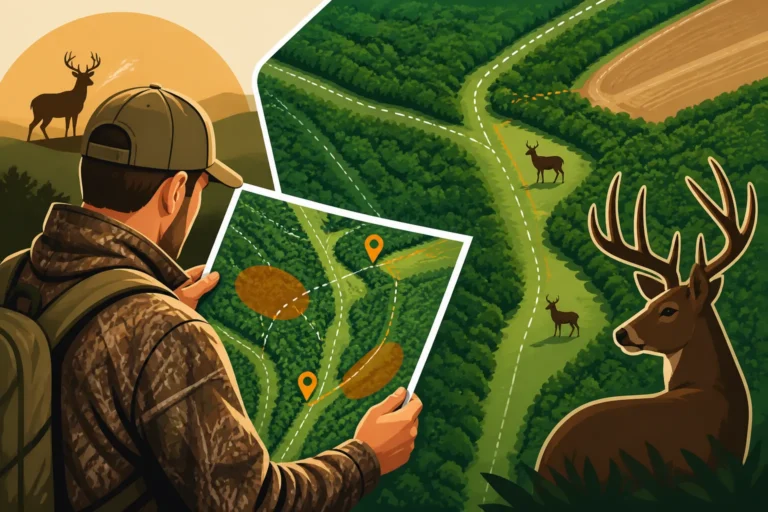
Your stand setup in farm country is perhaps the most critical element, given the lack of natural cover. You need to be thinking about maximum concealment with minimal profile. Look for natural breaks in the landscape: a long Hunting a Missouri Fencerow Between Fields, the edge of a timbered draw, a small brushy knoll, or even the corner where two large fields meet. These areas, while seemingly subtle, can offer just enough backdrop to break up your silhouette. Ground blinds are incredibly effective here; they offer full concealment and allow for small movements without spooking game. If using a natural setup, ensure you have a solid backdrop, like a thick hedgerow or a tall bank. Pay obsessive attention to the wind, as scent control is paramount. Always try to set up with the wind blowing from the direction you expect the coyote to approach and towards you, or at least across your front, ensuring your scent is carried away from their typical travel corridors. Consider the sun's position – you don't want to be staring directly into it, and neither do you want the sun at your back silhouetting you. Think about your shooting lanes too; in open country, they can be vast, but you still want clear lines of sight to where you expect the coyote to appear. Using aerial maps, perhaps with a tool like GoHunt, can help you identify these subtle terrain features and plan your Entry Routes on Rolling Farm Ground before you even step foot in the field, allowing for a stealthy approach that won't give away your position.
Timing Your Hunts for Maximum Success
Timing is everything when you're trying to outwit a Missouri coyote. While they are active around the clock, certain periods offer a higher probability of success. Dawn and dusk are prime times, as coyotes naturally become more active with the changing light. The low light offers them a sense of security and you a bit of cover. However, don't overlook night hunting if the regulations permit (always check the current Night Hunting Rules for Missouri Predators). Under the cloak of darkness, coyotes are often bolder and less wary of approaching calls. Cold, crisp, overcast days can also be fantastic, especially in winter. The coyotes are often hungrier, and the flat light can make them less apt to pick up subtle movements. Seasonally, the post-harvest period when What Changes After the Beans Come Off and corn fields are bare is excellent, as food sources become scarcer and coyotes must range farther. The denning season in late winter and early spring, when adults are particularly protective and territorial, can also yield aggressive responses to howls or pup distress calls. Also, consider the period right after deer season; with less human activity in the woods, coyotes might venture out more freely.
Overcoming Common Obstacles and Advanced Tactics
Calling coyotes consistently in Missouri's farm country often means outsmarting animals that have heard it all before. It’s about more than just technique; it’s about patience, observation, and adapting to ever-changing conditions.
Dealing with Wary and Educated Coyotes
Missouri coyotes, especially those in areas with hunting pressure, are notoriously wary. They've likely heard plenty of distress calls, perhaps even seen a few other coyotes fall for them. When you encounter these "educated" coyotes, you need to change your approach. First, extend your stand times. Instead of a quick 15-20 minute setup, plan for 45 minutes to an hour. Wary coyotes might circle downwind, taking their sweet time, and you need to be patient enough for them to commit. Second, vary your call sounds. If a rabbit distress call isn't working, switch to a bird in distress, or even a subtle pup yelp if you suspect there's a den nearby. Sometimes, a more subtle, less aggressive approach, like intermittent howls and whines, can pique their curiosity without raising red flags. Softening your volume can also help, making the sound seem less like a trap and more like a genuine situation. Remember, Coyotes and Bobcats on Farm Country are incredibly intelligent, and they notice every detail. Keep your movements to an absolute minimum, only moving to adjust your call or prepare for a shot. Even a slight head turn can be enough to send a wary coyote backtracking into the horizon.
Integrating Decoys and Scent Control
Adding a visual element can be a game-changer for farm country coyotes, especially when you're trying to pull them across open ground. A simple motion decoy, like a rabbit topper that spins or twitches, can effectively draw a coyote's attention away from your position and give them something else to focus on as they approach. This slight distraction can make all the difference, allowing you to fine-tune your shot as they close the distance. Place your decoy 30-50 yards out from your position, slightly off to the side of where you expect them to appear. This gives the coyote a target and often encourages them to come in closer and more confidently. Beyond visual aids, never underestimate the power of scent control. In open country, your scent can carry for hundreds of yards. Use scent-eliminating sprays, wash your hunting clothes in scent-free detergent, and store them in airtight containers. Crucially, always play the wind. Even with perfect scent control, a direct blast of human odor on a coyote's nose will send them running. Utilize natural topography, like slight rises or draws, to help funnel your scent away from approach corridors. Remember that thermals can also play a role, especially in the early morning and late evening, carrying your scent uphill or downhill depending on the time of day.
Legalities and Safety in Farm Country
Hunting in Missouri's farm country requires careful attention to legalities and safety, especially when dealing with landowners and proximity to homes. First and foremost, securing permission from the landowner is absolutely non-negotiable. Many farmers welcome responsible predator hunters, but always ask first and respect their property. Missouri's trespass laws are clear, and you don't want to jeopardize access for yourself or others by assuming permission. When it comes to night hunting, always double-check current regulations for light use and weapon restrictions; the Night Hunting Rules for Missouri Predators can be complex. In terms of safety, remember that bullets can travel long distances, especially from rifles commonly used for coyotes. Be acutely aware of your surroundings: houses, roads, livestock, and other people. Always have a safe backstop and know what's beyond your target. Clear communication with landowners about your intentions, hunting times, and safety protocols can build trust and ensure continued access. You might also want to inform local law enforcement if you plan on hunting at night, especially if you'll be using lights, to prevent any misunderstandings. This level of diligence ensures a safe, ethical, and productive hunt, preserving the privilege of Predator and Furbearer Hunting in Missouri in these valuable agricultural areas.
| Feature | Electronic Caller (E-Caller) | Mouth Call (Hand Call) |
|---|---|---|
| Sound Variety | Extensive libraries (100s of sounds), easily programmable. | Limited by personal skill and call design (1-3 sounds per call). |
| Volume Control | Excellent, loud projection across open fields. | Moderate, dependent on lung capacity and technique. |
| Realism | High, if quality recordings are used; consistent. | Can be exceptionally realistic with practice; highly variable. |
| Hands-Free Use | Yes, can place away from hunter. | No, requires hand use. |
| Learning Curve | Low for basic operation; higher for advanced programming/strategies. | High for realism and versatility; requires significant practice. |
| Cost | Moderate to high ($100 – $800+). | Low ($10 – $50 per call). |
| Weather Impact | Batteries can drain in cold; electronics susceptible to moisture. | Minimal impact, though reeds can freeze in extreme cold. |
| Versatility | Great for long-range attraction, multiple scenarios. | Excellent for finishing wary coyotes, subtle changes. |
Disclaimer
All hunting activities carry inherent risks. Always prioritize safety, adhere to all local and state regulations, and obtain appropriate permits and landowner permissions before heading afield. The information provided here is for educational purposes and should not replace official guidance from the Missouri Department of Conservation or professional hunting instruction.