Night Hunting Rules for Missouri Predators
If you've ever found yourself scrolling through the Missouri Department of Conservation (MDC) regulations, trying to figure out if you can actually chase that elusive coyote or a wily bobcat after the sun goes down, you're not alone. The rules around night hunting predators in Missouri can feel like a tangled mess of dates, definitions, and weapon restrictions. It's frustrating when you just want to get out there and manage some nuisance animals or enjoy a different kind of hunting experience. This comprehensive guide is here to untangle those complexities, walking you through everything you need to know to hunt Missouri's predators and furbearers legally and responsibly under the cover of darkness.
Navigating Missouri's Night Hunting Landscape
Hunting after dark offers a completely different challenge and thrill, but it comes with a strict set of regulations designed to protect both wildlife and public safety. Understanding the fundamental framework of Missouri's hunting hours and species classifications is your first step toward a successful and legal night hunt.
Distinguishing Day from Night for Hunters
For most game species in Missouri, hunting is strictly regulated to "daylight hours," which generally means from 30 minutes before sunrise to 30 minutes after sunset. This is the golden rule ingrained in every hunter's mind. However, the world of furbearers and predators often operates by a different clock. The MDC makes a clear distinction: while deer, turkey, and other traditional game cannot be hunted with artificial light or during true nighttime hours, certain furbearers are specifically designated for such pursuits. The key here is knowing which species fall into that special category and when you can pursue them after dark. It's not a blanket permission; it's specific and seasonal for many species.
Who Counts as a Furbearer or Predator in Missouri?
Before you head out, it's vital to know precisely what the MDC considers a furbearer or predator. In Missouri, "furbearers" include a list of animals often targeted for their pelts, but many of them also function as predators in the ecosystem. This list typically covers animals like coyotes, bobcats, raccoons, opossums, skunks, red fox, gray fox, badger, mink, muskrat, river otter, and beaver. For regulatory purposes, when we talk about "night hunting" these animals, we're usually referring to this furbearer category.
Coyotes hold a unique place, often considered a predator and an "unprotected species" in some contexts, allowing for broader hunting opportunities. Other true predators, like mountain lions or black bears, are either protected or have highly specific, limited seasons and are absolutely not legal for general night hunting. This distinction is crucial because the rules governing legal hours, methods, and permits often hinge on whether the animal is classified as a general game animal, a furbearer, or an unprotected species like the coyote. Knowing your quarry is the first step to knowing the rules.
Essential Permits for Night-Time Pursuits
Just like any other hunting activity in Missouri, you'll need the proper permits in hand. For most furbearers and predators that can be hunted at night, a valid Small Game Hunting Permit is typically required. This permit covers residents and non-residents alike, though the cost can vary. If you're a non-resident, understanding the Missouri Nonresident Small Game Permit Cost is important before planning your trip.
It's also worth noting that if you're engaging in trapping in addition to hunting, a separate Furbearer Trapping Permit is necessary. Always double-check the current regulations, especially if you hold a combination permit or are hunting during overlap periods with other seasons, like deer season. An unfilled deer permit can sometimes impact what methods you can use for furbearers during daylight hours of the firearms portions, so it’s critical to be aware of those nuances, even if they don't directly apply to your night hunting efforts outside of legal deer shooting hours.
Species-Specific Night Hunting Rules
Not all predators are created equal in the eyes of Missouri's night hunting regulations. Some offer year-round opportunities, while others are confined to very specific, often shorter, seasons. Getting these details right is paramount to staying legal.
Year-Round Night Opportunities for Coyotes
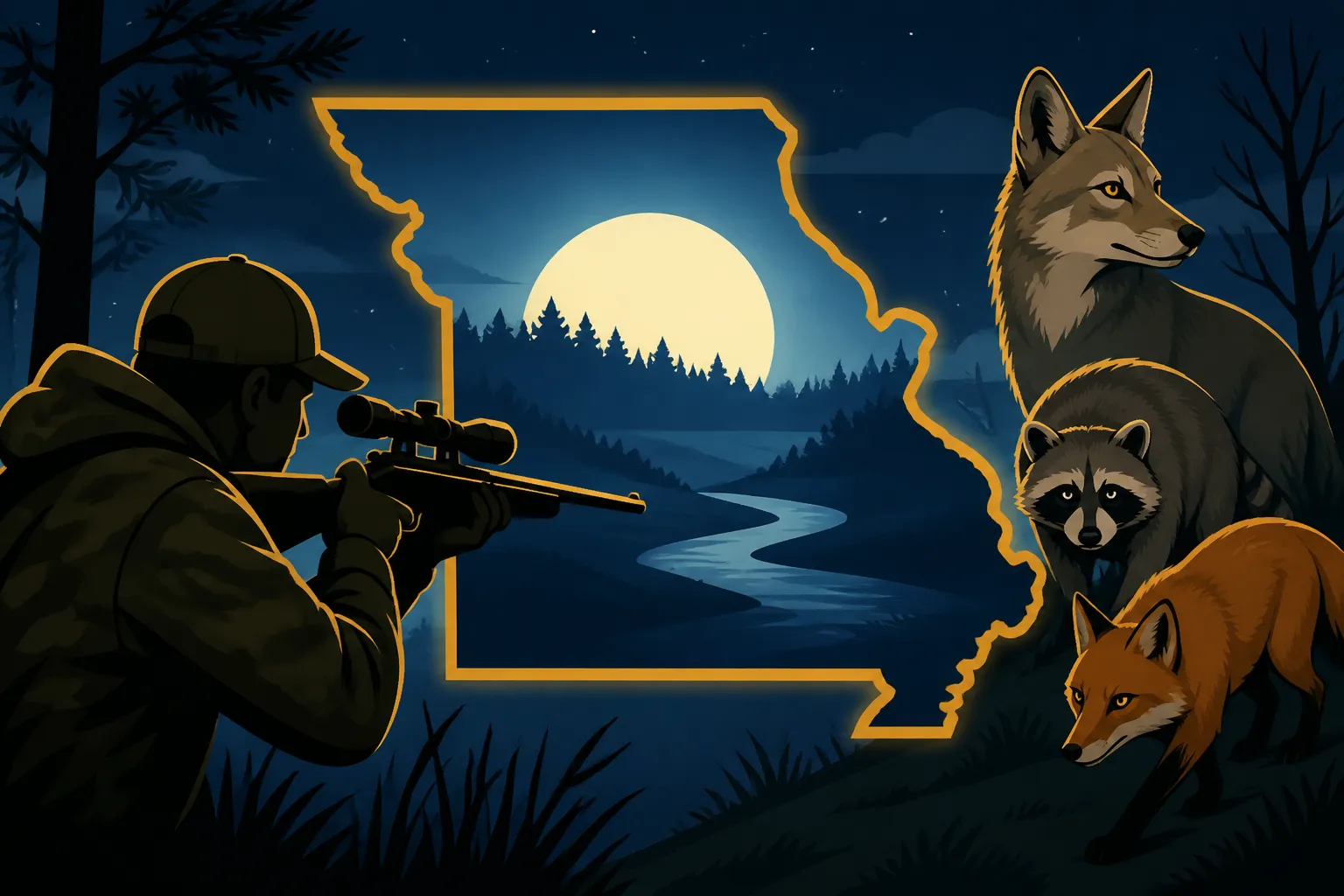
Coyotes are the undisputed champions of night hunting flexibility in Missouri. Unlike most other furbearers, you can pursue coyotes year-round, day or night. This broad allowance reflects their status as a prolific predator and a management concern for many landowners. You can use a variety of weapons – handguns, rifles, shotguns, archery equipment, or even atlatls – and artificial light is explicitly permitted for hunting coyotes.
This freedom makes them a popular target for hunters looking to extend their time in the field or help local farmers protect livestock. However, a significant caveat exists: during the November Portion and the Antlerless Portion of the firearms deer season, there are specific restrictions on daylight hunting methods for furbearers (including coyotes) in counties open to deer hunting. While these don't apply to night hunting outside of deer shooting hours, it's a detail worth being acutely aware of if you transition from day to night hunting during those periods. Understanding how to call them in effectively can be a game-changer, whether you're learning about Coyote Calling in Missouri Farm Country or honing your skills for nocturnal setups.
The Traditional Night Seasons for Raccoons and Opossums
When most folks think of night hunting in Missouri, they often picture the classic pursuit of raccoons and opossums with hounds and headlamps. This traditional method is deeply rooted in the state's hunting heritage. The hunting season for raccoons, opossums, and skunks typically runs from November 15 through January 31. During this period, you are explicitly allowed to use artificial light to hunt these species at night.
The emphasis here is on the use of dogs, which are instrumental in treeing these nocturnal animals. While you can hunt them without dogs, the traditional experience is centered around the chase and the baying of the hounds. Missouri sets a possession limit for raccoons (currently 15 per season), so it's not an unlimited take like coyotes. Always ensure you're aware of the specific season dates and bag limits before heading out, as these can be subject to change by the MDC. If you're interested in diving into this unique pursuit, there's a lot to learn about Hunting Missouri Raccoons at Night.
Limited Night Hunting for Bobcats and Foxes
Bobcats and foxes also fall under the furbearer classification, but their night hunting opportunities are more restrictive than coyotes or raccoons. The hunting season for bobcats, red fox, gray fox, and badgers also runs from November 15 through January 31, aligning with the raccoon season. During this window, you can use artificial light to hunt these species at night.
However, bobcats come with an additional requirement: if you harvest a bobcat, you are required to have the pelt tagged by the MDC within seven days of the harvest, or by February 10, whichever comes first. This is a crucial step for management and record-keeping. The limit for bobcats is typically two per hunter per season. For foxes, there is usually no statewide limit. While running hounds is a popular method for bobcats, similar to raccoons, it often requires specialized dogs and tracking skills. Exploring the ins and outs of Running Hounds for Bobcats can give you a better idea of what's involved in this challenging and rewarding pursuit.
The nuanced nature of these seasons and limits emphasizes why it's so important to be dialed into the specific regulations for each species you intend to pursue after dark.
Authorized Gear and Restricted Methods
Night hunting isn't just about darkness; it's about the tools you use to navigate and hunt effectively in that environment. Missouri has clear rules about what equipment is allowed and what methods are strictly off-limits when the sun goes down.
Understanding Artificial Light Use After Dark
This is where many hunters get confused, and rightfully so. The general rule in Missouri is that artificial light cannot be used to search for, shoot, or kill any wildlife, with very specific exceptions. Those exceptions are frogs, turtles, and furbearers (like raccoons, opossums, skunks, coyotes, bobcats, foxes, etc.) when they are legally allowed to be hunted at night.
Crucially, you cannot cast artificial light on any highway, or in any field, woodland, or forest, or other areas from a motor vehicle or watercraft when in motion or on a public roadway. This means you can't cruise down a road shining a spotlight into fields looking for eyes. You must be stationary, and off the public right-of-way. Once you've positioned yourself in a legal hunting location, off the road and with landowner permission, you can use lights (such as headlamps or handheld spotlights) to illuminate your target or aid in movement, but only for those species specifically permitted for night hunting during their open seasons. Using a light to hunt deer or turkeys at night, for example, is absolutely illegal and carries severe penalties.
The Role of Thermal and Night Vision Technology
Modern technology has revolutionized night hunting, and Missouri's regulations have largely kept pace. Thermal and night vision devices are legal for hunting furbearers and coyotes during their respective night seasons. This means you can use these advanced optics to detect, identify, and target these animals after dark.
These tools offer a significant advantage over traditional spotlights, allowing hunters to remain more concealed and detect animals from greater distances. However, with this advantage comes an even greater ethical responsibility. Thermal and night vision make it easier to see in the dark, but they don't eliminate the need for positive target identification and a clear understanding of your surroundings. Just because you see a heat signature doesn't mean it's a coyote; it could be a protected species, a domestic animal, or even a human. Always exercise extreme caution. Resources like GoHunt can often provide detailed information and reviews on various thermal and night vision setups, helping hunters choose reliable gear that meets legal and ethical standards for Missouri's unique hunting environment.
Calls, Baiting, and Other Prohibited Practices
When it comes to calls, electronic and mouth calls are generally permitted for hunting predators and furbearers in Missouri, day or night. This includes various distress calls, coyote howlers, or even raccoon squallers. These can be incredibly effective tools for bringing animals into range.
Baiting, however, is a much trickier subject with more restrictions. While there are some exceptions for furbearers, Missouri's general rules regarding Missouri Baiting and Feeding Rules are stringent, especially concerning big game. For furbearers, certain forms of baiting (like using scents or carcasses) might be permissible during specific seasons or in specific contexts, but it's crucial to check the most current MDC regulations on this. You absolutely cannot use bait for deer or turkey, and any bait put out for furbearers must not attract or result in the taking of big game. Using traps and snares for furbearers is also legal, but only during the trapping season (which usually mirrors the hunting season) and requires a separate trapping permit. Always ensure your methods are aligned with both hunting and trapping regulations to avoid violations.
Ethical Considerations and Safety First
Beyond the written laws, responsible night hunting demands a heightened sense of safety and ethical awareness. The cover of darkness amplifies risks and responsibilities, making mindful practice even more critical.
Ensuring Positive Identification and Safe Backstops
When you're operating in low light, the most critical safety rule is positive target identification. Even with the best thermal or night vision, confirming what you're aiming at before you pull the trigger is paramount. Shooting at "eyeshine" or a vague heat signature without confirming the animal's species and ensuring it's not a domestic animal, a protected species, or a human is reckless and extremely dangerous. Always take the extra moment to confirm your target with a light (if legal for that species) or by waiting for a clearer view.
Equally important is ensuring a safe backstop. In daylight, you might clearly see a hill or dense timber behind your target. At night, that natural backstop can be invisible. You must have an intimate knowledge of the terrain you're hunting and be absolutely certain of what lies beyond your target. This might mean only taking shots at animals silhouetted against a ridge, or having a clear understanding of the distance to a safe berm. This is where advanced mapping tools, such as those often found on platforms like GoHunt, can be incredibly helpful for pre-scouting and identifying terrain features that would make safe backstops, even in the dark.
Respecting Property Lines and Public Land Guidelines
Missouri's trespass laws are clear: you need permission to hunt private land, and this is especially true for night hunting. The noise of calls, vehicle movement, and gunshots can be much more noticeable in the quiet of night. Always secure explicit, preferably written, permission from landowners before hunting their property after dark. If you're wondering Do You Need Written Permission in Missouri?, the answer is a resounding yes for any hunting activity, but particularly for night hunting to avoid any misunderstandings.
When it comes to public land, night hunting is often far more restricted. Most Missouri Conservation Areas have specific hours of operation (often sunrise to 10 PM) and may prohibit night hunting entirely, or limit it to specific species or methods. Mark Twain National Forest, while vast, also has rules regarding vehicle use and camping that impact night hunting. Always consult the specific area regulations, often found in area brochures or on the MDC website, before planning a night hunt on public ground. Knowing the Missouri Conservation Area Rules for your chosen location is non-negotiable.
Being a Good Neighbor in the Night Woods
Beyond the legalities, responsible night hunting involves being a good neighbor. This means being mindful of your noise levels – whether it's the volume of your electronic call, the sound of your vehicle, or gunshots – especially if you're anywhere near residences. Shining lights onto neighboring properties without permission is not only rude but potentially illegal trespass by light.
A respectful night hunter communicates with nearby landowners, lets them know when and where they'll be hunting, and takes steps to minimize disturbance. This might involve setting up far from property lines, using suppressed firearms where legal and appropriate, or simply being discreet with lights and calls. The goal isn't just to stay legal, but to ensure that future night hunting opportunities remain open and that the public continues to view hunters as responsible stewards of the land and wildlife. Platforms like GoHunt with their detailed property line overlays can be invaluable tools for hunters to proactively identify and respect these boundaries.
Missouri Night Hunting Rules at a Glance
For quick reference, here's a summary of the common night-hunted species and their general season status and methods in Missouri. Always check the current MDC regulations for the most up-to-date and specific information.
| Species | Night Hunting Season | Artificial Light Allowed? | Thermal/NV Allowed? | General Limits | Key Considerations |
|---|---|---|---|---|---|
| Coyote | Year-round, day & night | Yes | Yes | No daily/possession | Most flexible; check daytime deer season restrictions |
| Raccoon | Nov 15 – Jan 31 | Yes | Yes | 15 per season | Traditional with dogs; check current limits |
| Opossum | Nov 15 – Jan 31 | Yes | Yes | No statewide limit | Often incidental with raccoon hunts |
| Skunk | Nov 15 – Jan 31 | Yes | Yes | No statewide limit | Check current limits |
| Red Fox | Nov 15 – Jan 31 | Yes | Yes | No statewide limit | More elusive than coyotes |
| Gray Fox | Nov 15 – Jan 31 | Yes | Yes | No statewide limit | Often found in timbered areas |
| Bobcat | Nov 15 – Jan 31 | Yes | Yes | 2 per season | Pelts must be tagged by MDC |
| Badger | Nov 15 – Jan 31 | Yes | Yes | No statewide limit |
Note: Other furbearers like mink, muskrat, river otter, and beaver also have a Nov 15 – Jan 31 season, but are more commonly trapped than hunted at night.
Disclaimer
The information provided in this guide is for general informational purposes only and is subject to change. Hunting regulations are complex and frequently updated. It is the individual hunter's responsibility to review and comply with all current Missouri Department of Conservation (MDC) regulations, local laws, and federal guidelines before engaging in any hunting activity. Always consult the official MDC Wildlife Code or contact the MDC directly for the most accurate and up-to-date information.