Missouri Archery Deer Permits and Tags
Hunting deer with a bow in Missouri is an incredibly rewarding experience, offering a long season and unique challenges, but navigating the permit and tagging requirements can feel like trying to untangle a mess of treestand ropes in the dark. It’s easy to get confused about which permit you need, how to buy it, and what to do after you’ve successfully harvested an animal. This guide is here to walk you through every single detail of Missouri's archery deer permits and tags, ensuring you’re fully prepared and compliant for your next season.
Understanding Missouri's Archery Deer Permits
When you decide to pick up your bow and head into the Missouri woods, the very first step, even before scouting that perfect ridge or hanging a new stand, is making sure you have the correct permits. It’s not just a formality; it’s a legal necessity that supports the state’s vital conservation efforts. Without the right permit, your hunt is over before it even begins, potentially leading to fines and a lot of heartache.
Why Archery Permits Are Crucial for Deer Hunting
Think of your archery permit as your ticket to participate in Missouri's incredible deer hunting tradition. It’s more than just a piece of paper or a digital record on your phone; it’s a commitment to responsible hunting and wildlife management. Every dollar spent on these permits goes directly back into the conservation of Missouri's wildlife and natural resources. This funding helps the Missouri Department of Conservation (MDC) manage deer populations, improve habitat, conduct research on diseases like Chronic Wasting Disease (CWD), and maintain the vast network of public hunting lands that we all cherish.
For archers, specifically, these permits define what you can harvest, where, and when. Missouri's archery season is famously long, stretching over several months, which is a huge bonus for bowhunters. This extended opportunity, however, comes with specific rules and regulations tailored to ensure the health of the herd and a sustainable hunting future. Missing out on understanding these nuances means you could inadvertently violate a regulation, which is something no ethical hunter ever wants to do. You want to make sure you're clear on Missouri Deer Permits and How to Buy One well before the season opener.
The Difference Between Resident and Nonresident Permits
One of the most immediate distinctions you'll encounter when looking at Missouri's archery deer permits is the cost and eligibility based on your residency. This is a common practice across most states, designed to give residents, who contribute to the state's tax base and local conservation efforts year-round, a more accessible entry point into hunting. For folks who live in Missouri, qualifying for a resident permit means you’ve typically lived here for at least 30 consecutive days and maintain a principal place of residence in the state. This usually translates to a significantly lower cost for your permits, making it more affordable to enjoy the local hunting opportunities.
On the other hand, for those who travel from out of state to experience the thrill of Bowhunting Missouri's Four-Month Archery Season, nonresident permits are necessary. These permits are considerably more expensive, reflecting the fact that nonresidents don't contribute to Missouri's conservation funding through state taxes in the same way residents do. It’s a way to ensure that everyone who benefits from Missouri's well-managed deer herd contributes appropriately. Don't let the higher price tag deter you, though. Missouri offers fantastic deer hunting, and many nonresidents find the experience well worth the investment. Just be sure to double-check all residency requirements before purchasing, as misrepresenting your residency status can lead to serious legal consequences.
Types of Archery Permits Available to Hunters
Missouri offers a variety of archery deer permits, each designed to serve different hunting objectives and management goals. Understanding the nuances of these permits is key to ensuring you're fully compliant and can maximize your hunting opportunities while helping the MDC manage the deer herd effectively. It's not a one-size-fits-all situation, and getting the right combination of tags can make all the difference in your season.
Missouri Resident Archery Deer Permits
For Missouri residents, the archery deer permit structure is generally straightforward, offering options that cater to the most common hunting scenarios. The primary permit you'll likely purchase is the "Archery Deer Permit." This permit typically includes one antlered deer tag and one "any-deer" tag. The antlered tag, as the name suggests, allows you to harvest a buck with at least one antler three inches or longer. The "any-deer" tag is where the real flexibility comes in for archery hunters; it allows you to harvest either an antlered deer or an antlerless deer. This flexibility is fantastic, especially during early season when you might be focused on putting meat in the freezer, or if a prime buck happens to walk by. The cost for these resident permits is significantly lower than for nonresidents, which is a welcome relief for local hunters. Remember that with these permits, you're helping to sustain the very resource you enjoy, making every purchase a contribution to Missouri's rich outdoor heritage.
Nonresident Archery Deer Permits and Their Structure
For our friends joining us from outside the Show-Me State, the nonresident archery deer permit structure is a bit different, primarily in cost and sometimes in the specific combination of tags offered. A nonresident "Archery Deer Permit" will also generally include one antlered deer tag and one "any-deer" tag, similar to the resident permit. However, the price point for nonresidents is substantially higher. This isn't meant to be prohibitive, but rather to ensure that all who benefit from Missouri's robust deer population contribute equitably to its management.
It's crucial for nonresidents to plan their permit purchases carefully. If you're considering multiple trips or targeting additional antlerless deer, you'll need to understand how many additional permits you can buy. While the initial permit typically gives you two deer (one antlered, one any-deer), Missouri also offers "Antlerless Deer Permits" which can be purchased in addition to your main archery permit, often up to a county-specific limit. Nonresidents should particularly consult the MDC regulations each year, as permit limits and rules can occasionally change. Planning your permits is as important as planning your hunt, especially when you're traveling a long distance.
Antlerless-Only Archery Permits and Their Role
Beyond the general archery deer permits, both residents and nonresidents have the option to purchase "Antlerless Deer Permits." These permits are absolutely vital for effective deer herd management, especially in areas where deer populations are high. An antlerless deer, by definition, is a deer without antlers or a deer with antlers less than three inches long. Harvesting antlerless deer is key to balancing the deer population with available habitat and reducing issues like crop damage or deer-vehicle collisions. For hunters, these permits are a fantastic way to fill the freezer with delicious venison without using one of your more coveted antlered or any-deer tags.
The availability of antlerless permits varies significantly by county. The MDC uses a county-specific quota system, allowing more antlerless deer to be harvested in counties with higher deer densities and fewer in areas where the population might be lower or needs to grow. Before purchasing, always check the MDC’s current regulations or use resources like GoHunt to see which counties are open for additional antlerless harvest and what the specific limits are. Sometimes, you might find certain counties offer multiple antlerless permits, giving you even more opportunity. These permits are typically quite affordable, making them a popular choice for hunters focused on meat harvest and doing their part for responsible wildlife management. Keep in mind that understanding Which Counties Allow Extra Antlerless Tags can greatly enhance your hunting strategy.
| Permit Type | Who It's For | Typical Tags Included | Average Resident Cost | Average Nonresident Cost | Purpose |
|---|---|---|---|---|---|
| Archery Deer Permit | Resident/Nonresident | 1 Antlered, 1 Any-Deer | $19 (approx.) | $265 (approx.) | Standard deer harvest, supports general hunting |
| Antlerless Deer Permit | Resident/Nonresident | 1 Antlerless | $7 (approx.) | $25 (approx.) | Herd management, meat harvest |
| Youth Archery Deer | Resident/Nonresident | 1 Any-Deer (sometimes 2) | $9 (approx.) | $9 (approx.) | Encourages youth hunting, accessible entry |
| Lifetime Conservation | Missouri Resident Only | Varies, often includes tags | Higher one-time fee | N/A | Long-term savings, comprehensive coverage |
Note: Costs are approximate and subject to change annually by the Missouri Department of Conservation. Always check current regulations for exact pricing.
The Process of Buying Your Archery Permits
Alright, you’ve figured out which permits you need. Now comes the easy part – actually getting them in your hand (or on your phone). The Missouri Department of Conservation has made this process incredibly convenient, offering several avenues to purchase your permits, whether you’re a tech-savvy hunter or someone who prefers the traditional route. No matter your preference, make sure you're getting your permits well before When Missouri's Archery Season Opens.
Purchasing Permits Online Through the MDC Website
For many hunters, the easiest and most common way to buy archery deer permits is online through the Missouri Department of Conservation’s official website. It’s a straightforward process that you can complete from the comfort of your home, anytime, day or night. You’ll need to create an account if you don't already have one, which usually involves providing some personal information like your name, address, and date of birth, along with a valid driver's license or state ID. Once your account is set up, you can simply navigate to the permit sales section, select the archery deer permits you need, and complete the purchase with a credit or debit card.
One of the big advantages of buying online is the instant access to your permits. After your purchase, you can typically print a physical copy of your permits right away. This is super helpful if you like having a paper backup in your hunting pack. Plus, the online system keeps a digital record of all your purchases, making it easy to track what you’ve bought over the years. This method is incredibly efficient and cuts down on any last-minute stress of finding a vendor.
Using the MO Hunting App for Quick Permit Acquisition
In today’s digital age, many hunters are carrying their permits right on their smartphones, and Missouri makes this possible with the "MO Hunting" app. This free app, available for both iOS and Android devices, is a game-changer for convenience. It allows you to purchase permits, including your archery deer permits, directly from your phone while you’re out in the field, or just relaxing at home. The process within the app is very similar to the website: you log in with your account, select your permits, and pay.
The real beauty of the MO Hunting app, and why it's so popular, is its immediate accessibility. Once purchased, your permits are stored digitally within the app. You can present them to a conservation agent right on your phone screen, eliminating the need to carry physical paper copies. This is also the platform where you’ll perform your mandatory telecheck after a harvest, making it a truly all-in-one solution for your hunting needs. Many hunters find that What the MO Hunting App Does streamlines their entire hunting process from permit purchase to harvest reporting. It’s perfect for those spontaneous hunting trips or when you suddenly realize you need an extra antlerless tag.
In-Person Options for Buying Permits
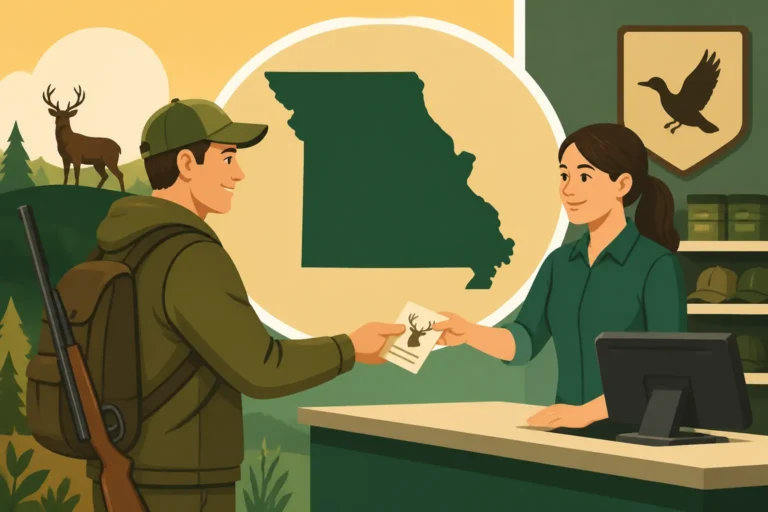
Even with the ease of online and app-based purchasing, sometimes you just prefer the old-fashioned way, or maybe you're in an area with spotty cell service. Missouri still provides plenty of options for buying your permits in person. You can visit numerous authorized vendors across the state, which often include bait and tackle shops, sporting goods stores, convenience stores, and even some grocery stores. These vendors are typically equipped with the MDC's electronic point-of-sale system, allowing them to issue your permits on the spot.
This option is particularly helpful if you have questions you want to ask a real person, or if you're a nonresident visiting Missouri for the first time and want to get a feel for the local hunting scene and maybe pick up some local tips. You can also purchase permits at regional MDC offices, although these often have more limited hours compared to retail vendors. Just remember to bring a valid ID and be prepared to provide the necessary information. It’s always a good idea to check the MDC website for a list of authorized permit vendors near your hunting location before you head out.
Missouri's Archery Deer Tagging and Telecheck Requirements
So, you’ve put in the time, honed your skills, and finally, your archery shot found its mark. Congratulations! But the hunt isn't truly over until you've properly tagged and reported your harvest. Missouri has clear, mandatory rules for what to do immediately after harvesting a deer, and following them precisely is non-negotiable. These steps are critical for conservation data, disease monitoring, and maintaining the integrity of the hunting season.
Immediately Tagging Your Harvested Deer
The moment your deer is down, secured, and you've confirmed it's expired, your very next step is to physically tag it. This isn't something you can put off until you get back to camp or home. Missouri law requires you to notch your permit immediately after harvest and attach it to the deer. "Immediately" means before you even move the deer from the place of kill. The permit will have specific areas to notch out the month and day of your harvest. Make sure to use a knife or another sharp object to clearly mark the date.
Once notched, the permit needs to be securely attached to the deer. Most hunters will tie it to an antler (if it's an antlered deer) or through a slit in the ear or leg tendon if it’s an antlerless deer. The key is that it must be visible and remain attached to the deer while it is being transported. This physical tag serves as proof that the deer was legally harvested and corresponds to a valid permit. Skipping this step, or doing it improperly, can lead to serious violations, so always have a pen or knife and some way to secure your tag ready in your pack.
Telechecking Your Archery Deer: The Mandatory Next Step
Beyond the physical tagging, Missouri requires all harvested deer to be "telechecked." This is how the MDC collects vital data on harvest numbers, locations, and other statistics crucial for herd management. You must telecheck your deer by 10:00 p.m. on the day of harvest, or before the deer is prepared for consumption or placed in a commercial processing facility, or before it leaves the state, whichever comes first. This deadline is firm.
You have a few ways to telecheck:
- Online: The easiest method for many is through the MDC website or the MO Hunting app. You'll need your permit number, your date of birth, and some details about the harvest, such as the county of kill and whether it was antlered or antlerless.
- Phone: You can also call a toll-free number provided by the MDC. An automated system will guide you through the process, prompting you for the same information as the online system.
Once you’ve successfully telechecked your deer, you’ll receive a confirmation number. This number is extremely important; you must write it down on your permit. This confirmation number effectively validates your tag and indicates that the harvest has been officially reported. Keep that permit with the confirmation number attached to the deer until it’s been fully processed. Understanding Telechecking a Missouri Deer is a fundamental part of responsible hunting here.
Transporting Your Harvested Deer
After your deer is tagged and you've telechecked it, you can begin the process of transporting your game. There are specific rules around this, especially concerning Chronic Wasting Disease (CWD) management. Generally, a properly tagged and telechecked deer can be transported. However, if you harvested your deer in a CWD Management Zone, there might be restrictions on transporting the carcass out of that zone, particularly the brain and spinal column, which are where CWD prions are most concentrated.
The general rule of thumb for CWD is that you can transport whole deer, or certain parts, anywhere in the state, provided it's tagged and telechecked. However, if you're taking your deer out of a CWD Management Zone, or out of state entirely, you might be limited to transporting only deboned meat, antlers, hides, and clean skulls. The purpose of these rules is to prevent the spread of CWD to new areas. Always check the latest MDC regulations regarding Missouri CWD Rule Changes for 2026 and carcass transport, especially if you hunt in an area prone to CWD or if you're a nonresident taking your harvest home. Being prepared with knowledge on Field Dressing and Cooling in Early-Season Heat can also make transportation easier.
Important Regulations and Considerations for Archery Hunters
Missouri’s deer season is dynamic, with specific rules that cater to its unique structure and management goals. As an archery hunter, you'll want to be keenly aware of these particular regulations, not just for compliance but for your own safety and success. Some of these rules directly impact when and how you can hunt, while others are crucial for contributing to the overall health of Missouri's deer herd.
Navigating Missouri's Archery Season Splits
One of the most distinctive features of Missouri's archery deer season is its "split" structure. Unlike some states where the season runs continuously, Missouri's archery season has a mid-season break. Typically, the archery season opens in mid-September, runs through the firearms portions of the season in November, and then closes for a short period, only to reopen again and run through mid-January. This split is primarily designed to give firearms hunters a dedicated period without bowhunting pressure, and it’s a critical time for hunter safety.
Understanding Why Missouri Splits Its Archery Season is key. During the November firearms portion, the woods become much more crowded, and the dynamics of deer movement change drastically. Archers who choose to continue hunting during this time need to be especially diligent about safety and visibility. This split allows for robust harvest numbers through both methods while also managing hunter density and minimizing conflicts in the woods. Always check the exact Missouri Archery Deer Season Dates each year, as they can shift slightly.
Hunter Orange Requirements During Overlap Seasons
This is a big one for archery hunters: when do you need to wear hunter orange? During the vast majority of the archery season, from opening day in September until the start of the November firearms portion, hunter orange is not required for archers. You can wear your favorite camouflage patterns, blending in as much as possible with the environment. However, this changes dramatically during any firearms portion of the deer season, including the regular November firearms portion, the late youth portion, and the alternative methods portion.
If you decide to continue Bowhunting Through the Missouri Firearms Portion, you are legally required to wear hunter orange. This isn't just a suggestion; it's a critical safety regulation designed to protect all hunters in the woods. You must wear a cap, hat, vest, or shirt of hunter orange, and it needs to be visibly worn on your upper body. The MDC specifies a minimum of 400 square inches of hunter orange, visible from all sides. This applies even if you are just carrying your archery equipment. Failing to wear hunter orange during these mandated periods is a serious violation and incredibly dangerous. Always consult the specific Orange Requirements for Missouri Archers annually to ensure you're compliant and safe.
CWD Testing and Carcass Transport Rules
Chronic Wasting Disease (CWD) remains a significant concern for deer management in Missouri, and as a hunter, you play a crucial role in monitoring and mitigating its spread. While CWD testing may not be mandatory statewide, there are specific CWD Management Zones where mandatory sampling of harvested deer might be required on certain dates, typically during the opening weekend of the firearms season. Even outside of mandatory sampling periods, the MDC encourages hunters to voluntarily submit samples for testing. This helps them track the disease's prevalence and spread, informing future management decisions.
If you harvest a deer in a CWD Management Zone, or if you plan to transport your deer out of state, pay very close attention to carcass transport regulations. As mentioned earlier, typically, only deboned meat, antlers, hides, and clean skull plates are allowed to be transported out of a CWD Management Zone or out of Missouri. The parts that pose the highest risk of CWD transmission (brain, spinal cord, lymph nodes) should either be left at the kill site or disposed of in an approved landfill within the CWD zone. These regulations, though sometimes inconvenient, are vital for protecting Missouri’s deer herd for future generations. You can find more detailed information on CWD Sampling and Testing for Hunters on the MDC website or by using a mapping tool like GoHunt, which often includes CWD zone overlays.
Disclaimer
Please remember that hunting regulations, permit costs, and season dates are subject to change. Always consult the official Missouri Department of Conservation (MDC) regulations, available on their website or in their annual hunting booklets, before planning and undertaking any hunting activities. This guide provides general information and should not be considered a substitute for official MDC resources.