Why the November Portion Runs Eleven Days
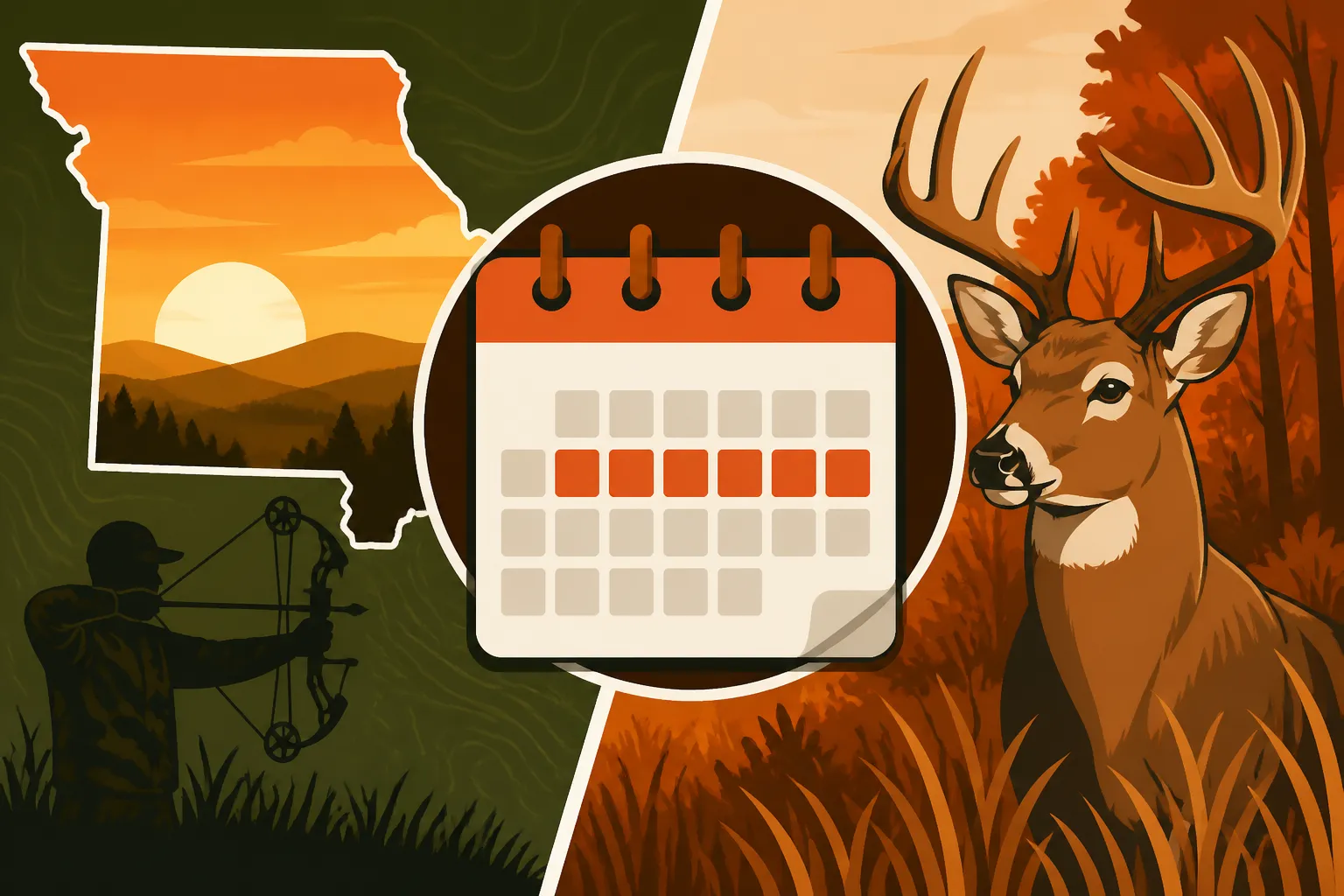
For many deer hunters in Missouri, that glorious 11-day stretch in November is etched into our calendars, a time practically synonymous with fall. But have you ever paused to truly wonder why it's eleven days, not ten, or seven, or a full two weeks? It's a question many hunters ponder, especially when trying to schedule precious vacation days, and it can feel a bit arbitrary at first glance. This guide will dive deep into the specific reasons behind Missouri's unique 11-day firearms deer season, exploring the history, biology, and practical considerations that shaped this crucial hunting period.
The Origins of the Eleven-Day Season
It's easy to assume that hunting seasons are just set by some distant decree, but in Missouri, the length and timing of our deer seasons are actually the result of decades of careful observation, scientific research, and, importantly, listening to the hunting public. The 11-day structure didn't just appear out of thin air; it evolved alongside our state's incredible deer herd recovery and the Missouri Department of Conservation's (MDC) commitment to sustainable management.
Historical Context of Missouri Deer Management
Missouri's deer population, like many states, faced near extirpation in the early 20th century. Habitat loss, unregulated hunting, and market hunting devastated the herd. The MDC, established in 1937, embarked on a monumental task of restoring whitetails, beginning with strict regulations, restocking efforts, and habitat improvements. For many years, hunting opportunities were very limited, often focusing on short, restricted seasons to allow the herd to rebound. As the deer population grew, so did the discussions around expanding hunting opportunities. This gradual, scientific approach laid the groundwork for the modern seasons we know today, including the primary November firearms portion. Understanding the journey from scarcity to abundance helps us appreciate the careful thought that goes into every season structure.
Back in those early days, setting a season length was a delicate balance between offering recreational opportunity and ensuring the herd's continued growth and health. Conservation agents and biologists painstakingly gathered data, observed herd dynamics, and listened to hunters' feedback. It wasn't a one-and-done decision; rather, it was a dynamic process, adjusting as the deer population flourished. The initial season structures were often shorter, more localized, and designed to tread lightly while the deer found their footing across the state. These foundational decisions, made with the long-term health of the deer and the tradition of hunting in mind, set the stage for the specific season lengths we now enjoy.
Early Season Length Debates and Decisions
As Missouri's deer herd truly began to thrive in the mid-to-late 20th century, the MDC started exploring how to expand hunting opportunities while maintaining a healthy, balanced population. This led to a lot of discussion about how long the primary firearms season should be. Longer seasons might lead to overharvest, while shorter ones might not provide enough opportunity or achieve necessary population control. The goal was always to provide a sufficient window for hunters to participate, particularly those who might only have a few days off work, while also ensuring that enough deer, especially does, were harvested to keep the population in check relative to habitat and landowner tolerance. The 11-day structure emerged as a sweet spot, balancing these often-competing objectives.
Consider the logistics for a moment: Missouri hunters often plan their entire year around deer season. Many rely on the annual Missouri's November Firearms Portion to fill their freezers. The MDC understood the importance of consistency and predictability for hunters, allowing them to make plans well in advance. Through various public input processes, including surveys, public meetings, and direct communication with hunters, the conservation department sought to find a season length that resonated with the hunting community while achieving biological goals. This collaborative approach between hunters and wildlife managers eventually solidified the 11-day period, a length that has proven effective and largely popular over the years. It's a test of time, really, a duration that has sustained both the deer and the hunters who pursue them.
Biological Rationale and Deer Herd Health
The length of Missouri's November firearms season is far from arbitrary; it's deeply rooted in the biological realities of white-tailed deer. The MDC uses extensive data, including harvest reports, biological surveys, and hunter observations, to fine-tune season dates and lengths. The 11-day window is specifically designed to coincide with and capitalize on critical phases of the deer breeding cycle, ensuring effective population management.
Managing Harvest Pressure on the Rut
One of the primary biological reasons for the 11-day November firearms season is its timing relative to the whitetail rut. In Missouri, the peak of the rut often falls within the first two weeks of November, though it can vary slightly year to year. During this intense period, bucks are actively seeking does, often moving more frequently and during daylight hours than at any other time of the year. This increased deer movement naturally makes them more susceptible to harvest, which is precisely what the MDC aims for to manage the overall herd population. If the season was too short, it might miss the peak of this activity, leading to lower harvest numbers. If it was too long, particularly extending deep into the post-rut, it could place undue pressure on the herd when deer are recovering from the rigors of breeding and winter is setting in.
The 11-day length is a strategic compromise, designed to overlap with the most intense activity of the breeding cycle. This timing allows for efficient harvest of both bucks and does, which is crucial for maintaining a healthy buck-to-doe ratio and ensuring long-term population stability. Hunters who participate in Hunting the Peak Rut Week in Missouri understand this firsthand; the woods are alive with activity, offering an unparalleled hunting experience. The MDC needs to collect reliable harvest data, and a consistent, well-timed season helps them achieve this. This also ties into how many Missouri Deer Permits and How to Buy One are available and for which portions of the season.
Balancing Antlered and Antlerless Opportunities
Beyond just coinciding with the rut, the 11-day season plays a vital role in balancing the harvest of antlered (bucks) and antlerless (does and button bucks) deer. While many hunters are focused on harvesting a buck, the management of the doe population is arguably more critical for overall herd health. Does are the reproductive engine of the herd, and controlling their numbers helps prevent overpopulation, reduces habitat degradation, and minimizes conflicts with landowners, particularly in agricultural areas. The 11-day window provides ample opportunity for hunters to fill both their antlered and antlerless tags, contributing directly to the MDC's management objectives.
By providing a significant block of time during peak deer movement, the 11-day season encourages hunters to harvest antlerless deer, especially with programs like Missouri's Early and Late Antlerless Portions supporting these efforts. This distributed effort helps to manage herd numbers across the landscape. The ability to take up to two antlered deer and, in many counties, additional antlerless deer during this period, gives hunters flexibility while also ensuring the state meets its harvest goals. This structured approach, where a specific timeframe maximizes hunter participation during a biologically significant period, is essential for keeping Missouri's deer herd thriving and healthy year after year. The balance achieved during these 11 days is a cornerstone of responsible wildlife stewardship.
Hunter Experience and Practical Considerations
While biological factors are paramount, the MDC also takes into account the practicalities and desires of Missouri's hunting community when setting season lengths. The 11-day structure aims to provide a meaningful and accessible hunting experience for a broad range of participants, from seasoned veterans to new hunters.
Maximizing Weekend Hunting Opportunities
A key aspect of the 11-day season is its clever scheduling to always encompass two full weekends, in addition to several weekdays. For many working men and women, and even students, weekends are the primary, if not sole, time available to hunt. By ensuring two weekends are included, the MDC maximizes participation, allowing more hunters to get out into the woods and fields. This scheduling is incredibly important for hunter satisfaction and recruitment. Imagine if the season was shorter and only included one weekend, or worse, none at all for some years! That would undoubtedly lead to frustration and reduced engagement from the hunting community.
This consideration for hunter accessibility isn't just about convenience; it's about fostering a strong hunting culture and ensuring that sufficient hunting pressure is applied to the deer herd. More hunters in the field over two weekends means a better chance of achieving harvest goals, particularly for antlerless deer. Many hunters use this time not only for their primary hunt but also for activities like Deer Drives on Missouri Public Ground with friends and family, which often happen on weekends. It's a season designed to be inclusive, recognizing the varied schedules of modern life. Tools like GoHunt can be incredibly helpful for planning these precious weekend trips, allowing hunters to scout areas and understand public land boundaries well in advance.
Impact on Hunter Participation and Success
The consistent 11-day length of the November firearms portion helps maintain high hunter participation rates year after year. Hunters know when to expect it, allowing them to plan work schedules, secure lodging, and organize their deer camp traditions. This predictability fosters a sense of anticipation and ensures that a large, consistent cohort of hunters is afield, which directly contributes to the success of the state's deer management program. A longer season might spread out hunters too thin, reducing the collective impact, while a shorter one might create too much crowding or simply not offer enough time for success.
The duration also provides a reasonable window for hunters to be successful. Deer hunting, especially for an elusive whitetail, often requires patience, persistence, and adapting to conditions. An 11-day season allows for days with poor weather, unexpected commitments, or simply slow hunting. Hunters have enough time to scout new areas, adjust their tactics, and wait for the right opportunity. This balance reduces pressure on individual hunters while collectively achieving the necessary harvest. Data on Missouri Deer Harvest Records consistently reflects the effectiveness of this timing, showing strong harvest numbers that are critical for managing the statewide Missouri Deer Population Estimate. Using a platform like GoHunt to analyze historical harvest data can further inform a hunter's strategy for these 11 crucial days.
| Reason for 11-Day Season | Biological Rationale | Hunter Experience Rationale | Management Goal |
|---|---|---|---|
| Rut Coincidence | Maximizes harvest efficiency during peak deer movement. | Increases chances of seeing active deer. | Effective population control. |
| Antlerless Harvest | Critical for doe population control. | Ample time to fill antlerless tags. | Balanced herd demographics. |
| Two Full Weekends | Distributes hunter pressure. | Maximizes participation for working individuals. | High hunter satisfaction and engagement. |
| Consistency | Predictable data collection for MDC. | Allows hunters to plan far in advance. | Stable and sustainable hunting traditions. |
| Flexibility | Adapts to minor rut variations. | Accounts for weather, personal commitments. | Maximized hunter success within limits. |
How the Length Supports Missouri's Management Goals
Ultimately, every aspect of Missouri's hunting regulations, including season lengths, is designed to support the overarching goals of wildlife conservation: maintaining healthy wildlife populations, conserving habitat, and providing diverse recreational opportunities. The 11-day firearms season is a prime example of how these objectives are intertwined.
Data-Driven Decision Making
The Missouri Department of Conservation relies heavily on scientific data to make informed decisions about hunting seasons. The consistent 11-day structure provides a stable framework for collecting annual harvest data through the Telecheck system. When hunters telecheck their deer, they provide crucial information about the county of harvest, the date, and the sex of the deer. This data, collected consistently over the same 11-day window each year, allows biologists to accurately track trends in deer population numbers, age structures, and health indicators. Any significant deviations in harvest or population data can then be analyzed against a consistent season length, making it easier to identify actual biological shifts rather than changes due to varying season structures. This commitment to science ensures that any future adjustments to What Changed in Missouri Deer Rules for 2026 will be based on solid evidence.
Without a standardized season length for the primary firearms portion, comparing year-to-year harvest data would be significantly more challenging, if not impossible. Imagine trying to understand population trends if the season was 7 days one year, 14 the next, and 10 the year after. The 11-day model simplifies this complex analysis, providing a reliable benchmark. This allows the MDC to gauge the impact of previous regulations, assess the health of the herd, and project future population trends with greater accuracy. It's a testament to long-term planning and the value of consistent data collection in wildlife management.
Future Considerations and Flexibility
While the 11-day November firearms season has proven incredibly effective and consistent, the MDC's approach to wildlife management is always dynamic. They constantly monitor the deer herd, habitat conditions, and hunter feedback. The current 11-day structure provides a strong foundation, but it's not set in stone forever. Changes could occur if significant biological shifts in the deer population are observed, such as a major increase or decrease in numbers, or if new diseases emerge that require different management strategies. Additionally, shifts in hunter demographics or preferences could also influence future discussions about season structure. The MDC regularly reviews all Missouri Deer Season Portions Explained and makes adjustments as needed.
For now, the 11-day format offers a practical and flexible framework. It's long enough to be highly effective for population management and hunter opportunity, yet short enough to avoid excessive pressure on the herd and to ensure that deer have time to recover and prepare for winter after the primary hunting period. Hunters also need to be aware of regulations like Missouri Hunter Education and Orange Rules and Telecheck Requirements After a Harvest to contribute to these management efforts. This balance is critical for sustaining Missouri's cherished deer hunting tradition for generations to come, allowing hunters to continue planning their annual trips to the woods, perhaps using tools like GoHunt to optimize their scouting and hunting strategies each year.
Disclaimer
This information is intended for general guidance and informational purposes only. Hunting regulations, season dates, and permit requirements in Missouri are subject to change. Always consult the most current regulations published by the Missouri Department of Conservation (MDC) before planning any hunting activity. Your safety and adherence to all laws are your sole responsibility.