Carcass Transport Rules Out of Missouri
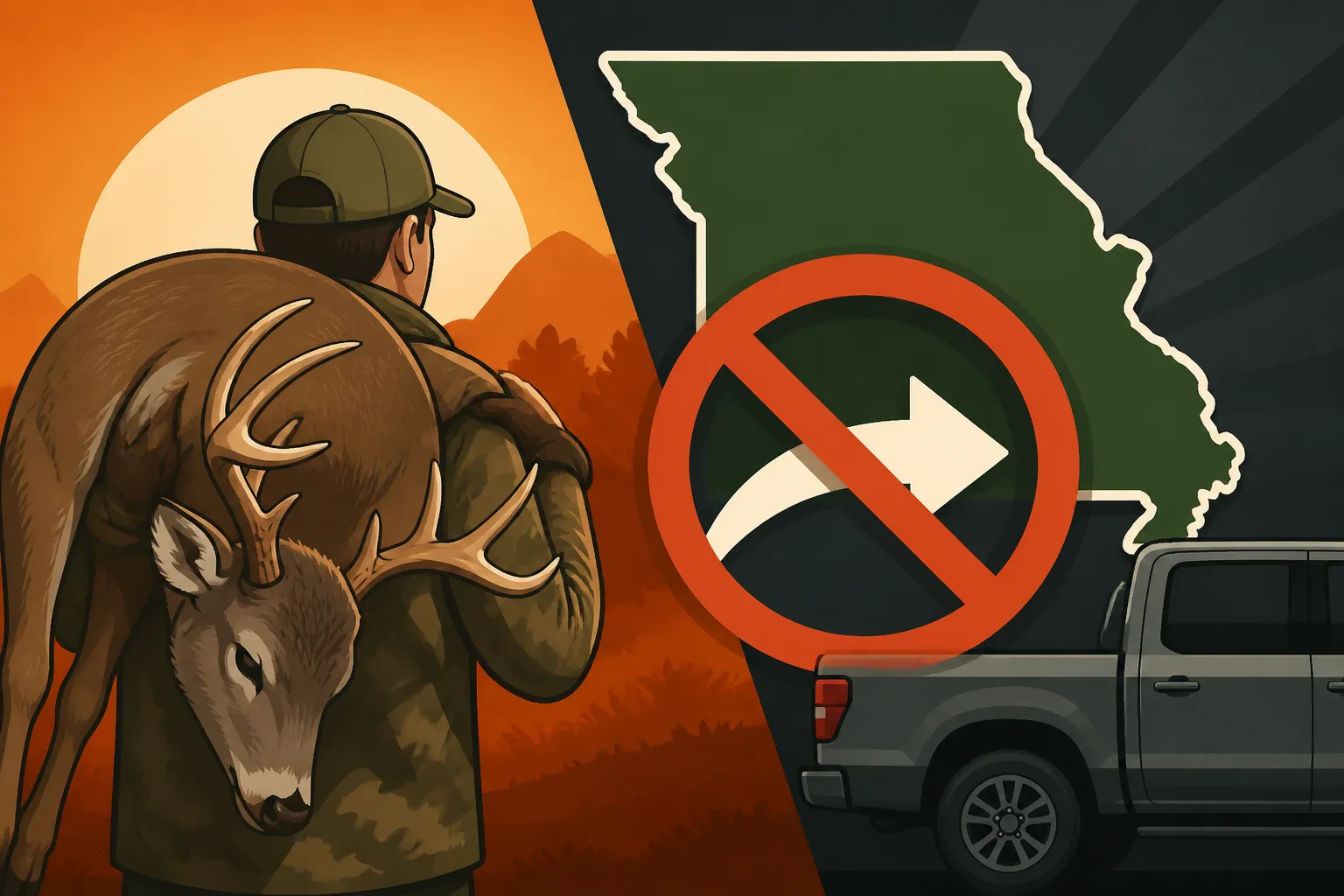
Harvesting a deer in Missouri is a thrill, but transporting that deer carcass across state lines can quickly become a maze of regulations. Differing state rules, especially with concerns about Chronic Wasting Disease (CWD), can make an exciting hunt end with frustrating confusion. This guide cuts through the noise, explaining Missouri's specific carcass transport rules for hunters leaving the state, ensuring you know exactly how to prepare your harvest for a smooth journey home.
Understanding Missouri's CWD Transport Regulations for Out-of-State Travel
If you've been lucky enough to punch a tag in Missouri, the excitement of the hunt often quickly shifts to the logistics of getting your game home. This is especially true if you're an out-of-state hunter or a resident planning to process your deer elsewhere. Missouri has clear rules about what parts of a deer can leave the state, primarily aimed at preventing the spread of Chronic Wasting Disease (CWD). It's not just about what Missouri allows you to take out, but also what your home state will allow you to bring in, so you’ve got two sets of rules to consider!
The Missouri Department of Conservation (MDC) is pretty straightforward about this. To help mitigate the spread of CWD, strict rules are in place concerning the transport of deer carcasses, especially when crossing state lines. You can't just throw a whole deer in the back of your truck and drive across the border. The goal is to prevent the movement of high-risk tissues, such as brain and spinal cord, which are known to harbor the CWD prion. This means a good deal of foresight and field dressing is often required right here in Missouri.
The "What Can Be Transported" Breakdown
When it comes to transporting your Missouri deer harvest out of state, you generally need to break down the animal into specific, low-risk components. The good news is that most of your hard-earned venison can absolutely make the journey with you, as long as it’s processed correctly. Think about it this way: if it's not bone, brain, or spinal cord, you're usually in the clear.
Here's a detailed look at what is typically allowed for out-of-state transport from Missouri:
- Deboned Meat: This is your best friend. All meat that has been completely removed from the bone is permissible. This means taking the time to Butchering a Deer at Missouri Deer Camp or in a dedicated facility is key. Once deboned, the meat can be cut, packaged, and frozen, ready for transport.
- Cut and Packaged Meat: If your meat has already been processed by a commercial facility or yourself into roasts, steaks, or ground venison, and is properly wrapped, it’s good to go. The important thing is that it's no longer attached to bone.
- Hides: Hides are generally considered low risk, as long as they are free of any head or vertebral column material. Clean them up, salt them if you plan to get them tanned, and they can cross state lines.
- Antlers Attached to a Cleaned Skull Plate: If you want to keep your trophy antlers on a skull plate, that's fine, but the skull plate must be absolutely free of all brain and nervous tissue. This usually involves boiling or pressure washing to ensure all soft tissue is removed. Think "bleached bone."
- Skulls (whole or parts) or Teeth: Similar to skull plates, if you're taking a skull for a European mount or just a set of teeth, all brain and nervous tissue must be completely removed. This process can be quite time-consuming, but it’s essential for compliance.
- Finished Taxidermy Products: If you've already had your trophy processed by a taxidermist in Missouri, the finished mount or product is typically exempt from these restrictions because all high-risk materials have been removed or rendered non-infectious.
These rules provide flexibility for hunters to take their venison and trophies home while minimizing the risk of CWD transmission. Tools like the GoHunt app can be useful for quickly checking regulations, but always verify with official state conservation agencies.
No-Go Zones and Full Carcass Restrictions
The inverse of what you can take out of Missouri is what you absolutely cannot. The primary restriction is on full or mostly intact carcasses, especially those containing the brain, spinal cord, or lymphatic tissues. These tissues are where CWD prions are most concentrated, and thus, pose the highest risk for disease spread.
Specifically, here’s what’s generally prohibited from leaving Missouri when it comes to deer carcasses:
- Whole Carcasses: This is the big one. You cannot transport a whole deer carcass, including the head and spinal column, out of Missouri. This means that after a successful hunt, you'll need to do some processing before you hit the road.
- Head with Brain/Spinal Tissue: The head, if not thoroughly cleaned (as described above for skull plates), cannot be transported. This includes the brain, eyes, tonsils, and any associated nervous tissue.
- Spinal Column: The vertebral column (spinal cord) is also a high-risk material and cannot be transported out of state. This means the carcass needs to be broken down, often by deboning the meat from the backbone.
- Lymphatic Tissues: While harder for the average hunter to identify and remove completely, the general rule of thumb is that if you remove the high-risk tissues (brain, spinal cord), you're significantly reducing the risk associated with lymphatic tissues.
These restrictions mean that hunters who harvest a deer in Missouri and live out of state will almost certainly need to perform significant field processing. This ensures that only low-risk parts leave the state, aligning with broader Chronic Wasting Disease in Missouri Deer management efforts. Always be prepared with the right tools for field dressing and meat care.
Preparing Your Harvest for Cross-State Journey: Practical Steps
So, you've got your deer down, and you know you can't just haul it whole across state lines. Now what? The key is preparation. The sooner you start processing your deer, the better, not just for compliance but also for meat quality. Proper handling ensures your venison is delicious and safe for consumption, and that you won't run into issues at state lines.
Field Processing and Deboning for Compliance
Field processing is crucial for hunters needing to transport deer out of Missouri. This isn't just about getting the meat off the bone; it’s about strategically removing those prohibited high-risk tissues. This is where your skills in the field really shine, and having the right tools makes all the difference.
- Start Early: As soon as your deer is harvested, begin the field dressing process. This is vital for Getting Deer Meat Cooled Quickly, especially during warmer early-season hunts. Remove the entrails promptly to begin cooling the carcass.
- Deboning in the Field: If you're planning to take meat across state lines, the most straightforward approach is to debone the animal in the field. This means stripping the muscle groups from the bone, leaving the skeletal structure (which includes the spinal column, brain, and other high-risk tissues) behind. You can quarter the deer first, then debone each quarter. Many hunters use a "gutless method" for this, which allows you to extract all the prime meat without eviscerating the animal if you choose to leave the guts in the woods.
- Cleanliness is Key: As you debone, be meticulous. Separate meat from bone and any connective tissue or fat you don’t want. Place the deboned meat into clean game bags. This not only keeps your meat clean but also makes it easier to transport and ensures you're leaving behind the prohibited parts. For a more in-depth look at this, checking out guides on Field Dressing and Cooling in Early-Season Heat can be incredibly helpful.
- Cooling and Storage: Once deboned and bagged, immediately get the meat on ice. This is non-negotiable, especially in Missouri's often warm hunting seasons. Pack game bags directly into coolers filled with ice. Ensure the meat doesn't sit in melted ice water directly, though, as this can degrade quality. Drain coolers regularly and replenish ice as needed.
Remember, this field processing isn't just a suggestion; it's a requirement for out-of-state transport. Planning ahead with the right gear – a sharp knife, game bags, and enough coolers and ice – will save you a lot of grief. Using resources like the GoHunt app can help you locate processing facilities if you prefer a professional to handle the deboning.
Capes, Skulls, and Taxidermy Preparations
For many hunters, the antlers or the entire head are as much a trophy as the meat. If you want to take these parts across state lines, specific preparation is required to comply with CWD regulations.
- Capes for Shoulder Mounts: If you're planning a shoulder mount, you can transport the cape (the hide from the head and shoulders) provided it's free of brain or nervous tissue. This means the skull plate and any associated brain matter must be removed from the cape. It's often best to have a local Missouri taxidermist cape the deer for you, as they are familiar with the specific requirements. They can properly flesh and salt the cape for transport.
- Skull Plates for Antlers: As mentioned earlier, if you only want to take the antlers, they must be attached to a skull plate that is completely free of all brain and nervous tissue. This involves careful removal of all soft tissue, often by boiling or pressure washing. A clean, bleached skull plate is the goal. Many hunters will simply saw off the skull plate with the antlers attached, ensuring no upper vertebrae or brain matter is present.
- Full Skulls for European Mounts: For a European mount, the entire skull must be meticulously cleaned. All brain tissue, eyes, and any other soft tissues must be removed. This is a labor-intensive process, usually involving boiling, maceration, or dermestid beetles. If you plan to do this yourself, start the process in Missouri. Otherwise, find a Missouri taxidermist who can perform the cleaning for you before you leave. They can then ship the clean skull to your home address or have you pick it up when complete.
- Taxidermy Products: Finished taxidermy mounts are generally exempt from transport restrictions because the high-risk tissues have been removed and the materials rendered safe. If you have a taxidermist in Missouri complete your mount, you can typically transport it home without issue. Always double-check with your taxidermist and your home state's regulations, just to be safe.
Proper preparation of these trophy parts is not just about compliance; it's also about preserving the quality of your trophy. Mishandling can lead to hair slippage on capes or damage to skulls, so taking the time to do it right, or hiring a professional, is always a wise investment.
Navigating Neighboring State Rules: Beyond Missouri's Borders
Missouri's rules are just one piece of the puzzle. The moment you cross a state line, you're subject to that state's regulations regarding the import of deer carcasses. This is a critical point that many hunters overlook, leading to potential fines or confiscation of their harvest. It's not enough to know Missouri Deer Transport Rules for within the state; you need to understand the destination state's stance on CWD.
The general trend across states, especially those with CWD concerns, is to restrict the import of whole carcasses or high-risk parts. This means that even if you've meticulously followed Missouri's export rules, your destination state might have additional specific requirements or even complete bans from certain CWD-positive areas.
Specific Rules for States Bordering Missouri
If you're hunting Missouri and live in a neighboring state, paying close attention to their import rules is paramount. Here's a general overview of what you might expect, but remember, always verify with the specific state's conservation agency before you hunt:
- Illinois: Illinois has strict import rules, generally allowing only deboned meat, cleaned skull plates/skulls, antlers, and finished taxidermy products. They specifically prohibit the import of whole carcasses, heads, or spinal columns from any state where CWD has been detected, which includes Missouri.
- Kansas: Similar to Illinois, Kansas typically restricts the import of intact carcasses, heads, and spinal columns. Deboned meat, cleaned skulls/skull plates, and finished taxidermy are usually permissible.
- Iowa: Iowa's regulations usually mirror these, requiring deboned meat and cleaned skulls/antlers. They are keen on preventing CWD introduction.
- Arkansas: Arkansas generally allows deboned meat, cleaned skull plates/skulls, antlers, and finished taxidermy. They also have specific rules about CWD-positive counties.
- Kentucky: Kentucky allows deboned meat, cleaned skulls/skull plates, antlers, and hides, but restricts other carcass parts from CWD-positive states.
- Tennessee: Tennessee's regulations are often in line with its neighbors, requiring deboned meat, cleaned skulls, and taxidermy.
- Oklahoma: Oklahoma generally permits deboned meat, cleaned skulls, antlers, and finished taxidermy products.
- Nebraska: Nebraska also restricts the import of certain high-risk deer parts, focusing on deboned meat and cleaned trophies.
As you can see, there's a strong common thread: remove the high-risk parts. The nuance comes in the specifics of what "cleaned" means to each state, or if they have a blanket ban from specific CWD management zones. Using resources like the GoHunt app can often provide a quick reference, but the official state wildlife agency website is always your most reliable source. Planning your hunt, and your return journey, involves understanding these laws thoroughly.
Checking Regulations for Non-Bordering States
Even if you're traveling further than a bordering state, the same due diligence applies, perhaps even more so. States like Texas, Colorado, Pennsylvania, or Michigan all have their own specific CWD import regulations. The further you travel, the more critical it becomes to ensure your harvest is prepared correctly, as a misstep could ruin your trip and your meat.
Here's how to approach it:
- Visit the State Wildlife Agency Website: This is your primary resource. Go to the official website of the conservation or wildlife department for your home state. Look for sections on CWD, deer hunting, or carcass transport.
- Look for Import Restrictions: Specifically search for rules regarding importing cervid (deer, elk, moose) carcasses or parts from out-of-state, especially from CWD-positive states like Missouri.
- Print or Screenshot the Rules: Having a physical or digital copy of the regulations can be helpful if you encounter any questions during your journey.
- Consider Professional Processing: If you're traveling a long distance or are unsure about the regulations, having your deer fully processed and packaged by a reputable Missouri deer processor is often the safest bet. They're typically well-versed in what can and cannot leave the state and can prepare your meat and trophy parts to comply with most state laws.
It’s a hassle, yes, but it's a necessary step to protect wildlife and avoid legal trouble. The efforts for Missouri Wildlife Disease Monitoring are vital, and these transport rules play a big part in preventing disease spread.
Why These Rules Matter: The CWD Context
It’s easy to get frustrated with all the hoops and hurdles surrounding carcass transport, but understanding why these rules are in place can help put things into perspective. These regulations aren't arbitrary; they are critical measures to combat a serious and persistent threat to deer populations: Chronic Wasting Disease (CWD).
The Threat of Chronic Wasting Disease
Chronic Wasting Disease is a fatal neurological disease that affects cervids, including white-tailed deer, mule deer, elk, and moose. It's caused by abnormal proteins called prions, which slowly damage the brain and nervous system of infected animals. The disease is always fatal, and there is currently no known cure or vaccine.
Here's why CWD is such a concern:
- Always Fatal: Once an animal contracts CWD, it will inevitably die.
- Highly Contagious: CWD can be transmitted directly from animal to animal or indirectly through contaminated environments. Prions can persist in soil and plants for years, making areas with infected deer a long-term risk.
- Difficult to Detect Early: Infected animals may not show symptoms for an extended period, sometimes 18-24 months or longer. This "incubation period" means an apparently healthy deer could be a carrier.
- No Human Transmission (Yet): While there's no conclusive evidence of CWD transmitting to humans, health organizations advise caution, including not consuming meat from CWD-positive animals. The potential for a species barrier jump is a serious concern.
- Economic and Recreational Impact: CWD threatens deer populations, which can devastate hunting traditions, local economies reliant on hunting tourism, and conservation funding derived from permit sales.
Missouri has been actively managing CWD since its first detection, and efforts continue to monitor, contain, and slow its spread. This involves extensive CWD Sampling and Testing for Hunters, especially in affected areas.
Missouri's Efforts in Disease Monitoring
The Missouri Department of Conservation (MDC) takes CWD very seriously. They've been on the forefront of monitoring and managing the disease to protect the state's healthy deer herd and rich hunting heritage. Their strategies evolve, as demonstrated by Missouri's CWD Rule Changes for 2026 and discussions around What the CWD Zone Removal Means in specific areas.
Key aspects of Missouri's CWD management include:
- Surveillance and Testing: The MDC conducts extensive CWD surveillance through mandatory and voluntary deer testing programs. Hunters are often asked to provide samples from harvested deer, particularly in counties where CWD has been detected. This data helps track the disease's prevalence and geographic spread.
- Carcass Disposal and Transport Restrictions: As we've discussed, limiting the movement of high-risk carcass parts is a primary tool to prevent CWD from spreading to new areas. This is why the out-of-state transport rules are so stringent.
- Hunter Education: Educating hunters about CWD, how to identify potentially infected animals, and the importance of compliance with regulations is a continuous effort.
- Research: The MDC supports and conducts research to better understand CWD, including its transmission, persistence in the environment, and potential mitigation strategies.
These collective efforts highlight the critical role every hunter plays in CWD management. By adhering to carcass transport rules, you're not just avoiding a fine; you're actively participating in the larger conservation effort to protect Missouri's deer herd for future generations. It’s a bit of extra work, but it’s a small price to pay to help ensure our cherished hunting opportunities endure. Always remember to Telechecking a Missouri Deer as required, which is another vital part of the data collection process for MDC.
| Permissible Deer Carcass Parts for Out-of-State Transport from Missouri | Restrictions/Notes |
|---|---|
| Deboned Meat | Must be completely removed from the bone. |
| Cut and Packaged Meat | All bone removed, commercially or privately processed and wrapped. |
| Hides | Must be free of head and vertebral column material. |
| Antlers on a Skull Plate | Skull plate must be completely cleaned of all brain and nervous tissue. |
| Whole Skulls (European Mounts) | Must be completely cleaned of all brain and nervous tissue. |
| Teeth | Must be completely cleaned of all brain and nervous tissue. |
| Finished Taxidermy Products | All high-risk materials removed; ready-to-display mount. |
Disclaimer
The information provided in this guide is for general informational purposes only and is not intended as legal advice. Hunting regulations, including carcass transport rules, can change frequently. Always consult the official websites and publications of the Missouri Department of Conservation and the wildlife/conservation agency of your destination state before hunting or transporting game. Compliance with all applicable laws is the sole responsibility of the hunter.