Missouri CWD Management Permit Acreage
Many Missouri landowners and hunters often find themselves scratching their heads over the nuances of CWD (Chronic Wasting Disease) management, particularly when it comes to the specific CWD Management Permit and how it interacts with their property's acreage. It’s easy to get lost in the regulations, especially when you're just trying to do your part for the deer herd. This guide is here to untangle all that confusion, detailing what these permits are, who qualifies, the critical acreage requirements involved, and how you can effectively participate in managing CWD on your land.
Demystifying the Missouri CWD Management Permit
Let's cut through the jargon and talk about Chronic Wasting Disease. CWD is a serious, always-fatal neurological disease that impacts deer, elk, and other cervids. It's caused by abnormal proteins called prions and slowly degrades the animal's brain, leading to emaciation, abnormal behavior, and ultimately, death. This isn't just a concern for wildlife biologists; it's a very real threat to the health of Missouri's beloved deer herd and our hunting traditions. The Missouri Department of Conservation (MDC) takes this threat incredibly seriously, and the CWD Management Permit is one of their key tools in the fight.
The purpose of this special permit isn't to provide more general hunting opportunities. Instead, it's a targeted conservation tool designed to allow landowners and leaseholders to harvest additional antlerless deer (does) in specific areas identified as CWD Management Zones or counties where CWD has been detected. The scientific rationale is that by reducing the overall deer density in these high-risk areas, we can potentially slow the rate at which CWD spreads. It's a strategic effort, based on understanding the long-term implications of Chronic Wasting Disease in Missouri Deer and the various strategies employed to contain it.
This permit differs significantly from your standard deer permits. Unlike the regular Missouri Deer Permits and How to Buy One or Missouri Archery Deer Permits and Tags, which have statewide or county-specific bag limits, the CWD Management Permit grants you additional tags beyond those standard limits. These extra tags are exclusively for antlerless deer, underscoring the permit's goal: herd reduction, not trophy hunting. It’s a direct action for landowners who want to be proactive stewards of their local deer populations and contribute meaningfully to the state's broader conservation goals.
Understanding the Acreage Requirements for CWD Management Permits
Now, for the part that often causes the most head-scratching: the specific acreage requirements. The MDC doesn't just hand these permits out to anyone with a small backyard. There's a critical minimum acreage threshold for properties to qualify for a CWD Management Permit. This requirement is in place for a very good reason: CWD management efforts need to cover a substantial, contiguous area to be truly effective. Deer are constantly moving, and managing a small, isolated parcel won't have the same impact as managing a larger, unbroken tract of land.
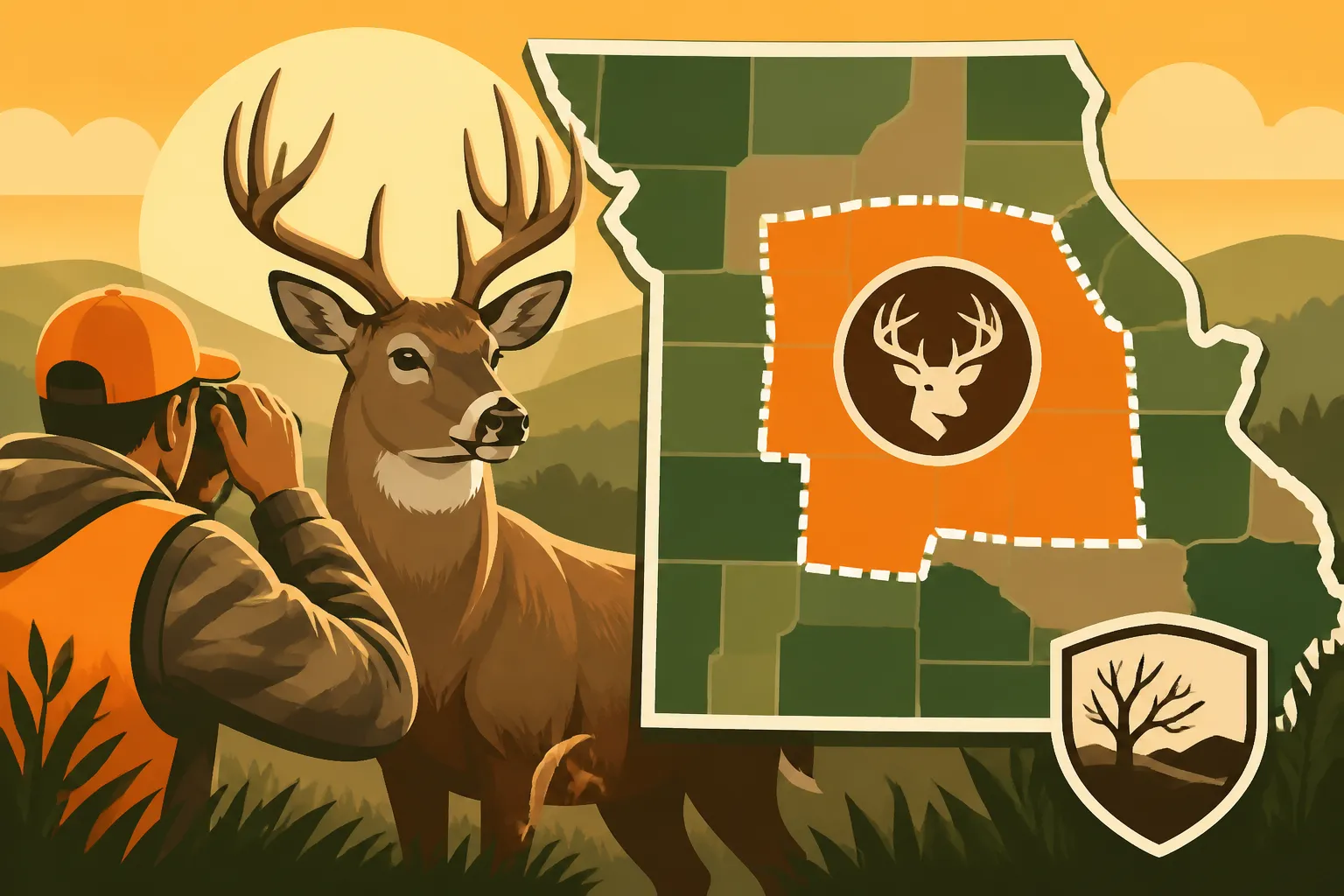
For individual landowners or leaseholders to be eligible for a CWD Management Permit, the MDC typically requires ownership or lease of at least 40 contiguous acres located within a designated CWD Management Zone. "Contiguous" is the key word here, meaning your land must be an unbroken parcel. Things like county roads or small, non-navigable streams running through your property usually don't break contiguity, but a major highway or a large, publicly accessible river often would. If you're unsure about your specific property lines or how they relate to contiguity, excellent mapping tools like GoHunt or onX Layers for Missouri Land Status can be incredibly helpful for visualizing your property boundaries and confirming your acreage. The Missouri Conservation Atlas can also be a valuable resource for identifying CWD Management Zones.
What if your property is smaller than 40 acres but you're still keen to participate? The MDC encourages and supports cooperative applications. This is a fantastic option where multiple adjacent landowners, each with smaller parcels, can combine their acreage to meet the minimum requirement. For example, if you have 20 acres and your neighbor has 30, you could apply together as a cooperative for your combined 50 acres. This approach is highly valued because it creates a larger, more impactful management unit, recognizing that deer don't respect survey lines and broader efforts are needed to address disease transmission.
The scientific reasoning behind these acreage requirements is pretty straightforward. CWD prions can persist in the environment for a long time, and deer can easily transmit the disease through direct contact or by contaminating the environment. By focusing management efforts on larger, contiguous areas, the MDC aims to reduce localized deer populations enough to potentially disrupt these transmission pathways. This density reduction across a significant landscape is far more effective than isolated efforts on scattered, smaller plots, contributing to the broader strategy that informs decisions like Why Missouri Removed the CWD Zone in some areas as conditions change.
Applying for and Utilizing a CWD Management Permit
So, you've checked your acreage, confirmed you're in a CWD Management Zone, and you're ready to jump in. The application process for a CWD Management Permit is fairly streamlined, but it requires attention to detail. Eligibility is generally open to landowners or individuals with a valid lease agreement for qualifying property. You'll typically find the application available on the MDC website, usually with a specific application window each year. It involves providing detailed property information, proving ownership or lease status, and confirming your property's location within a CWD Management Zone. While hunters are often concerned with when Missouri's Archery Season Reopens or other general season dates, this permit has its own distinct administrative process.
If your application is approved, the MDC will issue a specific number of antlerless deer permits for your property. It's crucial to understand that these permits are in addition to any other hunting permits you may hold for the statewide or county-specific seasons. The focus remains on antlerless deer, reinforcing the permit's role as a herd management tool. The number of permits issued will depend on factors like your acreage, the local deer density, and the CWD prevalence in your area.
One of the most appealing aspects for many hunters is the expanded flexibility these permits often offer. CWD Management Permits typically allow for deer harvest during all established deer hunting portions—archery, firearms, and alternative methods—and sometimes extend beyond the standard season dates, providing a longer window to achieve the desired harvest. This extended opportunity allows for more strategic hunting, giving you more time to target does effectively without the pressure of a shorter season.
However, with expanded opportunity comes significant responsibility, especially regarding mandatory CWD testing. Any deer harvested under a CWD Management Permit must be submitted for CWD testing. This is not optional. The MDC relies heavily on this data to monitor the disease's spread and prevalence, making your participation vital. You'll need to be prepared to take your harvested deer (or at least the head) to a designated CWD sampling station. Information on these stations, and the process for submitting samples, is readily available through the MDC, often tying into the broader requirements for CWD Sampling and Testing for Hunters. Keeping accurate records of your harvest, which you can easily manage through an app like GoHunt, will also help with the necessary reporting to the MDC, ensuring valuable data is collected.
Benefits, Responsibilities, and the Bigger Picture of CWD Management
Holding a CWD Management Permit isn't just about getting extra deer tags; it’s about becoming an active participant in a crucial conservation effort. The benefits for landowners are significant:
- Increased Harvest Opportunity: For those looking to fill their freezer or simply enjoy more time afield, these permits offer a valuable chance to harvest additional antlerless deer beyond regular season limits.
- Active Conservation Role: You become a direct partner with the MDC in managing a serious wildlife disease. This proactive involvement helps safeguard Missouri's deer herd for future generations, contributing to the long-term health of the resource.
- Healthier Local Deer Herd: By strategically reducing deer density, particularly through doe harvest in CWD-affected regions, you are directly contributing to mitigating the disease’s spread and fostering a more resilient and healthier deer population on your property. This proactive stance is especially important given the history of CWD, tracing back to Where CWD Was First Found in Missouri and its subsequent progression across the state.
However, these benefits come with clear responsibilities that every permit holder must embrace:
- Strict Adherence to Regulations: You must meticulously follow all permit conditions, including specific season dates, legal weapon types, and the antlerless-only harvest limits. Any deviation can undermine the management effort and lead to penalties.
- Mandatory CWD Sampling: This cannot be stressed enough – all deer harvested under these permits must be submitted for CWD testing. This provides invaluable data that guides the MDC's ongoing management strategies. Ensure you know where the nearest sampling stations are and understand the submission process.
- Accurate Data Reporting: You're expected to provide honest and accurate information regarding your harvest to the MDC. This feedback loop is essential for evaluating the effectiveness of the program and making informed decisions moving forward.
- Ethical Hunting Practices: Always uphold the highest standards of ethical and safe hunting. This includes responsible shot placement, diligent tracking, and proper field care of harvested animals.
These localized efforts on private lands are a huge component of Missouri’s overall strategy to combat CWD. It's a collective effort, and the more landowners who participate, the more effective the state's management becomes. The MDC's approach to CWD is dynamic, evolving as more data is collected and understood, including major policy shifts like Why Missouri Removed the CWD Zone in certain areas as prevalence rates dictate. Platforms like GoHunt can be excellent resources for staying up-to-date on the latest regulations, CWD research, and finding helpful maps for your property, ensuring you remain an informed and effective participant.
Finally, remember the importance of understanding and following Missouri Deer Transport Rules, particularly when moving deer carcasses out of CWD Management Zones. These rules are in place to prevent the inadvertent spread of CWD to unaffected areas, another critical responsibility for every hunter and landowner. CWD is a long-term challenge, and the CWD Management Permit program is a sustained, collaborative effort that needs dedicated participants like you.
CWD Management Permit vs. General Antlerless Permit Comparison
| Feature | CWD Management Permit (Landowner) | General Antlerless Permit |
|---|---|---|
| Purpose | Disease management, herd density reduction in CWD Zones | General harvest, recreational hunting |
| Eligibility | Landowner/lessee of qualifying acreage (e.g., 40+ contiguous acres) | Any licensed hunter |
| Location Validity | Specific CWD Management Zones/Counties | Statewide or specific county limits (check regulations) |
| Harvest Limit | Additional antlerless deer permits, specific to property | Typically 1-2 antlerless deer, part of statewide/county limit |
| Harvest Type | Antlerless deer only | Antlerless deer only |
| Season Validity | Often extended seasons, valid during all portions (archery, firearms, alternative methods) | Standard archery, firearms, and antlerless portions |
| Mandatory CWD Testing | YES, required for all harvested deer | Generally optional, unless in a mandatory sampling county/zone |
| Application Process | Specific application through MDC, property details required | Over-the-counter purchase |
| Contribution to Data | Directly provides crucial CWD monitoring data | Contributes to overall harvest data |
Disclaimer
The information provided in this guide is for general informational purposes only and is not intended as legal advice. Hunting regulations, permit requirements, and CWD management protocols are subject to change. Always consult the official Missouri Department of Conservation (MDC) regulations, website, or contact them directly for the most current and accurate information before engaging in any hunting activities.