Missouri Resident Definition for Permits
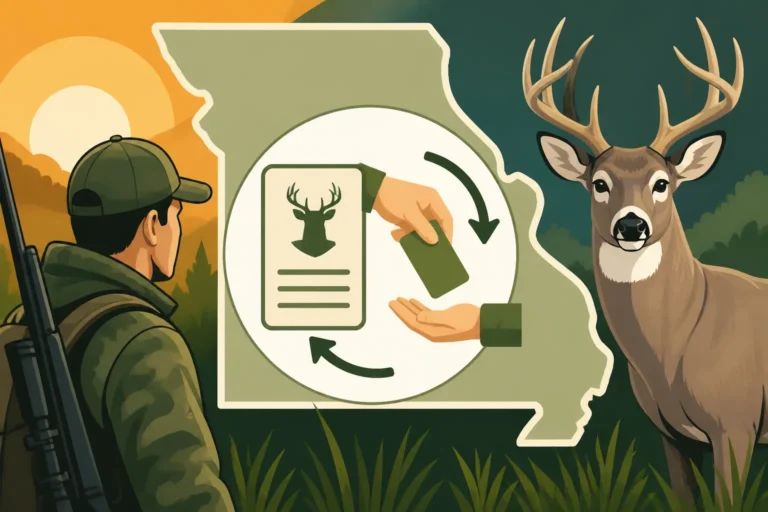
It can be incredibly frustrating to navigate the often-confusing rules and regulations when you're just trying to enjoy a day out hunting or fishing. One of the biggest hurdles many people face, especially those new to the state or with unique living situations, is truly understanding what qualifies them as a Missouri resident for permit purposes. Getting this wrong can lead to headaches, fines, and even having your hard-earned permits revoked. This guide aims to clear up all the ambiguities surrounding the Missouri Department of Conservation's definition of a resident, ensuring you know exactly where you stand and what you need to do to get the right permits.
Understanding Missouri's Legal Definition of Residency
When it comes to purchasing hunting and fishing permits, Missouri, like most states, has a very specific definition of what constitutes a "resident." It's not just about having a mailing address here or visiting frequently; it's about establishing a legal domicile with the intent to make Missouri your permanent home. This core concept is critical because it dictates whether you pay resident or non-resident fees, which can be a significant difference in cost, especially for big game permits.
The Core 30-Day Rule and Intent
At the heart of Missouri's residency definition is the requirement that you must have continuously resided in the state for at least 30 consecutive days immediately prior to applying for any resident permit. This isn't just a casual visit; it means that Missouri has become the place where you habitually sleep, keep your personal belongings, and generally conduct your daily life. The 30-day clock only starts ticking once you've physically moved here.
However, mere physical presence for 30 days isn't the whole story. The Missouri Department of Conservation (MDC) also considers your "intent." This means you must genuinely intend to make Missouri your permanent home, not just stay here temporarily to gain residency status for hunting or fishing. This intent is crucial and is often inferred from other actions you take to establish your life in the state. For instance, moving here for a new job, bringing your family, enrolling your children in local schools, or cutting ties with your previous state of residence are strong indicators of intent.
It's this combination of physical presence and declared intent that solidifies your resident status. If you've been living here for 30 days but still maintain a primary residence in another state, pay taxes there, or have not established other ties here, your claim to Missouri residency for permits could be challenged. The MDC wants to ensure that resident permits are truly going to those who have committed to living in Missouri.
What Qualifies as "Domicile"
Beyond the 30-day physical presence and expressed intent, "domicile" is about the legal and practical steps you take to integrate yourself into Missouri life. Think of it as leaving a paper trail that points unequivocally to Missouri as your home base. Simply owning a piece of property, like a hunting cabin or a rental investment, doesn't automatically grant you resident status if you don't actually live there the majority of the time. Many out-of-state landowners enjoy hunting in Missouri, but they still need to purchase a Missouri Nonresident Firearms Deer Permit Cost or other appropriate non-resident tags if they don't meet these residency requirements.
Key indicators of establishing domicile include obtaining a Missouri driver's license or state identification card, registering your vehicles in Missouri, and registering to vote in a Missouri county. These are all official acts that signify your allegiance and commitment to the state. Furthermore, if you are required to file state income taxes, filing them as a Missouri resident is another strong piece of evidence. The more of these official steps you take, the clearer your claim to residency becomes.
Utility bills in your name at a Missouri address, bank accounts opened in Missouri, and even establishing professional licenses (if applicable) within the state can all contribute to demonstrating your domicile. The MDC's goal is to prevent individuals from claiming temporary residency solely to bypass non-resident permit fees, which are often significantly higher than those for residents. When you look at resources like GoHunt to plan your season, understanding these foundational definitions ensures you're looking at the right set of regulations and costs from the start.
Special Circumstances and Common Exceptions
While the 30-day rule and proof of domicile cover most situations, life isn't always that straightforward. There are several common scenarios that often create confusion, and the MDC has specific provisions for them. It's important to be aware of these exceptions, as they can directly impact your eligibility for resident permits.
Military Personnel and Their Families
Active-duty military personnel often find themselves in a unique position due to their service. If you are active-duty military, stationed in Missouri, you are considered a resident for hunting and fishing permit purposes, regardless of your official home of record or where you were born. This is a common courtesy extended by many states to those serving our country. This also extends to your spouse and dependent children living with you in Missouri. They too can purchase resident permits.
Conversely, if you are a Missouri resident serving in the armed forces but are stationed outside of the state, you generally retain your Missouri residency. This means you can still purchase resident permits when you return home for leave or to hunt during the seasons. This provision acknowledges that military service often requires relocation, but it doesn't mean you forfeit your ties to your home state. For more detailed information on permits specific to military members, you can look into topics like Missouri Military and Disability Permits.
It's a thoughtful consideration for those who serve, ensuring that their dedication doesn't complicate their ability to enjoy the outdoors in their home or stationed state. Just be sure to carry your military ID with you as proof of service when purchasing permits or if you're ever questioned in the field.
College Students in the Show-Me State
College students are another group that frequently encounters residency questions. If you are an out-of-state student attending a college or university in Missouri, you generally do not automatically qualify as a resident for hunting and fishing permits. Attending school here is considered a temporary stay, not necessarily an establishment of permanent domicile. Your legal residence typically remains your parents' or guardians' home state, where you were living before attending college.
However, a non-resident student can establish Missouri residency if they meet the core 30-day rule and demonstrate a clear intent to make Missouri their permanent home beyond just being a student. This would involve taking concrete steps like obtaining a Missouri driver's license, registering to vote, working and paying taxes in Missouri, and demonstrating financial independence from out-of-state parents. Essentially, you'd need to prove that you've established your own independent life and domicile here.
On the other hand, if you are a Missouri resident who goes out of state for college, you retain your Missouri residency. Your temporary relocation for education doesn't sever your legal ties to your home state. So, when you come home for breaks, you'll still be able to purchase your permits as a Missouri resident. This distinction is vital for planning your hunting trips and understanding permit costs, whether you're buying a Missouri Combination Hunting and Fishing Permit or just a deer tag.
New Residents and Transitional Periods
Moving to a new state is exciting, especially if you're looking forward to hunting the local game. However, for new residents, there's a crucial waiting period before you can claim resident status for permits. You must have continuously resided in Missouri for 30 consecutive days before you can purchase a resident permit. This isn't just a suggestion; it's a hard rule. You can't just arrive on October 1st and expect to buy a resident deer tag for opening weekend of the firearms season if it falls within those 30 days. You'd need to purchase a non-resident permit until your 30-day mark is met.
This transitional period can sometimes feel like a hurdle, especially if you're eager to get into the woods. If you're still in the process of selling your previous home, living in temporary housing, or crashing with family while you house-hunt, the MDC will still look at whether you've truly established your permanent home and intent in Missouri. Having multiple forms of identification, such as a utility bill, a lease agreement, and a new Missouri driver's license, all displaying your new Missouri address, will be critical.
During this waiting period, if you still want to hunt, you'll need to purchase non-resident permits. While more expensive, it's far better than facing the penalties of falsely claiming residency. Planning ahead, especially if you're moving just before a major hunting season, can help you avoid disappointment. You can always check the specific Missouri Permit Year Dates to align your move and permit purchases.
Proving Your Missouri Residency to the MDC
Once you believe you meet Missouri's residency requirements, the next step is to be able to prove it. The Missouri Department of Conservation has a responsibility to ensure that resident permits are only issued to those who genuinely qualify, and they rely on documentation to verify your status. While permit vendors might not always ask for every single piece of proof, it's wise to have your documents in order, especially if there's any ambiguity or if you're ever questioned.
Essential Documentation You'll Need
To prove your Missouri residency, you'll generally need to present official documents that clearly link you to the state as your permanent home. The most common and widely accepted forms of proof include:
- Missouri Driver's License or State Identification Card: This is often the primary document requested. It must show a current Missouri address.
- Missouri Voter Registration Card: Registering to vote in Missouri is a strong indicator of your intent to reside here permanently.
- Missouri Vehicle Registration: If you own a vehicle, having it registered in Missouri further solidifies your claim.
- Utility Bills: Recent utility bills (electric, gas, water) in your name, showing your Missouri address, are excellent supporting documents.
- Property Tax Receipts or Lease Agreement: If you own property, tax receipts can help. If you rent, a lease agreement in your name is equally valid.
- Missouri State Income Tax Filings: Your tax records showing you've filed as a Missouri resident.
The MDC may request more than one form of identification, especially if there are inconsistencies or if your situation is complex. It's not uncommon for them to ask for two or three different documents to build a solid case for your residency. Ensure that the address on all your presented documents matches perfectly to avoid any red flags. A mismatch, even a minor one, can cause delays or raise questions about your true residency.
The Application Process and Online Verification
When it comes time to actually purchase your permits, Missouri offers several convenient options. You can head to a local permit vendor, such as a sporting goods store or bait shop. Most people, however, opt for the ease of purchasing permits online directly through the MDC website or using the official "What the MO Hunting App Does". When you purchase permits online, you typically self-certify your residency status. While the system may not immediately demand document uploads, this self-certification is made under penalty of law.
The system will often cross-reference basic information like your driver's license number with state databases. However, the onus is on you to ensure your information is accurate. Resources like GoHunt can be extremely helpful here, not just for general hunting information but also for keeping track of your specific permit types and the regulations associated with them. It’s a smart way to stay organized, especially when you're preparing for seasons like Missouri's Eleven-Day November Firearms Deer Season or planning a spring gobbler hunt.
It's important to keep in mind that even after an online purchase, the MDC retains the right to verify your residency at any point. Conservation agents in the field can also ask for proof of residency in addition to your permits. Having your physical documents (or digital copies on your phone, if acceptable) readily available is always a good practice.
What Happens if There's a Discrepancy?
If there's ever a question or discrepancy regarding your residency, the Missouri Department of Conservation takes it very seriously. Falsely claiming residency to purchase a permit is not a minor infraction. If you are found to have misrepresented your residency status, whether intentionally or unintentionally, the consequences can be severe.
First, your permits will likely be revoked, and you will be required to purchase the correct non-resident permits at the full price. Beyond that, you could face significant fines, penalties, and even criminal charges, depending on the severity of the misrepresentation and the value of the permits obtained. It could also lead to a suspension of your hunting and fishing privileges in Missouri for a period, and potentially in other states through interstate wildlife compacts. This could mean you're unable to participate in a season you've been planning for months, like Bowhunting Missouri's Four-Month Archery Season.
It's always better to err on the side of caution. If you are unsure about your residency status, contact the Missouri Department of Conservation directly. Their staff can provide clarification and guide you through the requirements. Don't rely on hearsay or assumptions when it comes to legal definitions; a quick call can save you a world of trouble and ensure your hunting experience in Missouri remains positive and legal. Make sure you understand topics like Missouri Hunter Education Requirements as well, as these are often tied to permit eligibility. When you’re looking to explore options like Missouri Lifetime Permit Options, verifying your residency is the first step.
| Document Type | Purpose | Acceptance Level (General) | Notes |
|---|---|---|---|
| Missouri Driver's License | Primary ID, proof of current MO address | High | Must be current and show MO address |
| Missouri State ID Card | Primary ID for non-drivers, proof of current MO address | High | Must be current and show MO address |
| Missouri Voter Registration | Shows intent to reside and participate in MO civics | Medium-High | Needs to match current address on other IDs |
| Missouri Vehicle Registration | Links owned vehicles to MO residence | Medium | Good supporting document, needs to match other IDs |
| Utility Bill (recent) | Confirms physical residence at a MO address | Medium | Electric, gas, water bill in your name; usually within last 30-60 days |
| Property Tax Receipt/Lease | Proof of property ownership or rental agreement in MO | Medium | Helps establish a physical address |
| Missouri State Tax Filings | Strong indicator of financial and legal residency | High (if requested) | Shows you declare MO as your tax residence |
| Military ID/Orders | For active duty military, overriding state of record | High (for military) | Accompanied by stationing orders for out-of-state home of record |
Disclaimer
Please note: The information provided in this article is for general guidance only and is not a substitute for official legal advice or the current regulations issued by the Missouri Department of Conservation (MDC). Regulations can change, and individual circumstances vary. Always consult the most recent Missouri Department of Conservation regulations, published on their official website or in their printed guides, or contact the MDC directly for the most accurate and up-to-date information regarding permits and residency requirements.