Missouri Canada Goose Growth
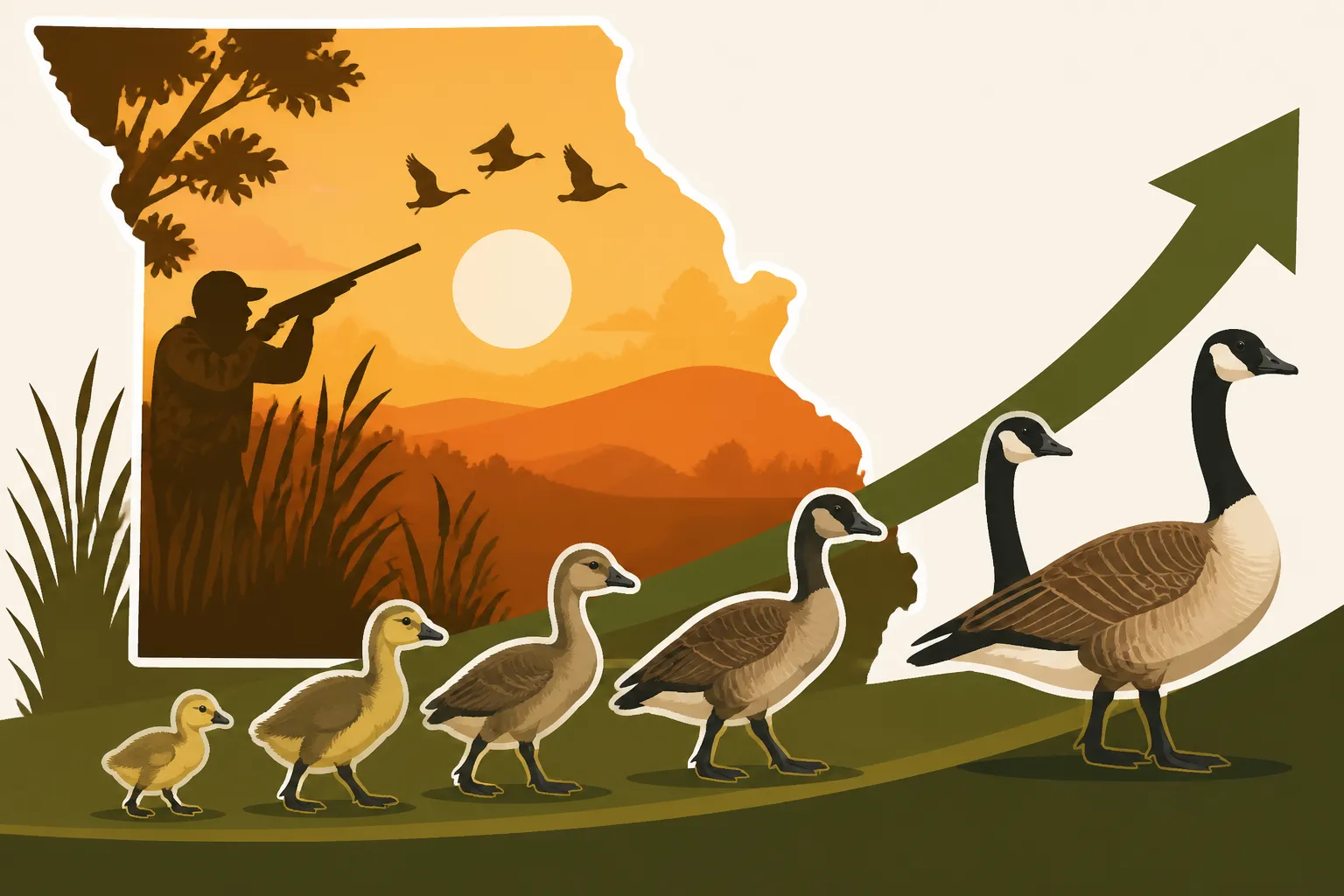
There’s no doubt that Missouri’s landscapes have changed dramatically over the last century, and with those changes, so too have our wildlife populations. One of the most striking transformations has been the incredible surge in Canada goose numbers. If you've spent any time on our lakes, rivers, or even local golf courses, you've witnessed firsthand the sheer abundance of these magnificent birds. This guide aims to unpack the story behind their growth, what it means for our ecosystem, and how hunters can navigate the opportunities and challenges presented by this thriving population.
The Comeback Story: Canada Geese in Missouri
The story of the Canada goose in Missouri isn't just about growth; it's a monumental tale of recovery and adaptation. From near disappearance to widespread abundance, these birds have demonstrated an incredible resilience, thanks in large part to dedicated conservation efforts and, perhaps surprisingly, their own ability to adapt to human-modified landscapes.
Historical Decline and Reintroduction Efforts
It might be hard to imagine now, with geese seemingly everywhere, but there was a time when the majestic Canada goose was a rare sight in Missouri. Decades ago, overhunting, coupled with significant habitat loss as wetlands were drained for agriculture, pushed many goose populations to the brink. For a while, it seemed like the booming honks and V-formations might become a thing of the past.
However, recognizing the peril, conservation agencies, including our own Missouri Department of Conservation (MDC), stepped in with ambitious reintroduction programs. These efforts often involved trapping geese from stable populations in other states and releasing them into suitable habitats across Missouri, particularly in areas with newly protected or restored wetlands. It wasn't an overnight fix; it took years of careful planning, habitat management, and strict hunting regulations to give these initial birds a fighting chance. Early on, these efforts faced numerous hurdles, as establishing viable breeding populations in new areas is always a complex undertaking.
The Shift to Resident Populations
One of the most significant, and perhaps unexpected, turns in the Canada goose comeback story was the emergence of what we now call "resident" goose populations. Historically, Canada geese were migratory, breeding in the northern parts of the continent and flying south to winter in states like Missouri. But something changed. Many of the geese released during reintroduction efforts, or their offspring, simply stopped migrating. They found everything they needed right here in Missouri: ample food, safe nesting sites, and relatively few predators in certain environments.
These resident geese gravitated towards urban and suburban areas, finding manicured lawns, golf courses, and retention ponds to be ideal. These environments offered a continuous buffet of tender grass and a relative sanctuary from hunting pressure. Unlike their migratory cousins who still brave long flights, these resident birds often live their entire lives within a relatively small geographic area, leading to rapid population growth in localized spots. This behavioral shift has been a game-changer, turning a migratory species into a year-round fixture across much of the state.
Documenting the Growth
The sheer numbers of Canada geese we see today are a testament to the success of these efforts and the birds' adaptability. While specific year-stamped figures aren't available, anyone who has spent time afield in Missouri can confirm the dramatic increase. Hunters, landowners, and even casual observers report seeing larger and more numerous flocks year after year. This isn't just anecdotal; conservation agencies conduct various surveys, like breeding bird surveys and waterfowl counts, that help track population trends.
These surveys, combined with harvest reports from hunters, paint a clear picture: Canada goose numbers have not only rebounded but have, in many areas, exceeded historical levels. The adaptability of these geese, coupled with the perfect storm of abundant food, water, and safe havens, has allowed them to colonize nearly every corner of our state. This robust growth has created both incredible hunting opportunities and, at times, management challenges, particularly in areas where goose populations become concentrated.
Understanding Resident vs. Migratory Flocks
When we talk about Canada geese in Missouri, it’s crucial to understand that we’re often dealing with two distinct groups: the truly migratory birds that pass through our state on their epic journeys, and the resident birds that call Missouri home year-round. While they might look similar, their behaviors, habitats, and the way we hunt them can be quite different.
Distinct Behaviors and Habitats
Migratory Canada geese are the classic image of waterfowl, flying in V-formations high overhead, driven by ancient instincts to move between distant breeding grounds and wintering areas. When they arrive in Missouri, usually during the fall and spring migrations, they tend to concentrate on major river systems like the Missouri and Mississippi, and large, well-managed wetland areas. They are often more wary, having traveled long distances and encountered hunting pressure along their route. These birds are looking for large bodies of water for security and expansive agricultural fields to fuel their journey.
Resident geese, on the other hand, are often seen on smaller ponds, suburban parks, golf courses, and even in many of the same agricultural fields year-round. They establish local territories for nesting and tend to be less migratory, sometimes moving only a few miles between a safe roosting pond and a feeding field. Because they spend so much time in close proximity to humans, they can become quite accustomed to human activity, though they can also be incredibly challenging to hunt dueating to constant low-level pressure. Their daily routines are much more localized and predictable, often involving short flights between loafing areas and food sources.
Hunting Different Populations
Understanding the differences between these two populations is key to successful goose hunting in Missouri. Hunting migratory birds often involves setting up large decoy spreads in agricultural fields that lie along traditional flight paths between major refuges and feeding areas. This means extensive scouting and being in tune with broader migration patterns. You might be targeting larger, more transient flocks that are just passing through. Strategies like big spreads, flagging, and aggressive calling are often employed to draw in these high-flying birds.
For resident geese, the approach can be a bit different. While field hunting with decoys is still highly effective, especially for birds using a specific corn or bean field, you might also find success with tactics like jump shooting smaller, isolated ponds where family groups are loafing. Since resident birds are often found closer to developed areas, finding legal hunting access can sometimes be more challenging, requiring careful attention to local ordinances and property boundaries. However, once you find a consistent feeding pattern for a resident flock, the hunting can be incredibly consistent. Tools like GoHunt can be invaluable for pinpointing specific property lines and scouting potential access points, whether on private land or lesser-known public areas.
Management Implications for Both
The distinction between resident and migratory geese isn't just academic; it has significant implications for how these populations are managed. Migratory goose populations are managed through complex agreements between states and even international treaties, considering the health of the entire flyway population. Hunting seasons and bag limits for these birds are often set to ensure their long-term sustainability across their vast range.
Resident goose populations, however, are often managed more locally. In many areas, their numbers are so high that they cause agricultural damage, aesthetic problems in urban parks, and even pose risks at airports. Therefore, management strategies for resident geese often include longer hunting seasons, more liberal bag limits, and even special early seasons designed to target these localized, non-migratory birds. The goal is often population control rather than simply harvest management. This means hunters play a crucial role in maintaining ecological balance and mitigating conflicts with humans, especially in high-density areas. These varied approaches ensure that both the broader continental population and localized groups are managed effectively.
Habitat and Food: Why Geese Thrive Here
Missouri offers a veritable smorgasbord and a five-star resort experience for Canada geese, which explains their remarkable population boom. It’s a combination of abundant, high-quality food, safe nesting areas, and plenty of water that makes our state a goose paradise, especially for the resident populations that have decided to call Missouri home permanently.
Abundance of Agricultural Fields
One of the primary drivers behind the thriving goose population, particularly in North Missouri's big-buck farm country, is the sheer abundance of agricultural crops. Fields of corn, soybeans, and winter wheat stretch for miles, providing an almost limitless food source. After harvest, these fields are often littered with waste grain—leftover kernels of corn or soybeans, or tender green shoots of winter wheat—which are highly nutritious and easily accessible for geese.
Think about it: a goose can spend an entire day in a freshly cut cornfield, gorging itself on dropped kernels, building up energy reserves with minimal effort. This easy access to high-calorie food means healthier birds, stronger breeding pairs, and higher survival rates for young goslings. Even when fields are not actively being harvested, the emerging shoots of winter wheat in the fall and spring provide a continuous green buffet. This agricultural bounty effectively extends their feeding season and reduces the energy expenditure needed to find food, allowing more birds to survive and reproduce.
Urban and Suburban Green Spaces
While agricultural fields are vital, it's the proliferation of urban and suburban green spaces that has truly cemented the resident goose population's success. Golf courses, city parks, corporate campuses, and even residential lawns offer a unique combination of year-round forage and safety. These areas often feature meticulously manicured turf grass, which is essentially a giant salad bar for geese. The grass is kept short and tender, making it easy to digest and full of nutrients.
More importantly, these urban environments often provide a sanctuary from hunting pressure. While hunting is permitted in designated areas, many city limits and private properties within urban zones restrict firearms discharge, creating de facto refuges where geese can live relatively undisturbed. Coupled with retention ponds and decorative water features that offer safe loafing and nesting sites, these areas become ideal breeding grounds where goslings can grow without significant natural predation from coyotes or other threats commonly found in more rural settings. This combination allows local flocks to grow exponentially with very little impediment.
Water Resources and Nesting Sites
Beyond food, access to ample water is non-negotiable for Canada geese, and Missouri delivers this in spades. From the smallest farm ponds and suburban retention basins to the vast expanses of the Missouri and Mississippi Rivers, and numerous managed wetlands, there’s no shortage of aquatic habitat. These water bodies serve multiple critical functions for geese throughout their life cycle.
They provide safety from land-based predators, offering a quick escape route when danger approaches. Geese will often roost on open water at night, using it as a natural barrier. During the day, they use water for loafing, preening, and drinking. Crucially, water edges, small islands, and even floating platforms in ponds offer ideal nesting sites. The water protects eggs and young goslings from many predators, giving them a vital head start. The proliferation of small impoundments and ponds, created for livestock or development, has inadvertently provided countless new nesting and rearing habitats across the state, further fueling the widespread distribution and growth of Canada geese.
Hunting Opportunities and Challenges
With the robust growth of Canada goose populations in Missouri, hunters are presented with an array of opportunities. However, this abundance also comes with its own set of challenges, requiring adaptable strategies and a keen understanding of goose behavior. It's not always as simple as setting out a few decoys and waiting for the show.
Field Hunting Strategies for Geese
For many hunters, the quintessential goose hunting experience involves field hunting. This strategy capitalizes on the geese's preference for feeding in large agricultural fields, especially those with waste grain after corn or soybean harvest. Success here hinges on meticulous scouting. You need to identify exactly which field the geese are using, and ideally, their specific flight paths and preferred landing zones within that field. This often means driving around at dawn and dusk, watching where the birds feed, and noting their entry and exit points.
Once you've found an active field, setting up a realistic decoy spread is paramount. A good spread mimics a flock of contented geese feeding and loafing. This usually involves a mix of full-body decoys, shells, and sometimes even silhouette decoys. Hunters often use layout blinds, which allow them to lie concealed directly within the field, blending in perfectly with the stubble or cover. Effective calling—using a variety of honks, clucks, and moans to simulate a natural conversation—is crucial for finishing birds the last few yards. Many hunters also use flags, which are fabric goose wings on a stick, to mimic a landing bird and draw attention from distant flocks. For finding permission on private fields or identifying accessible public areas, the mapping features of platforms like GoHunt can be incredibly useful, showing land ownership and contours that might hold geese. For more specifics, checking out "Missouri Flooded Timber Duck Tactics" might offer some transferable insights into scouting water-based birds, while "Setting a Goose Spread in Cut Corn" directly addresses effective decoy strategies for field hunting.
Jump Shooting and Water Hunting
While field hunting gets a lot of attention, jump shooting and hunting over water can be highly effective, especially for targeting resident geese or smaller, scattered flocks. Jump shooting typically involves walking up on smaller, isolated ponds or sloughs where geese are resting or feeding. It requires stealth, knowing the terrain, and often a bit of luck to catch the birds by surprise. This method can be particularly productive on private farm ponds where geese feel secure.
Hunting over water, often in conjunction with duck hunting, involves setting up on river sandbars, large lakes, or managed wetlands. Geese will use these water bodies for loafing, drinking, and security, flying out to feed in nearby fields. Placing goose decoys in a separate spread from duck decoys, or in distinct zones, can be effective. Concealment is still key, whether it's building a temporary blind from natural vegetation on a sandbar or utilizing a permanent blind on a wetland. Understanding the specific regulations for "Missouri Goose and Snow Goose Seasons" is crucial for planning any of these hunts, as season dates and bag limits can vary. Also, remember that "Nontoxic Shot Rules on Missouri Wetlands" apply to all waterfowl hunting, including geese.
Dealing with Wary Birds and Pressure
Missouri geese, especially resident populations, can become incredibly wary due to constant exposure to human activity and hunting pressure. They learn quickly, remembering past encounters and becoming adept at identifying anything that looks out of place. This means hunters need to be exceptionally disciplined with their concealment, calling, and decoy spreads. A spread that worked perfectly on opening day might be ignored a week later if the birds have been shot at repeatedly.
Adaptation is the name of the game. This could mean changing your decoy spread's configuration, using fewer decoys for smaller, more natural-looking setups, or rotating hunting locations frequently to avoid over-pressuring a single area. Paying attention to the wind direction is always critical, as geese will almost always land into the wind. Furthermore, silence can sometimes be golden; over-calling can spook wary birds. If you're hunting public land, expect competition and plan to get there early. Patience, persistence, and a willingness to learn from each hunt are vital when chasing these intelligent and often challenging birds. Leveraging tools like GoHunt to identify low-pressure areas or access points where other hunters might not venture can give you an edge.
Managing the Growing Goose Population
The success story of Canada geese in Missouri isn't without its complexities. While abundant wildlife is generally a positive, an unchecked population can lead to issues, particularly with resident geese. Therefore, active management strategies are crucial to balance their numbers with ecological health and human interests.
Conservation Order and Extended Seasons
One of the most significant tools in managing abundant waterfowl populations is the use of conservation orders and extended seasons. Many hunters are familiar with the Light Goose Conservation Order, which allows for expanded hunting opportunities for snow, blue, and Ross's geese to address their massive, ecologically damaging populations. While Canada geese haven't reached that same level of overpopulation across the entire continent, local populations, particularly resident Canada geese, can become problematic.
To address these localized issues, Missouri, like many states, implements special early seasons for Canada geese, often occurring before the main duck and goose seasons. These early seasons are specifically designed to target resident birds, which typically haven't been subjected to hunting pressure yet and are often concentrated in accessible areas. They offer liberal bag limits and relaxed shooting hours, providing an effective means for hunters to help control local numbers. These special seasons are vital for reducing agricultural damage and nuisance issues in urban areas, and they provide additional valuable hunting opportunities. Learning more about "Missouri's Light Goose Conservation Order" can provide a good comparison for how these aggressive management strategies work.
Public Land Access and Regulations
Hunting Canada geese on Missouri's public lands presents both opportunities and challenges. Our state offers numerous Conservation Areas and managed wetlands that attract both migratory and resident geese. These areas, particularly the large wetland complexes managed by the MDC, can provide incredible hunting experiences. However, public land often comes with specific rules and regulations designed to manage pressure and ensure safety.
Hunters must be diligent in checking area-specific regulations, which can cover everything from blind construction and use of decoys to shot type restrictions and daily entry/exit procedures. Some managed wetlands utilize a draw system, where hunters must apply or show up early for a chance at a hunting spot. "Managed Hunt Draws on Missouri Wetlands" explains this process in detail. Additionally, "Missouri Wetland Acres Managed for Ducks" highlights the extensive habitat available. It's also critical to have your "Missouri HIP Registration for Migratory Birds" squared away, as it's a federal requirement for hunting any migratory birds, including geese. While public land offers democratic access, it often requires more planning, scouting (where permitted), and a willingness to adapt to varying conditions and hunter traffic.
Landowner Engagement and Damage Control
For many landowners, especially farmers, a burgeoning resident goose population can be more of a nuisance than a wonder. Large flocks of geese feeding in winter wheat fields or newly planted crops can cause significant economic damage. This situation, while frustrating for landowners, often creates valuable hunting access opportunities for responsible hunters. By offering to help manage nuisance geese, hunters can build relationships with private landowners and gain access to properties that might otherwise be off-limits.
Approaching landowners with an offer to help with "damage control" rather than just "hunting" can open doors. Emphasize that your goal is to help disperse birds and reduce their impact on crops. This might involve hunting specific problem fields, focusing on early seasons, or coordinating efforts to maximize effectiveness. Understanding the basic "Missouri Landowner Permit Eligibility" can also be beneficial if you are a landowner or are working with one who needs to understand their own options. This collaborative approach benefits both the landowner, who gets some relief from goose damage, and the hunter, who gains access to potentially unpressured birds. It's a win-win scenario that fosters good stewardship and community relations in the hunting world.
Ethical Hunting and Conservation
As hunters, our role extends far beyond just harvesting game. We are vital conservationists, and upholding ethical practices is paramount, especially when dealing with a thriving species like the Canada goose in Missouri. Our actions reflect on the entire hunting community and contribute to the long-term health of wildlife populations.
Responsible Harvest and Bag Limits
The generous bag limits and extended seasons for Canada geese, particularly resident birds, might tempt some to push the boundaries, but responsible harvest is always key. It’s not about how many birds you can take, but about taking what you can ethically utilize and respecting the resource. Always know and adhere strictly to the daily and possession limits set by the Missouri Department of Conservation for "Missouri Goose and Snow Goose Seasons". These limits are established through scientific research to ensure the sustainability of the population.
Responsible harvest also means focusing on clean kills and efficient recovery. Using appropriate ammunition, practicing with your shotgun, and understanding the effective range of your chosen load are crucial. Crippled birds that are not recovered are a wasted resource. It's important to recognize when birds are too far out for a clean shot and to resist the urge to "sky bust." Ethical hunting is about making clean, decisive shots and making every effort to recover every bird. This respect for the game is a hallmark of true sportsmanship.
Respecting Landowners and Property
A significant portion of goose hunting in Missouri occurs on private land, making landowner relations incredibly important. Always obtain explicit permission before entering any private property, even if you believe it to be unposted or unfenced. "Do You Need Written Permission in Missouri?" is a crucial question to answer for yourself. A simple "yes" is a good policy. Treat the landowner's property as if it were your own, or even better. This includes closing gates, avoiding driving on wet fields, picking up all spent shells and trash, and being mindful of livestock and structures.
Leave the area cleaner than you found it. A small gesture, like sharing some processed goose meat or offering to help with a chore, can go a long way in building goodwill and ensuring future access. Remember that hunters often act as ambassadors for the entire hunting community, and a negative interaction can impact access for everyone. By being respectful and responsible, you not only ensure your own hunting opportunities but also help maintain a positive image of hunting in the eyes of the public and private landowners.
Advocating for Habitat and Public Access
Beyond individual hunting ethics, being a conservationist means actively advocating for the wild places that support not only geese but all of Missouri’s diverse wildlife. This includes supporting organizations that work to protect and restore wetland habitats, promoting sound agricultural practices that leave waste grain, and participating in conservation programs. Your permit dollars directly fund these efforts, but active engagement amplifies that support.
Furthermore, advocating for public access and responsible land management ensures that future generations will have places to hunt and experience nature. This might involve attending public meetings, contacting elected officials, or simply sharing your passion for the outdoors with others. Educating non-hunters about the role hunters play in conservation helps build understanding and support. Whether it's the broad context of "Public Hunting Land in Missouri" or the specific management of "Missouri Conservation Areas Explained", every bit of support helps ensure that the amazing comeback story of the Canada goose, and all our wildlife, continues for years to come.
| Characteristic | Resident Canada Geese | Migratory Canada Geese |
|---|---|---|
| Habitat Focus | Suburban parks, golf courses, retention ponds, smaller farm ponds, year-round agricultural fields. | Major rivers (Missouri, Mississippi), large managed wetlands (e.g., Squaw Creek, Swan Lake), vast agricultural fields, transient use of smaller water bodies during migration. |
| Migration | Non-migratory, often staying within a few miles of breeding/hatching grounds year-round. | Follow traditional flyways, move between northern breeding grounds and southern wintering areas, passing through Missouri in fall and spring. |
| Diet | Primarily grass (manicured lawns), waste grain (corn, beans), aquatic vegetation. | Waste grain (corn, beans), emergent aquatic vegetation, tender shoots of winter wheat. |
| Waryness | Can be highly wary due to constant human presence and local hunting pressure, or surprisingly docile in protected urban areas. | Generally wary due to long journeys and cumulative hunting pressure encountered along flyway. |
| Hunting Season | Targeted by special early seasons with liberal bag limits, often before regular waterfowl seasons, plus regular seasons. | Primarily hunted during regular fall/winter waterfowl seasons, often with more conservative limits. |
| Typical Hunt | Field hunting with decoys, jump shooting small ponds, ambushing flight lines between local roosts and feeding areas. | Large field decoy spreads on primary flight paths, large water body setups, often requires more decoys and aggressive calling. |
Disclaimer
This article is for general informational purposes only and does not constitute professional advice. Laws, prices and regulations vary by location and change over time. Consult a qualified professional for guidance on your specific situation.