Where the Missouri Elk Came From
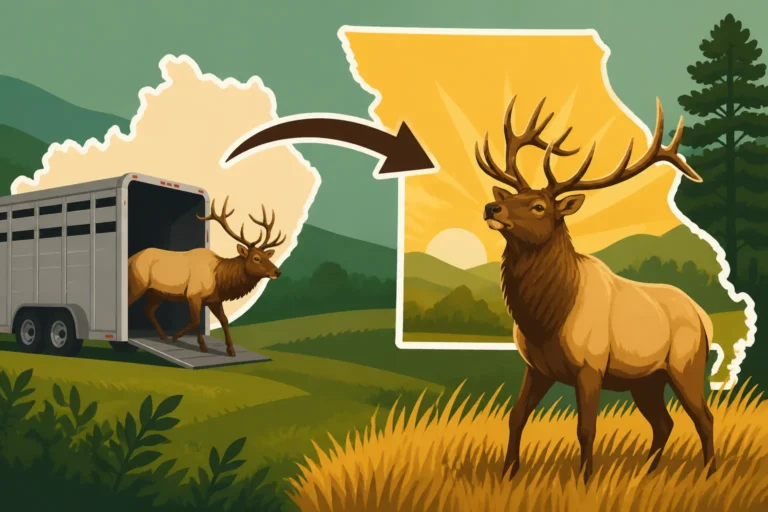
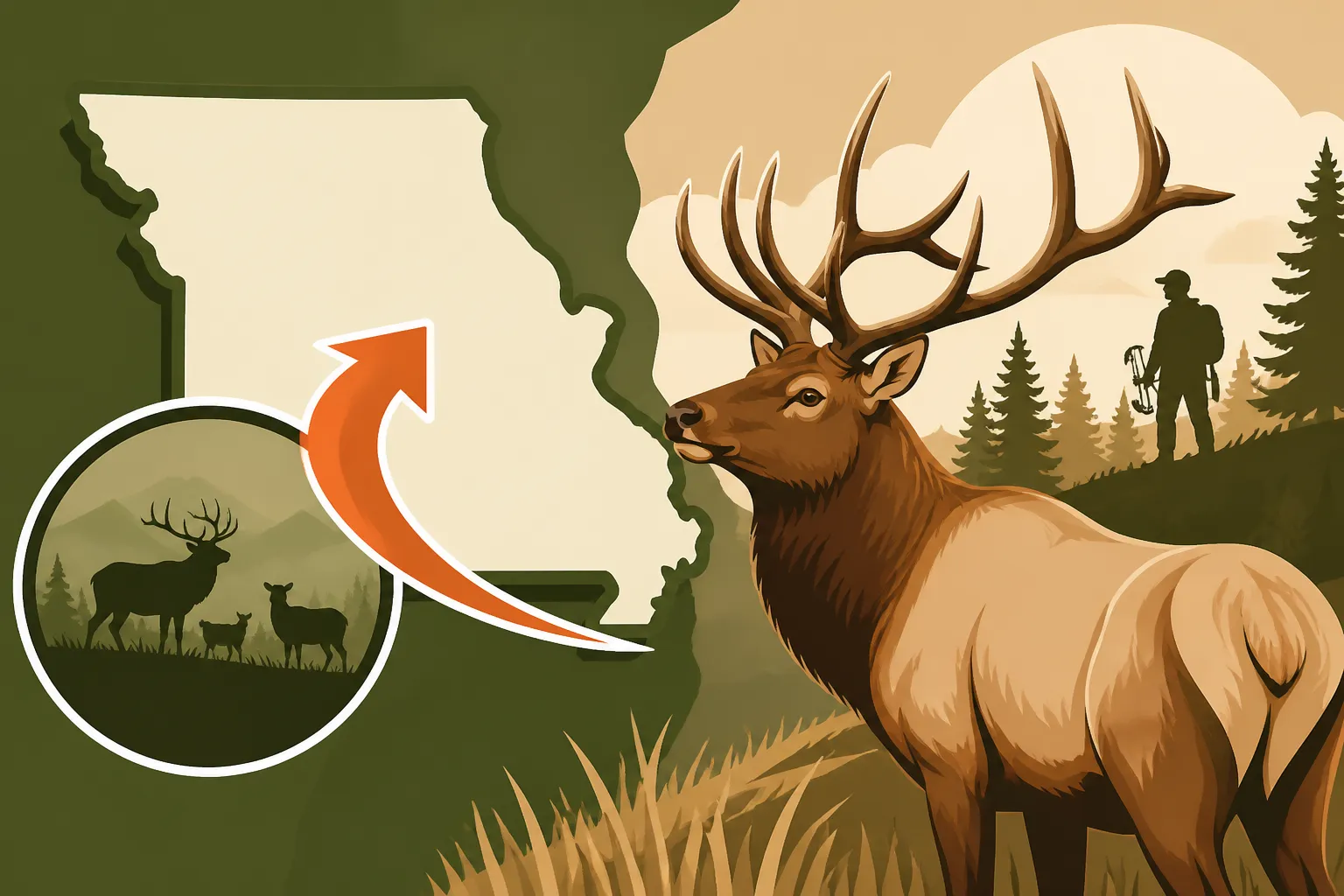
If you've ever stood on a ridge in the Missouri Ozarks and heard the faint bugle of an elk, you might wonder how these magnificent animals came to call our state home once again. For many, the idea of elk roaming Missouri is still a relatively new and exciting development, making their origins a bit of a mystery. This guide aims to pull back the curtain on that journey, exploring the historical absence of elk in Missouri and detailing the incredible conservation efforts that led to their successful reintroduction from a neighboring state.
The Vanished Past: Elk in Historic Missouri
It’s easy to assume elk are a new phenomenon in Missouri, given their absence for so many generations. However, these impressive creatures were once an integral part of Missouri's diverse wildlife landscape, playing a significant role in the ecosystems of the pre-settlement era. Understanding their historical presence helps us appreciate the monumental effort it took to bring them back.
Early Missouri's Majestic Residents
Long before European settlers arrived, Missouri was home to a thriving population of Eastern elk (Cervus canadensis canadensis). These native elk roamed vast stretches of the state, from the open prairies of the north to the dense forests and glades of the Ozarks. Imagine early travelers, explorers, and indigenous peoples encountering herds of these majestic animals. They were a significant food source for Native American tribes and an important part of the natural balance. Their presence shaped the landscape, grazing on grasses and browsing on woody vegetation, creating openings and influencing forest regeneration. The Missouri River bottomlands and the rich timbered hills provided ideal habitat, offering both forage and cover.
The Causes of Decline
Sadly, the story of elk in Missouri took a dark turn with the arrival of European settlers and the rapid development of the frontier. A combination of factors led to their eventual disappearance. Unregulated market hunting, driven by demand for meat, hides, and antlers, took a massive toll. Hunters could kill animals without limit, and the efficiency of new firearms meant entire herds could be decimated quickly. This was compounded by widespread habitat destruction. As settlers cleared forests for agriculture, built towns, and expanded their livestock operations, the vast, unbroken tracts of wilderness that elk needed to thrive began to shrink and fragment. By the late 1800s, Missouri’s native elk population was completely extirpated. The last known wild elk in Missouri was believed to have been killed around 1865, leaving a void in our state’s wildlife heritage that would last for over a century.
A Bold Plan: The Kentucky Connection
Bringing back a species that has been absent for over 150 years is no small feat. It requires meticulous planning, significant resources, and a strong partnership. For Missouri, the idea of elk reintroduction simmered for decades, driven by a vision to restore a piece of our wild heritage. The successful comeback story begins with a truly remarkable collaboration.
The Reintroduction Initiative
The dream of bringing elk back to Missouri began to take serious shape in the early 2000s. The Missouri Department of Conservation (MDC) recognized the ecological and cultural value that a restored elk population would bring. Years of research and public input went into developing a comprehensive reintroduction plan. This wasn't just about releasing animals; it was about ensuring they would have suitable habitat, minimal conflicts with humans, and the best chance for long-term survival. The MDC carefully evaluated potential release sites, focusing on areas with large blocks of public land, diverse forage, and low human population density, primarily within the Missouri Ozarks. Public meetings were held to address concerns from landowners and local communities, fostering support for the initiative. The goal was to establish a self-sustaining, free-ranging elk herd that would contribute to Missouri's biodiversity and provide unique viewing opportunities.
Kentucky's Role as a Donor State
Once the plan was approved, the next critical step was finding a source herd. Missouri needed healthy, wild-trapped elk that were genetically robust and accustomed to forest environments. This is where Kentucky stepped in as an invaluable partner. Kentucky had itself undertaken a highly successful elk reintroduction program in the late 1990s and early 2000s, bringing elk back from Western states. By the 2010s, Kentucky's elk herd was thriving and strong enough to serve as a donor population for other states looking to restore their own.
The process of sourcing these animals was a monumental logistical challenge. MDC staff traveled to Kentucky, working closely with the Kentucky Department of Fish and Wildlife Resources. Elk were captured using specialized darting techniques or corrals, then underwent thorough health screenings, including testing for diseases like Chronic Wasting Disease (CWD), to ensure only healthy animals were transported. Each elk was fitted with a GPS collar for tracking, providing vital data once released in Missouri. These efforts required precision and careful coordination, involving veterinarians, biologists, and transport specialists. Without Kentucky's generous assistance and the expertise gained from their own reintroduction success, Missouri's elk restoration project might not have been possible. Companies like GoHunt, while primarily a hunting application, offer resources that can help researchers and conservationists analyze habitat potential and movement patterns, which are crucial for such large-scale projects.
New Beginnings: Establishment and Growth
The journey from a Kentucky forest to the rugged hills of the Missouri Ozarks was just the beginning. The real challenge lay in ensuring these animals not only survived but thrived and began to reproduce, establishing a truly wild and self-sustaining herd. It's a testament to careful planning and dedicated effort that this vision became a reality.
Initial Releases and Adaptation
Between 2011 and 2013, the Missouri Department of Conservation released a total of 108 wild elk, primarily on Peck Ranch Conservation Area in Shannon County, a vast, remote tract of public land in the southeastern Ozarks. This area was chosen specifically for its extensive forested habitat, open glades, and limited road access, providing the elk with the seclusion and resources they needed to adapt. When Elk Came Back to Missouri and How Many Animals Were Released highlight these crucial initial steps. The first few months after release were critical. Biologists closely monitored the elk using their GPS collars, tracking their movements, assessing their health, and observing their behavior. It wasn't always smooth sailing; some elk explored widely, testing the boundaries of their new home, while others settled quickly into the dense cover. Predators like coyotes and black bears are present in the Ozarks, and while they rarely pose a significant threat to adult elk, calves can be vulnerable. The MDC team worked diligently to address any issues, ensuring the animals had the best possible chance to establish themselves. Slowly but surely, the elk began to acclimate, forming new herds and finding their preferred feeding and bedding areas.
Monitoring and Management Efforts
The work didn't stop once the elk were released. The MDC implemented a robust long-term monitoring and management plan to ensure the herd's continued success. This includes annual surveys to estimate population size and composition, tracking calving success, and studying habitat use. Disease monitoring, particularly for CWD, remains a high priority, with samples collected from any deceased elk. This proactive approach helps manage potential threats and guides management decisions. The data collected helps biologists understand how the herd is utilizing the landscape, what challenges they face, and how best to support their growth. Continuous evaluation ensures that the management strategies adapt to the evolving needs of the elk and the environment. This ongoing dedication is vital for the health and expansion of the herd, allowing more people to experience Watching Elk at Peck Ranch and other areas. GoHunt, for instance, provides valuable tools for hunters and conservationists to understand wildlife behavior and land characteristics, aiding in better management practices.
Living Wild: Where Missouri Elk Roam Today
From a mere 108 individuals, Missouri's elk herd has steadily grown, a true conservation success story. Today, these majestic animals are not just surviving; they are thriving, reclaiming their place in the wild landscapes of the Show-Me State.
Current Range and Habitat
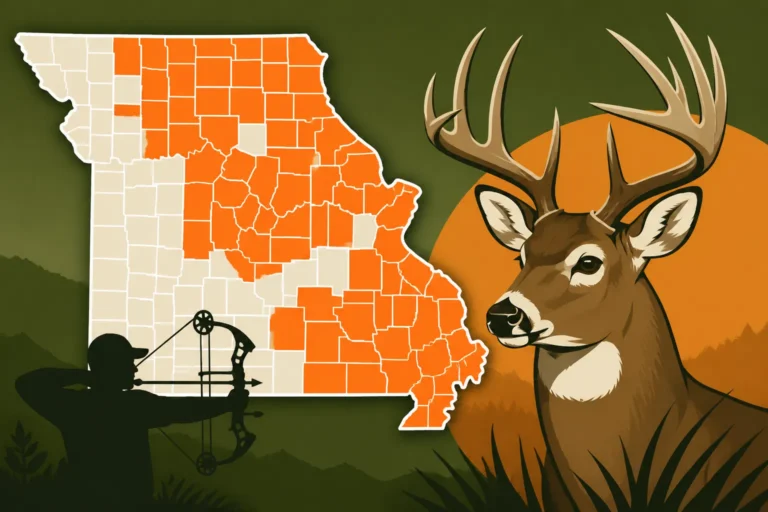
The primary elk population in Missouri remains centered around the original release zone, encompassing parts of Shannon, Carter, Reynolds, and Dent counties. This core area, often referred to as Peck Ranch and Missouri Elk Country, includes the Peck Ranch Conservation Area, the Roger Pryor Pioneer Backcountry, and surrounding private lands. The habitat here is a mosaic of open glades, dense oak-hickory forests, pine plantations, and clearings created by past logging or prescribed burns. This diverse landscape provides everything an elk needs: abundant forage in the glades and clearings, thick cover for bedding and calving in the forests, and numerous water sources.
While the core population stays within this region, individual elk, particularly young bulls, can roam widely in search of new territory or mates. These wanderers have occasionally been sighted far outside the established range, sometimes traveling hundreds of miles. However, the sustainable breeding population is concentrated in the southeastern Ozarks. Missouri Elk Range by County gives a clearer picture of where these animals are most commonly found. The MDC continues to study these movements to better understand potential range expansion and conflict points.
Public Viewing Opportunities
For many Missourians, the return of elk offers a unique opportunity for wildlife viewing. While these are wild animals and sightings are never guaranteed, the Peck Ranch Conservation Area is the best place to try your luck. The MDC has established designated viewing areas and tours during certain times of the year, particularly during the fall rut when bulls are bugling, or in spring when cows are calving and calves are often seen. Early morning and late evening are typically the most productive times for viewing when elk are most active. Respecting wildlife viewing etiquette, such as maintaining a safe distance and not disturbing the animals, is crucial. This is a chance for people to connect with a restored piece of Missouri's natural heritage and witness the beauty of a species brought back from the brink. Knowing the habits of elk, as one might learn from platforms like GoHunt that provide species insights, can certainly increase your chances of a successful sighting.
The Future of Missouri's Elk
The future of Missouri's elk herd looks bright. The population is stable and growing, allowing the MDC to implement limited, highly regulated hunting opportunities through a Missouri's Resident-Only Elk Lottery. This controlled harvest helps manage herd health and population growth, ensuring a balance with habitat capacity and reducing potential conflicts with landowners, such as Elk Crop Damage in Missouri. The carefully managed hunt has become a highly anticipated event for resident hunters, giving a select few the incredible opportunity to pursue these animals. As the herd continues to expand, there's always the possibility of natural dispersal into new areas, potentially leading to additional viewing and even hunting opportunities in other parts of the Ozarks. The ongoing success of this reintroduction stands as a beacon of what dedicated conservation efforts can achieve, reminding us of the wild beauty that can be restored with vision and hard work.
Missouri Elk Reintroduction: Key Facts
| Feature | Detail |
|---|---|
| Original Habitat | Prairies and forests across much of Missouri |
| Extirpation Date | Circa 1865 |
| Reintroduction Start | 2011 |
| Donor State | Kentucky |
| Total Elk Released | 108 (between 2011-2013) |
| Primary Release Site | Peck Ranch Conservation Area (Shannon County) |
| Current Core Range | Parts of Shannon, Carter, Reynolds, and Dent counties |
| First Hunt | 2020 |
| Permit Type | Resident-only lottery draw |
This table provides a quick overview of the incredible journey Missouri's elk have taken, from historical absence to their thriving presence today.
Disclaimer
This article is for general informational purposes only and does not constitute professional advice. Laws, prices and regulations vary by location and change over time. Consult a qualified professional for guidance on your specific situation.