Missouri Dove Harvest Numbers
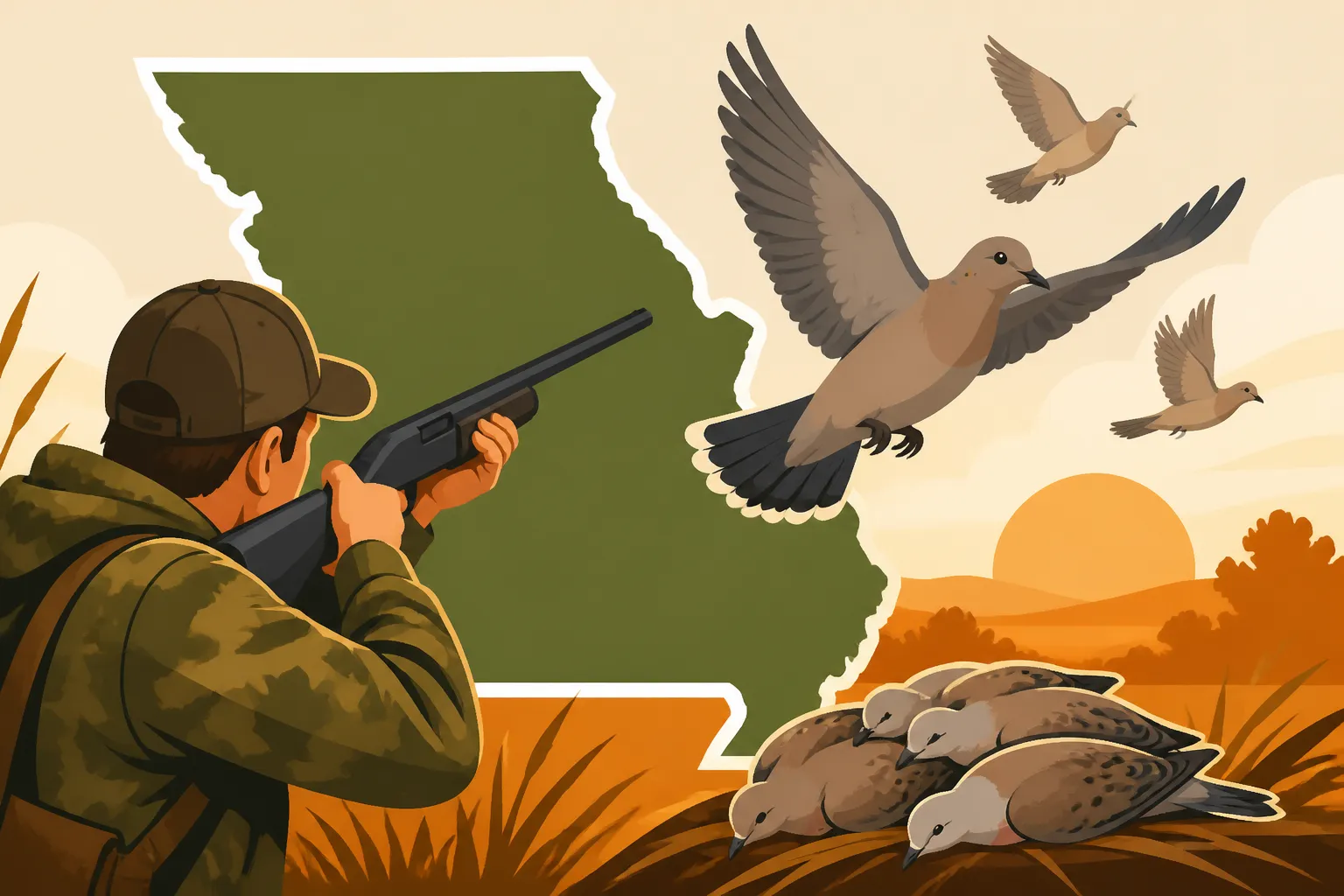
It's easy to wonder if putting in the effort for a dove hunt in Missouri is really going to pay off, especially when you're looking at flight after flight of what seems like just a few birds. We've all been there, wondering if the state's dove population is really robust enough to justify the early morning drive and setting up in the sweltering September heat. This guide dives deep into Missouri's dove harvest numbers, breaking down what these figures truly mean for your hunting experience and how you can use this knowledge to maximize your success this season.
The Bigger Picture: Understanding Missouri's Dove Population
Before we even talk about how many doves are harvested, it’s crucial to understand the overall health of Missouri's dove population. Doves, particularly Mourning Doves, are one of the most widespread game birds in North America, and Missouri is a significant stop on their migratory route, as well as a key breeding ground. The Missouri Department of Conservation (MDC) constantly monitors these populations through various surveys, including banding efforts and call-count routes, to ensure sustainable hunting opportunities. These aren't just arbitrary numbers; they are vital pieces of a much larger puzzle that tell us how the birds are doing from year to year.
Missouri hunters often express concern when they see fewer birds than they remember from "the good old days." It’s a common sentiment among those who have been chasing doves for decades, and it's completely valid to feel that way. However, it's important to differentiate between local fluctuations caused by weather or habitat changes and a true decline in the overall population. Sometimes, a field that was hot one year might be cold the next, not because doves are gone from the state, but because conditions shifted. The aggregate data helps paint a more accurate picture than what any one hunter might experience in a single field on a single day.
Habitat availability is a huge driver of dove numbers. While doves are incredibly adaptable, they still need specific conditions for nesting and feeding. Agricultural practices, urban expansion, and even localized weather patterns like severe storms during nesting season can impact success locally. The MDC works to provide and improve dove habitat on public lands, often planting sunflower or millet fields specifically for these birds, which directly influences where hunters might find them. Understanding these management efforts can give you a better idea of why some areas consistently produce, while others might be more hit-or-miss.
Deciphering Annual Dove Harvest Trends
Looking at the statewide dove harvest numbers can sometimes feel like trying to read tea leaves. The figures tell a story, but you have to know how to interpret the chapters. Annually, Missouri hunters take hundreds of thousands of doves, primarily Mourning Doves, during the season. These numbers fluctuate from year to year, and these fluctuations are influenced by a complex interplay of factors like nesting success earlier in the spring and summer, migratory patterns driven by weather fronts, and hunter effort. A "good" year might see a higher overall harvest, while a "down" year could reflect poor hatches or doves moving through quickly due to unusual weather.
What do these trends mean for you, the individual hunter? They help set expectations. If the statewide numbers are up, it might mean there's a stronger general population, increasing your odds wherever you hunt. If they're down, it doesn't necessarily mean there are no doves, but perhaps you might need to scout harder or be more strategic in your approach. It’s also worth noting that the total harvest isn't just about the sheer number of birds; it's also about the number of hunters participating and the average number of birds harvested per hunter.
Here's a simplified look at how these numbers might appear over a period, demonstrating the kind of fluctuations you can expect. Keep in mind, these are illustrative and not real-time figures, but they reflect the dynamic nature of dove populations.
| Year Group | Average Annual Harvest (Estimates) | Average Hunters Participating | Average Birds Per Hunter |
|---|---|---|---|
| Recent 5-Year | 300,000 – 450,000 | 15,000 – 20,000 | 18 – 25 |
| Past Decade | 250,000 – 400,000 | 12,000 – 18,000 | 15 – 22 |
| Earlier Era | 350,000 – 500,000 | 18,000 – 25,000 | 20 – 28 |
Note: These figures are illustrative and reflect general trends rather than current, specific data points.
These trends don't just happen in a vacuum. A very wet spring might hurt nesting success, leading to fewer young birds migrating south in the fall. Conversely, a mild, dry spring could result in a booming hatch. When Mourning Dove Migration Timing is impacted by an early cold front, birds might push through Missouri faster, leading to a shorter window of opportunity for hunters. Understanding these underlying biological and environmental factors helps explain why the numbers move the way they do, which is far more useful than just knowing the number itself.
Key Factors Influencing Your Personal Dove Harvest Success
While statewide harvest numbers provide a useful overview, your personal success in the dove field depends on several direct, actionable factors. It's not just about the total birds in the state; it's about connecting with them where you are, when you are. The frustrations of seeing empty skies when you were expecting swarms of birds are real, and often, it comes down to being in the right place at the right time with the right setup.
One of the biggest factors is scouting. You simply cannot overstate its importance for dove hunting. Doves are creatures of habit, often flying specific routes between roosting areas, feeding fields, and water sources. A good scout will identify active fields, look for signs of feeding (like empty sunflower seed hulls or millet patches), and observe flight paths. Tools like GoHunt can be incredibly helpful here, allowing you to scout satellite imagery from home, pinpointing potential Sunflower Fields on Missouri Conservation Areas or other agricultural fields that might attract doves. Then, boots on the ground confirm those suspicions. Timing your hunt with observed flight patterns is critical.
Weather also plays a massive role. Doves are highly sensitive to weather changes. A strong cold front pushing through can trigger a mass migration, emptying fields that were full just days before. Conversely, stable, warm weather might keep local birds around longer. Wind can also affect flight patterns, pushing birds lower or into more predictable lines of flight, which can be an advantage for hunters. Paying attention to local forecasts, especially for temperature drops and wind shifts, can give you an edge. Many successful dove hunters have learned to embrace the challenge of Hunting Missouri Dove Fields in September, enduring the heat for the chance at abundant birds.
Finally, your setup and shooting skills are paramount. Doves are fast, erratic flyers, and they present a unique challenge. A good shooting position that offers concealment, a clear view of incoming birds, and safe shooting lanes is essential. Decoys, especially spinning-wing decoys, can be incredibly effective at drawing birds into range, turning a distant pass into a close shot. And, of course, practice makes perfect. Many hunters hit the skeet or trap range before Missouri Dove Season Opening Date to knock the rust off their swing, knowing that doves will test their abilities more than almost any other bird. Don't forget to review Missouri HIP Registration for Migratory Birds requirements before heading out.
Hunter Contributions and Future Management
Did you know that as a Missouri dove hunter, you play an active role in how these harvest numbers are gathered and, by extension, how doves are managed in our state? Unlike deer or turkey, where you telecheck each individual animal, dove harvest data is primarily collected through hunter surveys. This might involve voluntary harvest surveys sent out by the MDC or participation in federal harvest surveys where selected hunters record their efforts and success. This data, combined with population surveys, allows wildlife managers to make informed decisions about bag limits, season lengths, and habitat projects.
It's tempting to think your individual hunt doesn't matter in the grand scheme, but every piece of information helps. When you accurately report your harvest, or even your lack of harvest, you contribute to a more robust dataset that ensures the long-term sustainability of dove hunting in Missouri. Without this hunter-provided information, wildlife agencies would have a much harder time understanding population dynamics and hunter success rates, making it difficult to set appropriate regulations. This is why agencies stress the importance of honest reporting—it directly impacts the future of the sport we all love.
The MDC also uses these numbers to evaluate the success of their habitat programs. If they plant specific dove fields on a conservation area and see a corresponding increase in local harvest or hunter participation, it suggests those efforts are paying off. This feedback loop between habitat management, hunter effort, and reported harvest is critical. It reinforces why public lands, like those discussed in Missouri Conservation Areas Explained, are so important for both wildlife and hunters. Utilizing resources like the Missouri Conservation Atlas or reading a specific Missouri Area Brochures and Local Rules can help you find areas where habitat is actively managed for doves, increasing your chances of a productive hunt.
Understanding these numbers and contributing to them isn't just about compliance; it's about being an engaged conservationist. It allows you to appreciate the scale of the resource, the efforts made to manage it, and how your actions contribute to its future. So, the next time you're enjoying a fantastic dove shoot, know that your experience is part of a larger story being told through these important harvest numbers.
Disclaimer
This article is for general informational purposes only and does not constitute professional advice. Laws, prices and regulations vary by location and change over time. Consult a qualified professional for guidance on your specific situation.