North Missouri Farm Country Access
Oh, the quintessential North Missouri farm country! It’s a landscape that gleams with promise, a patchwork of fertile fields and scattered timber blocks that just scream big bucks. But if you’ve ever tried to hunt it, you know the frustration: finding access in this private-land-dominated region can feel like trying to find a needle in a haystack, or rather, a mature buck in a sea of standing beans where you don't have permission to step foot. This guide is all about equipping you with the strategies, insights, and a healthy dose of realism needed to unlock prime hunting opportunities and gain valuable access in the coveted farm country of North Missouri.
Understanding the Landscape: The Challenges of North Missouri Farm Country
North Missouri is a deer hunter's dream in many ways. The rich soil, abundant food sources from agriculture, and scattered timber provide ideal habitat for whitetails to thrive and grow old, often translating into impressive antler growth. But that very abundance often comes with a significant hurdle: access. Unlike the sprawling national forests or vast conservation areas of the Ozarks, the northern part of our state is largely composed of privately owned farms.
The Reality of Limited Public Land
When you look at a map of North Missouri, especially the highly agricultural counties, you'll immediately notice something striking: the green patches representing public land are few and far between, and often quite small. We’re not talking about hundreds of thousands of contiguous acres here; instead, you’ll find pockets, often a few hundred or a couple thousand acres, tucked away amongst vast expanses of private crop ground. This means that these smaller public areas can get a lot of pressure, especially during the firearms season. Hunters flock to them because they are often the only accessible ground for miles. It’s a classic supply-and-demand problem, and it means if you rely solely on public land up here, you need to be prepared to work harder, walk further, and think outside the box to find those elusive undisturbed pockets.
The Dominance of Private Holdings
The vast majority of North Missouri is privately owned. We’re talking about generations-old family farms, large corporate agricultural operations, and everything in between. These landowners often have their own hunting traditions, lease their ground to clubs, or simply keep it for friends and family. This can be incredibly disheartening when you’re driving past field after field, seeing prime habitat, knowing there are deer galore, but with "No Trespassing" signs plastered everywhere. It creates a mental barrier, making many hunters assume private land access is impossible. But trust me, it's not always the case. It just requires a different approach, a lot more persistence, and a healthy dose of good manners. Understanding this landscape is the first step; accepting it and planning around it is the next.
High Deer Densities and Pressure
While public land may be scarce, deer are anything but in many parts of North Missouri. The abundant food, mild winters (compared to some northern states), and good genetics mean the deer herd is generally robust, and trophy potential is high. However, this also means that when hunting season rolls around, especially the Missouri's November Firearms Portion, those deer are under pressure. They adapt quickly, becoming nocturnal, seeking refuge in thickets, or simply moving to areas where they feel undisturbed. If you secure access, whether public or private, understanding this pressure and how deer react to it is crucial for success. It’s not just about where you hunt, but how you hunt it, especially when deer have learned to be wary.
Mapping Your Strategy: Leveraging Technology for Initial Reconnaissance
In today's hunting world, our smartphones and computers are just as important as our boots and binoculars when it comes to finding new ground, especially in farm country. Gone are the days of driving aimlessly, knocking on every door. Now, we can do a significant amount of scouting right from our living rooms.
Digital Tools for Land Ownership and Boundaries
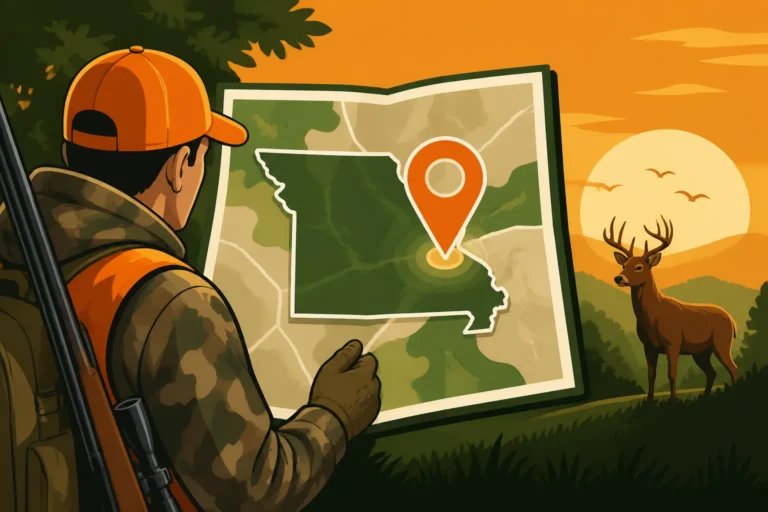
This is where technology really shines. Services like onX Hunt have revolutionized the way we approach hunting private land. You can literally pull up a map, zoom in on an area that looks promising, and see the property boundaries, the landowner's name, and often even contact information. This is invaluable! Instead of guessing who owns what, you can identify the specific parcels that look good, see who owns them, and then focus your efforts on those individuals. It saves an immense amount of time and helps you be highly targeted in your approach. onX Hunt allows you to drop pins, measure distances, and understand the lay of the land, all before you even step foot outside. Imagine spotting a perfect timbered draw connecting two crop fields on an aerial photo; with these tools, you can immediately identify the owner and begin to strategize your approach.
Identifying Key Habitat Features and Travel Corridors
Beyond just identifying ownership, these mapping tools allow you to virtually "scout" the habitat. You can toggle between aerial imagery and topographical maps to find those hidden gems: small pockets of timber, creek bottoms, fencerows, standing crop fields (like corn or beans), and even subtle changes in elevation that might serve as deer travel corridors. Look for bottlenecks where deer might funnel between larger timber blocks or across open fields. Reading Aerial Photos for Ozark Deer offers great insights, and many of those principles apply to farm country too, just on a flatter, more agricultural canvas. Think about how deer will move from bedding cover to feeding areas. They crave security, so those narrow strips of woods, brushy ditches, or even thick fencerows become superhighways for deer in open country.
Scouting Remotely Before You Go
Before you burn a tank of gas driving to a new area, spend some serious time on your computer or phone. Look at satellite images from different seasons if possible – sometimes a late-fall image will show cut fields, while a summer image reveals standing crops. Identify potential parking areas, access points, and areas that might hold deer. Note features like isolated woodlots, drainage ditches, old homesteads, or even small patches of CRP (Conservation Reserve Program) ground that might be overlooked. This remote scouting helps you eliminate unproductive areas and focus your on-the-ground efforts more efficiently. It also allows you to be much more informed when you do finally make contact with a landowner. You can say, "I noticed you have a nice timbered draw that runs alongside your cornfield on the west side of your property, and I was hoping…" This shows you’ve done your homework and are serious, not just a random person asking for access.
The Art of Asking: Securing Private Land Permission
This is perhaps the most challenging, yet potentially most rewarding, aspect of hunting North Missouri. It takes courage, respect, and persistence, but gaining access to private farm ground can be a game-changer for your hunting season.
Approaching Landowners with Respect and Preparation
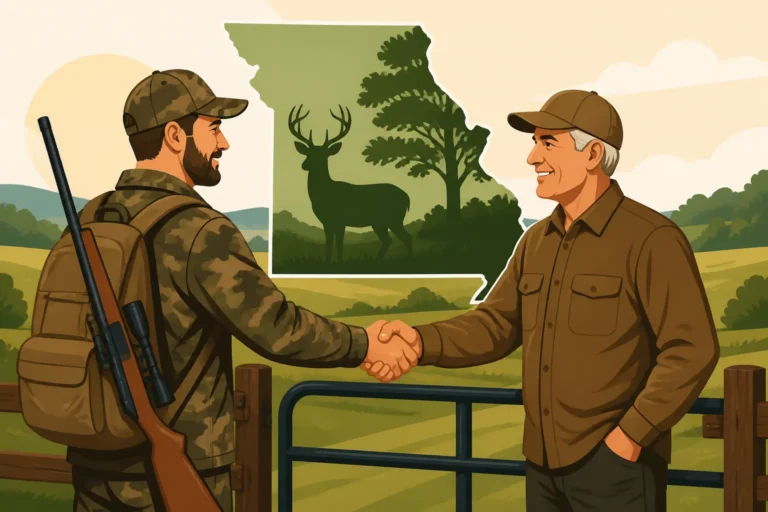
First impressions matter, big time. When you decide to approach a landowner, do it right. Dress neatly, not in your hunting camo (unless you've been working in the woods, of course!). Go during daylight hours, ideally mid-morning or late afternoon, when people are likely to be home but not in the middle of dinner or chores. Always start by introducing yourself, stating why you're there (to ask permission to hunt), and immediately offering proof of your hunting license and hunter education card. This shows you're legitimate and responsible. Be polite, be humble, and be prepared to hear "no." A polite "no" is not a failure; it’s just one step closer to a "yes." Remember, you are a guest asking for a privilege, not a right.
Prepare a simple, respectful pitch. Explain that you're looking for a place to hunt deer (or whatever species you're after) and you're committed to being a responsible hunter. Emphasize that you will respect their property, close gates, avoid driving in wet fields, and share any game if they're interested. Have specific dates or times in mind, rather than an open-ended request, and clarify what you're asking for (e.g., just deer, archery-only, during specific portions). Sometimes asking for Hunting Small Private Tracts in Missouri can be an easier 'in' than asking for a huge farm.
Crafting a Compelling Request
Simply saying "Can I hunt?" often isn't enough. You need to differentiate yourself. What can you offer in return? It might be as simple as offering to help with chores like mending fences, clearing brush, or helping with odd jobs around the farm. Many landowners deal with nuisance animals, so offering to help with coyote control or managing a healthy deer population can also be a strong selling point. Be specific about your intentions: "I'm primarily interested in bowhunting for deer and will only be hunting during daylight hours, using a treestand I'll remove daily or camouflage thoroughly."
Show that you understand their property. "I noticed you have a nice stand of oaks back by the creek, and I'd be very careful not to disturb your livestock or crops." This shows you've done your homework and aren't just a random hunter. A printed aerial map of their property (which you can generate from a tool like onX Hunt) with areas you're interested in marked can also be very helpful. It allows for a visual discussion and shows your level of preparation and seriousness. For tips on how to structure these conversations, think about the advice in Knocking on Doors in Missouri Farm Country.
Building Long-Term Relationships
Gaining access once is great; keeping it for years is the real victory. If a landowner grants you permission, treat their property like it’s your own – no, treat it even better. Always follow through on your promises. If you say you’ll close a gate, close it. If you say you’ll park in a specific spot, do it. Share your harvest with them if they express interest, even just a package of venison sausage. Send them a thank-you card after the season. Occasionally offer to help with a chore or bring them a gift, like a bushel of sweet corn or a pie.
Regular, respectful communication is key. Let them know when you’ll be on their property and when you’ll be leaving. If you see something concerning, like a downed fence or suspicious activity, report it to them. Building trust is an ongoing process. A good hunting relationship can last decades and become a truly cherished part of your hunting tradition, creating friendships that go far beyond just deer season.
Hunting Public Islands: Maximizing Opportunities on Conservation Areas
While North Missouri is primarily private, it's not devoid of public hunting opportunities. The Missouri Department of Conservation (MDC) manages a number of smaller conservation areas (CAs) throughout the region, and while they might not be expansive, they can offer excellent hunting if you know how to approach them.
Finding Small Conservation Areas and Access Points
The first step is to identify these public "islands." The Missouri Conservation Atlas is your best friend here. It's an indispensable resource that maps out every conservation area in the state. Spend time poring over the maps, zooming in on counties you're interested in. You'll often find smaller CAs, sometimes just a few hundred acres, nestled among agricultural fields. Don't overlook these; they can act as important refuges for deer and other wildlife. Pay attention to any public road frontage or designated parking areas. Sometimes, access might be limited to walk-in only, which can actually be a benefit as it deters less committed hunters.
Use your digital mapping tools (like onX Hunt or GoHunt) in conjunction with the Conservation Atlas to cross-reference and get the most up-to-date aerial views of these CAs. Look for isolated timber blocks, creek drainages, or areas with thick cover that might hold deer trying to escape pressure. Remember, deer will use any cover they can find, especially in open country, so even a narrow strip of dense brush on a public area could be a significant travel corridor or bedding spot.
Utilizing MDC Area Brochures and Regulations
Every Missouri Conservation Area has its own specific set of rules and regulations, often detailed in an area-specific brochure available on the MDC website or at regional offices. It is absolutely crucial to read these carefully! They will outline everything from allowed hunting methods, parking rules, camping restrictions, to specific hunting seasons or portions that might be closed on that particular area. Some CAs might have archery-only zones, while others permit firearms only during certain times. There could be specific rules about Blinds and Stands on Missouri Public Land or trail camera usage.
Ignoring these rules, even unintentionally, can lead to fines and loss of hunting privileges. For example, some CAs have special regulations regarding antlerless permits or even a limited number of managed hunts that require prior application. Make sure you understand if Which Counties Allow Extra Antlerless Tags might apply to a particular CA. Knowing the rules not only keeps you legal but also helps you plan your hunt effectively, avoiding areas or times that might be restricted.
Tactics for Pressured Public Ground
Hunting public land in North Missouri requires a different mindset than hunting private land. Expect other hunters, especially during opening weekends or the firearms portion. To maximize your success, you need to be willing to work harder and think smarter.
- Go Deeper: Most hunters don't venture far from parking lots. Be willing to walk a mile or more into an area. The deeper you go, the less pressure deer will have experienced, and the more likely you are to find mature animals.
- Hunt Mid-Week/Late Season: If your schedule allows, hunting on weekdays instead of weekends can drastically reduce pressure. Late season, after the main firearms portion, can also be productive, as many hunters have packed it up, and deer are focused on remaining food sources.
- Focus on Cover and Escape Routes: Pressured deer will gravitate towards the thickest cover available. Identify dense cedar thickets, brushy creek bottoms, or areas of regenerating timber. Also, think about their escape routes. If they are bumped off a field, where will they go? Often, it’s a linear cover feature like a timbered draw or a thick fencerow. Hunting a Timbered Draw in Row-Crop Country can be very effective.
- Hunt the Edges: Public land often borders private land that holds plenty of deer. Setting up on the public side of a property line, especially near a natural funnel or travel corridor, can intercept deer moving between the properties, particularly during low-light hours. Just be absolutely certain of the property line using your mapping app!
- Utilize Water Access: If a CA has river or major creek frontage, consider accessing it via a small boat or canoe. This can allow you to bypass crowded parking lots and get into areas that are difficult to reach on foot.
Navigating Leases and Hunting Clubs: Alternative Access Routes
For many hunters, the challenges of public land pressure and the difficulty of securing private land permission in North Missouri lead them to explore other options, namely hunting leases and joining clubs. These avenues can provide consistent, quality access, but they come with their own set of considerations, particularly financial ones.
Understanding Hunting Lease Dynamics
A hunting lease is essentially renting the hunting rights to a piece of private property for a specified period, typically for a season or a year. This can be an excellent option for consistent access to well-managed ground. In North Missouri, leases are common, and the demand can be high, especially for properties known to hold trophy whitetails.
Lease costs can vary wildly depending on the acreage, location, deer quality, and amenities (like a cabin or food plots). Generally, Missouri Hunting Lease Costs are calculated per acre, but don't be surprised by premium pricing in certain highly sought-after areas. When considering a lease, here's what to look for:
- Written Agreement: Always, always, always get a written lease agreement. This protects both you and the landowner. It should clearly outline the terms, dates, species you can hunt, number of hunters allowed, liability clauses, and any specific rules (e.g., no baiting, stand restrictions).
- Acreage and Habitat: Evaluate the land carefully. Does it have the habitat you need (timber, water, agriculture, bedding cover)? Is the acreage sufficient for your group without feeling crowded?
- Deer Quality: Research the local area. What's the reputation for deer quality? Are there any specific management practices in place?
- Landowner Relationship: Just like with individual permission, a good relationship with the landowner is crucial for a successful lease. They're entrusting you with their property.
- Group Dynamics: If you're leasing with friends, ensure everyone is on the same page regarding rules, responsibilities, and financial contributions.
While leases can be a significant investment, they offer the peace of mind of exclusive access and the ability to implement long-term management strategies, like food plots or selective harvesting, to improve the hunting.
Pros and Cons of Joining a Hunting Club
Hunting clubs offer another way to gain access to private land without the full financial burden or management responsibility of an individual lease. Clubs often lease large tracts of land and then distribute hunting opportunities among their members.
Pros:
- Cost-Effective: Membership fees are typically less than a full lease, making quality hunting ground more accessible.
- Shared Resources: Clubs often have shared resources like established food plots, blinds, and sometimes even camp facilities.
- Community: You get to share the hunting experience with a group of like-minded individuals, learning from each other and fostering camaraderie.
- Less Hassle: The club management often handles the landowner relations, insurance, and lease paperwork.
Cons:
- Less Control: You have less say in how the land is managed or hunted. Rules are set by the club, not by individual members.
- Pressure: Depending on the number of members and acreage, there can still be significant hunting pressure, albeit regulated.
- Personality Conflicts: Dealing with a group of people can sometimes lead to disagreements over rules, stand locations, or hunting etiquette.
- Waiting Lists: Popular clubs in prime areas often have long waiting lists for membership.
Before joining, thoroughly investigate the club's rules, history, and talk to current members if possible. Understand their deer management philosophy, how hunting spots are allocated, and what the expectations are for members.
The Value of Shared Access and Cooperatives
A less formal but increasingly popular approach, especially for groups of friends, is to pool resources and create a small, informal cooperative to gain shared access. This might involve:
- Multiple Small Permissions: A group of hunters might each secure permission on smaller, neighboring tracts from different landowners. By communicating and coordinating, they can effectively manage a larger hunting block, allowing for deer drives or simply spreading pressure.
- Helping Farmers: A cooperative can offer a package deal to landowners: a group of reliable hunters willing to help with various farm tasks in exchange for hunting privileges across multiple properties. This might include anything from Two-Person Drives on Small Timber Tracts to helping clear debris after a storm.
- Public/Private Mix: Combining limited public land access with a few small private permissions can create a surprisingly effective hunting strategy. You might use the public land as a primary hunting area but have a private parcel to retreat to when public pressure gets too high, or vice-versa.
The key to any shared access model, formal or informal, is clear communication, mutual respect, and a commitment to being responsible stewards of the land.
Reading the Land: Identifying Key Features in Farm Country
Once you've secured access, whether it's a public parcel or private ground, understanding how deer use the specific features of North Missouri farm country is paramount. This landscape, with its mix of agriculture and timber, dictates deer movement in unique ways.
Timbered Draws and Creek Bottoms
In a relatively flat, open farm landscape, any piece of timber stands out as a critical deer habitat. Timbered draws and creek bottoms, in particular, are absolute magnets for whitetails. These linear strips of woods provide cover, food, and water, offering a secure travel corridor for deer moving between larger woodlots, bedding areas, and feeding grounds.
- Cover and Security: Deer will bed down in the thickest parts of these draws, especially if there's good undergrowth. They offer a sense of security that open fields simply cannot.
- Food and Water: Many draws will have mast-producing trees like oaks or hickories, providing natural food sources. The creek itself is a vital water source, and the moist soil can lead to lush browse.
- Travel Funnels: Deer will almost always choose to travel under cover if given the option. A timbered draw acts as a natural funnel, channeling deer movement, making it an excellent spot for stand placement. Look for where these draws pinch down or intersect with other cover. Hunting a Timbered Draw in Row-Crop Country is a classic farm country tactic for a reason.
Standing Crops and Harvested Fields
Agriculture is king in North Missouri, and deer are intrinsically linked to it. Standing crops, particularly corn and soybeans, offer both abundant food and incredible bedding cover.
- Standing Corn: An unharvested cornfield is practically a deer sanctuary. It offers dense thermal cover, concealment from predators and hunters, and a limitless food source. Deer will bed, feed, and even breed within these fields. Hunting the edges of these fields, especially where they meet a timbered draw or a fencerow, can be very productive. Look for pinch points or corners where deer might enter and exit. Hunting Standing Corn Before Harvest requires patience and a good understanding of deer movement.
- Standing Beans: While not as dense for cover as corn, standing soybeans are a major food source. Deer will flock to them in the late summer and early fall.
- Harvested Fields: Once the crops come off, the entire dynamic changes. The cover is gone, but the residual grain (waste grain) becomes a critical food source, especially as winter approaches. Deer will now expose themselves in the open fields, particularly during low light. Focus your efforts on the transition zones: where timber meets a newly harvested corn or bean field. What Changes After the Beans Come Off is a major shift in deer behavior, and understanding it can lead to late-season success. Using a ground blind brushed into the edge can be effective. Brushing In a Blind on a Field Edge is an excellent strategy.
Fencerows and Shelterbelts
Don't underestimate the humble fencerow or shelterbelt in farm country. These linear features, often just a few trees or a strip of brush, can be major travel arteries for deer.
- Cover and Movement: Even a thin strip of trees along a fencerow offers enough cover for a deer to feel comfortable moving from one timber block to another, or from bedding to feeding. They connect otherwise isolated pockets of habitat. Hunting a Missouri Fencerow Between Fields can yield surprising results.
- Thermal Protection: In winter, dense shelterbelts of evergreens can provide crucial thermal cover, especially during bitter winds.
- Bedding: Sometimes, a particularly thick fencerow or a small, isolated brush pile within one can serve as a temporary bedding site for a buck wanting to keep an eye on a field.
- Scrapes and Rubs: Fencerows are often key locations for bucks to establish scrape lines and rub lines as they scent-check for does. These are natural signposts indicating heavy deer traffic. Scrape Lines Along a Logging Road can occur along these features too.
By meticulously studying these landscape features and understanding how deer interact with them, you can develop highly effective hunting strategies tailored to the unique environment of North Missouri farm country.
| Access Method | Pros | Cons | Best For |
|---|---|---|---|
| Public Conservation Areas | Free access, legal, good for scouting | High pressure, limited acreage, strict rules | Hunters willing to walk deep, early/late season |
| Asking Private Permission | Potentially prime, low pressure, personal | Requires social skills, inconsistent, "no"s | Persistent, polite hunters, local connections |
| Hunting Leases | Exclusive access, management potential, consistent | High cost, long-term commitment, group rules | Dedicated hunters, groups, long-term planning |
| Hunting Clubs | More affordable than lease, shared resources | Less control, potential for conflicts, rules | Social hunters, budget-conscious, shared goals |
Ethical Considerations and Landowner Relations
Once you've gained access, the job isn't over. In fact, a new, critical phase begins: maintaining that access. This hinges entirely on your ethical conduct and your relationship with the landowner. Being a good steward and a respectful guest is not just about common courtesy; it's about ensuring future opportunities for yourself and setting a positive example for other hunters.
Leaving No Trace and Respecting Property
This is fundamental. When you leave, the property should look as if you were never there, or even better. Pack out all your trash, including spent shell casings, food wrappers, and anything else you bring in. If you use a treestand or ground blind, make sure it’s removed or fully legal according to the specific rules of the land. For public lands, remember the rules about Blinds and Stands on Missouri Public Land. On private land, clarify expectations with the landowner. If you cut shooting lanes, do so minimally and with permission. Do not damage fences, gates, crops, or machinery. Always close gates behind you, even if you found them open – it's a critical show of respect for livestock and property security.
Driving in wet fields, especially during crop season or after heavy rains, can cause significant damage to the landowner's livelihood. Always ask where to park and how to access areas without causing ruts or disturbing soil. It sounds basic, but these small actions speak volumes about your respect for their property and their work.
Communication and Follow-Up
Just as good communication helps you gain access, it's vital for keeping it. Always let the landowner know when you plan to hunt and when you’ll be leaving. A simple text or call can go a long way. If you decide to bring someone else (even a non-hunter), always ask for permission first. Never assume.
After your hunt, and especially at the end of the season, follow up with a thank you. A personal visit, a handwritten card, or even a phone call to express your gratitude for the opportunity is a powerful gesture. Share your success if you were lucky enough to harvest an animal. Field Dressing and Cooling in Early-Season Heat might mean you can't offer a fresh cut, but a photo of a healthy deer is always appreciated! Even if you didn't harvest anything, thank them for the chance to be outdoors on their property. This simple act reinforces your positive image and keeps the door open for future seasons.
Offering Help and Giving Back
The best relationships are reciprocal. Look for ways to offer help beyond just saying "thank you." This doesn't mean you have to be a free farmhand, but occasional, genuine offers can strengthen your bond. Maybe you notice a fence that needs mending and offer to help for a few hours. Perhaps you see a broken piece of equipment and, if you have the skill, offer to lend a hand. Some landowners are troubled by coyotes or other predators; offering to call or trap these animals can be a huge benefit to them.
Even simpler, consider sharing a portion of your harvest if they are interested, or bringing a small gift around the holidays. A gift certificate to a local restaurant, a fruit basket, or a homemade treat can be a thoughtful gesture. Remember, you're building a relationship, not just securing a hunting spot. By demonstrating genuine care for their land and their needs, you're not only ensuring your own hunting access but also strengthening the positive image of hunters as responsible, respectful conservationists in the community.
Disclaimer
This article is for general informational purposes only and does not constitute professional advice. Laws, prices and regulations vary by location and change over time. Consult a qualified professional for guidance on your specific situation.