Swan Lake Refuge Hunting Status
Hunting on public land in Missouri can sometimes feel like navigating a maze, especially when you start looking at specific areas like national wildlife refuges. It's frustrating when you're geared up and ready to scout, only to realize you're unsure if hunting is even permitted, or what the specific rules are. This guide is here to cut through that confusion and give you a clear picture of the hunting status and opportunities at Swan Lake National Wildlife Refuge, helping you plan your next outing with confidence.
Understanding National Wildlife Refuges and Hunting
Before we dive specifically into Swan Lake, it’s really helpful to understand the broader context of how National Wildlife Refuges (NWRs) operate when it comes to hunting. They aren't just another parcel of public land; they have a very distinct mission that shapes what activities are allowed and where.
The Dual Mission of Refuges
National Wildlife Refuges were established primarily for the conservation of fish, wildlife, and plants, along with their habitats. This is their core purpose, and every decision made on a refuge, including opening it to hunting, must align with this mission. It's not like your typical state conservation area where hunting is often a primary use. On an NWR, hunting is often considered a "compatible use," meaning it can be allowed if it doesn't interfere with the refuge's primary conservation goals. This might mean stricter regulations, shorter seasons, or designated hunting zones compared to other public grounds. They want to ensure that wildlife populations can thrive, and if hunting helps manage those populations in a sustainable way, it's considered. Otherwise, it's often off-limits.
General Rules for Refuge Hunting
Because of this specific mission, hunting on NWRs often comes with a different set of rules than what you might find on state-managed land or even national forests. You'll frequently encounter restrictions on weapon types, hunting hours, access points, and even the type of game you can pursue. Many refuges operate on a lottery or permit system, especially for popular game like deer or waterfowl, to control hunter numbers and reduce pressure on the wildlife. It’s not uncommon to find areas designated as "no hunting" zones to provide undisturbed sanctuary for wildlife, particularly during critical migration or nesting periods. This can be a real headache if you just show up hoping to hunt, as you might find large portions of the refuge completely closed to your activity. It's why doing your homework before you leave the house is absolutely crucial when heading to an NWR. You might also find these details outlined on detailed mapping apps like onX Hunt, which often show refuge boundaries and specific restrictions if they're public and frequently updated. For more on these unique federal properties, check out our guide on Missouri National Wildlife Refuges.
Swan Lake National Wildlife Refuge: Hunting Opportunities
Swan Lake National Wildlife Refuge, nestled in north-central Missouri, is a prime example of a refuge that offers some hunting opportunities, but under very specific conditions. Its primary focus is on migratory waterfowl, which means that dictates a lot about what else is allowed.
Deer Hunting at Swan Lake
For deer hunters, Swan Lake typically offers limited opportunities, often focused on archery or sometimes muzzleloader hunting, to help manage the deer herd. These hunts are almost always highly controlled, requiring special refuge permits obtained through a lottery or draw system. You can't just show up with your state deer tag and expect to hunt. The refuge often divides its land into different units, and only certain units may be open for deer hunting, usually in an attempt to keep hunting pressure away from sensitive waterfowl areas or other conservation projects.
The seasons are generally shorter than statewide seasons, and bag limits might also be more restrictive. For instance, you might be limited to antlerless deer or a specific number of days. These permits usually specify the exact dates and areas you can hunt. It's not the kind of place where you can freely roam; you'll need to know your assigned unit and stick to it. Always consult the specific refuge regulations for the current year, as these details can change. Getting a deer permit in Missouri generally involves understanding a few steps, which we cover in Missouri Deer Permits and How to Buy One.
Waterfowl and Other Migratory Bird Hunting
This is where Swan Lake really shines, and also where the most stringent regulations come into play. Swan Lake is a critical stopover point on the Mississippi Flyway for ducks and geese, and its management is heavily geared towards providing habitat for these birds. Therefore, waterfowl hunting is a major component of its public use program, but it's extremely regulated.
Hunting is generally done by a draw system, similar to other managed wetlands in the state. Hunters typically apply well in advance or participate in a daily drawing for blind sites or hunting zones. Managed Hunt Draws on Missouri Wetlands can give you a broader idea of how these systems typically work. Specific units are open, often with designated permanent or temporary blind sites, and movement within these units can be restricted. You'll need to use nontoxic shot – that's a federal requirement on all NWRs for waterfowl hunting, and it's something many hunters forget when they're used to lead shot for other game. Expect restrictions on retrieve methods, boat use, and even the number of shells you can possess. The goal is to maximize the waterfowl experience while minimizing disturbance to the greater refuge population. For those focused on geese, it's also worth looking into Missouri Goose and Snow Goose Seasons, as regulations can vary.
Small Game and Turkey Hunting
Opportunities for small game like squirrels and rabbits, or even wild turkeys, are much rarer at Swan Lake, and often non-existent. The intensive management for waterfowl means most of the accessible timber and brush habitat is either designated as sanctuary or falls within waterfowl hunting units, making general small game hunting incompatible or unsafe. If any small game or turkey hunting is allowed, it would be extremely limited in scope, likely requiring a special permit and occurring only in very specific, isolated areas that don't conflict with the refuge's primary objectives. For example, if there's a spring turkey hunt, it would be on a very specific set of dates and usually through a draw, similar to the deer hunts. Always check the annual refuge brochure for any such rare opportunities. Dove hunting can sometimes be available on certain refuge units that have managed dove fields, often in September. However, like all NWR hunting, it will be strictly regulated. If this interests you, our guide on Hunting Missouri Doves in September might be helpful.
Navigating Regulations and Access at Swan Lake
Dealing with the unique regulations of a National Wildlife Refuge like Swan Lake can feel like a full-time job. It’s not simply a matter of having your state hunting permit; there's a whole additional layer of rules you need to understand and adhere to. This is where meticulous planning and using the right resources become absolutely invaluable.
Where to Find Current Regulations
The most reliable source for current hunting regulations at Swan Lake National Wildlife Refuge is always the refuge's official website or their annual hunt brochure. These documents are updated annually and contain all the nitty-gritty details you need to know: open seasons, specific units, legal weapon types, permit requirements, and any special conditions. You can usually find a link to the current hunt brochure right on the refuge's homepage. It’s tempting to rely on information you heard from a friend or read on an old forum, but refuge rules change, sometimes subtly, from year to year. Getting caught unaware due to outdated information is a frustrating way to end a hunt.
Beyond the official documents, mapping applications are a game-changer for public land access. An app like onX Hunt can be incredibly useful because it often overlays public land boundaries, including NWRs, and sometimes even displays specific refuge unit boundaries or restrictions. This visual aid can save you from accidentally crossing into a closed area or misunderstanding a boundary line. It’s one thing to read about a "closed unit," and another to actually see it clearly delineated on a map right in front of you as you navigate the terrain.
Permits, Drawings, and Special Requirements
As mentioned, hunting at Swan Lake, especially for deer or waterfowl, almost always requires special refuge permits in addition to your state hunting licenses. These aren't typically over-the-counter sales; they often involve a lottery or draw system. For waterfowl, these might be daily draws for blind sites or season-long reservations. For deer, it’s usually an application period followed by a drawing for a limited number of hunters.
The application periods for these draws can be months in advance of the hunting season, so you need to be proactive. Missing a deadline means missing your chance for the entire year. Pay close attention to the application process, required fees, and any preference point systems if they exist. Furthermore, specific requirements like mandatory hunter orange during certain periods, even for archery hunters, might apply. For instance, you might be required to display Orange Requirements for Missouri Archers even if it's not a general statewide rule for bow season. Always double-check these specifics.
Understanding Refuge Zones and Closures
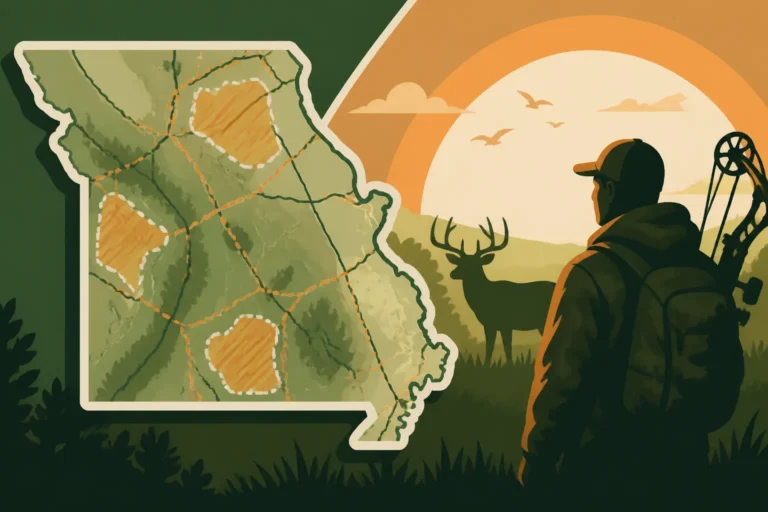
Swan Lake NWR is often divided into various management units, and not all of them are open to hunting. Many areas are designated as wildlife sanctuaries, especially during critical migration periods for waterfowl, and these are strictly off-limits to hunters. Others might be open only for specific game species or during specific portions of the season.
It’s not enough to know if hunting is allowed; you need to know where it’s allowed within the refuge boundaries. These zones are typically marked on refuge maps, which are available in the annual brochure or at the refuge headquarters. Understanding these zones is paramount to a successful and legal hunt. A tool like GoHunt could also offer valuable mapping data, helping you visualize these zones and plan your approach. Ignoring these boundaries can result in fines, permit revocation, and the loss of future hunting privileges. Always be certain of your location and the current rules for that specific area. Remember that general federal rules, such as those regarding Missouri Waterfowl Refuge Zones, will often apply.
Preparing for a Hunt at Swan Lake
Once you've navigated the regulations and secured your permit for Swan Lake, the next step is to prepare your gear and strategy. Hunting on a refuge often demands a slightly different approach than hunting wide-open timber or private land.
Essential Gear and Rules
Since Swan Lake is primarily a waterfowl refuge, if you're hunting ducks or geese, you absolutely must use nontoxic shot. This is a federal regulation on all National Wildlife Refuges. Leave your lead shot at home. This isn't just about being compliant; it's about protecting the environment and the very birds you're pursuing. For more details on this, our guide on Nontoxic Shot Rules on Missouri Wetlands can provide a deeper dive.
Beyond that, consider what type of hunting you're doing. For waterfowl, quality waders, a reliable shotgun, and a good set of decoys are essential. You might be assigned a blind, or you might need to bring your own layout blind if field hunting is permitted. For deer hunting, if it's archery only, ensure your bow setup is tuned and ready for potentially shorter shots in dense cover. If muzzleloader is an option, be familiar with Hunting Deer With a Muzzleloader in Missouri regulations and proper care. Always be mindful of any specific weapon restrictions the refuge might impose, such as minimum caliber sizes or ammunition types. Remember, permanent treestands are almost universally prohibited on public lands, including NWRs; bring a portable stand or saddle if allowed.
Scouting and Strategy
Scouting is always crucial, but on a refuge, it takes on a slightly different flavor. You'll need to focus your efforts within the specific unit you're permitted to hunt. Look for refuge-specific features like designated water impoundments, managed food plots, or even refuge-specific travel corridors that deer might use. Waterfowl hunters will focus on water levels, food sources within their unit, and flyways into and out of the designated hunting zones.
One of the biggest challenges on a refuge can be adapting to concentrated wildlife and potentially higher hunter pressure. The areas open to hunting might be smaller, funneling both animals and hunters into the same general vicinity. Understanding how the animals react to this pressure and how to get away from the crowds is key. Sometimes, the best strategy is to walk a little farther than others are willing to, or to scout areas that might be less obvious. Using your onX Hunt app to mark potential stand locations, game trails, or water access points during scouting will pay dividends when the season opens. Scouting Missouri Public Land Before Season offers broader tips that can be adapted to a refuge setting.
Disclaimer
This article is for general informational purposes only and does not constitute professional advice. Laws, prices and regulations vary by location and change over time. Consult a qualified professional for guidance on your specific situation.