Loess Bluffs Refuge Hunting Access
There’s a special kind of frustration that bubbles up when you’re eyeing a fantastic piece of public hunting ground, only to find its access wrapped in a confusing tangle of federal regulations, state permits, and specific refuge rules. Loess Bluffs National Wildlife Refuge is one of those places that holds immense promise for Missouri hunters, particularly for waterfowl, but it absolutely demands a clear understanding of its unique access requirements before you even think about loading up the truck. This guide aims to unravel that complexity, giving you the detailed rundown on how to gain hunting access and make the most of your time at this incredible natural resource.
A Unique Gem in Missouri: Understanding Loess Bluffs NWR
Before we dive headfirst into permits and regulations, it’s really helpful to understand what makes Loess Bluffs National Wildlife Refuge so special and why its access is structured the way it is. This isn't just another Missouri Conservation Area; it's a critical federal wildlife refuge with a distinct mission, and that mission profoundly shapes how and where hunting is permitted.
The Legacy of Squaw Creek and Its New Identity
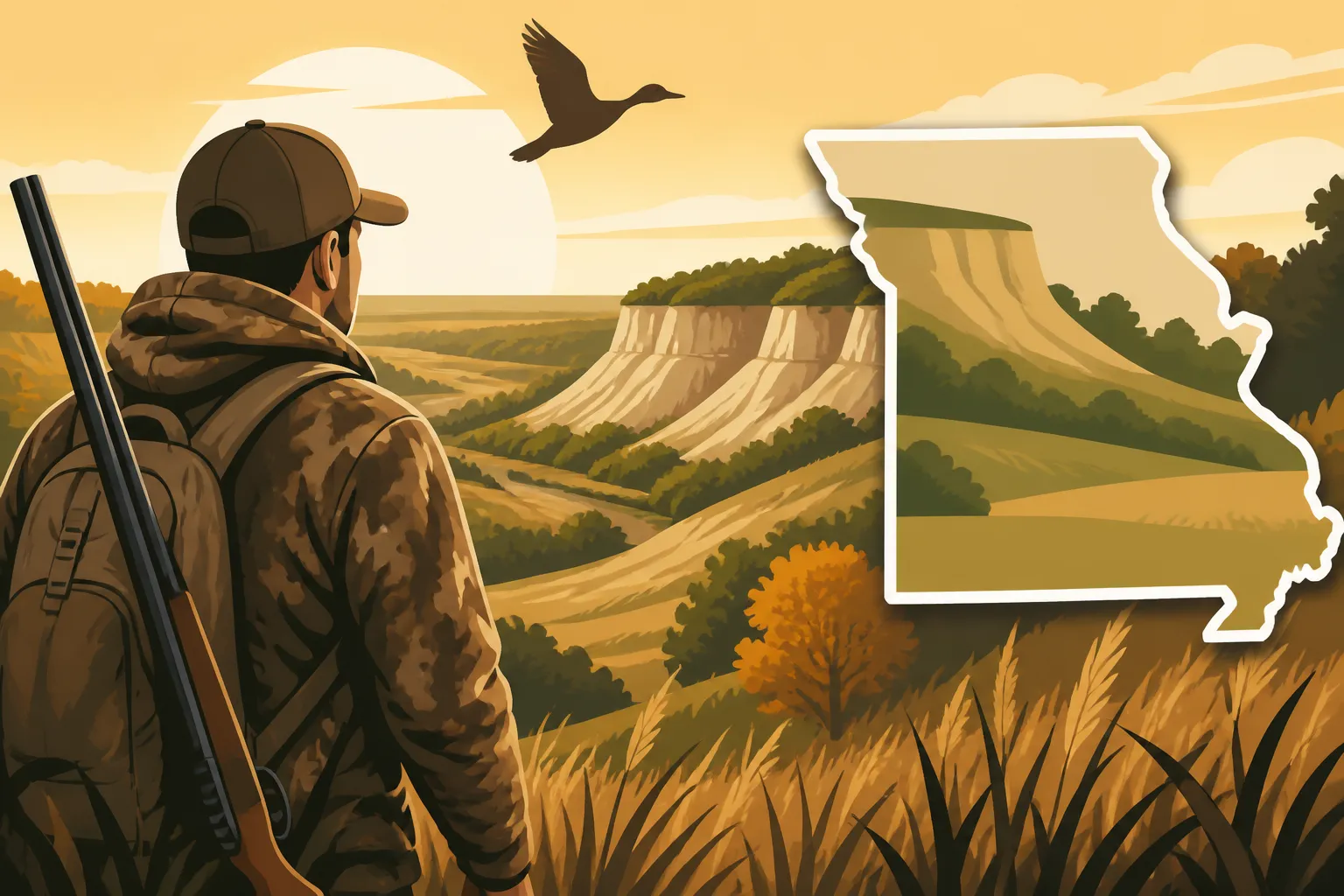
Many longtime Missouri hunters might still think of this place as "Squaw Creek," and that's perfectly understandable. For decades, it was known as Squaw Creek National Wildlife Refuge, a name deeply embedded in the history of conservation in our state. However, in 2017, the refuge officially changed its name to Loess Bluffs National Wildlife Refuge. This change was a significant moment, aiming to honor the unique geological features that define the area – the towering, wind-deposited loess (pronounced "luss") bluffs that rise dramatically from the Missouri River floodplain.
This name change wasn't just cosmetic; it highlighted the broader ecological story of the refuge. While the primary draw for many has always been the incredible waterfowl concentrations, the loess hills themselves are unique, supporting different habitats and species. This history reminds us that these places evolve, and staying informed about their current identity and management is crucial for any responsible hunter. The refuge’s legacy is one of providing vital sanctuary and feeding grounds for migratory birds, a role that dictates much of its operational rules, including those for hunters.
Ecological Importance and Its Impact on Access
Loess Bluffs National Wildlife Refuge lies within the Missouri River floodplain in Holt County, a region that serves as a critical stopover and wintering ground for millions of migratory birds along the Central Flyway. Think about it: massive numbers of ducks, geese, and other waterbirds rely on this refuge's managed wetlands, agricultural fields, and timber. This incredible concentration of wildlife is precisely why the refuge exists and why it's such a magnet for birdwatchers and hunters alike.
The management focus is squarely on providing undisturbed habitat and food resources for these birds. This ecological imperative means that certain areas of the refuge are completely closed to hunting, or to any public entry at all, especially during peak migration periods. Other areas might open only on specific days or under very strict conditions to minimize disturbance to resting and feeding birds. It's not about making hunting difficult; it's about balancing recreational opportunities with the refuge's core mission of wildlife conservation. When you hunt Loess Bluffs, you’re not just chasing ducks; you’re participating in a carefully managed system designed to protect a vital ecosystem. Understanding this underlying philosophy can help hunters appreciate why the rules are in place and encourage compliance.
Decoding Hunting Regulations and Permit Requirements
Navigating the permit system for a federal wildlife refuge can feel like trying to solve a puzzle, especially when you're used to Missouri's generally straightforward state regulations. Loess Bluffs requires careful attention to detail because you’ll likely be dealing with both state and federal requirements.
State vs. Federal Permits: What You Need to Know
First things first: just because you have your standard Missouri Waterfowl Seasons and Duck Zones permit, your federal duck stamp, and your HIP registration, that doesn't automatically grant you access to hunt at Loess Bluffs. While those state and federal requirements are absolutely essential for hunting migratory birds anywhere in Missouri, they are only part of the puzzle when it comes to National Wildlife Refuges.
Loess Bluffs NWR, like many federal refuges, often has its own specific permits or access cards that hunters must possess in addition to their state and federal licenses. These refuge-specific permits are typically free or have a minimal fee and are designed to help the refuge manage hunter numbers, track activity, and communicate specific local rules. Failing to secure the appropriate refuge permit can, and often does, result in a citation, even if all your other state and federal paperwork is in order.
A real-life scenario might involve you driving up before legal shooting hours, having all your state permits ready, only to realize at a check station or boundary sign that you needed to pick up a specific refuge access permit from an office that closed yesterday afternoon. It’s a frustrating situation that’s entirely preventable with a little foresight. Always check the official Loess Bluffs NWR website or call their office well in advance of your planned hunt. They often have an annual brochure or fact sheet that details all current regulations, open areas, and permit requirements.
| Permit Type | Requirement for Loess Bluffs NWR | Where to Get It |
|---|---|---|
| State Hunting Permit | Absolutely required for all hunting activities. | Missouri Department of Conservation (MDC) website/vendors |
| Federal Duck Stamp | Required for waterfowl hunting, ages 16+. | Post office, USFWS website, some sporting goods stores |
| HIP Registration | Required for all migratory bird hunting in Missouri. | MDC website/vendors (usually free add-on) |
| Loess Bluffs NWR Specific Permit/Card | Crucial. Often required annually for designated hunting areas. | Refuge office, designated self-serve kiosks, or online |
| Nontoxic Shot | Mandatory for all waterfowl and upland game hunting. | Sporting goods stores |
Remember, the refuge has staff whose job it is to ensure compliance, and they are usually very visible, especially during peak waterfowl seasons. Don't rely on assumptions; get the precise details for the current season.
Navigating Controlled Access and Specific Zones
Unlike many vast tracts of public land, hunting at Loess Bluffs NWR is often highly structured and confined to specific zones or units that may change from year to year. You can't just wander in and set up wherever you please. The refuge publishes maps, usually available online or at the visitor center, that clearly delineate huntable areas, no-hunt zones, and general public access areas. These maps are your absolute best friend.
Imagine driving for hours, getting excited, and then pulling up to a unit only to realize it's closed for a bird rest area, or that hunting is only allowed on Tuesdays and Thursdays. This happens. Some hunting areas might operate on a draw system, similar to Missouri managed wetland morning draw runs, where you apply beforehand or show up for a daily lottery. Others might be open on a first-come, first-served basis but are limited in capacity or have specific entry points and times.
This is where a good mapping app like onX Hunt becomes invaluable. You can download the refuge maps, often overlaying them with their own public land layers, to clearly see boundaries, designated hunting units, and even pinpoint potential access roads or parking areas. It can literally save you hours of driving around in the dark before dawn, wondering if you're even in the right spot. Understanding these zones is not just about avoiding a ticket; it's about respecting the refuge's conservation efforts and ensuring a safe, legal, and ethical hunt. The information found in the refuge's annual hunting brochure is the ultimate authority, so make sure to get your hands on it.
Hunting Opportunities: What You Can Pursue at Loess Bluffs
While Loess Bluffs is synonymous with waterfowl, it’s important to understand the full spectrum of hunting opportunities available. The refuge is a dynamic landscape, and while ducks and geese might be the main attraction, there are other species to pursue under the right circumstances.
Waterfowl Hunting: The Primary Draw
Let's be honest, for most hunters, Loess Bluffs National Wildlife Refuge is all about the ducks and geese. The refuge's meticulously managed wetlands and agricultural fields provide a sanctuary for staggering numbers of mallards, pintails, gadwalls, teal, and various goose species, particularly snow geese during their massive spring migration. Flooded Timber Duck Hunting in Missouri is a common dream, but at Loess Bluffs, you're often looking at a mix of open water, marsh, and field hunting depending on the unit.
The specific waterfowl hunting regulations at Loess Bluffs are often more restrictive than state general season rules. For instance, nontoxic shot is mandatory for all hunting on the refuge, not just waterfowl. This means if you're pursuing anything, from rabbits to ducks, you must use steel, bismuth, or other approved nontoxic alternatives. This is a crucial detail many hunters overlook, and a quick check of your shell box is in order before you head out.
Blind requirements can also vary. Some units might be walk-in only, allowing portable blinds or natural cover setups. Others might have designated permanent blinds, possibly assigned through a draw, or even specific rules on how close you can set up to another hunter. Decoy limits, shooting hours, and even boat restrictions (if applicable) are all detailed in the refuge's specific hunting regulations. It’s not uncommon to see large spreads of decoys in the fields for geese or careful timber setups for ducks, but every piece of equipment must comply with the local rules. Getting a solid grasp of the Missouri Duck Daily Bag Limit is one thing, but knowing the refuge's specific interpretations or additional restrictions is another.
Upland and Small Game: Beyond the Ducks
While waterfowl take center stage, Loess Bluffs NWR does offer limited opportunities for other game species, primarily upland and small game. These seasons are often much shorter, confined to even more specific areas, and again, are subject to the refuge’s unique regulations.
You might find opportunities for rabbit or squirrel hunting in certain timbered or brushy areas. These seasons typically align with the general state seasons but often start later or close earlier on the refuge. Remember, the nontoxic shot rule still applies here. If you're going after rabbits with a shotgun, you'll need nontoxic shells. This can be a point of frustration for hunters who primarily use lead shot for small game on private land or other public areas.
Another potential small game opportunity, depending on the year and management plan, could be for doves. Hunting Missouri Dove Fields in September can be a fantastic way to kick off the fall season, but again, if Loess Bluffs offers a dove hunt, it will be in designated fields, likely with specific shooting hours, and with the mandatory use of nontoxic shot. Checking the refuge’s annual hunting brochure for these specific small game seasons is absolutely vital, as they are often more limited and less widely advertised than the main waterfowl seasons. Always verify these details, perhaps using the refuge boundaries on an app like onX Hunt to ensure you’re in an open area. It's a great way to explore different facets of the refuge beyond the typical duck blind.
Practical Tips for a Rewarding Hunt at Loess Bluffs
Hunting at a busy federal refuge like Loess Bluffs can be incredibly rewarding, but it also presents unique challenges. Being prepared and understanding the dynamics of the area can make all the difference between a frustrating day and a successful, memorable hunt.
Pre-Season Scouting and Planning Your Approach
Scouting is paramount for any hunting trip, but at Loess Bluffs, it takes on an even greater importance. Because access is often restricted and areas are managed intensely, knowing the landscape before the season opens is a huge advantage. If you can, visit the refuge during the off-season. Walk the huntable units, identify potential blind locations, and get a feel for the terrain and water levels. The refuge often experiences significant changes in water depth, especially following Missouri River floods or heavy rains, which can dramatically alter hunting conditions.
Utilizing aerial maps from sources like the Missouri Conservation Atlas or a detailed mapping app like onX Hunt is absolutely non-negotiable. These tools allow you to study the lay of the land, identify field edges, water bodies, and access points from the comfort of your home. You can mark potential spots, measure distances, and plan your entry and exit routes, which are critical, especially when dealing with early morning starts and limited access roads. Knowing exactly where the Missouri Duck Zone Boundaries lie within the refuge and how they might affect your hunt is also a smart move. Without solid pre-season intelligence, you’ll be hunting blind in an area where local knowledge and preparation truly shine.
Dealing with Crowds and Practicing Ethical Hunting
Let’s be realistic: when you hunt a renowned waterfowl destination like Loess Bluffs, you're not going to be alone. Especially during peak migration and on weekends, hunter numbers can be substantial. This means you need to be prepared to deal with crowds, practice patience, and maintain the highest standards of ethical hunting.
Respect other hunters' space. There will often be rules about minimum distances between hunting parties or blinds. Adhere to them strictly. Don't crowd another hunter’s setup, even if you think their spot looks better. This kind of courtesy goes a long way in fostering a positive environment for everyone. If you're unsure about a distance, err on the side of giving too much space. Communication, even if it's just a friendly wave or nod, can help prevent misunderstandings.
Focus on clean kills and efficient retrieves. With potentially more eyes on you, and for the sake of the birds themselves, ensuring clean shots and quick retrieves is critical. Crippled birds can become a major issue in crowded areas. Make sure your shotgun is patterned correctly and you're using appropriate loads, keeping in mind the Nontoxic Shot Rules on Missouri Wetlands. Having a well-trained retriever can be a huge asset, but even without one, having a plan for retrieving your birds quickly and efficiently is paramount.
Finally, always pack out everything you pack in. Leave no trace of your presence. Public land is a privilege, and leaving trash or spent shells behind detracts from the experience for others and can lead to stricter regulations. By being mindful of your impact and considerate of fellow hunters, you help ensure that Loess Bluffs National Wildlife Refuge remains an outstanding hunting area for years to come.
Disclaimer
This article is for general informational purposes only and does not constitute professional advice. Laws, prices and regulations vary by location and change over time. Consult a qualified professional for guidance on your specific situation.