Missouri Bootheel Hunting Ground
The Missouri Bootheel, with its rich delta soils and unique blend of agriculture and remnants of bottomland hardwood forests, presents a truly distinctive hunting experience that can feel worlds away from the rolling Ozark hills or the vast farm fields of North Missouri. For many hunters, the Bootheel is an enigma, a region that often gets overlooked or misunderstood when planning a season. This guide will peel back the layers of this fascinating landscape, helping you navigate the public hunting opportunities and understand what it truly takes to succeed in the Bootheel's diverse environments.
The Unique Landscape of the Missouri Bootheel
The Bootheel of Missouri is a geographical anomaly, a fertile thumbprint extending south into Arkansas, distinct from the rest of the state in almost every conceivable way. This region's character shapes every hunting encounter, demanding a different approach and set of expectations from hunters accustomed to other parts of Missouri. Understanding this unique environment is the first step to unlocking its potential.
Geological History and Topography
Geologically, the Missouri Bootheel is part of the Mississippi Alluvial Plain, formed over millennia by the meandering and flooding of the Mississippi River. This history has left behind an incredibly flat, fertile landscape, a stark contrast to the ancient, rugged topography of the Ozark Plateau to the west. Before extensive drainage and agricultural development, this area was a vast expanse of cypress swamps, bottomland hardwoods, and oxbow lakes, teeming with wildlife. The soils here are exceptionally rich, a deep, dark legacy of countless floods and organic deposits. This flat terrain means that water management plays a massive role in both agriculture and wildlife habitat, with levees, ditches, and pumps defining much of the landscape. Elevations rarely vary by more than a few feet, making small changes in ground level critically important for wildlife movement, especially during wet periods. This uniform flatness also affects how sound travels and how you might perceive distances, something hunters quickly learn to account for.
Agricultural Dominance and Remaining Timber
Today, the Bootheel is one of Missouri's most intensely farmed regions, a checkerboard of vast soybean, corn, and cotton fields stretching for miles. This agricultural dominance has dramatically altered the historical landscape, converting most of the original forests and wetlands into productive farmland. However, amidst this agricultural sea, crucial pockets of timber and wetland habitat remain. These islands of natural cover, often along drainage ditches, old river channels, or within dedicated conservation areas, become vital refuges for deer, turkeys, and especially waterfowl. The dynamic between agriculture and wildlife is constant here; waste grain in harvested fields provides abundant food, while the remaining cover offers shelter and bedding. Understanding crop rotations and harvest schedules is paramount for a successful hunt, as deer and other game shift their patterns dramatically once a field of standing corn becomes a stubble field. Hunting Standing Corn Before Harvest and What Changes After the Beans Come Off become critical reading for any hunter looking to understand these shifts.
Waterways and Wetland Systems
Water defines the Bootheel. The Mississippi River forms its eastern boundary, but countless smaller rivers, bayous, ditches, and channels crisscross the landscape. These include the St. Francis River, Black River, and Castor River, all contributing to the delta's unique hydrology. This intricate network of waterways, combined with controlled wetland systems on conservation areas, creates a paradise for migratory birds. The importance of these wetlands cannot be overstated, especially for duck and goose hunting. Many public areas are specifically managed for waterfowl, with intricate levee systems allowing for intentional flooding and draining to create ideal feeding and resting habitat. Beyond waterfowl, these aquatic environments also support healthy populations of furbearers and provide vital water sources for all game species. The management of these water levels directly influences hunting success, often dictating access and where birds will concentrate.
Understanding Hunting Opportunities in the Bootheel
The Bootheel might be known for its agricultural prowess, but beneath that veneer lies a diverse array of hunting opportunities, each with its own rhythm and challenges. From the sought-after waterfowl to surprisingly robust deer populations, this region offers unique experiences for the dedicated hunter willing to adapt.
Deer Hunting Prospects in the Delta
While the Bootheel might not immediately come to mind when you think of Missouri deer hunting, it actually holds a healthy, if sometimes elusive, whitetail population. The deer here are masters of camouflage and movement through thick cover and vast fields. Unlike the big timber of the Ozarks, Bootheel deer often rely on dense, linear cover – fencerows, ditch banks, and small woodlots – to move between bedding and feeding areas. The sheer abundance of high-quality agricultural food sources, like corn and soybeans, means deer often grow large and healthy. However, finding them requires different tactics. Still-hunting along brushy ditch lines or setting up on pinch points where cover meets a standing crop can be highly effective. Public land deer hunting often revolves around the limited timber blocks on conservation areas, which can see significant pressure during the firearms portions. Early archery season can be particularly challenging due to dense foliage and warm temperatures, making Field Dressing a Deer in Warm Weather an important consideration. Hunters utilizing apps like onX Hunt can gain a distinct advantage by identifying private timber blocks adjacent to public ground, understanding deer travel corridors, and finding secluded access points that others might overlook.
The Rich Tradition of Waterfowl Hunting
If there's one hunting pursuit that defines the Missouri Bootheel, it's waterfowl. Lying squarely within the Mississippi Flyway, this region attracts millions of ducks and geese annually, making it a premier destination for many hunters. The Bootheel's managed wetland areas are legendary, providing critical habitat for migrating birds and thrilling opportunities for hunters. Species like mallards, gadwall, pintails, and various teal are common, along with Canada geese and snow geese. Waterfowl hunting here is often a highly regulated affair, with managed hunts, specific draw procedures, and stringent rules designed to distribute pressure and manage resources. Successfully hunting waterfowl in the Bootheel often requires specialized gear, from quality waders to robust decoy spreads and effective calling techniques. Understanding Missouri Duck Zone Boundaries and Missouri Waterfowl Seasons and Duck Zones is crucial, as is familiarizing yourself with the specific rules of each managed area, including Nontoxic Shot Rules on Missouri Wetlands.
Small Game and Upland Bird Potential
Beyond deer and waterfowl, the Bootheel also offers opportunities for small game and, in some limited areas, upland birds. Rabbit and squirrel populations can thrive in the remaining pockets of timber and brushy cover, especially along the edges of agricultural fields and in the denser thickets that line drainage ditches. A patient hunter with a good eye can find plenty of action chasing bushy-tails in the oak and hickory groves, while an energetic dog can make for a fantastic day pursuing cottontails. The flatter terrain also makes for easier walking compared to the Ozarks. While not historically a quail stronghold like parts of northern and central Missouri, some habitat restoration efforts may yield limited opportunities for bobwhite quail, particularly on conservation areas managed with an eye towards early successional growth. However, hunters should temper their expectations for upland birds and focus primarily on the more abundant rabbit and squirrel populations. Squirrel Hunting in Hickories and Rabbit Hunting Brush Piles are excellent resources for honing these skills.
Key Public Hunting Grounds in the Bootheel
For hunters looking to explore the Bootheel, understanding the specific public hunting grounds available is paramount. While private land dominates, the Missouri Department of Conservation (MDC) manages several critical conservation areas that offer access and diverse hunting experiences, particularly for waterfowl and deer. These areas are designed not just for public access but also for intensive habitat management, which makes them hotspots for wildlife.
Donaldson Point Conservation Area
Donaldson Point Conservation Area is a significant piece of public hunting ground situated near the Mississippi River in New Madrid County. This area is a prime example of the Bootheel's bottomland hardwood forest, featuring impressive stands of pin oak, willow oak, and other water-tolerant species. It's renowned for deer hunting, offering extensive timber cover that acts as a refuge in the otherwise open agricultural landscape. Hunters here will find a mix of elevated ridges (often subtle) and low-lying sloughs, which can hold water after heavy rains or during flood events. The challenge at Donaldson Point often lies in navigating the dense undergrowth and finding deer within its vast timber. The area's proximity to the Mississippi River also means it can be subject to flooding, which can impact access and deer movement, making it important to check conditions before heading out. For hunters targeting deer, understanding deer movement through these bottomland woods is key.
Ten Mile Pond Conservation Area
Ten Mile Pond Conservation Area, located in Mississippi and New Madrid counties, is perhaps one of the most iconic waterfowl hunting destinations in the Missouri Bootheel. This extensive area is primarily managed as a wetland complex, featuring numerous pools, moist-soil units, and flooded timber sections specifically designed to attract and hold migratory waterfowl. Ten Mile Pond operates under a managed hunt system, which typically involves a daily drawing for hunting locations. This system helps distribute hunting pressure and provides a quality experience. Hunters here can expect to pursue mallards, gadwall, and other ducks, as well as geese. Success at Ten Mile Pond hinges on understanding the draw procedures, scouting the various pool conditions, and being proficient with duck calls and decoy setups. The experience of hunting flooded timber, listening to the cacophony of waterfowl at dawn, is a quintessential Bootheel experience. Missouri Managed Wetland Draw System provides an excellent overview of how these managed hunts operate.
Otter Slough Conservation Area
Another jewel in the Bootheel's waterfowl crown is Otter Slough Conservation Area in Stoddard County. Similar to Ten Mile Pond, Otter Slough is intensively managed for waterfowl habitat, featuring extensive wetland units and flooded timber. This area also utilizes a managed hunt system, requiring hunters to participate in a drawing for access to specific blinds or areas. Otter Slough is well-known for its ability to hold large numbers of ducks, especially mallards, and often sees good numbers of geese as well. The habitat management here often includes cultivating crops like corn and millet within the pools, which are then flooded to provide abundant food for the birds. Hunting here requires adaptability to changing conditions, as water levels and bird concentrations can shift daily. It's a challenging but rewarding experience for the dedicated duck hunter. Being familiar with Duck Creek Conservation Area Hunting or Donaldson Point Conservation Area can help illustrate the different management strategies of Bootheel CAs.
Navigating Regulations and Access for Bootheel Hunters
Hunting the Bootheel, like any region, comes with its own set of rules and access considerations. Given the blend of intensive agriculture, unique hydrology, and managed public lands, understanding these nuances is crucial for a legal, safe, and successful hunt. It’s not just about knowing the general state regulations; it’s about delving into the specifics of this distinct corner of Missouri.
Permit Requirements and Hunter Education
Before you even step foot in the Bootheel, ensuring you have the correct permits and meet hunter education requirements is non-negotiable. Missouri offers a variety of permits, from annual resident and nonresident hunting permits to specific deer and turkey tags, and migratory bird permits. For waterfowl, a federal duck stamp and HIP registration are also mandatory. The process of acquiring these permits is straightforward, often available online through the MDC website or via the What the MO Hunting App Does. Nonresidents, in particular, should be aware of specific permit costs and limitations, such as the Missouri Nonresident Firearms Deer Permit Cost or the Missouri Nonresident Spring Turkey Permit Cost. For anyone born after January 1, 1967, completing a hunter education course is a requirement, unless hunting under the Apprentice Hunter Authorization program. Missouri Hunter Education Age Requirement covers who needs it and potential exemptions. Always double-check permit validity dates and ensure all tags are properly filled out and attached immediately after a harvest.
Specific Area Rules and Managed Hunts
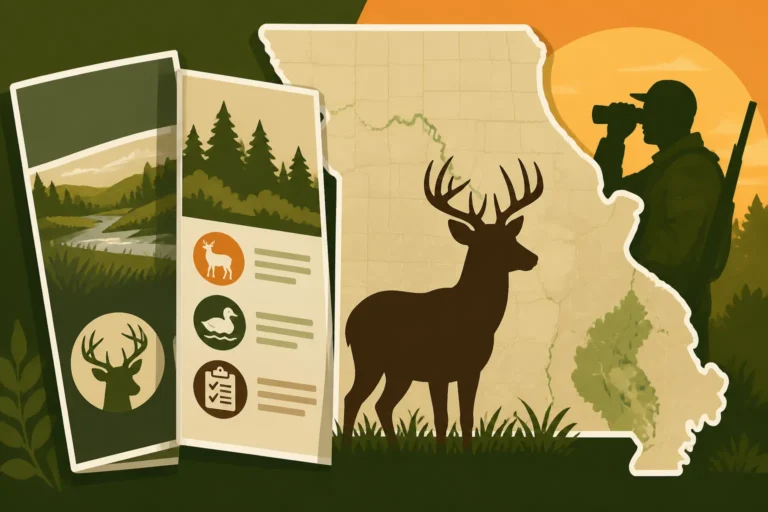
The public hunting grounds in the Bootheel, especially the managed wetland areas, often have specific rules that go beyond general statewide regulations. These rules are designed to ensure fair chase, manage pressure, and protect sensitive habitats. For instance, areas like Ten Mile Pond or Otter Slough require participation in a daily drawing for hunting blinds or units. This means arriving early, registering, and hoping for a good draw number. There are often restrictions on shooting hours, the types of blinds or decoys allowed, and even when you can enter and exit the hunting area. Some areas may have temporary closures due to flooding or other management activities. It's absolutely critical to consult the specific area brochure for any conservation area you plan to hunt. These brochures, often available online through the MDC website or in print at kiosks on the areas themselves, contain detailed maps, contact information, and all special regulations. Ignoring these localized rules can lead to citations or a loss of hunting privileges. Understanding Managed Hunt Draws on Missouri Wetlands is a must for waterfowl hunters.
Understanding Private Land and Trespass Law
Given the vast amount of private agricultural land in the Bootheel, understanding Missouri's trespass laws and how to gain access to private ground is fundamental. Missouri law generally requires landowner permission to hunt on private property. While not always legally required for unposted land, it is always best practice to seek explicit permission, preferably in writing. Farms in the Bootheel are often large-scale operations, and building relationships with landowners can unlock fantastic hunting opportunities, especially for deer that often utilize private timber blocks adjacent to fields. However, simply showing up and knocking on doors can be intimidating. Resources like Asking a Missouri Farmer for Permission provide tips on how to approach landowners respectfully. Utilizing mapping tools like onX Hunt is invaluable here. It allows you to instantly see property lines and landowner information (where available), helping you identify potential access points and correctly identify who to ask for permission. This technology prevents accidental trespass and streamlines the permission-seeking process. Even if you're hunting public land, onX Hunt can help ensure you don't inadvertently cross onto private property, especially in areas with unmarked boundaries. GoHunt can also be a valuable resource for general hunting information, though its primary focus is Western states, its articles on hunt planning and ethics are universally applicable. Missouri Trespass and Permission Law outlines the legal framework that every hunter should know.
Essential Strategies for Hunting the Bootheel
Hunting in the Bootheel requires a unique blend of traditional hunting skills and specific adaptations to its distinct environment. What works in the Ozarks or North Missouri may not yield the same success in the delta. Hunters who embrace flexibility and focus on a few key strategies will find more consistent success.
Scouting and Pre-Season Preparation
Effective scouting is the bedrock of any successful hunt, but in the Bootheel, it takes on even greater importance due to the dynamic nature of the landscape and intense agricultural activity. Pre-season aerial reconnaissance, whether through online maps or a mapping app like onX Hunt, is invaluable. Look for those critical pockets of timber, brushy fencerows, and drainage ditch systems that serve as travel corridors and bedding areas in a sea of fields. Pay close attention to crop types and their proximity to cover. If you're targeting waterfowl, scout water levels, identify potential roosting areas, and observe bird flight patterns. A crucial element of scouting in the Bootheel is understanding that conditions can change rapidly; what you see in August might be completely different by November after harvest or heavy rains. So, recent intelligence is vital.
| Scouting Type | Focus Areas | Key Considerations | Recommended Tools |
|---|---|---|---|
| Aerial/Map Scout | Timber blocks, fencerows, ditch lines, crop fields | Public/private boundaries, access routes, bedding areas | onX Hunt, MDC Conservation Atlas |
| On-the-Ground | Tracks, rubs, scrapes, droppings, feather piles | Recent activity, entry/exit routes, habitat conditions | Boots, binoculars, trail cameras |
| Waterfowl Specific | Water levels, bird concentrations, flight lines | Roosting areas, feeding patterns, managed hunt rules | Binoculars, spotting scope |
For deer, identifying where deer enter and exit fields, particularly at dawn and dusk, is crucial. Look for old rubs and scrapes along timber edges and ditch banks. During the season, if crop fields are still standing, focus your efforts on the very edges where deer browse on soybeans or corn. After harvest, deer may shift their patterns to seek out waste grain or move to deeper cover. Scouting Missouri Public Land Before Season provides general guidelines that can be adapted for the Bootheel.
Adapting to Wetland and Agricultural Environments
Hunting in the Bootheel means adapting to two primary environments: the wet, timbered lowlands and the vast agricultural expanses. For deer hunting in timbered areas, particularly on conservation lands, consider elevated stands or saddle hunting setups that allow you to overlook sloughs or pinch points between slightly higher ground. Since the terrain is flat, even a slight elevation can offer a significant advantage for visibility and scent control. For areas bordering agricultural fields, ground blinds brushed into fencerows or natural cover can be incredibly effective, especially if you're targeting deer moving between bedding and feeding areas. Ground Blinds on Crop Field Edges details how to set up effectively. Scent control is vital due to the open nature of many hunting spots and how quickly a breeze can shift.
Waterfowl hunting, of course, revolves around the water. Whether you're in flooded timber or open moist-soil units, understanding decoy placement, effective calling, and camouflage is critical. In timber, smaller spreads and more realistic calling may be necessary to pull birds through the canopy. In open water, larger spreads and aggressive calling can be effective. Always be prepared for mud, standing water, and biting insects. Quality waders and waterproof outerwear are not optional; they are survival gear in the Bootheel. Additionally, familiarity with specific area rules regarding blind construction and decoy limits is essential.
Dealing with Hunting Pressure
Public hunting grounds in the Missouri Bootheel, especially the managed waterfowl areas and accessible deer timber, can experience significant hunting pressure, particularly on weekends and during peak season. This pressure can make game, especially deer and turkeys, more nocturnal or push them into the thickest, most overlooked cover. To counter this, consider hunting during weekdays when pressure is typically lower. For deer, walking a bit further than the average hunter is often rewarded. Don't be afraid to penetrate deeper into the timber blocks or explore areas that look less appealing from the road. Finding Ground Others Walk Past is a concept particularly applicable here.
For waterfowl, managed hunt systems are designed to distribute pressure, but popular areas can still be challenging. Having diverse calling strategies and being observant of how other hunters are working birds can give you an edge. Sometimes, simply waiting out the initial rush and hunting later in the morning can yield results as birds get bumped around and start looking for quieter spots. Being flexible and adaptable, and having a backup plan if your primary spot is crowded, is key to success in a pressured environment. Utilizing mapping technology like onX Hunt can help you identify less-trafficked access points or overlooked pockets of cover on public ground, giving you a quiet edge even on popular areas.
Disclaimer
This article is for general informational purposes only and does not constitute professional advice. Laws, prices and regulations vary by location and change over time. Consult a qualified professional for guidance on your specific situation.