Alternative Methods Deer Hunting in Missouri
It can feel like once the roar of the November firearms portion dies down and the archery season takes its second break, your opportunities to pursue a Missouri whitetail are all but gone. Many hunters pack up their gear, resigning themselves to waiting for next year, but that's simply not true! Missouri's Alternative Methods deer season offers a fantastic, often overlooked, chance to extend your time in the woods and harvest a deer using unique and challenging equipment. This guide will walk you through everything you need to know to make the most of this exciting late-season opportunity.
Understanding Missouri's Alternative Methods Portion
For many hunters, the concept of "alternative methods" might sound a bit vague, almost like a catch-all for anything outside of a modern rifle or traditional bow. But in Missouri, this specific deer season portion is a well-defined and incredibly valuable period that opens up new avenues for deer hunters. It’s a chance to challenge yourself, explore different equipment, and enjoy the Missouri woods in a quieter, colder, but often highly rewarding time of year.
What Exactly is the Alternative Methods Portion?
The Missouri Alternative Methods portion typically runs for a specific period in late December and early January, usually starting after Christmas and extending into the new year. It's designed to provide hunters with additional opportunities to harvest deer outside the primary firearms and archery seasons, utilizing a specific set of allowed weapons. Think of it as a bridge between the main seasons, allowing you to keep hunting when many others have called it quits. The Missouri Department of Conservation (MDC) sets these dates annually, and while they can shift slightly, you can generally count on those late December to early January windows. This season is particularly valuable for herd management, allowing for additional antlerless harvest opportunities when winter conditions often make deer more predictable and visible. It's a strategic move by the MDC to help manage deer populations effectively.
The primary purpose isn't just to extend hunting, though that's certainly a perk. It's also to provide different hunting experiences. The types of weapons allowed in this portion often demand a different style of hunting, often more deliberate and close-range, which appeals to many traditional-minded hunters or those looking for a new challenge. It’s also a time when the leaves are off the trees, providing better visibility, but also when the deer are keenly focused on surviving the cold, making food sources absolutely critical.
Why This Season Matters to Hunters
The Alternative Methods portion is a fantastic opportunity, especially for those who cherish every moment in the field. First and foremost, it extends your season, giving you more days to be out there pursuing whitetails when most other states' opportunities have long passed. This extra time can be crucial if you struck out during the earlier portions or if you're looking to fill additional tags for your freezer. It’s also often a time of year when deer patterns become more predictable. The extreme cold, coupled with decreasing natural forage, drives deer to concentrated food sources, making them easier to locate and pattern.
Beyond just extending the season, it offers a different kind of hunting experience. The allowable weapons, such as muzzleloaders and crossbows, require a distinct set of skills and patience. It's a slower, more deliberate hunt. You're often dealing with colder temperatures, and the stark winter landscape creates a unique atmosphere. For many, this is the magic of the alternative methods season – the quiet solitude of the winter woods, the challenge of working within the limitations of traditional or specialized gear, and the satisfaction of a hard-earned harvest when conditions are at their toughest. It's also a great way to introduce new hunters, especially youth, to deer hunting, as crossbows and muzzleloaders can be less intimidating than some other firearms or traditional archery gear.
Legal Weapons for the Alternative Methods Portion
One of the most defining aspects of Missouri's Alternative Methods portion is the specific list of legal weapons you can use. This isn't a free-for-all; it's a carefully curated selection designed to offer unique challenges and opportunities. Understanding these regulations is paramount to a successful and legal hunt. Misinterpreting the rules can lead to fines and loss of hunting privileges, which is something no one wants.
Exploring Muzzleloaders and Their Rules
Muzzleloaders are perhaps the most iconic weapon of the Alternative Methods portion, embodying a blend of tradition and effective hunting. To be legal for deer hunting in Missouri, a muzzleloader must be .40 caliber or larger and fire a single projectile. This means no buckshot or multiple projectiles. Both cap-and-ball revolvers and single-shot muzzleloader rifles are permitted. Importantly, you're limited to only black powder or a black powder substitute. This means no smokeless powder, which is a common propellant in modern cartridge firearms. The intent here is to maintain the traditional "primitive weapon" feel.
When choosing a muzzleloader, consider ease of loading in cold weather. Some in-line muzzleloaders with 209 primers are much more user-friendly than traditional flintlocks or percussion caps, especially when your fingers are numb. While the romance of a flintlock is undeniable, for a practical late-season hunt, an in-line can offer quicker reloading and greater reliability. Hunters often debate the best muzzleloader calibers legal in Missouri, with .50 caliber being extremely popular due to its wide availability of projectiles and excellent knock-down power. Remember, you're typically looking at shorter ranges with muzzleloaders compared to modern rifles, so shot placement and practice are critical.
Crossbows: A Growing Popularity
Crossbows have seen a significant surge in popularity in recent years, and for good reason. They offer a unique blend of accuracy, power, and ease of use that makes them an excellent choice for the Alternative Methods portion. In Missouri, crossbows are fully legal for deer hunting during this period, and they are also legal during the entire archery season for all hunters. This makes them a very versatile piece of equipment. There are no specific draw weight requirements for crossbows in Missouri, unlike traditional bows, but you should always choose a crossbow powerful enough to humanely harvest a deer.
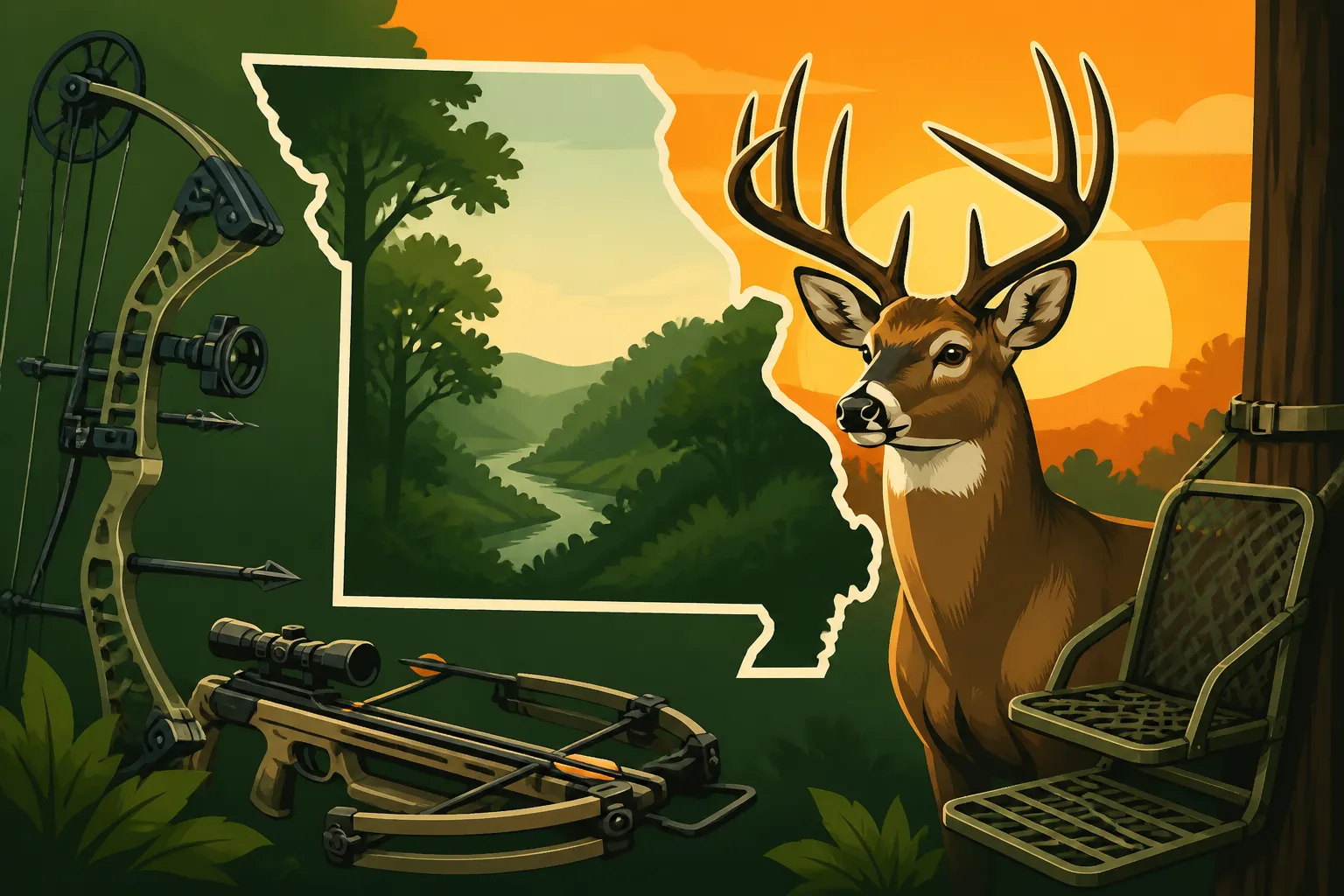
The advantages of crossbows are numerous, especially in colder weather. They are much easier to hold at full draw for extended periods, which is a huge benefit when a deer is slowly approaching or if you're battling the shakes from the cold. They also require less physical exertion to shoot accurately compared to a compound or traditional bow, making them accessible to a wider range of hunters, including those with physical limitations or newer to hunting. However, don't mistake ease of use for lack of challenge. Crossbow hunting still demands precision shot placement, careful stalking or stand placement, and a thorough understanding of deer behavior. For hunters looking to dive into Crossbow Hunting Under Missouri Rules, the Alternative Methods portion is a fantastic time to do it, with many mature deer still roaming and less foliage to obscure shots.
Handguns and Archery Equipment
Beyond muzzleloaders and crossbows, the Alternative Methods portion also allows for certain handguns and traditional archery equipment. For handguns, you'll need to use a centerfire pistol that fires a single projectile. This means no rimfire cartridges, and the caliber generally needs to be substantial enough for deer. While there isn't a strict minimum caliber listed for handguns in the Alternative Methods portion, practical and ethical considerations suggest a .357 Magnum, .44 Magnum, or larger is appropriate for clean, humane kills. Handgun hunting is a demanding skill, often requiring very close ranges and immense discipline, but it can be incredibly rewarding.
Traditional archery equipment, including compound bows, recurve bows, and longbows, is also legal. If you're using a compound bow, it must have a minimum draw weight of 40 pounds. For recurves and longbows, the minimum draw weight is 30 pounds. These requirements are in place to ensure enough kinetic energy is generated for a humane harvest. While the main archery season allows these, their inclusion in the Alternative Methods portion means you can still opt for a pure archery challenge late in the year. Many archers find that with the leaves off and deer patterns simpler, the late season offers excellent opportunities for those close-range bow shots. Whether it's the primitive challenge of a traditional bow or the advanced precision of a compound, these options round out the diverse array of choices available to hunters during this unique segment of the Missouri deer season.
Here’s a quick overview of the legal weapons and their key characteristics:
| Weapon Type | Minimum Caliber/Draw Weight | Propellant/Mechanism | Key Advantage | Challenge/Consideration |
|---|---|---|---|---|
| Muzzleloader | .40 caliber | Black powder/substitute | Traditional, powerful at range | Slower reload, weather sensitivity |
| Crossbow | None specified | Pre-cocked string | Accurate, easy to hold, accessible | Shorter range than rifle, heavier |
| Centerfire Handgun | .357 Magnum (recommended) | Centerfire cartridge | Highly challenging, portable | Very short range, high skill needed |
| Compound Bow | 40 lbs draw weight | Mechanical Advantage | Quiet, precise, versatile | Physical demand, practice intensive |
| Recurve/Longbow | 30 lbs draw weight | Manual Draw | Traditional, quiet, light | Shortest range, most skill required |
Strategic Deer Hunting in the Alternative Methods Portion
Hunting during the Alternative Methods portion means embracing winter hunting strategies. The deer you're pursuing have been pressured for months, food sources are dwindling, and the cold is a constant factor. This isn't the chaotic rut of November; it's a game of patience, stealth, and understanding exactly what a deer needs to survive in the leanest part of the year. Your focus needs to shift dramatically to food, cover, and minimizing human disturbance.
Late-Season Food Sources and Scrapes
By late December and early January, the landscape is often stark. Acorns from early fall are long gone, and lush green browse is scarce. Deer are driven by hunger, and they will travel to find reliable calories. Your success hinges on identifying these critical food sources. Focus heavily on standing crop fields that haven't been fully harvested, like corn or soybeans. Even scattered leftover grains can be a magnet for deer. Turnips, brassicas, and winter wheat food plots are absolute gold mines if you have access to them on private land, as they remain palatable through heavy freezes and snow. On public land, look for areas with late-dropping mast like white oaks that might still hold some acorns or areas with dense, thorny browse like greenbrier and multiflora rose that offer both food and cover.
It’s also worth paying attention to what I call "residual" scrapes. While the intense rut-driven scraping activity is over, you might still find bucks freshening scrapes, especially near primary food sources. These aren't necessarily about breeding anymore; they might be more about communication, marking territory, or simply a habit. A hot scrape line near a reliable food source, especially if you're using a mapping tool like GoHunt to scout the area for nearby bedding cover, could indicate a buck that is still active and predictable. Understanding Late-Season Food Sources for Whitetails is paramount, as deer become incredibly sensitive to changes in their environment during this time, and food is their primary driver.
Capitalizing on Post-Rut and Winter Patterns
The post-rut phase, which overlaps heavily with the Alternative Methods portion, sees bucks recovering from the grueling breeding season. They are often run down, have lost significant body weight, and are now solely focused on replenishing their energy reserves. This means their patterns become much more predictable: feed, bed, feed. This simplicity is a huge advantage for hunters. Bucks will often be found near does, using them to find food, or tucked away in dense thermal cover to conserve energy.
Winter patterns are heavily influenced by weather. On extremely cold days, deer will often bed down earlier and stay bedded longer in thick cover, moving primarily during the warmest parts of the day, usually mid-morning to late afternoon. Look for south-facing slopes or thick cedar thickets that can offer protection from cold north winds and capture what little sunlight there is. After a significant snow event, deer often "yard up" or concentrate in sheltered areas, creating visible trail networks between bedding and feeding. These trails become high-traffic highways, offering excellent ambush points. Your goal is to intercept them as they move from these thermal bedding areas to their preferred food sources, a pattern that becomes remarkably consistent in the harsh winter months.
Locating Deer in December and January
Finding deer in the winter means adjusting your scouting tactics. With snow on the ground, fresh tracks are your best friend. A good snow will reveal exactly where deer are bedding, feeding, and traveling. Pay attention to the size and depth of tracks – larger, deeper tracks might indicate a mature buck. Look for rubs and old scrapes as general indicators of past buck activity, but prioritize fresh tracks leading to and from current food sources. In areas without snow, focus on well-worn trails, fresh droppings, and browse lines around preferred food.
Glassing from a distance, especially during low-light hours, can be incredibly effective. Find a vantage point overlooking crop fields, clearcuts, or power lines that offer visibility into potential feeding or staging areas. Use good binoculars, perhaps an 8×42 or 10×42, to scan for movement. Often, late-season deer will not move until just before dark, so patience is key. During this time, deer are also more apt to be out during the day if the weather is especially brutal or if they've found a secure, low-pressure food source. It's often the diligent hunter who puts in the miles on foot, especially on public land, who will find those overlooked pockets of deer that others have given up on. Remember, many hunters quit after the main firearms season, leaving opportunities for those who persist.
Essential Gear and Setup for Late-Season Success
Hunting during the Alternative Methods portion means embracing the cold. Your gear choices, from the clothes on your back to your weapon setup, need to be optimized for harsh winter conditions. Being unprepared for the elements or having unreliable equipment will quickly send you packing, long before a deer has even shown its face.
Cold Weather Clothing and Staying Comfortable
Staying warm is non-negotiable for an enjoyable and effective late-season hunt. Hypothermia isn't just uncomfortable; it's dangerous, and it makes it impossible to sit still and focused for long periods. Layering is the absolute key to success. Start with a good base layer that wicks moisture away from your skin, like merino wool or synthetic materials. Avoid cotton at all costs, as it absorbs moisture and will make you cold once you stop moving. Add a mid-layer for insulation, such as fleece or down, and top it off with a windproof and waterproof outer shell.
Don't forget your extremities! A warm hat that covers your ears is critical, as a significant amount of body heat is lost through your head. Insulated, waterproof gloves or mittens (with finger access for shooting) are essential. A good pair of insulated, waterproof boots, perhaps with toe warmers, will save your feet. For long sits, consider a portable heated seat cushion. Remember, you might generate a lot of heat walking to your stand, but once you sit still, your body temperature will drop rapidly. Having the right Cold Weather Sitting Strategy and the layers to adjust to changing conditions is paramount.
Optimizing Your Weapon for Precision
Your weapon choice for the Alternative Methods portion often dictates specific gear adjustments. If you're using a muzzleloader, ensure your powder and primers are kept dry. Invest in a good waterproof case for your spare powder charges and caps/primers. Practice loading and firing in cold weather – numb fingers make delicate tasks difficult. A muzzleloader scope with good low-light gathering capabilities can be a huge advantage in the dim winter woods, but make sure it’s sighted in for your practical hunting range, which for most muzzleloaders is 100-150 yards.
For crossbow hunters, check your string and cables for wear, as cold can make materials more brittle. Ensure your bolts are straight and your broadheads are sharp and correctly aligned. Consider a simple, reliable scope with minimal magnification, often a 1-4x or fixed power, as shots are generally close. Handgun hunters face the greatest challenge regarding range and accuracy; rigorous practice is required to consistently hit a deer-sized target at 25-50 yards under hunting conditions. For any weapon, ensure it's sighted in perfectly, and practice shooting in the cold while wearing your hunting clothes. The goal is to minimize variables when that deer finally steps out.
Effective Blind and Stand Placement
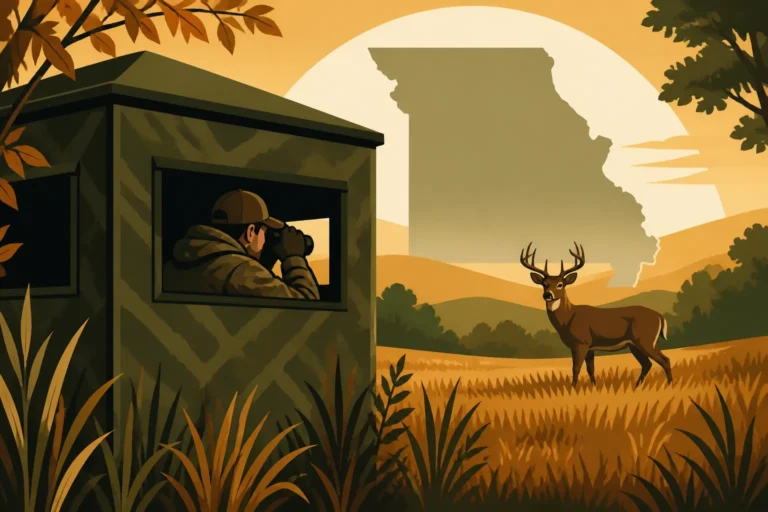
Stand or blind placement in the late season revolves around food and thermal cover. Deer are focused on survival, so your setup needs to be between bedding and feeding, or directly overlooking a preferred food source. Since the leaves are down, concealment is even more critical. Ground blinds on crop field edges can be incredibly effective, especially if brushed in well with natural vegetation to break up their outline. Make sure to anchor your blind securely, as winter winds can be fierce. A well-brushed-in blind provides excellent concealment and warmth, making those long, cold sits more bearable.
If using a treestand, focus on pinch points, funnels, or heavy cover near known food sources. With no leaves, your treestand will be much more visible, so choose a tree with plenty of natural cover like a multi-trunked oak or a dense cedar. Height can also be your friend. Always use a safety harness, no matter how quick or easy the climb seems. For those looking for new stand locations or scouting unfamiliar territory, consult the MDC’s Conservation Atlas or use mapping apps like GoHunt to identify key terrain features and potential bedding/feeding areas before you even step foot in the woods. This is especially useful for Ground Blinds on Crop Field Edges, where you can pinpoint the best entry and exit routes without spooking deer.
Smart Scouting and Public Land Navigation
Hunting public land during the Alternative Methods portion can be incredibly rewarding, but it also presents unique challenges. You're often dealing with deer that have been pressured, and you're competing, to some extent, with other hunters. Smart scouting and strategic navigation are the keys to unlocking success. This is where you put in the homework, using every tool at your disposal to find those overlooked pockets where deer still feel secure.
Pre-Season and In-Season Intelligence Gathering
Your scouting efforts shouldn't stop after the main firearms season. In fact, late-season scouting is arguably even more critical. Start by utilizing aerial maps and topographic maps from resources like the Missouri Conservation Atlas or digital platforms. Look for areas with dense thermal cover (cedar thickets, steep ravines, south-facing slopes) adjacent to potential food sources (standing crops, late-dropping oaks). Pay attention to water sources, which are always important. These maps can help you identify potential travel corridors and pinch points where deer are forced through narrow strips of cover.
Once on the ground, look for fresh sign. With snow, tracking becomes an art form. You can read the story of a buck’s day by following his tracks from bedding to feeding. Without snow, focus on fresh droppings, heavily used trails, and any remaining browse. Don’t be afraid to walk deep into public land, away from easy access points. Many hunters don't want to put in the effort during the cold, so the deeper you go, the less pressure you're likely to find. Learning Scouting Missouri Public Land Before Season isn't just for early fall; it's a year-round commitment that pays dividends in the late season.
Dealing with Public Land Pressure
Public land, especially conservation areas, sees significant pressure during the early seasons. By the Alternative Methods portion, some hunters have given up, but others are still out there. Your strategy needs to account for this. One of the best ways to deal with Hunting Pressure on Missouri Public Ground is to walk further than others are willing to. Most hunters will stick close to parking areas or well-worn trails. By venturing a mile or two (or more) into the timber, you dramatically increase your chances of finding unpressured deer.
Another tactic is to hunt mid-week or during less-than-ideal weather. While others might stay home on a snowy or bitterly cold day, these conditions can often trigger deer movement and reduce competition. Look for small, overlooked parcels of public land – perhaps odd-shaped sections that are difficult to access, or those bordered by private land that acts as a sanctuary. Remember, deer on pressured public land become masters of evasion. They will often move at night or stick to the thickest, nastiest cover during daylight hours. Your job is to find those secure spots they feel safe in and then plan your approach accordingly.
Leveraging Modern Mapping Technology
In today’s hunting world, digital mapping tools are an absolute game-changer, especially for scouting and navigating public land. Apps like GoHunt allow you to overlay property lines, topographic maps, aerial imagery, and even weather data, all on your phone. This makes it incredibly easy to identify public land boundaries, locate potential bedding areas on steep terrain, and pinpoint hidden food sources. You can mark waypoints for fresh sign, ideal stand locations, or potential ingress/egress routes.
Using GoHunt to analyze aerial photos can reveal subtle changes in terrain, such as old logging roads, creek bottoms, or fence lines that act as natural deer funnels. You can use the topo lines to predict how deer will move with certain wind directions or thermals. Knowing where public land transitions to private can also inform your strategy, as deer often use private land as a sanctuary during the day, moving to public food sources in the evening. These tools help you build a detailed picture of the land without having to put boots on the ground everywhere, saving you time and minimizing disturbance before your hunt.
Adhering to Regulations and Ethical Practices
Successful hunting isn't just about filling a tag; it's about doing so legally and ethically. Missouri has specific regulations governing the Alternative Methods portion, and it's your responsibility as a hunter to know and follow them to the letter. Ignorance of the law is never an excuse, and upholding ethical standards ensures the future of our hunting heritage.
Permit Requirements and Telecheck Procedures
To hunt during the Alternative Methods portion, you'll need the appropriate deer permit. For residents, this typically means a firearms deer permit or an archery deer permit that is still valid. Non-residents will need a non-resident firearms or archery permit. Always double-check the current year's regulations on the MDC website, as specific permit requirements can sometimes change. The Alternative Methods portion is often a great time to use those antlerless-only permits if you have them, especially in counties with higher deer densities.
Once you harvest a deer, you are legally required to Telecheck it. Telecheck is Missouri’s mandatory harvest reporting system. You can Telecheck your deer online through the MDC website or by calling a toll-free number. Make sure you do this by 10:00 PM on the day of harvest, or before the deer leaves the state. When you Telecheck, you'll need your permit number, the county of harvest, and information about the deer (e.g., antlered or antlerless). This system is vital for the MDC to gather accurate harvest data, which helps manage deer populations. Understanding Telecheck Requirements After a Harvest is non-negotiable for every Missouri hunter.
CWD and Carcass Transport Guidelines
Chronic Wasting Disease (CWD) is a serious neurological disease that affects deer, elk, and moose. Missouri has CWD management zones, and during all deer seasons, including Alternative Methods, there are specific rules regarding carcass transport. If you harvest a deer in a CWD Management Zone county, you cannot transport the whole carcass out of that county, except for certain parts like boned-out meat, capes, or clean skulls. This rule is in place to help prevent the spread of CWD to new areas.
The MDC offers voluntary CWD testing sites during various portions of the deer season. If you harvest a deer and wish to have it tested, you can drop off the head at one of these designated locations. Check the MDC website for current CWD management zones and testing locations, as these can change annually. Responsible Carcass Transport Rules Out of Missouri are not just about compliance; they're about being a responsible steward of the deer herd and helping to minimize the spread of this devastating disease.
Ensuring Ethical Shots and Responsible Recovery
The cold weather and challenging conditions of the Alternative Methods portion make ethical shot placement and diligent recovery efforts even more critical. When using muzzleloaders, crossbows, or handguns, shot opportunities are often at closer ranges, emphasizing the need for precision. Always aim for the vital organs (heart/lungs) and only take a shot when you are confident in your ability to make a clean kill. Avoid rushing the shot, even if it means letting a deer walk.
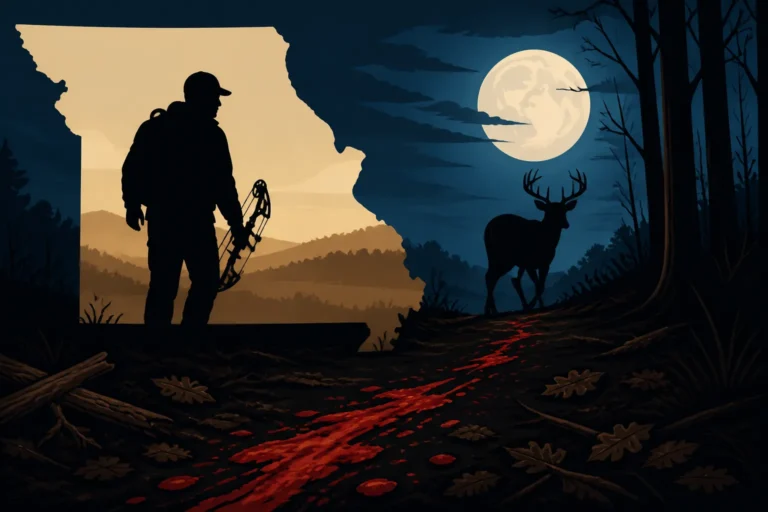
If you make a shot, immediately mark the spot where the deer was standing and the direction it ran. Wait a minimum of 30 minutes, or longer if it's a marginal hit, before beginning to trail. Blood trailing in the cold can be challenging, as blood can freeze or be quickly covered by falling snow. Carry a good headlamp, even if you plan to recover during daylight, as tracking often extends into the evening. Pay attention to broken twigs, overturned leaves, and distinct tracks. If you lose the trail, back out and return with a fresh perspective or, if necessary, contact a trained tracking dog handler. The commitment to recovering an animal is a fundamental ethical responsibility, and it can be particularly tough after dark in the Missouri woods. For more on this, check out Blood Trailing After Dark in Missouri.
The Unique Challenges and Rewards of Alternative Methods
Hunting during Missouri's Alternative Methods portion is not for the faint of heart, but it offers a profound sense of satisfaction that few other hunting experiences can match. It pushes you to your limits, challenges your gear, and rewards patience with unparalleled solitude and the thrill of a hard-earned harvest.
Conquering the Winter Elements
The most significant challenge of late-season hunting is undoubtedly the weather. Bitter cold, biting winds, and heavy snow are common in late December and early January. These conditions require meticulous planning and preparation to stay warm, dry, and safe. Frozen fingers, numb toes, and shivering in a stand can quickly turn a hunt into a miserable experience. You might encounter ice-covered trails, making walking treacherous, or deep snow that drains your energy and slows your pace.
Furthermore, these elements impact deer behavior. Deep snow can restrict movement, pushing deer to specific areas. Extreme cold forces them to seek thermal cover and conserve energy, making them less active during daylight hours. Learning to read these environmental cues and adjust your strategy accordingly is a huge part of the challenge. It’s a battle of wits against both the deer and Mother Nature, and when you succeed, there’s a heightened sense of accomplishment that comes from conquering such formidable adversaries.
Embracing the Traditional Hunting Experience
Despite the challenges, the Alternative Methods portion offers immense rewards. One of the greatest is the quiet solitude of the winter woods. The crowds of the firearms season have largely dissipated, leaving you with a serene, often snow-covered, landscape. It’s a time for reflection, for connecting deeply with nature, and for truly appreciating the beauty of Missouri’s wilderness in its rawest form.
The specific weapons allowed – muzzleloaders, crossbows, and traditional archery gear – foster a more traditional hunting experience. They demand closer ranges, greater stealth, and a more intimate understanding of deer movement. There's a tangible connection to hunting heritage when you're waiting in a tree with a crossbow in hand, or carefully loading black powder into a muzzleloader. This season isn't just about filling a tag; it's about the journey, the challenge, and the deeply satisfying feeling of outsmarting a wary whitetail on its home turf when the conditions are at their toughest. It's a chance to extend your season and enjoy the unique thrill that only Alternative Methods Portion Weapon Choices can provide.
Disclaimer
All information provided in this guide is for informational purposes only. Hunting regulations and seasons can change annually. It is the hunter's responsibility to consult the current Missouri Department of Conservation (MDC) regulations before participating in any hunting activity. Always prioritize safety and ethical hunting practices.