Legal Weapons in the Alternative Methods Portion
The late season in Missouri can be truly special, offering a different kind of challenge and a unique opportunity to fill those last tags. But one of the biggest questions I hear from hunters is about the "Alternative Methods Portion" – specifically, what exactly can you use? Navigating the regulations for this specific period can feel a bit like deciphering an ancient scroll, leaving many hunters scratching their heads. This guide is here to clear up the confusion, explaining precisely which weapons are legal and how to prepare for a successful hunt during this unique deer season.
Understanding the Alternative Methods Portion
Missouri's Alternative Methods Portion offers a distinct opportunity for deer hunters, typically falling after the main firearms season and before the very late antlerless portions. It’s a chance to extend your time in the woods and often presents a different hunting scenario due to weather patterns and deer behavior. This isn't just a random slot in the calendar; it's a carefully designed period that allows hunters to use specific equipment that might not be legal during other firearms seasons.
When is it and Why an "Alternative" Portion?
The Alternative Methods Portion usually takes place in December, after the hustle and bustle of the November firearms season has settled. This timing means you're often dealing with colder weather, deer that have been pressured, and potentially a landscape altered by snow or leaf drop. The "alternative methods" designation is precisely because it allows for a broader range of legal weapons than the traditional rifle season, but typically excludes modern centerfire rifles. It’s a way to provide additional hunting opportunities while managing deer populations, especially in counties where antlerless harvest is encouraged. For many, it’s a treasured chance to get back out there after the frenzy of the rut and the main firearms season have passed, offering a more tranquil, late-season experience. You can find more details about this period in Missouri's Alternative Methods Portion.
The rationale behind this specific portion often comes down to population management and providing diverse hunting experiences. By allowing weapons like muzzleloaders, shotguns, handguns, and even crossbows, the Missouri Department of Conservation aims to cater to a wider array of hunting preferences and equipment while still maintaining control over the harvest. This period helps to spread out hunting pressure, allowing for a more sustained harvest throughout the fall and early winter. It's an excellent time for hunters who might prefer the challenge of a muzzleloader or the quiet efficiency of a crossbow, and it helps ensure the overall health of the deer herd by providing opportunities to take additional does.
Detailed Breakdown of Legal Weapon Types
When it comes to the Alternative Methods Portion, the key is "alternative." This means you'll be leaving your high-powered centerfire rifle in the safe. Instead, hunters typically rely on specific types of firearms and archery equipment, all designed to offer a fair chase while managing range and impact. It’s crucial to understand the nuances of each category to ensure you’re hunting legally and effectively.
Permitted Firearms for Deer
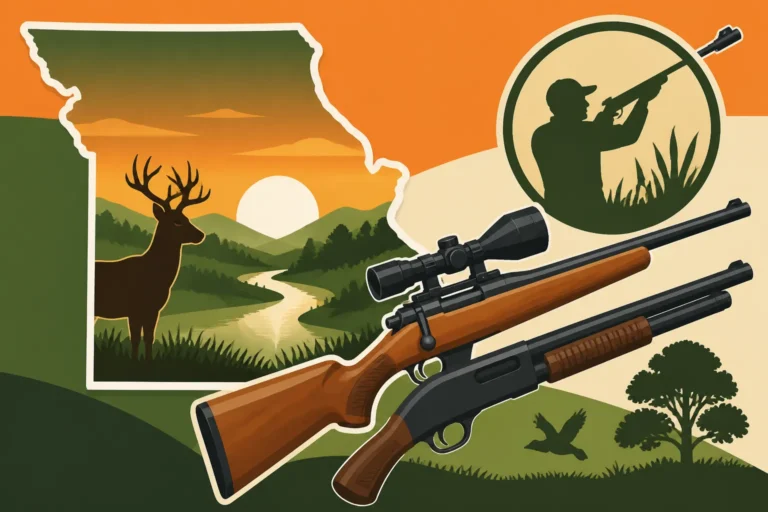
During the Alternative Methods Portion, legal firearms are generally limited to shotguns, muzzleloaders, and certain handguns. These choices provide effective range for the varied landscapes of Missouri, from dense timber to open fields, without the long-range capabilities of modern rifles. Each type has its own characteristics and advantages, making the choice often a personal one based on preference and hunting style. For hunters looking to participate, familiarizing yourself with these options is the first step.
Shotguns: Smoothbore shotguns, 10 gauge or smaller, are a popular choice. They must be loaded with single projectiles only – meaning slugs, not buckshot or birdshot. While shotguns firing slugs might not have the reach of a rifle, they are incredibly effective in Missouri's typically timbered and brushy environments where shots are often under 100 yards. The stopping power of a modern slug is substantial, making them a reliable option. Many hunters, especially those who grew up using shotguns for deer, feel right at home with this choice, and it's a solid performer in thick cover.
Muzzleloaders: Traditional or modern muzzleloading firearms, from .40 caliber up, are perfectly legal and widely used. This includes both percussion cap and flintlock models, as well as modern in-line muzzleloaders. Hunters often appreciate the added challenge and historical feel of hunting with a muzzleloader. The range can be similar to or slightly less than a shotgun slug, depending on the load and rifle, but they are very accurate within their effective zone. Just remember to check the specific regulations on propellants and projectiles; generally, you'll be using black powder or a black powder substitute, and a single projectile. Preparing for a muzzleloader hunt involves careful cleaning and practice, but it's a rewarding experience. More on this can be found in Muzzleloader Tactics in the Alternative Methods Portion and Muzzleloader Calibers Legal in Missouri.
Pistols: Centerfire pistols are also permitted, provided they use expanding-point bullets. There are caliber restrictions, so generally, you’re looking at calibers like .357 Magnum, .44 Magnum, or larger, capable of humanely harvesting a deer. Hunting with a handgun is perhaps the most challenging of the firearm options, requiring excellent marksmanship and a deep understanding of the weapon's effective range, which is typically much shorter than a shotgun or muzzleloader. It's a method often favored by seasoned handgun hunters seeking an extra challenge, requiring them to get significantly closer to their quarry. If you're considering this, remember to review Handgun Hunting Rules in Missouri.
Archery Equipment for Deer
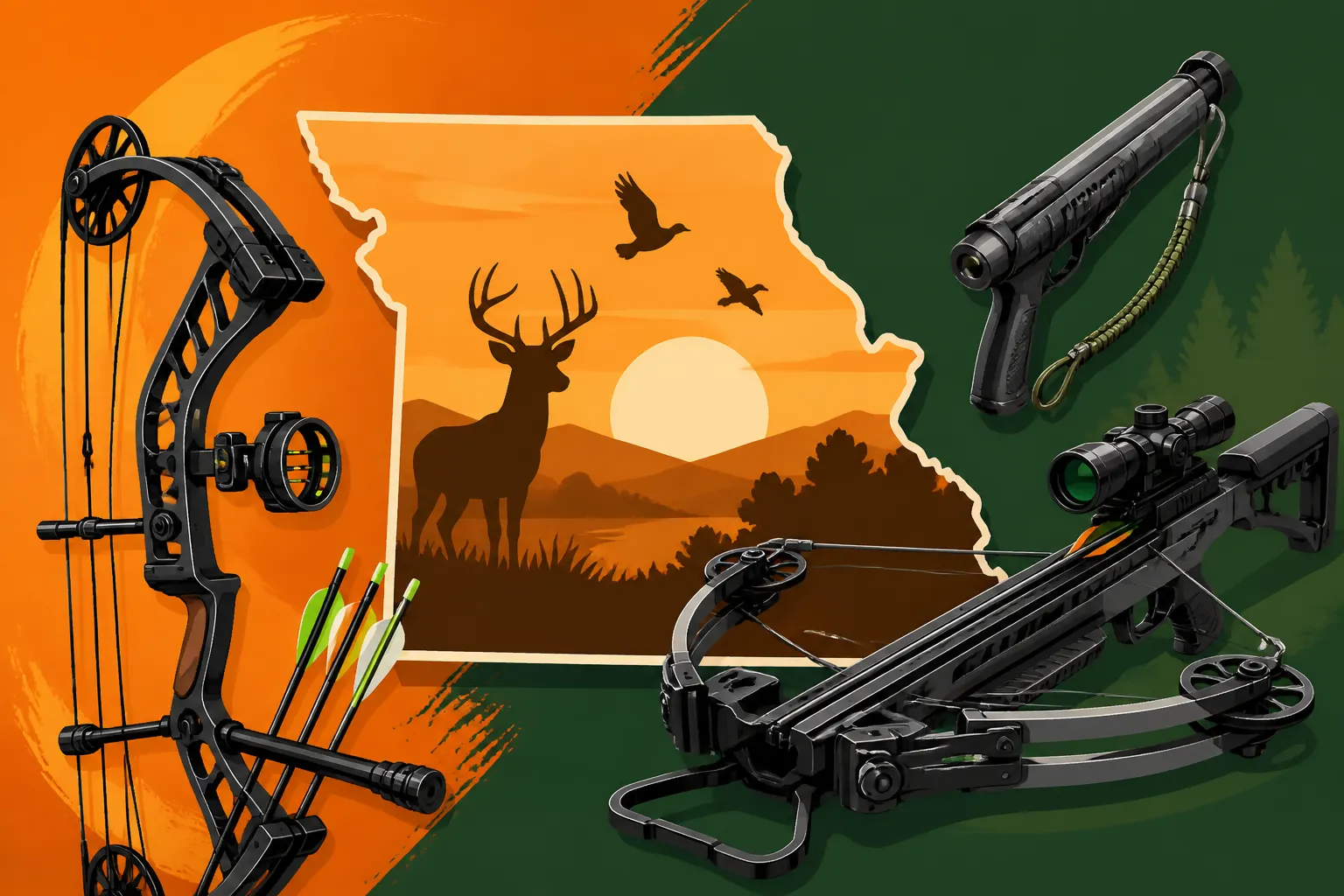
The Alternative Methods Portion is also open to archers, specifically allowing the use of longbows, recurve bows, compound bows, and crossbows. This provides a great opportunity for bowhunters who might have missed out or want to extend their archery season beyond the main fall split. The quiet nature of archery equipment means less disturbance in the woods, which can be a real advantage on pressured deer in late season.
Traditional and Compound Bows: Standard archery equipment is legal, following the same rules as the regular archery season. This means your compound, recurve, or longbow must meet minimum draw weight requirements and be capable of propelling a broadhead-tipped arrow. For many dedicated bowhunters, this portion is a natural extension of their season, allowing them to continue their preferred method of hunting. The stealth and skill required for bowhunting are amplified in the late season when deer are often wary and concentrated on specific food sources. It’s a truly immersive experience that brings you closer to nature.
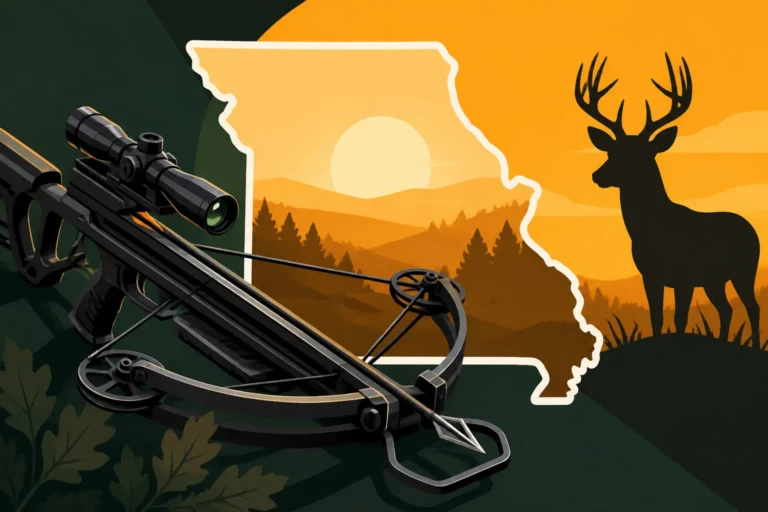
Crossbows: Crossbows are explicitly allowed during the Alternative Methods Portion, which is a significant consideration for many hunters. They offer a unique blend of rifle-like accuracy with the quiet operation of archery equipment. This can be a great option for hunters who might struggle with the physical demands of a compound bow, or simply prefer the mechanical advantage and stability of a crossbow. Just like with traditional bows, broadhead-tipped bolts are required. The ability to use a crossbow during this late season adds flexibility and accessibility, allowing more people to participate in deer hunting. Learn more in Crossbow Hunting Under Missouri Rules.
Other Legal Methods
While less common, some truly "alternative" methods are also permitted, showcasing Missouri's commitment to traditional and diverse hunting practices. These options cater to a very specific type of hunter, adding another layer to the definition of "alternative."
Air Guns: Certain air guns are legal, specifically pre-charged pneumatic (PCP) air rifles that are .40 caliber or larger and shoot a single projectile. These are not your backyard pellet guns; they are powerful, purpose-built hunting tools capable of taking big game at appropriate ranges. This is a relatively newer option that has gained some traction among hunters looking for a unique challenge or simply an alternative to traditional firearms. If you're thinking of trying this, make sure your air rifle meets all caliber and power requirements, and practice extensively to understand its capabilities. For specific requirements, see Are Air Rifles Legal for Missouri Deer?.
Atlatls: Yes, you read that right – atlatls are also legal! An atlatl is an ancient spear-throwing device that significantly increases the speed and force of a dart. This is arguably the most "alternative" method and is certainly not for the faint of heart. Hunting with an atlatl requires extreme skill, patience, and the ability to get incredibly close to your quarry. It’s a nod to primitive hunting traditions and offers an unparalleled challenge for those dedicated enough to master it. While not many hunters choose this path, its inclusion highlights the broad definition of "alternative" in Missouri's regulations.
Specific Rules and Restrictions
Beyond knowing what weapons are legal, it's equally important to understand the specific rules and restrictions that govern their use during the Alternative Methods Portion. These regulations are in place for safety, fair chase, and to ensure responsible hunting practices. Ignoring them can lead to serious consequences, so always double-check the current regulations before heading afield.
Ammunition and Projectile Rules
For every legal weapon during this portion, there are specific requirements for the projectiles you can use. This isn't just a suggestion; it's a critical safety and ethical consideration to ensure a quick, clean harvest.
For firearms like shotguns, only single projectiles (slugs) are permitted. You absolutely cannot use buckshot or birdshot when deer hunting, as these spreads are not designed for humane deer harvest. Muzzleloaders require a single projectile, usually a lead projectile or a sabot round, propelled by black powder or a legal substitute. Handguns also mandate expanding-point bullets to ensure adequate energy transfer and tissue damage. The emphasis across all firearm types is on precision and ethical killing power. Using the wrong ammunition can not only result in a wounded animal but also legal trouble.
For archery equipment, broadheads are non-negotiable. Whether you’re using a compound bow or a crossbow, your arrow or bolt must be tipped with an expanding broadhead or a fixed-blade broadhead. Field points or judo points are for practice or small game, not deer. The broadhead is designed to create a wound channel that causes rapid blood loss, essential for a quick and ethical harvest. Always ensure your broadheads are sharp and correctly installed on your arrows or bolts for maximum effectiveness.
Safety Considerations and Hunter Orange
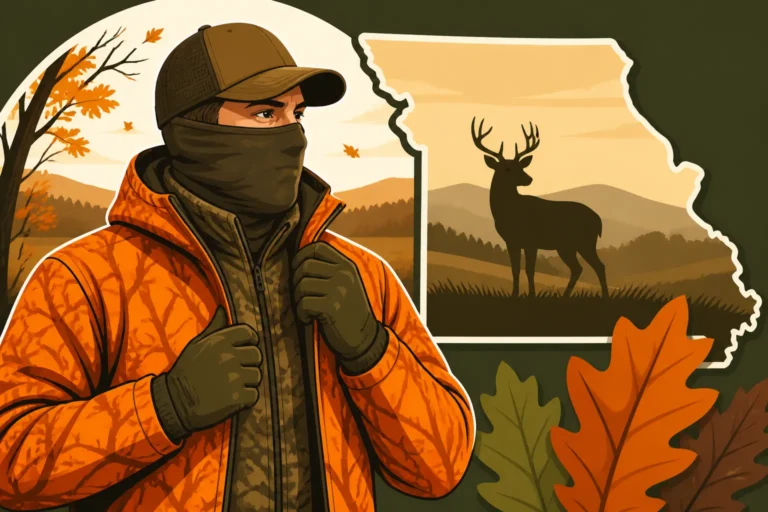
Safety is paramount, regardless of the season or weapon. During the Alternative Methods Portion, if you are hunting with a firearm (including muzzleloaders, shotguns, handguns, and air guns), the hunter orange requirements are still in effect. This means you must wear a substantial amount of hunter orange. Specifically, you need at least 400 square inches of hunter orange, visible from all sides, and an orange hat. This applies to all hunters, even archers, if they are hunting during a firearms portion. It's a critical safety measure, especially when hunting on public land or in areas with other hunters.
Even if you're bowhunting and no other firearm seasons are open, it's always wise to consider wearing some hunter orange, especially if you are walking in or out of your stand during low light. While it might not be legally mandated for every single scenario in the alternative methods, being visible to others is always a smart move. Think of it as an extra layer of protection, particularly if you find yourself tracking a deer into thick cover or traversing less-traveled parts of a conservation area. For the exact rules on visibility, refer to Missouri Hunter Orange Rules.
Weapon-Specific Limitations
Each weapon type also comes with its own set of practical and legal limitations. For shotguns, the effective range of a slug is generally considered to be around 75-125 yards, depending on the firearm, ammunition, and shooter skill. Pushing beyond this increases the risk of a non-lethal hit. Muzzleloaders, while capable of excellent accuracy, require careful loading and can be affected by moisture, demanding attention to detail in the field.
Handguns have the most restrictive effective ranges, typically under 50 yards for most ethical deer hunting, even for powerful magnum calibers. This necessitates exceptional stalking or stand placement skills. Air guns, too, have specific range limitations depending on their power and projectile, often best reserved for closer shots. Even crossbows, despite their accuracy, still have a maximum effective range much less than a centerfire rifle, and hunters must be mindful of proper shot placement and trajectory. Knowing your weapon's capabilities and practicing diligently are key to ethical hunting during this or any season.
Planning Your Hunt for the Alternative Methods Portion
The Alternative Methods Portion offers a chance to return to the woods in what can be a truly tranquil and productive time. However, success in late season often hinges on adapting your strategy and gear to the colder weather and the deer’s post-rut behavior. Planning is crucial, especially when you're limited to "alternative" weapons.
Choosing the Right Gear
Your gear choices during the Alternative Methods Portion are influenced by both the legal weapon restrictions and the typical December weather. Beyond your chosen firearm or bow, think about how you’ll stay comfortable and effective. Layered clothing is essential, as temperatures can swing dramatically, and sitting still for hours in a stand demands good insulation. Look for quality base layers, a warm mid-layer, and a windproof, waterproof outer shell. Brands like GoHunt often feature gear reviews and recommendations that can help you select appropriate clothing and accessories designed for cold-weather hunts. Don't forget insulated boots and warm gloves or mittens, as cold extremities can quickly end a hunt.
When it comes to your weapon, ensure it's sighted in and you've practiced extensively with the specific ammunition or broadheads you plan to use. If you're using a muzzleloader, practice your loading procedure in cold conditions. For crossbows, make sure your bolts are properly fletched and your broadheads are tuned. Having a good set of optics, such as binoculars or a rangefinder, is also important. They help you evaluate deer at a distance without making unnecessary movements and confirm ranges for ethical shots, especially critical with the more limited effective ranges of alternative methods weapons.
Scouting and Strategy for Late Season
Late-season deer hunting is often a game of food and thermal cover. Deer, having expended significant energy during the rut and facing colder temperatures, are heavily focused on reliable food sources and areas that offer protection from the elements. This means your scouting strategy needs to shift. Look for standing agricultural crops like corn or beans that might still be unharvested, or browse in timbered areas that offer consistent nutrition. Hard mast, if still available, can also be a key draw. Many hunters utilize mapping tools, often available through platforms like GoHunt, to identify potential food sources and dense cover on public or private land.
When scouting, pay close attention to fresh tracks leading to and from these areas. Trails will often be more defined now, as deer movement patterns become more predictable around food. Thermal cover, such as thick cedar thickets, south-facing slopes, or dense evergreen stands, will be critical bedding areas where deer can escape the wind and soak up what little sun is available. Your strategy should revolve around intercepting deer as they move between these bedding and feeding areas, especially during the last hour or two of daylight. Consideration of wind direction and thermal currents is even more critical in late season to avoid alerting wary deer. Late-Season Food Sources for Whitetails and Cold Weather Sitting Strategy offer excellent insights into these specific challenges.
Making the Most of Late Season Opportunities
The Alternative Methods Portion offers a unique kind of peace and quiet in the woods that you often don't find during the main firearms season. The crowds thin out, and a blanket of snow can transform the landscape, making tracking easier and offering beautiful, silent hunting experiences. This is also a fantastic time to fill those antlerless tags, contributing to local deer management goals while stocking your freezer for the winter. Remember that regulations can vary by county, so always check the specific county you plan to hunt to confirm antlerless limits and any CWD rules. Resources like the Missouri Department of Conservation's website or apps like GoHunt are invaluable for current regulations and area-specific information.
Embrace the challenge of the "alternative" methods. Whether it’s getting closer for a muzzleloader shot or mastering the crossbow, this portion is a great chance to hone different hunting skills. It’s also an excellent time for mentorship, taking a new hunter out when the pressure is lower and deer patterns are more defined. The memories made during a quiet, late-season hunt, perhaps with a dusting of snow on the ground, are some of the most cherished. So, bundle up, double-check your gear, and enjoy the unique opportunities that Missouri's Alternative Methods Portion provides.
Weapon Comparison for Alternative Methods Portion
| Weapon Type | Common Calibers/Draw Weights | Typical Ethical Range | Key Advantages | Key Disadvantages |
|---|---|---|---|---|
| Shotgun (Slug) | 10, 12, 16, 20 gauge | 75-125 yards | Powerful, good in thick brush, familiar to many | Limited range vs. rifles, heavy recoil |
| Muzzleloader | .40 caliber and up | 75-150 yards | Powerful, traditional feel, extended range over shotguns | Slower reloading, weather sensitive, smoke affects vision |
| Centerfire Pistol | .357 Mag, .44 Mag, .45 Long Colt | 25-50 yards | Compact, challenging, good for close encounters | Very limited range, difficult to shoot accurately |
| Compound/Recurve Bow | 40 lbs+ draw weight | 20-50 yards | Silent, highly challenging, extends archery season | Requires extensive practice, weather sensitive |
| Crossbow | 150 lbs+ draw weight | 30-70 yards | Accurate, easier to learn than traditional bow | Heavier than bows, sometimes bulkier |
| Air Gun (PCP) | .40 caliber and up | 50-75 yards | Quiet, unique challenge, no gunpowder | Limited power/range compared to firearms |
| Atlatl | N/A (spear darts) | 10-20 yards | Primitive, ultimate challenge, silent | Extremely limited range, high skill requirement |
Disclaimer
This article is for general informational purposes only and does not constitute professional advice. Laws, prices and regulations vary by location and change over time. Consult a qualified professional for guidance on your specific situation.