Legal Firearms in the Missouri Alternative Methods Portion
The Missouri Alternative Methods portion of deer season can feel like navigating a maze, leaving many hunters scratching their heads about what gear is actually legal. It's easy to assume "alternative" means anything goes, but the reality is much more specific, and getting it wrong can cost you a deer or even a fine. This guide is here to untangle the confusion, helping you understand precisely which firearms and other methods are permitted so you can hunt confidently and legally during this unique time of year.
Unpacking Missouri's Alternative Methods Portion
The Alternative Methods portion is a special segment of Missouri's deer season designed to offer hunters opportunities outside of the traditional firearms season. It’s a chance to extend your time in the woods and pursue deer with equipment that might not fit neatly into the archery or main firearms categories. This season is often characterized by colder weather and deer that have already felt some pressure, making your weapon choice and understanding the rules even more crucial.
What "Alternative Methods" Truly Means
When the Missouri Department of Conservation (MDC) refers to "Alternative Methods," they're not talking about just any method that isn't a modern centerfire rifle. Instead, it's a specific list of approved weapons that includes muzzleloading firearms, certain handguns, and of course, archery equipment like bows and crossbows. The intent behind this portion is to provide a challenge and to manage deer populations with methods that generally have a shorter effective range or a slower reloading time compared to high-powered rifles. It’s a deliberate shift in the hunting experience, encouraging closer encounters and different tactics.
Think of it as a bridge between the extensive Missouri's Eleven-Day November Firearms Deer Season and the long Bowhunting Missouri's Four-Month Archery Season. It allows for firearm use, but with distinct limitations that change the dynamic of the hunt. This period often coincides with late-season conditions, meaning deer are often focused on the best available food sources and trying to avoid persistent hunters. For many, it's a favorite time to get back out after the craziness of the November rifle season has settled down and before the really deep winter sets in.
Why This Portion Exists
The Alternative Methods portion serves multiple purposes within Missouri’s comprehensive deer management strategy. Firstly, it helps to extend hunting opportunities, giving residents and non-residents alike more time afield, which can be particularly appealing for those who missed the earlier seasons or prefer the challenge of specific weapon types. Secondly, it's a tool for population control, especially for antlerless deer, often running concurrently with the late antlerless portions in various counties. This helps maintain healthy deer herds and minimizes agricultural damage.
Furthermore, this portion caters to hunters who might have a passion for a particular type of hunting, like Muzzleloader Tactics in the Alternative Methods Portion or handgun hunting, which require different skill sets and approaches than a typical rifle hunt. It also offers a chance for individuals to fill additional tags, especially if they are targeting antlerless deer in counties with higher quotas. The regulations around what is and isn't allowed are carefully considered to balance hunter opportunity with wildlife management goals, ensuring a sustainable and ethical hunting tradition for years to come.
Legal Firearms: Beyond the Traditional Rifle
During the Alternative Methods portion, the definition of "firearm" narrows significantly compared to the November firearms season. You won't be grabbing your trusty .30-06 or .270 for this segment; instead, you'll need to focus on specific types of projectile-launching devices that fit the MDC's criteria. This often means breaking out a different part of your arsenal or considering new gear altogether.
Muzzleloading Firearms
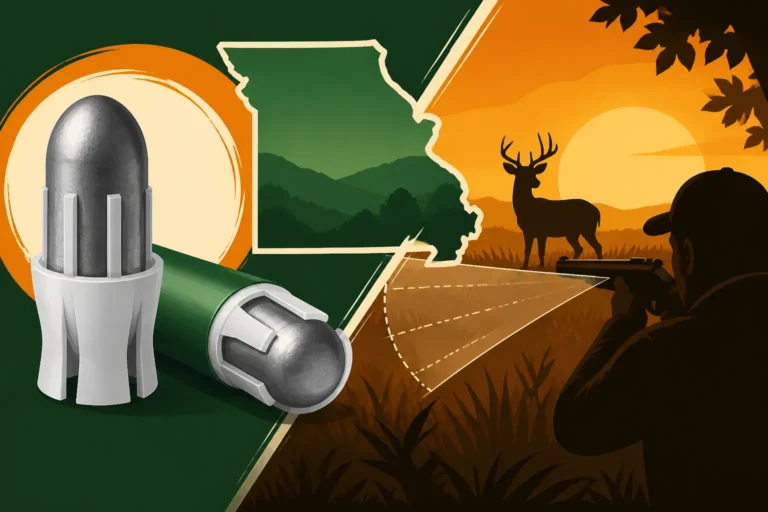
Muzzleloaders are perhaps the most popular "firearm" choice during Missouri's Alternative Methods portion. These classic weapons evoke a sense of tradition and offer a unique challenge. The rules are fairly straightforward: any muzzleloading firearm .40 caliber or larger, loaded with a single projectile, is legal. This includes both traditional flintlock and percussion rifles, as well as modern in-line muzzleloaders.
The beauty of muzzleloading, especially during this late-season hunt, is the singular shot. It forces you to be more selective, more patient, and to ensure your shot placement is absolutely perfect. You get one chance, and then the deer often has the advantage while you go through the deliberate process of reloading. When choosing a muzzleloader, consider a model that you're comfortable shooting accurately and that you can load quickly under pressure, even though reloading in the field for a follow-up shot is rarely an option. Many hunters find that a .50 caliber muzzleloader with a modern sabot projectile performs wonderfully in Missouri timber, offering both accuracy and knockdown power for whitetails.
Handguns for Deer
Yes, you can hunt deer with a handgun during the Alternative Methods portion, but again, there are specific requirements to meet. Legal handguns must be .40 caliber or larger, fire a centerfire projectile, and be loaded with a single projectile. This rules out rimfire cartridges and obviously any semi-automatic handguns that feed multiple rounds from a magazine. The emphasis is on a single shot, fired from a powerful enough caliber to humanely harvest a deer.
Hunting deer with a handgun is a specialized skill that demands excellent marksmanship and an intimate understanding of your weapon's capabilities. Your effective range will be significantly shorter than with a rifle, often 50 yards or less, depending on your proficiency. This means getting much closer to your quarry, making scouting and stealth even more vital. Popular choices for handgun hunting include revolvers in calibers like .44 Magnum, .41 Magnum, or .45 Colt, or single-shot pistols chambered in rifle cartridges like .30-30 or .45-70. Before heading into the field, spend ample time at the range ensuring you can consistently hit your target at ethical distances, because a wounded deer is a situation no one wants.
Air Rifles for Deer
This is an area that has seen some changes and continues to be debated, but for the Alternative Methods portion, air rifles are a valid option, provided they meet specific criteria. For deer, the air rifle must be .40 caliber or larger and fire a single projectile. This is a big game-changer for some hunters, offering a very quiet and often low-recoil hunting experience. It’s important to note that just like with handguns, accuracy and ethical range are paramount.
While air rifles can be incredibly precise, their energy transfer and projectile characteristics are different from traditional firearms. You'll want to choose a high-quality big-bore air rifle specifically designed for hunting deer-sized game. The effective range for humane kills will typically be much shorter than with a powder-burning firearm, often limited to 50 yards or less, depending on the specific rifle, pellet/slug, and hunter skill. Using a digital mapping tool like GoHunt can be incredibly useful here, helping you identify areas with dense cover where close-range shots are more feasible and where public land boundaries are clearly defined, giving you confidence in your approach. Practicing extensively to understand your air rifle's ballistics and limitations is non-negotiable before taking it into the woods for deer.
Archery Equipment: Traditional and Modern
Even though this is the "Alternative Methods Firearms" portion, archery equipment remains a perfectly legal and popular choice. Many hunters use this late-season segment to continue their bowhunting pursuits, taking advantage of the specific deer patterns that emerge after the initial hunting pressure.
Vertical Bows
Traditional archery equipment, including recurves, longbows, and compound bows, is absolutely permitted during the Alternative Methods portion. The rules are the same as during the general archery season: bows must have a minimum draw weight of 40 pounds and broadheads must have at least two cutting edges with a minimum width of 7/8 inch. If you’ve been Bowhunting Missouri's Four-Month Archery Season all along, you don't need to change a thing about your archery setup for this portion.
Many archers appreciate the quiet, close-quarters challenge that vertical bows offer, especially when deer have grown wary from earlier seasons. The focus shifts to stealth, scent control, and finding those tight shooting lanes in the timber. This can be a fantastic time to employ tactics like still-hunting through thick cover or setting up on late-season food sources. The deer might be harder to fool, but if you enjoy the intimacy of bowhunting, this portion extends that opportunity well into the colder months.
Crossbows
Crossbows are another excellent option during the Alternative Methods portion, and they follow the same rules as during the regular archery season. These include a minimum draw weight of 100 pounds and broadheads that are at least 7/8 inch wide with at least two cutting edges. Crossbow Hunting Under Missouri Rules offers a unique advantage for some hunters, combining elements of rifle hunting (like a stock and trigger) with the quiet, single-shot nature of archery.
Crossbows can be particularly appealing for hunters who may have physical limitations preventing them from drawing a vertical bow, or for those who simply prefer the stability and precision they offer. They also can provide a slightly longer effective range than a vertical bow for many hunters, though ethical shot distance should always be paramount. This makes them a versatile tool for navigating the diverse landscapes of Missouri, from the dense timber of the Ozarks to the more open fields of northern Missouri. Just like with any weapon, extensive practice is crucial to ensure accuracy and confidence in the field.
Strategic Gear and Preparation for Alternative Methods
Hunting during the Alternative Methods portion requires not only understanding the legal weapons but also adapting your gear and tactics to the season and the specific challenges these weapons present. This is not just about what you carry, but how you prepare and execute your hunt.
Essential Optics and Scouting Tools
Given the typically shorter effective ranges of most alternative methods, quality optics become even more critical for spotting deer, assessing shot opportunities, and ensuring positive identification. A good pair of binoculars, perhaps 8×42 or 10×42, will be your best friend for scanning distant food plots or timber edges. A rangefinder is absolutely essential, especially for handgun, air rifle, and archery hunters, where knowing the exact distance to your target can mean the difference between an ethical kill and a missed shot.
Many experienced hunters rely on tools like GoHunt to scout and plan their hunts, especially when dealing with specific weapon limitations. Overlaying satellite imagery with public land boundaries and topographical maps can help you identify pinch points, bedding areas, and ideal ambush locations where close-range encounters are more likely. Understanding the lay of the land, especially potential funnels or natural barriers, is key to positioning yourself for a shot within your weapon's effective range. Scouting Missouri Public Land Before Season is always important, but it's even more so when your margin for error on shot distance is reduced.
Clothing and Weather Considerations
The Alternative Methods portion typically takes place in late December and early January, meaning cold weather is almost a certainty. Layering is not just a suggestion; it's a necessity. You'll need good base layers to wick away moisture, insulating mid-layers for warmth, and a windproof, waterproof outer shell to protect against the elements. Sitting still for long periods with a muzzleloader or bow can quickly lead to being chilled to the bone if you're not properly dressed.
Don't forget accessories like insulated gloves, a warm hat, and a neck gaiter. Cold hands can severely impact your shooting accuracy, whether you're manipulating a muzzleloader or drawing a bow. Footwear is equally important; insulated, waterproof boots are critical for staying warm and dry, especially if you're walking through snow or marshy areas. Cold Weather Sitting Strategy involves more than just clothing; consider bringing a small, portable seat cushion to insulate you from a cold treestand or ground, and perhaps a hand warmer to keep your fingers nimble.
Meat Care in Colder Weather
While early season hunting can be a scramble to Field Dressing and Cooling in Early-Season Heat, the colder temperatures of the Alternative Methods portion generally make meat care a bit easier. However, "easier" doesn't mean "neglected." You still need to field dress your deer promptly to allow the carcass to cool down. If temperatures are above freezing, getting the deer to a cooler or processor quickly is still important.
For hunters who might be a long walk from their vehicle, consider bringing game bags to protect the meat from dirt and debris. If you're on a multi-day hunt and processing your own deer at camp, ensure you have a clean, cool space to hang the carcass. While the cold air helps, fluctuating temperatures can still lead to spoilage if the meat isn't properly handled. A good rule of thumb is to treat meat care with the same diligence as you would in warmer weather, ensuring your hard-earned venison is preserved properly. Getting Deer Meat Cooled Quickly is always a priority, regardless of the temperature.
Navigating Regulations and Ethical Considerations
Beyond the specific weapon choices, hunting the Alternative Methods portion successfully and ethically means having a firm grasp of all the regulations, including county-specific rules, and upholding the highest standards of fair chase.
Understanding Local Regulations
Missouri's hunting regulations can vary significantly by county, especially regarding antlerless deer permits. While the Alternative Methods portion allows for specific firearms, always double-check the current regulations for the county you plan to hunt in. Some counties might have additional antlerless opportunities, while others might be more restrictive. The MDC website is your authoritative source, and familiarizing yourself with the Missouri Antlerless Deer Permits by County is crucial before you head out.
It's also important to be aware of any specific rules pertaining to public lands. For example, some Conservation Areas might have additional restrictions on weapon types, vehicle access, or even hunter orange requirements that differ slightly from statewide rules. Always consult the specific area's brochure or check the Missouri Conservation Atlas for details. Being informed ensures a smooth and legal hunt, free from unexpected complications.
Hunter Orange Requirements
During the Alternative Methods portion, hunter orange requirements typically align with those for the general firearms season, though there can be nuances depending on specific dates and areas. Generally, if you are hunting deer with a firearm (including muzzleloaders and handguns), you are required to wear hunter orange. This usually means a minimum of 400 square inches of solid blaze orange, worn on the chest, back, and head, and visible from all sides.
Even if you are hunting with archery equipment during this time, and other firearms hunters are in the woods, wearing hunter orange is a smart safety practice. While Orange Requirements for Missouri Archers might be different during the regular archery season, it's about visibility and safety for everyone in the field when firearms are present. Always err on the side of caution and prioritize being seen by other hunters. The goal is a safe and successful experience for everyone sharing the woods.
Ethical Shot Placement and Tracking
Regardless of the weapon you choose for the Alternative Methods portion, ethical shot placement is paramount. With muzzleloaders, handguns, and archery equipment, your effective range is often more limited than with a high-powered rifle. This means you must be disciplined and wait for a clean, broadside shot within your proven capabilities. Do not attempt shots that are beyond your skill level or your weapon's humane capabilities.
Even with a perfect shot, deer can run. Being prepared for a thorough blood trail is part of the responsibility. Carry a good tracking light, especially if you anticipate low-light conditions. Take your time, mark the last spot you saw the deer, and look for obvious signs of a hit. If the trail goes cold, give the deer some time before pushing it, particularly if it's a gut shot. Blood Trailing After Dark in Missouri requires patience and methodical effort. Being prepared and committed to finding your deer is a fundamental aspect of ethical hunting.
| Weapon Type | Minimum Caliber/Weight | Projectile Type | Typical Ethical Range | Key Consideration |
|---|---|---|---|---|
| Muzzleloading Firearm | .40 caliber | Single Projectile | 100-150 yards | Single shot, traditional feel, slower reload |
| Centerfire Handgun | .40 caliber | Single Projectile | 50-75 yards | Requires superior marksmanship, very close range shots |
| Air Rifle | .40 caliber | Single Projectile | 50 yards | Quiet, specialized equipment, critical practice |
| Vertical Bow | 40 lb draw weight | Broadhead | 20-50 yards | Stealth, scent control, intimate encounters |
| Crossbow | 100 lb draw weight | Broadhead | 30-60 yards | Stability, precision, suitable for varied skill levels |
Disclaimer
This article is for general informational purposes only and does not constitute professional advice. Laws, prices and regulations vary by location and change over time. Consult a qualified professional for guidance on your specific situation.