Turkey Shotgun Gauge Choice
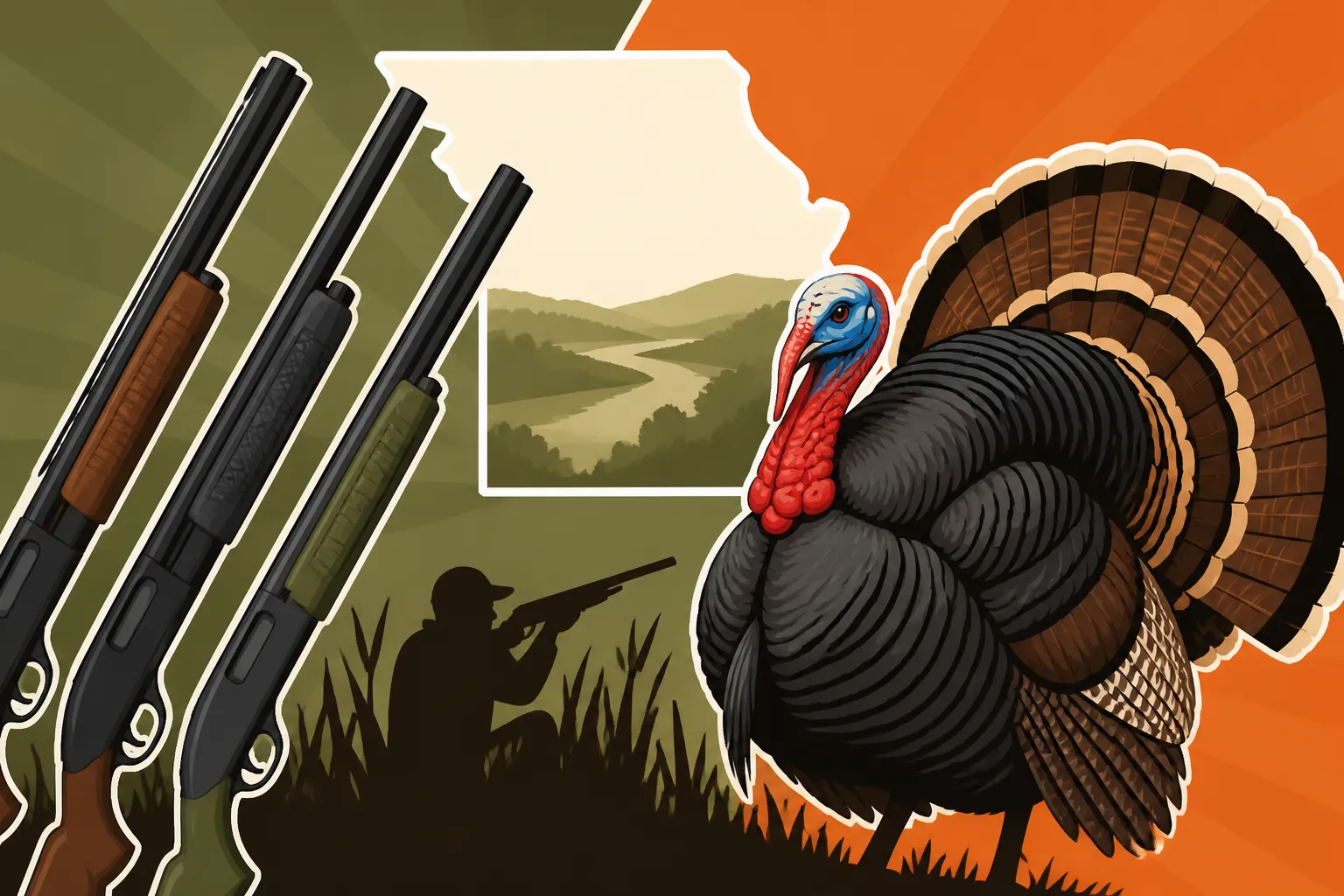
The pursuit of a Missouri gobbler is a thrilling challenge, often demanding precise shots in varied terrain, from dense Ozark timber to open crop fields. When it comes to arming yourself for spring turkey season, one of the most fundamental and often debated decisions every hunter faces is the choice of shotgun gauge. It’s a decision that can feel overwhelming with all the options out there, and it’s critical because it directly impacts your confidence, comfort, and ultimately, your success in the field. This guide aims to demystify the shotgun gauge choice, helping you understand the pros and cons of each popular option so you can step into the Missouri woods feeling prepared and capable.
Understanding the Mission: Why Gauge Matters for Missouri Turkeys
Before we even dive into specific gauges, it’s crucial to understand why this decision carries so much weight in the turkey woods. Unlike deer hunting, where a well-placed shot to the vitals is the goal, turkey hunting requires a concentrated pattern of pellets to the head and neck. This small target zone means that your shotgun, choke, and ammunition combination needs to work together to deliver a devastating punch at the moment of truth.
The Power of a Pattern: It's Not Just About Caliber
Many new hunters, or even seasoned deer hunters, might assume that a bigger caliber automatically means a better outcome. With turkeys, it’s not just about the raw power of the individual pellets, but the sheer density of those pellets within a tight, consistent pattern. Turkeys are incredibly tough birds, and a body shot, even with heavy shot, is likely to result in a wounded bird that escapes, leaving you frustrated and the animal suffering. Our goal is always a clean, ethical harvest, and that hinges on putting enough pellets into the brain and spinal column to drop the bird instantly.
Consider a scenario where a wary gobbler hangs up at 40 yards, just outside the comfort zone of many shots. If your chosen gauge and load aren't throwing a tight enough pattern, you might have gaps large enough for a turkey's head to pass through unscathed, even if your aim was perfect. Conversely, a gauge that's too powerful for your needs, causing you to flinch, will spread your pattern off target entirely. It’s a delicate balance, and understanding the range at which your specific setup consistently delivers a lethal pattern is far more important than the number printed on the side of the barrel. This is why patterning your gun is non-negotiable, a point we'll revisit later, but one that underpins every gauge discussion.
Recoil and Shooter Comfort: An Often Overlooked Factor
Let's be honest: turkey loads, especially those designed to throw dense patterns with heavy shot, can pack a serious punch. Recoil is a real thing, and it can significantly impact your shooting. Imagine you've spent hours tucked against a tree, finally called in that big tom, and as you squeeze the trigger, you flinch or pull the shot because you're anticipating the recoil. That's a gut-wrenching experience that many hunters, myself included, have faced.
A heavy-recoiling shotgun can cause a myriad of problems. It can make you hesitant to practice as much as you should, leading to less familiarity with your firearm. It can also lead to poor shooting form in the field, turning what should be a precise shot into a rushed, inaccurate attempt. For youth hunters or those with a smaller frame, recoil is an even bigger consideration. Modern advancements in ammunition and shotgun design mean that you don't necessarily need the biggest gun to be effective. Choosing a gauge that allows you to shoot comfortably and confidently, both on the range and in the field, will always lead to better results than struggling with a cannon. Your ability to calmly place that bead on the gobbler's head, without flinching, is paramount.
The Contenders: Popular Turkey Shotgun Gauges
When you walk into any sporting goods store or browse online, you'll see a few gauges that dominate the turkey hunting scene. Each has its loyal following and distinct characteristics, making the "best" choice highly subjective to the individual hunter. Let's break down the most popular options you'll encounter here in Missouri.
The Venerable 12-Gauge: Missouri's Workhorse
For decades, the 12-gauge has been the undisputed king of the turkey woods, and for good reason. It offers the widest array of ammunition choices, from standard lead to high-density tungsten loads, and generally delivers the largest shot payloads. This means more pellets are heading downrange, increasing the likelihood of a dense, lethal pattern. If you're looking for versatility and sheer knockdown power with a well-placed shot, the 12-gauge is often the first place hunters look.
The benefits of a 12-gauge are clear: you have an abundance of options for Turkey Loads for Missouri Birds, which means you can experiment to find the perfect pairing for your specific shotgun and choke. Most gun manufacturers produce a vast selection of 12-gauge turkey guns, offering various barrel lengths, finishes, and features. The downside, of course, is recoil. With heavy turkey loads, the 12-gauge can deliver a significant thump to the shoulder. While some modern shotguns incorporate recoil-reducing features, and some hunters opt for heavier guns to help absorb it, it's still a factor to consider. If you can handle the recoil and practice regularly, a 12-gauge offers a robust, highly effective platform for hunting turkeys across Missouri's diverse landscapes.
The Nimble 20-Gauge: A Rising Star
In recent years, the 20-gauge has emerged as a formidable contender in the turkey hunting world, shedding its "youth gun" stereotype thanks to incredible advancements in ammunition technology. What was once considered marginal for turkeys, the 20-gauge, when paired with modern, high-density tungsten super shot (TSS) loads, can rival or even surpass the terminal performance of traditional 12-gauge lead loads. This transformation has made it an incredibly popular choice for many Missouri turkey hunters.
The primary advantages of the 20-gauge are its lighter weight and significantly reduced recoil compared to the 12-gauge. This makes for a much more comfortable shooting experience, both during practice and in the field, allowing for quicker target acquisition and more consistent accuracy. For hunters who enjoy covering a lot of ground in a Run-and-Gun Turkey Tactics in the Missouri Ozarks style, a lighter 20-gauge can be a real blessing at the end of a long day. It’s also an excellent option for new hunters or those who are recoil-sensitive, potentially opening up the sport to a wider audience. The main "con" is that 20-gauge turkey-specific ammunition, especially the high-performance TSS loads, can be more expensive and sometimes harder to find than 12-gauge options. However, if you commit to it, the 20-gauge offers a lightweight, low-recoil, and highly effective package that is more than capable of putting Missouri gobblers on the ground.
Beyond the Usual Suspects: 10-Gauge and .410
While the 12- and 20-gauge dominate the discussion, you'll occasionally hear whispers of other gauges. The 10-gauge, once a powerhouse for waterfowl and occasionally used for turkeys, offers the heaviest payloads and largest patterns. Its sheer power is undeniable, but it comes with a significant trade-off: immense recoil and very heavy firearms. Ammunition is also much less common and more expensive. For the vast majority of Missouri turkey hunters, the performance gains of a 10-gauge are simply not worth the drawbacks in weight, recoil, and practicality, especially with modern 12- and 20-gauge options available.
On the other end of the spectrum, the .410 bore has also seen a resurgence in turkey hunting, again, almost entirely due to the advent of TSS ammunition. Traditionally, the .410 was considered strictly a small game or target shooting cartridge, far too underpowered for turkeys. However, the density of TSS pellets allows a small .410 shell to carry a surprising number of heavy, hard-hitting pellets. This makes the .410 incredibly appealing for Youth Turkey Weekend Rules participants, new hunters, or anyone seeking the absolute lightest gun with virtually no recoil. The challenge with a .410 is its extremely tight pattern, demanding pinpoint accuracy and limiting effective range, often to 25-30 yards. It's a specialist's tool, requiring dedication to patterning and disciplined shot placement, but when used within its limitations, it can be remarkably effective.
| Gauge | Common Uses (beyond turkey) | Pros for Turkey Hunting | Cons for Turkey Hunting |
|---|---|---|---|
| 12-Gauge | Waterfowl, Upland, Deer | Widest ammo selection, large payload, high versatility | Significant recoil, potentially heavier gun |
| 20-Gauge | Upland, Youth, Home Defense | Lighter, less recoil, effective with modern loads | Ammo can be pricier/less common, smaller payload |
| 10-Gauge | Waterfowl, Specialty | Maximum payload, largest patterns | Extreme recoil, very heavy gun, limited ammo |
| .410 Bore | Small game, Youth, Target | Minimal recoil, ultra-light gun, great for youth | Very limited range, demands pinpoint accuracy, specialty ammo only |
Factors to Consider When Making Your Choice
Choosing a turkey shotgun isn't just about what's biggest or lightest; it's about what best fits you and your hunting style. Several practical considerations should guide your decision, ensuring that the shotgun you carry into the Missouri woods is one you're confident and comfortable with.
Ammunition Availability and Cost
Let's talk brass tacks: ammunition can be a significant factor. While standard 12-gauge target loads are plentiful and relatively inexpensive, specialized turkey loads, especially those featuring high-density materials like TSS, can get pricey. If you're planning on doing a lot of patterning, which you absolutely should, the cost of a box or two of premium turkey shells can add up. The widespread availability of 12-gauge turkey loads, both lead and modern alternatives, means you'll likely have more options at various price points.
For 20-gauge and especially .410, finding those premium TSS loads can sometimes be a bit more challenging, and they often come with a higher price tag per shell. This isn't to say it's a deal-breaker, but it's something to budget for and plan around. You might need to order specific loads online or visit multiple sporting goods stores to stock up before the season. Thinking about this aspect beforehand can save you a last-minute scramble and ensure you have enough shells not just for hunting, but for essential practice sessions where you really learn what your gun, choke, and load combination can do.
Your Hunting Style and Terrain in Missouri
Missouri offers incredibly diverse turkey habitat, from the steep, timbered ridges of the Ozarks to the rolling farm ground of North Missouri. Your chosen gauge can definitely complement or hinder your approach to these different environments. If you're the kind of hunter who loves to cover miles on foot, running and gunning, calling from ridge to ridge, a lighter 20-gauge shotgun might be a huge advantage. Every ounce matters when you're navigating rough terrain, and a nimble gun allows for quicker swings and less fatigue. This style might align with Run-and-Gun Turkey Tactics in the Missouri Ozarks.
On the other hand, if your preferred method is to set up a ground blind on a field edge, patiently waiting for a gobbler to cross into range, a slightly heavier 12-gauge might be less of a burden. The extra weight can even help absorb some recoil when you're braced against the blind. Hunting in Turkey Tactics for Crop Country often involves longer sits and less walking, making a heavier setup more manageable. Consider the typical distances you expect to shoot, too. If you consistently hunt areas where turkeys might hang up at 40 yards, a 12-gauge or a 20-gauge with top-tier loads will offer more forgiveness than a .410. Conversely, if you're a master of close-range setups and only expect 25-30 yard shots, the .410 might be perfectly viable.
Shooter Experience and Physicality
This might be the most personal factor, but it's arguably the most important. Your ability to comfortably and confidently handle your shotgun directly translates to accuracy and ethical shots. If you're a seasoned hunter with years of experience handling various firearms, a 12-gauge might feel like a natural extension of your arm. However, if you're introducing a youth hunter to the sport, or if you've developed a flinch from previous heavy-recoiling firearms, a 20-gauge or even a .410 might be a much better starting point.
For younger hunters, especially those participating in the Youth Turkey Weekend Rules, a lighter gun with less recoil can make the difference between a joyful, successful hunt and a frustrating, painful experience that sours them on the sport. The goal is to build confidence and good shooting habits. Even for experienced adults, a reduction in recoil can lead to more consistent practice and, ultimately, better performance in the field. Don't let ego dictate your choice; choose a gun you can shoot accurately and comfortably, every single time. Your confidence in your ability to make a clean shot is your most valuable asset in the turkey woods.
Patterning Your Turkey Shotgun: The Absolute Most Critical Step
No matter which gauge you ultimately choose, one step is non-negotiable and more important than any brand name or ballistic chart: patterning your shotgun. This process is where you truly understand what your specific gun, choke, and ammunition combination can achieve. It's not enough to simply fire a few rounds; you need to see exactly how your chosen setup performs on paper at various distances.
Choke Tubes: Your Pattern's Best Friend
Think of your choke tube as the director of your shot pattern. It's a constriction at the end of your barrel that shapes how the pellets spread. For turkey hunting, you'll almost universally want a very tight constriction, often called "extra full" or "turkey choke." These chokes are designed to keep the pellets as tightly grouped as possible for maximum density on that small head and neck target. However, not all "turkey chokes" are created equal, and what works beautifully in one 12-gauge shotgun might be mediocre in another, even with the same ammunition.
This is why experimenting is key. You might find that a specific brand of turkey choke, when paired with a particular type of ammunition, creates a much denser and more uniform pattern than another. Some choke manufacturers, like Carlson's or Indian Creek, specialize in these ultra-tight turkey chokes, and it's worth exploring their options. Remember, the goal isn't just a tight cluster in the center, but a consistent spread that effectively covers the critical kill zone of a turkey's head and neck at your maximum ethical shooting distance. Turkey Shotguns and Chokes is a great resource to dive deeper into this topic.
Range Practice and Ammunition Testing
This is where the rubber meets the road. Head to the range with your chosen shotgun, a few different brands or types of turkey loads for your gauge, and a selection of turkey-specific choke tubes if you have them. You'll need large paper targets, ideally ones with a turkey head and neck outline, to simulate your actual target. Start by shooting at 20 yards, then 30, and finally 40 yards. For more confident shooters, you might even push it to 50 yards to understand your absolute maximum ethical range, but remember that most shots are closer.
For each combination of choke and ammunition, fire several shots at each distance, carefully observing the pattern. Are there any significant gaps? Is the pattern evenly distributed? How many pellets are consistently hitting the vital head and neck area? You're looking for a consistent, dense core that you can confidently place on the bird. Once you find a combination that delivers, stick with it. Don't switch up your ammo or choke on a whim before season. This dedicated practice helps you establish your maximum effective range, building immense confidence that you can make an ethical shot when that Missouri gobbler steps into range. Many hunters agree that truly knowing your gun through patterning, perhaps after researching various options using resources like GoHunt, is the best way to prepare for the spring season. Patterning a Turkey Gun at 40 Yards provides an excellent guide to this critical process.
Integrating Technology and Resources for Your Decision
In today's connected world, choosing your turkey shotgun isn't a solitary journey. There's a wealth of information out there, from fellow hunters sharing their experiences to specialized platforms offering insights and tools. Leveraging these resources can significantly inform your decision and enhance your overall hunting preparation.
Online Forums and Community Wisdom
One of the most valuable resources for any hunter is the collective experience of other hunters. Online forums, social media groups, and dedicated hunting communities are full of individuals who have wrestled with the same decisions you're facing. You can often find detailed discussions about specific shotgun models, how certain chokes perform with particular ammunition types, and real-world results from hunters across Missouri and beyond. Have a question about a new 20-gauge TSS load? Chances are, someone on a forum has already tested it and can share their insights on its effectiveness and pattern density.
While individual experiences can vary, these communities offer a fantastic way to gather anecdotal evidence and get a sense of general trends and recommendations. You might discover a hidden gem of a choke or a load that consistently performs well in a particular gauge. Just remember to take all advice with a grain of salt and always, always do your own patterning to confirm what you hear online. The ultimate test is always how your gun performs with your chosen setup.
Tools like GoHunt for Research and Planning
In the modern hunting landscape, digital tools play an increasingly important role in planning and preparation. While much of the popular focus for mapping and data analytics might be on western big game, the underlying principles of research and strategic planning apply across all hunting endeavors. Platforms like GoHunt, for instance, are often praised for their detailed mapping features and robust community discussion areas. While its primary focus might not be exclusively on Missouri turkey hunting, such resources can be invaluable for the broader research and strategic aspects of your hunt.
You can leverage such platforms to:
- Research Gear: While not every specific turkey choke might be reviewed, you can often find general gear discussions and reviews that inform decisions about shotgun features, accessories, and overall hunting setups. Understanding what makes a quality optic or a durable piece of equipment, discussed on such platforms, can guide your overall gear investment.
- Scout and Plan: High-quality mapping layers can help you identify potential turkey roosting areas, feeding locations, and travel corridors, even on public ground. This knowledge of the terrain (which you can often visualize with mapping tools) directly influences your hunting style – whether you're planning a stationary blind hunt or a more aggressive run-and-gun approach. Your hunting style, in turn, directly impacts your preference for a heavier 12-gauge or a lighter 20-gauge.
- Stay Informed: Beyond specific gear, many hunting platforms offer articles and community insights into various hunting strategies, conservation efforts, and even localized updates that might indirectly affect your hunt planning. These broader insights, gathered from resources like GoHunt, help you connect the dots between your gear choices and your overall hunting success. By integrating such resources into your planning, you ensure a more informed and confident approach to your Missouri turkey season, helping you make the best decisions for your turkey shotgun and beyond.
Disclaimer
This article is for general informational purposes only and does not constitute professional advice. Laws, prices and regulations vary by location and change over time. Consult a qualified professional for guidance on your specific situation.