Shotgun Slugs for Missouri Deer
A lot of Missouri hunters grapple with choosing the right firearm for deer season, especially with all the options available. Shotguns, specifically when loaded with slugs, often feel like a forgotten relic to some, while others swear by them for specific hunting situations. This comprehensive guide will peel back the layers on using shotgun slugs for deer hunting here in the Show-Me State, helping you understand their capabilities, limitations, and how to get the most out of your setup, ensuring you’re confident and effective in the field.
The Enduring Role of Shotgun Slugs in Missouri Deer Hunting
For many years, particularly in more populated or historically agricultural areas, the shotgun loaded with slugs was the deer gun. While rifle technology has advanced leaps and bounds, and many hunters now opt for modern sporting rifles or traditional bolt actions, shotguns with slugs still hold a very important place in the Missouri deer woods. You might wonder why anyone would choose a slug gun over a flat-shooting rifle, especially when you’ve got sprawling fields and long sight lines. But it’s not always about sheer distance; it’s about application, local regulations, and personal preference.
The reality is that Missouri’s diverse landscape, from the dense timber of the Ozarks to the fencerow thickets of North Missouri farm country, often presents situations where a shotgun slug is perfectly adequate, if not ideal. We’re often hunting in heavy cover where shots are measured in dozens of yards, not hundreds. For public land hunters, especially those navigating smaller tracts or properties bordering residential areas, a slug gun can offer peace of mind by limiting projectile travel compared to a high-powered rifle round. There’s a distinct feeling of connection to a more traditional form of hunting when you’re carrying a reliable scattergun into the woods, knowing it’s more than capable of doing the job.
Why Shotguns Remain a Go-To Choice for Many Missouri Hunters
One of the primary reasons shotguns endure is their sheer versatility. The same firearm you might use for spring turkey hunting, or even chasing squirrels and rabbits with a change of barrel or choke, can be transformed into a deer slayer with the right slug setup. This multi-purpose utility can be a huge benefit for hunters who aren't looking to invest in a separate dedicated rifle for every game animal. It’s also often a family tradition; many of us grew up with a grandfather or aunt who swore by their trusted 12-gauge, and that sentiment carries a lot of weight.
Beyond tradition, the practical considerations are undeniable. Many tracts of land, both private and public, have specific regulations or local ordinances that either restrict or encourage the use of shotguns for deer. In areas with high population density or where safety zones are a concern, a slug gun's typically shorter effective range and heavier projectile can be a preferred option. When you're in truly thick cover, like a river bottom choked with briars and saplings, the idea of a 200-yard shot is purely theoretical. In these scenarios, a slug gun, accurately patterned, is all you need to ethically take down a whitetail. Plus, the thump of a big slug hitting a deer is often unmistakable, a real confidence booster when you know you've made a good shot.
Legalities and Regional Specifics for Slug Use
Missouri's hunting regulations are designed to be quite accommodating for deer hunters, and when it comes to legal firearms, shotguns chambered for slugs are absolutely in the clear. You'll find they are permitted in all portions of the firearms deer season, including the main Missouri's November Firearms Portion, the early and late antlerless portions, and even the Missouri's Alternative Methods Portion. This broad acceptance means you won't typically run into issues with your slug gun being illegal for deer anywhere in the state, which is a comforting thought when planning your hunts.
However, it's always critical to double-check the specific regulations for the area you plan to hunt, especially if it's a managed hunt on a conservation area or a private tract with landowner rules. While statewide regulations permit slugs, individual public areas might have specific limitations or recommendations. For instance, some managed hunts may have stricter rules about weapon types to align with their management goals or public safety concerns. A quick check of the Missouri Department of Conservation's website or an app like GoHunt can provide essential details about specific regulations for the particular county or conservation area you're targeting. Knowing these nuances before you head into the field can save you a lot of grief and ensure a smooth hunting experience.
Deciphering Shotgun Slug Types: Sabot vs. Foster
When we talk about shotgun slugs, we're not just talking about one kind of projectile. There are two main families of slugs that deer hunters in Missouri need to understand: Foster-type (often called "rifled" slugs) and Sabot slugs. These two types are fundamentally different in their design, how they achieve stability in flight, and most critically, the type of shotgun barrel they are designed to perform best from. Choosing the wrong slug for your barrel type can lead to abysmal accuracy, wasted ammunition, and a lot of frustration in the field. Understanding the distinctions is key to unlocking the full potential of your slug gun.
The Workhorse: Foster (Rifled) Slugs for Smoothbore Barrels
The Foster slug is the classic deer slug that most hunters are familiar with. It's typically a soft lead projectile with deep "rifling" grooves on its exterior. Now, don't let the term "rifled" confuse you – these grooves are not designed to impart spin like a rifle barrel. Instead, they are there to allow the slug to compress slightly when passing through a choke (even though most hunters recommend using an open choke like improved cylinder or cylinder bore), and they also help shift the slug's center of gravity forward, allowing it to fly point-first, much like a badminton shuttlecock. This design stabilizes the slug aerodynamically, not rotationally.
Foster slugs are almost exclusively designed for use in smoothbore shotgun barrels, the kind you’d typically find on a bird hunting shotgun. They perform best out of open chokes because tighter chokes can deform the slug, negatively impacting accuracy. While they are powerful and effective at closer ranges, typically up to about 75 yards, their ballistic coefficient isn't fantastic. Beyond that range, they tend to become much less accurate, dropping significantly and being more susceptible to wind drift. For hunters who hunt in truly dense timber or brushy creek bottoms, where shots are consistently under 50-60 yards, a Foster slug from a smoothbore can be an economical and highly effective choice. They hit hard and create a significant wound channel, making them excellent for quick, humane kills at short distances.
Precision Power: Sabot Slugs and Rifled Barrels
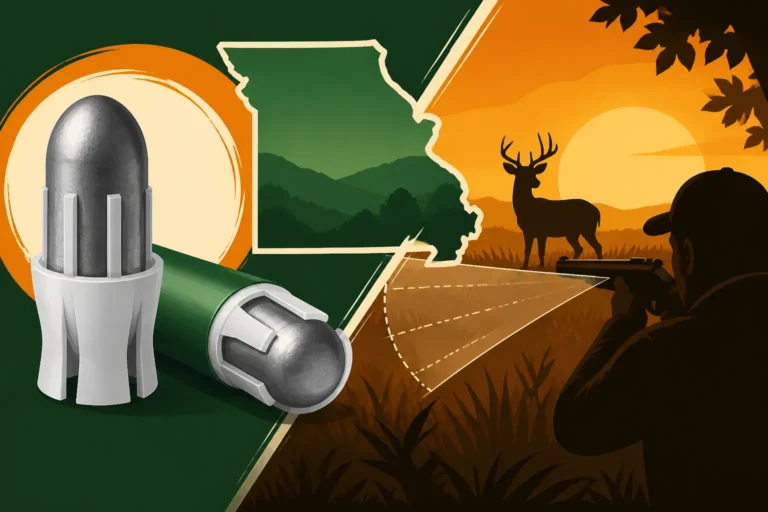
Sabot slugs are a completely different animal, built for precision and extended range. Unlike Foster slugs, a sabot slug consists of a smaller, often harder, projectile (like a lead bullet or copper bullet) encased in a plastic sleeve called a "sabot" (French for "shoe"). This sabot engages the rifling in a rifled shotgun barrel, imparting a stabilizing spin to the projectile, just like a rifle bullet. Once the slug exits the barrel, the sabot separates, allowing the bullet to continue its flight with greatly improved accuracy and ballistic performance compared to a Foster slug.
For hunters looking to extend their effective range with a shotgun, sabot slugs fired from a fully rifled barrel are the answer. They can deliver rifle-like accuracy out to 100-150 yards, and in some highly optimized setups, even out to 200 yards. This makes them a viable alternative to rifles in areas where rifles might be restricted or simply unnecessary. While they are generally more expensive than Foster slugs, the increased accuracy and range can be well worth the investment for hunters who need that performance. When comparing Rifled Versus Smoothbore Slug Barrels, the difference in accuracy with sabot slugs is immediately apparent. If you're hunting open fields or timber with longer sight lines, a rifled barrel paired with sabot slugs will give you a significant advantage.
Here's a quick comparison of the two main slug types:
| Feature | Foster (Rifled) Slugs | Sabot Slugs |
|---|---|---|
| Barrel Type | Smoothbore (recommended) | Rifled (required for accuracy) |
| Projectile Design | Soft lead, exterior "rifling" | Harder bullet, plastic sabot |
| Stabilization | Aerodynamic (weight-forward) | Rotational (from barrel rifling) |
| Accuracy | Good for close range (50-75 yards) | Excellent for longer range (100-200 yards) |
| Effective Range | ~75 yards | ~150-200 yards |
| Cost | Generally less expensive | Generally more expensive |
| Recoil | Significant | Significant, sometimes higher |
| Habitat Suitability | Dense timber, brushy areas | Open fields, longer sight lines |
Optimizing Your Shotgun Setup for Deer Accuracy
Having the right slug is only half the battle; the other half is having your shotgun properly set up to shoot it accurately. Many hunters make the mistake of just grabbing their bird gun, throwing in some slugs, and heading to the woods. While that might work for very close shots, it won't instill confidence or provide the necessary precision for consistently ethical kills. Optimizing your shotgun for deer involves understanding the barrel type, choosing the right optics, and ensuring everything works together as a cohesive system. This thoughtful approach transforms a general-purpose shotgun into a dedicated deer-hunting machine.
Smoothbore vs. Rifled Barrels: Making the Right Choice
As we discussed earlier, the barrel you use is paramount to slug performance. For smoothbore barrels, which are standard on most hunting shotguns, your best bet is to stick with Foster-style (often labeled "rifled") slugs. These barrels are designed to shoot shot, and without rifling, they cannot impart spin to a sabot projectile. Trying to shoot sabot slugs through a smoothbore barrel will typically result in very poor accuracy, as the sabot cannot engage nonexistent rifling and the projectile will tumble erratically. When using a smoothbore, opt for an improved cylinder or cylinder choke to prevent slug deformation and maximize accuracy at the closer ranges these slugs excel at.
For rifled barrels, however, sabot slugs are the undisputed champions. A fully rifled barrel, often thicker and heavier than a smoothbore, is specifically designed to spin the sabot-encased projectile, providing a much flatter trajectory and superior accuracy at longer distances. If you're serious about pushing the ethical range of your slug gun, investing in a dedicated rifled barrel (or an entire rifled slug gun) is essential. Many modern shotguns, like those from Mossberg and Remington, offer interchangeable barrels, making it easy to swap from a smoothbore bird barrel to a rifled deer barrel. This versatility allows you to adapt your single shotgun to multiple hunting scenarios, making it a truly valuable piece of equipment for a Missouri hunter.
Optics and Sights for Enhanced Slug Performance
No matter if you're shooting Foster slugs from a smoothbore or sabot slugs from a rifled barrel, improving your aiming system will dramatically increase your accuracy. Open sights, while functional, have limitations, especially in low light or at ranges beyond 50 yards. For optimal performance, especially when considering Sabot Slugs and Effective Range, adding optics is a game-changer.
For smoothbore slug guns, a simple red dot sight or a low-power variable scope (1-4x or 2-7x) can be an excellent choice. A red dot allows for fast target acquisition in thick cover and is perfect for those quick, close-range shots. For a bit more precision, a low-power scope helps with target identification and placement. If you're running a dedicated rifled slug barrel, a higher power scope, similar to what you might put on a deer rifle, is entirely appropriate. A 3-9x or even a 4-12x scope can help you squeeze every ounce of accuracy out of your sabot slugs at longer ranges. Just like with Rifle Scopes for Low-Light Timber, choose quality optics that can handle recoil, offer good light transmission, and are clear at all magnifications. Mounting is also crucial; use robust rings and bases designed to withstand the heavy recoil of slug loads, ensuring your zero holds true shot after shot.
Mastering the Art of Shooting Shotgun Slugs Effectively
Getting a shotgun slug setup to perform at its best isn't just about having the right gear; it's also about understanding the unique characteristics of slug ballistics and putting in the practice time. Unlike a rifle, which tends to be more forgiving of slight inconsistencies, a slug gun demands a bit more attention to detail in your shooting mechanics and zeroing process. The recoil alone can be a deterrent for some, but with the right technique and understanding, you can manage it and become highly proficient with your slug gun. Remember, confidence in your shot placement is paramount for an ethical harvest, and that comes directly from consistent practice.
Understanding and Extending Your Effective Range
The "effective range" of a shotgun slug is a critical concept. This isn't just about how far the slug can travel, but how far you can consistently place it within an ethical kill zone on a deer. For Foster slugs out of a smoothbore, this might be 75 yards, but often, it's more realistically 50-60 yards for most hunters. For sabot slugs out of a rifled barrel, your effective range could push out to 150 yards, sometimes even 200 yards with an excellent setup and extensive practice. However, don't just take manufacturers' claims at face value; you need to determine your personal effective range.
This involves extensive practice at the range, shooting from various positions you might encounter in the field (standing, kneeling, resting from a stand). Pay close attention to how much the slug drops at different distances. For instance, a slug zeroed at 50 yards might be several inches low at 100 yards, and even more so at 125 or 150. You can use a mapping tool on a platform like GoHunt, which often has range estimation features, to visualize potential shot distances in your hunting area and understand what that means for your slug's trajectory. Understanding your limitations is key to making ethical shots. Never push your shot beyond the distance you know you can consistently hit a deer's vitals. When considering Practical Range in Missouri Timber, most shots will still be well within these ranges, making slug guns a very viable option.
Practice Makes Perfect: Zeroing and Recoil Management
The heavy recoil of shotgun slugs is perhaps the biggest barrier for many hunters. A 12-gauge slug can deliver a significant punch to the shoulder, which can lead to flinching and poor accuracy if not managed correctly. Start your practice sessions by learning proper stance and recoil absorption techniques. Lean into the shot, pull the stock firmly into your shoulder, and use a good recoil pad. Don't be afraid to start with lighter loads if available, or even take breaks to manage fatigue. Wearing appropriate hearing protection and a good recoil pad on your shoulder is crucial for comfortable practice.
Zeroing your slug gun is also paramount. For smoothbore setups, often a 50-yard zero is sufficient, as most of your shots will be inside this range. For rifled barrels with sabot slugs, you might consider Zeroing at 100 Yards, which is a common and effective zero for many rifle calibers, and allows for holding a bit high at closer ranges and understanding your drop at longer ones. Shoot groups, not just single shots, to truly assess your accuracy. Experiment with different brands and weights of slugs, as each shotgun/barrel combination can have a distinct preference. What shoots well in your buddy's gun might not shoot well in yours. Dedicated practice sessions will help you find the slug your gun likes best and build the confidence you need to make that critical shot when a Missouri whitetail steps into your shooting lane.
Disclaimer
This article is for general informational purposes only and does not constitute professional advice. Laws, prices and regulations vary by location and change over time. Consult a qualified professional for guidance on your specific situation.