Shotgun Weight on a Long Walk
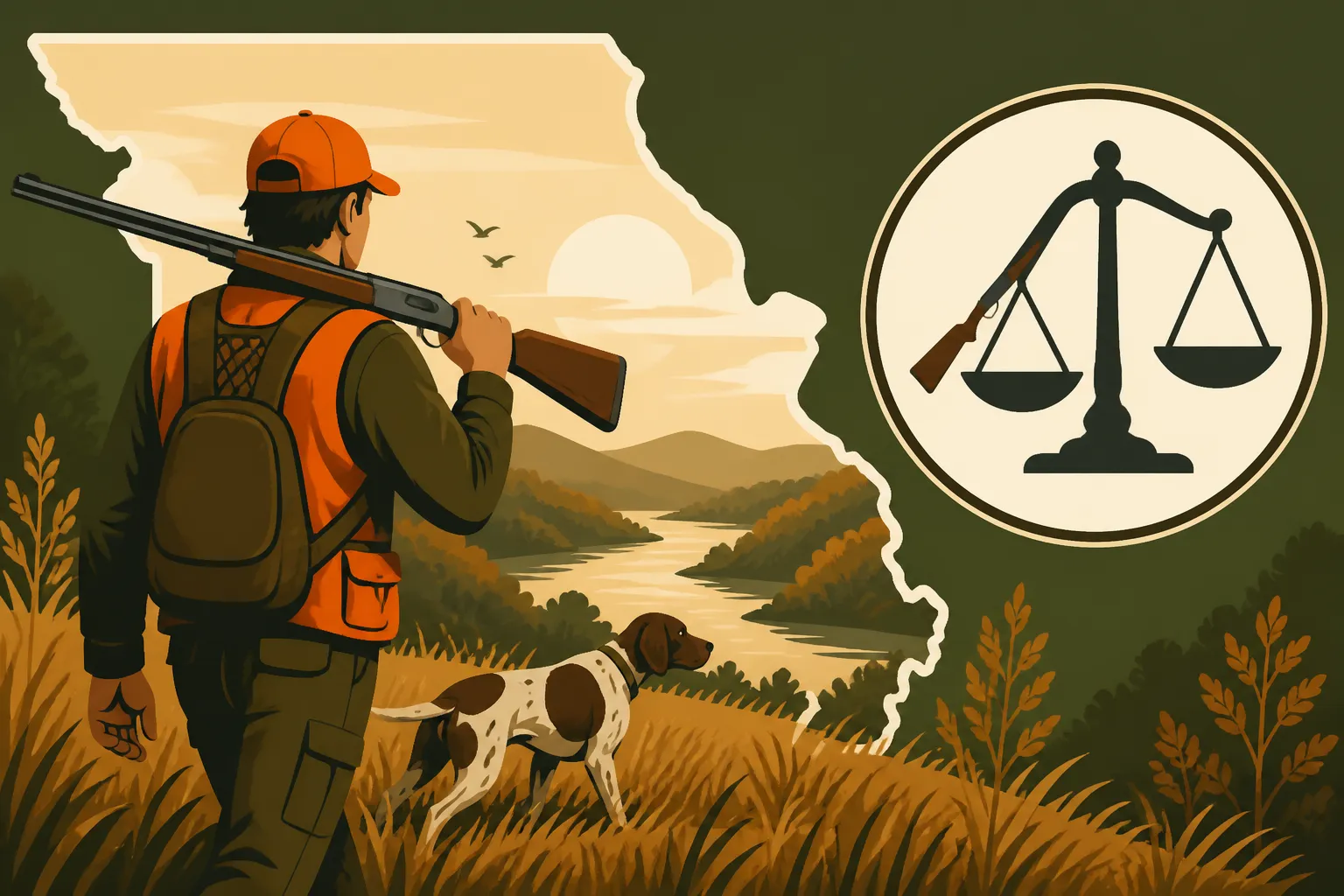
There's nothing quite like the feeling of the crisp morning air on a Missouri fall day, a good dog by your side, and a shotgun cradled in your arm. But after miles of slogging through briars, climbing rolling hills, or just trudging across endless corn stubble, that "good feeling" can quickly turn into a nagging ache in your shoulders, back, and arms. The weight of your shotgun, something you barely notice at the truck, becomes a monumental burden on a long walk, and it can truly impact your hunting enjoyment and even your effectiveness. This guide is all about dissecting the often-overlooked factor of shotgun weight when you're planning those extensive treks across Missouri's diverse hunting landscapes.
The Unseen Burden: Why Shotgun Weight Becomes a Real Problem on Missouri's Long Walks
When you're dreaming of a successful hunt, whether it's chasing quail through prairie grass or squirrels in oak timber, the physical exertion is often an afterthought until it hits you. A shotgun that feels perfectly balanced for a quick walk to a treestand or a few short pushes through a cover strip can become a lead pipe after a couple of hours of steady movement, especially when you're navigating the varied and sometimes challenging terrain Missouri throws at you.
Cumulative Fatigue and Its Impact
Think about a typical day Walking Missouri Quail Cover With a Dog. You might cover several miles, constantly stopping, starting, and raising your shotgun to react to a sudden covey flush. Each time you lift that gun, you're expending energy. What seems like a minor effort repeated dozens or even hundreds of times throughout the day adds up to significant fatigue. This isn't just about being tired; it affects your ability to react quickly and fluidly when that pheasant cackles up from a CRP field or a cottontail explodes from a brush pile.
This cumulative fatigue can lead to sloppy gun mounts, slower swing speeds, and ultimately, missed shots. When your arms are burning, your muscles are screaming, and your focus is on the next painful step, your shooting fundamentals are the first thing to go out the window. A lighter gun doesn't eliminate fatigue, but it certainly pushes back its onset, giving you more energy and mental clarity when it matters most – at the moment of truth.
Accuracy and Shot Consistency Over Distance
It might sound counterintuitive, but a heavier shotgun can actually be less accurate on a long walk. While a heavy gun generally helps absorb recoil and steady your aim for deliberate shots, trying to quickly bring a heavy, unwieldy firearm to your shoulder when you're winded and worn out is a recipe for inconsistency. The effort required to get the gun into a proper shooting position means your muscles are already taxed, introducing tremor and making a smooth swing incredibly difficult.
Imagine tracking a fast-moving dove over a freshly cut wheat field, or trying to swing through a flushing woodcock along a creek bottom after a couple of hours of hard walking. If your shotgun feels like a boat anchor, your ability to perform these quick, instinctive shots will be severely compromised. A shotgun that feels comfortable and natural to carry for hours on end will allow you to maintain better form and consistency when it's time to shoulder up and make the shot, regardless of how tired you might be.
Navigating Missouri's Diverse Terrain
Missouri isn't flat, especially when you start exploring the Ozarks or the river bottoms. From the rolling hills of north Missouri farm country to the steep, rocky hollows of the southern part of the state, you'll encounter a huge range of terrain. Every extra pound on your shotgun feels like five when you're scrambling up a bluff or wading through thick, sticky mud.
Consider a hunt where you're Still-Hunting a Missouri Ozark Hollow. You're moving slowly, deliberately, often with the gun held at the ready. A heavy shotgun in this scenario is not just physically draining but also mentally distracting. The constant effort required to manage its weight takes away from your focus on reading sign, identifying game, and maintaining situational awareness. Lighter shotguns shine in these environments, allowing for easier maneuvering through dense cover and less effort during prolonged periods of carrying.
Striking a Balance: The Trade-Offs Between Featherlight and Field-Proven Shotguns
There's no single "best" shotgun weight for every hunter or every situation. What feels good in a gun shop might feel terrible after a mile, and what's ideal for static shooting can be a nightmare for a mobile hunter. Understanding the inherent trade-offs between lighter and heavier shotguns is key to making an informed decision for your Missouri adventures.
The Appeal of Lightweight Firearms
Lightweight shotguns, often featuring aluminum receivers, thinner barrels, or synthetic stocks, are incredibly appealing for hunters who cover a lot of ground. Their primary advantage is, of course, reduced fatigue. When you're spending all day walking through fields for quail or rabbits, or navigating rugged timber for squirrels, every ounce shaved off your carry weight is a blessing. A lighter gun allows for quicker handling, faster target acquisition, and easier shouldering, which can be critical for fast-flushing upland birds or small game.
However, this reduction in weight comes with some considerations. The most notable is increased felt recoil. A lighter gun simply has less mass to absorb the energy generated when a shotgun shell goes off, meaning more of that kick is transferred to your shoulder. For a hunter who only fires a few shots a day, this might be a non-issue. But if you're shooting a lot of magnum loads, or have a particularly hot covey rise with several shots in quick succession, that recoil can start to take its toll. It might make follow-up shots harder and contribute to flinching, impacting your accuracy.
The Steadiness of Heavier Guns
On the other end of the spectrum are heavier shotguns, often made with steel receivers, thicker walled barrels, and sometimes dense wooden stocks. These guns typically feel very solid and stable. Their weight helps to soak up recoil, making for a more comfortable shooting experience, especially if you're shooting high-brass loads or spending a day at the range. The added mass also contributes to a smoother swing and follow-through, which can be advantageous for consistent clay target shooting or for pass-shooting ducks from a stationary blind where quick, frantic movements aren't the norm.
The downside, as we've discussed, is the sheer physical effort required to carry one for extended periods. A heavy shotgun can become cumbersome and slow to maneuver in thick cover. If you're Walking Missouri Quail Country for miles on end, or chasing pheasants in heavy cover, a heavier gun will become an oppressive burden. Furthermore, if you need to take quick, instinctual shots, the inertia of a heavier gun can slow your mount and swing, potentially causing you to miss opportunities.
Weight Distribution and Balance
It's not just the total weight, but how that weight is distributed, that truly defines a shotgun's "feel." A well-balanced shotgun, even if it's on the heavier side, can feel more manageable than a lighter gun with poor balance. Many hunters prefer a shotgun that balances slightly forward, just ahead of the receiver, which can aid in a smooth swing. If a gun is too "stock heavy," it can feel whippy and hard to control, while a gun that's too "barrel heavy" can feel sluggish and tiring to hold up.
When you're handling shotguns in a store, pay close attention to how they balance in your hands, not just their overall heft. Bring the gun up to your shoulder several times, swing it around, and simulate a shot. Does it feel natural? Does it point easily where you look? These subtle differences in balance can make a huge impact on how the gun carries and shoots over a long day.
| Shotgun Type/Material | Typical Weight Range (Approx.) | Pros for Long Walks | Cons for Long Walks |
|---|---|---|---|
| Aluminum Receiver | 6-7 lbs | Very light, reduces fatigue, quick handling | Increased felt recoil, less stable for sustained shooting |
| Steel Receiver | 7.5-9 lbs | Recoil absorption, smooth swing, durable | Heavy for long treks, causes fatigue over distance |
| Synthetic Stock | Can reduce overall weight | Weather resistant, durable, often lighter | Can feel less traditional, less vibration absorption |
| Wood Stock (Dense) | Can add to overall weight | Traditional feel, good aesthetics, natural vibration dampening | Heavier, more prone to weather/scratches |
| Short Barrel (24-26") | Lighter, more maneuverable | Excellent for thick cover, quick handling | Less forward swing momentum, slight velocity loss |
| Long Barrel (28-30") | Heavier, smoother swing | Better for open fields, consistent swing | Can be cumbersome in tight cover, adds carry weight |
Tailoring Your Loadout: Factors to Consider for Your Missouri Shotgun Trek
Choosing the right shotgun weight isn't a one-size-fits-all decision; it's a personal equation that factors in your physical condition, the specific game you're after, the terrain you'll be navigating, and even the accessories you plan to carry. Ignoring these elements can turn a great day afield into a painful ordeal.
Your Physical Condition and Endurance
Let's be real: not everyone is a marathon runner. Your personal fitness level plays a huge role in how much shotgun weight you can comfortably manage over a long day. If you're someone who hits the gym regularly and is used to sustained physical activity, you might tolerate a heavier gun better than someone who doesn't. Conversely, if you're just getting back into hunting, or have physical limitations, prioritizing a lighter shotgun is a smart move.
It's not about being "tough" or "strong" for strength's sake. It's about being able to perform effectively and enjoy your time in the field. A lighter gun might mean you can hunt longer, cover more ground, and maintain better focus throughout the day. It allows you to concentrate on the hunt, not on the strain in your back. Be honest with yourself about your capabilities, and choose a gun that complements, rather than hinders, your hunting style.
Game Species and Hunting Style
The type of game you're pursuing in Missouri heavily influences the ideal shotgun weight.
- Upland Birds (Quail, Pheasant, Grouse): For these fast-flushing birds that demand quick reactions and often involve miles of walking, a lightweight, fast-handling shotgun is usually preferred. Every ounce counts when you're covering diverse landscapes, stopping and starting, and preparing for explosive covey flushes. Walking Missouri Quail Restoration Landscapes means lots of ground, and a lighter gun keeps you fresh.
- Small Game (Squirrel, Rabbit): Similar to upland birds, hunting Squirrel and Rabbit Hunting in Missouri often means still-hunting through timber or busting brush piles, requiring a gun that's easy to carry and quick to point. Shots can be fast and close, so nimble handling is key.
- Doves: Dove hunting can involve a mix. If you're sitting in a blind, a heavier gun might be fine for recoil absorption during high-volume shooting. But if you're jump-shooting doves or moving between fields, a lighter gun for ease of carry between spots is beneficial.
- Turkeys: For spring gobblers, many hunters opt for a lighter shotgun if they are doing a lot of Run-and-Gun Turkey Tactics in the Missouri Ozarks. Being able to move quickly, set up fast, and comfortably carry your gun, calls, and blind materials is crucial. However, some prefer a slightly heavier gun for stability when taking a long, critical shot from a seated position.
- Waterfowl: While some waterfowling involves walking into a marsh, much of it happens from a blind or a fixed position. Here, the recoil reduction of a heavier shotgun is often a primary concern, especially when shooting heavy loads for ducks or geese. The extra weight isn't as much of an issue if you're not constantly carrying it.
Terrain and Accessibility
Missouri's topography can vary wildly, from the flat agricultural fields of the northern counties to the rugged, steep, and rocky terrain of the Ozarks. The type of ground you plan to hunt most often should be a major consideration.
- Flat Fields and Gentle Rolling Hills: If your primary hunting grounds are the flat crop fields of North Missouri or the gently rolling hills of central Missouri, a slightly heavier shotgun might be more tolerable. You're less likely to be scrambling up inclines or navigating treacherous footing. That said, long walks across open ground can still be incredibly tiring, especially if you're not used to it.
- Steep Ozark Terrain: Hunting in the Missouri Ozarks, with its dense timber, steep bluffs, and rocky creek beds, demands a shotgun that is as light and maneuverable as possible. Every step is an effort, and a heavy gun will quickly become an anchor. When you're Reading an Ozark Hollow for Deer Movement or just trying to navigate dense undergrowth, a lighter firearm makes all the difference in conserving energy and maintaining your balance.
- River Bottoms and Wetlands: These areas often involve soft, muddy ground, dense brush, and sometimes even wading. Again, a lighter shotgun is preferred to reduce the strain of slogging through difficult footing and to make it easier to handle when encumbered by waders or other gear. Using a planning tool like GoHunt can help you scout the terrain ahead of time, allowing you to gauge the difficulty of the walk and select your gear accordingly. Knowing if you'll be navigating heavy timber versus open fields can help you decide between a lighter, more agile shotgun or one that might be slightly heavier but offers more stability for longer shots.
The Cumulative Weight of Accessories
Remember, it's not just the shotgun itself. Your total carry weight includes your shells, water, snacks, calls, first aid kit, and anything else you stuff into your Upland Vests and Quail Gear or Packs for a Day on Public Land. Each item adds to the overall burden.
A full box of 25 shotgun shells can weigh over a pound. A water bottle is another pound or two. Even a pair of rugged Boots for Walking Ozark Rock adds to your leg fatigue over miles. If you're already carrying a relatively heavy shotgun, the addition of essential gear can quickly push your total load into the realm of uncomfortable or even unsustainable. When you are mapping out your routes and scouting potential hunting areas, using an app like GoHunt can help you visualize the distances and elevation changes, prompting you to consider how much gear you really need and whether a lighter shotgun would be a better choice for that specific trek. This careful consideration of all the elements in your hunting pack helps you decide if a few ounces saved on the shotgun translates into significantly less fatigue on the trail.
Smart Solutions: Managing Shotgun Weight Without Sacrificing Performance
So, you've assessed your needs and you understand the trade-offs. Now, what are some practical ways to manage shotgun weight, or at least its impact, without completely sacrificing the performance or features you want?
Strategic Gear Choices Beyond the Gun
It’s not just about the shotgun itself. Other pieces of gear can significantly help or hinder your ability to carry a firearm comfortably for long distances.
- Quality Slings: This is perhaps the most obvious solution, yet many hunters overlook the importance of a good sling. A wide, padded sling made from a non-slip material can make an enormous difference in distributing the shotgun's weight and preventing it from digging into your shoulder. A padded sling reduces pressure points and allows you to carry the gun hands-free, freeing up your hands for navigating tough terrain, using calls, or handling your dog. There are even slings designed with quick-adjust features, letting you tighten or loosen the gun's position on your body depending on whether you're actively hunting or just trekking to the next spot.
- Hunting Vests and Packs: Your vest or pack can greatly influence how other items are carried, indirectly affecting the perceived weight of your shotgun. A well-designed upland vest, for example, distributes the weight of shells, water, and harvested game across your shoulders and hips, rather than concentrating it in one spot. This balanced load can make carrying your shotgun feel much less burdensome. When planning a hunt on public land, checking out detailed maps on a platform like GoHunt to understand the terrain and cover can help you decide if a minimalist vest is sufficient or if a more substantial pack will be needed to carry extra water or game over longer distances. This helps you balance your total load.
- Minimalist Approach to Ammo: Do you really need to carry three boxes of shells for a quail hunt? For most upland or small game hunts, a reasonable amount of ammo (say, 15-20 shells) is usually plenty. Each shell adds weight, so only carry what you realistically expect to use. Of course, for a hot dove shoot, you might need more, but always consider the balance.
Carrying Techniques and Best Practices
How you carry your shotgun can be almost as important as its actual weight. There are several techniques that can help reduce fatigue over a long walk:
- Vary Your Carry: Don't stick to one position. Rotate between shouldering the gun, carrying it in the crook of your arm, or even holding it at the low ready. Switching positions regularly helps different muscle groups take the strain, delaying the onset of fatigue. When you're Hunting Missouri Ridge Saddles and Benches, you might carry it across your back with a sling for climbs, then in your hands as you quietly stalk.
- Two-Hand Carry: For long, open stretches, using both hands to support the shotgun can often be less tiring than holding it with one. You can use your dominant hand on the pistol grip and your off-hand supporting the forend, distributing the weight more evenly.
- Sling Across Your Back: If you're not actively expecting a shot (e.g., walking to or from a distant hunting spot), slinging the gun across your back can be very effective. This frees up your hands and places the weight on your core, rather than just your shoulders. Just be sure the sling is properly adjusted so the gun doesn't swing too much or get caught on brush.
- Balance in Hand: When carrying the gun in your hands, find the balance point. Often, supporting the gun slightly forward of the receiver, where it naturally rests, can make it feel lighter and more maneuverable than gripping it tightly by the pistol grip alone.
Ultimately, the best shotgun weight for a long walk in Missouri is the one that allows you to hunt effectively, comfortably, and safely throughout the entire day. It's a personal choice based on your hunting style, physical condition, and the specific demands of the terrain and game. Don't let your shotgun become a burden; let it be an extension of your intent, allowing you to fully enjoy all that Missouri's wild places have to offer.
Disclaimer
This article is for general informational purposes only and does not constitute professional advice. Laws, prices and regulations vary by location and change over time. Consult a qualified professional for guidance on your specific situation.