Layout Blinds for Missouri Cut Fields
If you've ever found yourself belly-crawling across a recently harvested cornfield, trying desperately to become one with a stubble row as a flock of wary geese circles overhead, you know the frustration. Finding true concealment in Missouri's wide-open cut agricultural fields is a perennial headache for waterfowl hunters. This guide is all about mastering the art of disappearing into those seemingly barren landscapes by harnessing the power of layout blinds, helping you bring more birds into range.
The Challenge of Hunting Cut Fields in Missouri and Why Layout Blinds Are the Answer
Hunting waterfowl in Missouri's vast agricultural fields presents a unique set of challenges that can make or break a hunt. Unlike flooded timber or river bottom sloughs where natural cover abounds, a cut corn or bean field offers very little to hide behind. Ducks and especially geese, with their incredibly sharp eyesight and wariness honed by generations of hunting pressure, can spot anything out of place from remarkable distances. That little pop-up blind you use for deer hunting? It sticks out like a billboard. That camo tarp you tried to pull over yourself? The slightest movement, or even just its unnatural shape, is often enough to send birds flaring.
This isn't just about bagging birds; it's about the pure satisfaction of executing a well-planned hunt. Nothing's more disheartening than having a perfect decoy spread, killer calling, and then watching birds lock up and climb away at 200 yards because they saw you. The open nature of these fields, while providing crucial feeding grounds for migrating birds, demands a highly specialized approach to concealment. That's where the layout blind truly shines, transforming you from an obvious threat into an invisible part of the landscape.
Why Traditional Cover Fails in Open Fields
Think about it: in a freshly cut cornfield, the tallest natural cover might be a few inches of stubble or the occasional leftover stalk. Trying to dig a pit blind requires heavy equipment, significant time, and often isn't even an option on leased or public land. Simply lying in a ditch might work for a quick pass shot, but for extended hunts with decoy spreads, you need something more effective and comfortable. Birds are looking for unnatural shapes, dark blobs, and anything that breaks the horizon line. A hunter sitting upright or even hunched down provides exactly that.
Geese, in particular, are notorious for their aerial reconnaissance. They'll circle, gaining altitude, scanning the field below for any hint of danger before committing. If they spot anything amiss, even the most aggressive calling won't pull them in. This is why the low profile and effective concealment of a good layout blind are non-negotiable for consistent success in these environments. It's about blending in so completely that even their eagle-like vision fails to detect you.
How Layout Blinds Solve the Concealment Puzzle
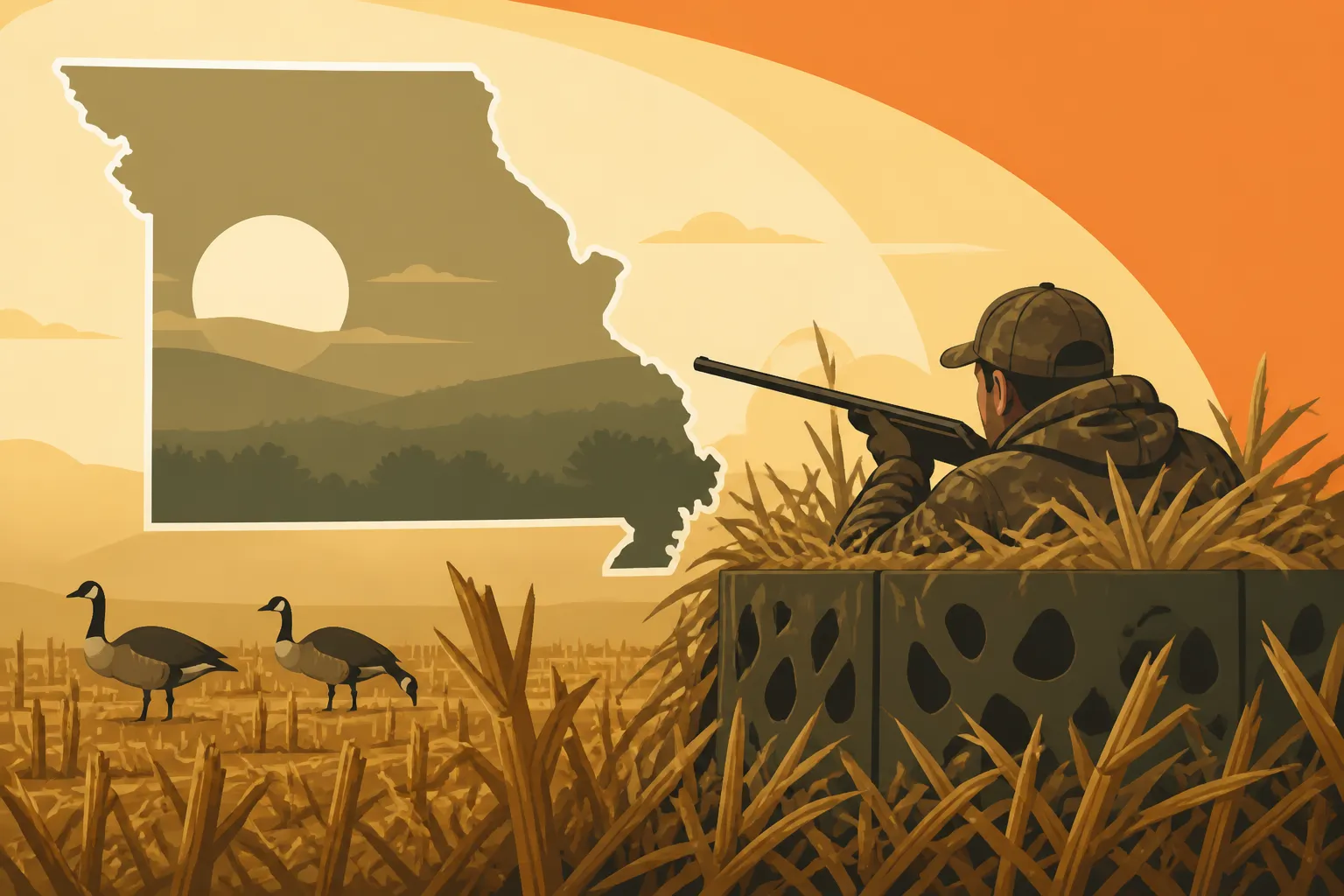
Layout blinds are specifically designed to make a hunter disappear into a field environment. Their low-profile design keeps you close to the ground, mimicking the natural contours of a field. Most are equipped with stubble straps or pockets, allowing you to quickly and effectively weave in local vegetation – cornstalks, bean stubble, native grasses, even clods of mud – to break up the blind's outline. This isn't just camo fabric; it's active concealment, tailored to the exact field you're hunting.
By getting you horizontal and giving you the tools to become part of the habitat, layout blinds overcome the birds' natural wariness. When properly brushed in, they don't appear as a dark blob or an odd lump; they look like just another piece of the field. This allows birds to commit, working the spread with confidence, often setting their wings right over your head. It's an incredible feeling when you watch birds finish perfectly, oblivious to your presence, all thanks to effective concealment. For a deeper dive into hunting these areas, check out Field Hunting Geese in North Missouri.
Key Features to Consider When Choosing a Layout Blind for Missouri Fields
Selecting the right layout blind isn't a "one size fits all" decision. Missouri's weather can be unpredictable, from crisp, clear fall mornings to bitter cold, wet late-season days. Fields can range from dry, powdery dirt to muddy quagmires after a rain. Your blind needs to stand up to these conditions while still offering comfort and, most importantly, superior concealment.
Understanding Different Layout Blind Designs
There are a few primary styles of layout blinds, each with its own advantages:
- Clamshell Blinds: These are often a popular choice due to their simplicity and portability. They typically consist of two hinged halves that fold around the hunter. They are generally low profile, quick to set up, and easy to brush in. Their relatively light weight makes them a good option if you have to walk a ways into a field. They might offer slightly less internal room than coffin-style blinds but are excellent for disappearing.
- Wedge Blinds: As the name suggests, these blinds often have a slightly angled or "wedge" shape, sometimes offering a bit more room around the head and shoulders while maintaining a very low profile. They can be very comfortable for extended sits and often feature excellent stubble straps for meticulous brushing.
- Coffin Blinds: These blinds usually offer the most room and comfort. They are often more rigid, providing better protection from the elements and more space for gear inside. While they might be a bit heavier and bulkier to transport, the added comfort on long, cold hunts can be invaluable. They still maintain a low profile but might require a bit more effort to brush in perfectly due to their larger surface area.
When making your choice, think about how you hunt. Are you often solo and need something easy to carry? Or do you hunt with a crew, relying on ATVs to haul gear, prioritizing comfort for all-day sits?
Essential Features for Missouri Conditions
Beyond the basic design, specific features will significantly impact your hunting experience:
| Feature | Importance for Missouri Fields |
|---|---|
| Durability | High. Fields are tough on gear. Look for heavy-duty denier fabric, reinforced stitching, and sturdy frames. Mud, sharp stubble, and repeated folding/unfolding will test your blind. |
| Concealment | Critical. Extensive, easy-to-use stubble straps and pockets are paramount. The ability to integrate large amounts of local vegetation ensures the blind truly disappears. |
| Weatherproofing | Very High. A waterproof bottom and water-resistant top fabric are essential. You'll be lying on damp ground, through dew, frost, and sometimes even light rain or snow. |
| Comfort | High. A padded backrest and headrest are a godsend on long hunts. Adequate interior space for movement, layers, and essential gear (calls, shells, snacks) prevents discomfort and fidgeting. |
| Portability | Medium to High. Consider weight, packed size, and whether it has shoulder straps. If you're walking in, lighter is better. If driving an ATV, more robust designs are fine. |
| Egress/Access | Critical. Quick, quiet access to shoot and easy entry/exit for non-shooting moments. Zippers should be durable and easy to manipulate with cold hands. |
Pay close attention to the number and placement of stubble straps. The more options you have to weave in natural material, the better your concealment will be. Look for a blind that's also relatively easy to clean, as you'll inevitably be bringing mud and field debris home with you after every hunt. Some blinds even feature clever internal pockets and storage, which can be a real blessing for keeping your calls, shells, and snacks organized and mud-free. This attention to detail can make a big difference when hunting in challenging conditions.
Mastering the Art of Concealment and Decoy Spreads with Layout Blinds
Having the right layout blind is only half the battle; knowing how to deploy it effectively is where real field hunting success lies. This involves meticulous scouting, expert brushing-in techniques, and strategic decoy placement to convince birds that your spread is a safe haven, not a hidden ambush. This is where your efforts in preparation truly pay off.
Scouting and Placement: Reading the Field
Before you ever set up a blind, you need to know where the birds want to be. This means thorough scouting. Drive around during midday or late afternoon, observing flight lines, feeding patterns, and where birds are landing. Look for "X" marks – areas where birds have been actively feeding, evidenced by droppings, trampled stubble, and shed feathers. Reading Roost-to-Field Flight Lines can give you great insights into predicting where birds will want to go.
Once you've identified a hot spot, consider these factors for blind placement:
- Wind Direction: This is paramount. Birds almost always land and take off into the wind. You want the wind at your back, pushing the birds directly into your decoy spread and presenting broadside shots as they commit. Your blind should be positioned downwind of your main kill hole in the spread.
- Field Contours: Look for subtle depressions, fencerows, or slightly higher ridges. Even a foot or two of elevation change can help break up your outline or provide a natural backdrop for your blind. Avoid placing blinds on the absolute highest point of a field unless you have exceptional brushing material.
- Sun Angle: Consider the sun's position throughout the morning. You want the sun at your back, shining into the birds' eyes as they approach, making it harder for them to spot you.
Many hunters use mapping apps like those from GoHunt to digitally scout fields, identify potential access points, and mark historical feeding locations. This allows you to plan your approach and blind placement before you even step foot in the field, saving precious time in the dark morning hours.
Brushing-In: Becoming Invisible
This is arguably the most critical step for effective layout blind hunting. A bare camo blind is still an unnatural blob. You need to make it disappear.
- Collect Local Vegetation: Before you even position your blind, gather ample amounts of the natural stubble, stalks, and grasses found in the field you're hunting. The more you have, the better.
- Break Up the Outline: Start by weaving handfuls of stubble into the blind's stubble straps. Don't just lay it flat; try to give it some dimension, making it look like natural debris or a small rise in the field. Focus on the edges and any areas that might create a sharp line.
- Cover Any Gaps: Pay close attention to the head and foot ends of the blind, as these are often the most exposed. Ensure there are no large gaps or contrasting colors visible. If the field is muddy, don't be afraid to smear a bit of mud on the blind to further break up its appearance.
- Conceal Your Face: Even with a perfectly brushed-in blind, a bright face can give you away. Always wear a full face mask or paint your face with camo paint.
- Look from a Bird's Eye View: Once you think your blind is brushed in, take a walk around. Look at it from different angles, especially from a slightly elevated position, imagining how a circling goose would see it. Adjust as needed until it truly blends in.
Remember, the goal isn't just to hide; it's to look like nothing at all. This meticulous attention to detail is what separates a good hunt from a busted one. For specific blind setup examples, you might find valuable insights in Layout Blinds in Harvested Fields.
Decoy Spreads Around Your Blind
Your decoy spread works hand-in-hand with your blind placement. The blinds should be integrated seamlessly into the spread, not sitting as an obvious anomaly.
- Integrate Blinds into the Flock: Don't place your blinds off to the side, isolated from your decoys. Position them within or directly adjacent to your main feeding block of decoys. Make them look like part of the flock, perhaps larger birds resting.
- The "Kill Hole": Create an open landing zone, or "kill hole," directly in front of your blinds. This is where you want the birds to commit and drop in.
- Spread Shape: The exact shape of your spread (U-shape, J-shape, V-shape) will depend on wind direction and field contours, but the principle remains the same: funnel birds into your kill hole. Setting a Goose Spread in Cut Corn offers excellent guidance on this.
- Numbers and Realism: Use a sufficient number of decoys to attract attention, but also focus on realism. Mix in full-body decoys with shells and rags for a natural look. If hunting geese, consider adding a few duck decoys to signify safety to both species.
- Motion Decoys: Incorporate some motion, such as flags or flappers, to grab attention, especially on calm days. Just be mindful of overdoing it, as too much motion can sometimes spook wary birds.
Optimizing Your Layout Blind Hunt: Gear, Weather, and Workflow Tips
Beyond the blind itself and how you set it up, there are a host of other considerations that contribute to a successful and enjoyable layout blind hunt in Missouri. From the gear you carry to how you manage the elements, these details can make a significant difference.
Essential Gear for the Layout Blind Hunter
Hunting from a layout blind often means being minimalist with what you carry into the field, but you also need to be prepared for anything.
- Warmth and Layering: Being prone on the cold ground, often before dawn, can quickly lead to discomfort. Layering is key. Start with good base layers, add insulating mid-layers, and finish with a windproof and waterproof outer layer. Insulated boots are a must. Remember, you're not moving much, so you need to generate your own warmth.
- Calls and Shells: Keep your calls readily accessible within the blind. Many blinds have internal pockets designed for this. Have a variety of goose and duck calls if hunting both. Ensure your shotgun shells are organized and within easy reach for quick reloading, especially for those multiple-bird opportunities. For gear suggestions, you might look at Waterfowl Loads for Missouri Ducks and Blind Bags and Cold-Weather Gear.
- Snacks and Hydration: Long waits in the cold can drain your energy. Pack high-energy snacks and a thermos of coffee or hot chocolate. Staying hydrated is also important, even in cold weather.
- E-Caller (for Snow Geese): If you're chasing snow geese during the Conservation Order, an electronic caller is indispensable. Ensure it's charged, readily accessible, and you know how to operate it quietly from within your blind. This becomes particularly important when you get into Snow Goose Tactics in Spring.
- Field Repair Kit: A small kit with zip ties, duct tape, and maybe some heavy-duty thread can be a lifesaver for minor blind repairs or brushing-in emergencies.
Weather Considerations and Contingency Planning
Missouri weather is notoriously fickle, and hunting from a layout blind puts you directly in the elements.
- Rain and Mud: A waterproof bottom on your blind is non-negotiable. If heavy rain is in the forecast, consider a thin tarp or ground cloth under your blind for extra protection. Be prepared for mud – both on your blind and on your person.
- Cold and Wind: Wind cuts right through thin fabric. Ensure your blind has solid construction and that your clothing layers are adequate. Windbreakers are crucial. On extremely cold days, hand warmers and foot warmers can make a huge difference in comfort and endurance.
- Fog: While fog can conceal you, it also limits visibility for spotting incoming birds. Be extra vigilant and listen closely for approaching wings.
- Post-Hunt Clean-up: After a muddy or wet hunt, don't just toss your blind in the truck. Get it opened up, cleaned, and dried as soon as possible to prevent mildew and extend its lifespan.
Hunting with a Partner and Workflow
Layout blind hunting is often a team sport, and clear communication is vital for safety and success.
- Designated Shooter: Decide beforehand who will take the shot when birds commit. This avoids confusion and ensures a clean break from the blinds.
- Calling Duties: Designate one or two primary callers to avoid over-calling or conflicting sequences.
- Safety First: Always know where your hunting partners are. When breaking cover to shoot, be mindful of muzzle control and your shooting lane relative to others.
- Quick Transitions: Practice getting out of your blind quickly and smoothly to shoot. Fumbling with zippers or getting tangled in your gear can cost you precious seconds.
- Retrieving Birds: After a successful pass, one hunter might stay low to continue calling or spotting while another retrieves birds, especially if more flocks are still working the area. Understanding What Changes After the Beans Come Off can help you adapt your strategy.
Layout blinds truly revolutionize field hunting for waterfowl. With the right gear, diligent preparation, and a keen understanding of bird behavior and field conditions, you'll be well on your way to enjoying some of Missouri's most exciting hunting opportunities.
Disclaimer
This article is for general informational purposes only and does not constitute professional advice. Laws, prices and regulations vary by location and change over time. Consult a qualified professional for guidance on your specific situation.